Geography and Environment
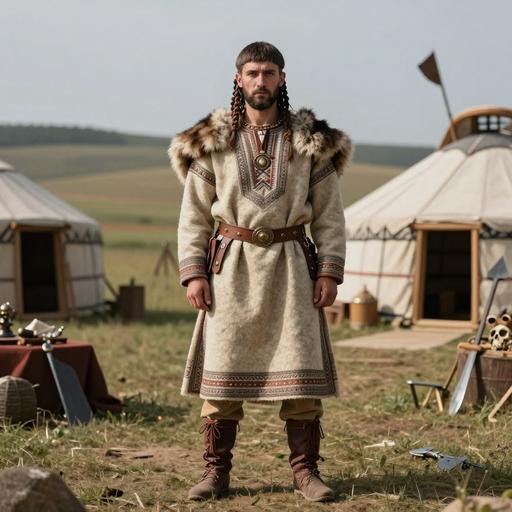
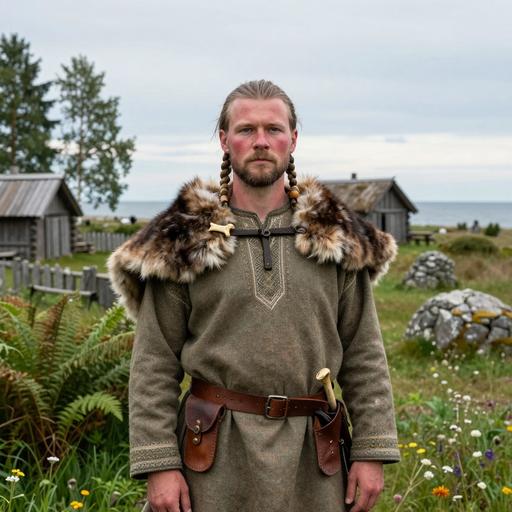
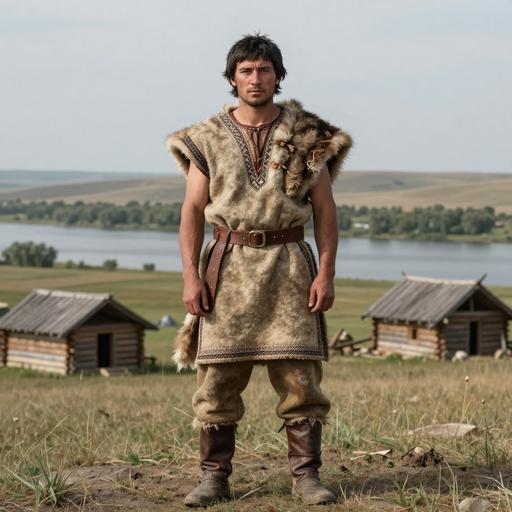
The Srubnaya culture thrived in the expansive Eurasian steppe, characterized by its flat, grassy plains. This environment supported a predominantly pastoral lifestyle, fostering the development of nomadic and semi-nomadic societies. The availability of rich pastures for grazing made animal husbandry a staple of the Srubnaya economy.
Burial Practices
The name \Srubnaya," meaning "timber grave," is derived from their distinctive burial practices. The dead were buried in large rectangular pits lined with wooden planks or beams, creating a timber structure that encased the body. Grave goods, including pottery, metal tools, and personal ornaments, were often placed with the deceased, suggesting a belief in an afterlife where these items would be of use.
Housing and Settlements
Settlements of the Srubnaya culture were typically comprised of temporary structures that reflected their semi-nomadic lifestyle. Evidence of permanent housing is sparse, though remnants suggest simple constructions made from wood and clay. These settlements were often situated near water sources, which were vital for both human consumption and livestock.
Economy and Subsistence
The economy of the Srubnaya culture was predominantly pastoral, focusing on cattle, sheep, and horses, which played a critical role in transportation and mobility. Additionally, there was some degree of agriculture, with evidence of wheat and barley cultivation. This combination of pastoralism and agriculture suggests a flexible economic structure that could adapt to the challenging environments of the steppe.
Tools and Technology
Srubnaya people were proficient metalworkers, as evidenced by numerous bronze artifacts such as weapons (daggers, spearheads) and tools (sickles, knives). Pottery was another significant aspect of their material culture, characterized by simple, often geometric designs. The production of textiles, especially woolen garments, was likely an important domestic activity, although direct evidence is limited.
Social Structure and Lifestyle
The Srubnaya culture likely had a hierarchical social structure dominated by warrior elites, as suggested by the richly furnished graves of certain individuals. The presence of weapons and horse-related artifacts indicates that the status and power might have been closely linked with martial prowess and horsemanship.
Linguistic and Cultural Significance
Linguistically, the Srubnaya culture is considered part of the larger Indo-European family, potentially associated with the Indo-Iranian branch. They played a crucial role in the dissemination of Indo-European languages and cultural practices across the Eurasian steppe.
Cultural Interactions
The Srubnaya culture interacted with neighboring cultures and was part of the larger network of steppe societies. They possibly traded livestock, metalwork, and other goods with cultures in the Caucasus, Central Asia, and Eastern Europe, contributing to the cultural exchange that characterized the Bronze Age.
Decline and Legacy
The decline of the Srubnaya culture around 1200 BCE was likely due to a combination of environmental changes, such as climate fluctuations, and socio-political factors, including shifts in trade networks and pressure from emerging cultures such as the Scythians. However, the cultural and technological contributions of the Srubnaya people continued to influence subsequent cultures in the region.
In summary, the Srubnaya culture represents a significant phase in the cultural and historical development of the Eurasian steppes. Their adaptability to the harsh steppe environment, along with their advancements in metalwork and burial practices, mark them as a pivotal Indo-European society within the Late Bronze Age."





 2 connections

 2 connections

 1 connections