The Story
The journey of mtDNA haplogroup F1B1B1
Origins and Evolution
F1B1B1 is a downstream maternal lineage within the broader F1 family, nested under F1B1B. Based on its phylogenetic position and available population data, F1B1B1 most likely arose in the mid-Holocene in coastal East to Southeast Asia, approximately 6,000 years ago (6 kya). This time frame places its origin after the Last Glacial Maximum and during a period of increasing coastal resource use, population growth, and the rise of maritime adaptations in parts of East and Southeast Asia.
The lineage reflects the pattern seen in many F1 subclades: diversification within broadly East Asian maternal pools, with some sublineages moving along littoral and island routes. The presence of F1B1B1 in both mainland and island populations suggests a history of both local persistence and maritime dispersal.
Subclades (if applicable)
At present, F1B1B1 is recognized as a defined subclade of F1B1B with limited named downstream diversity in published surveys; some studies report private or regionally restricted further branches identified in control-region and full mitogenome surveys. Continued mitogenome sequencing of East and Southeast Asian samples is likely to reveal additional internal structure (regional sublineages) tied to island groups and coastal populations. Because F1B1B1 is relatively young (mid-Holocene), many of its subclades are expected to have shallow coalescence times and localized geographic distributions.
Geographical Distribution
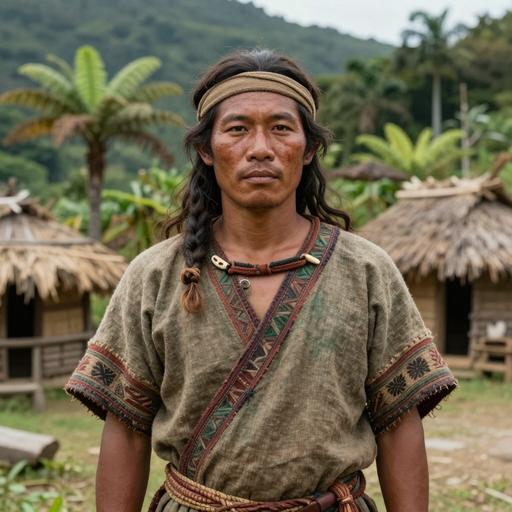
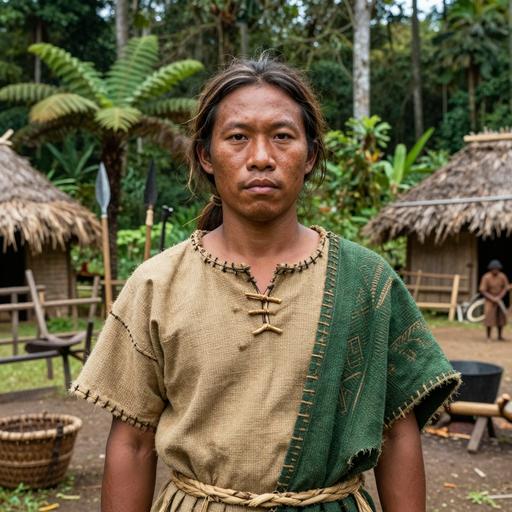
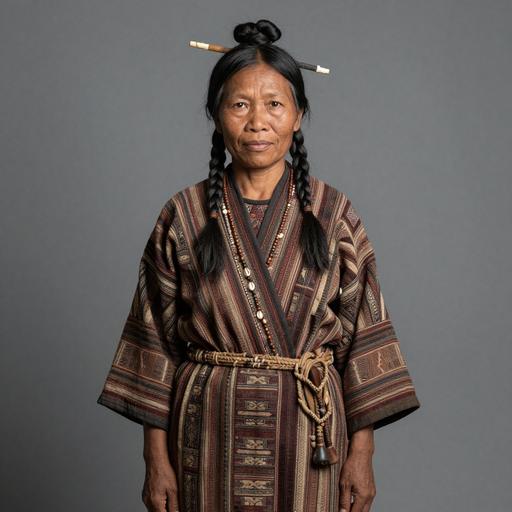
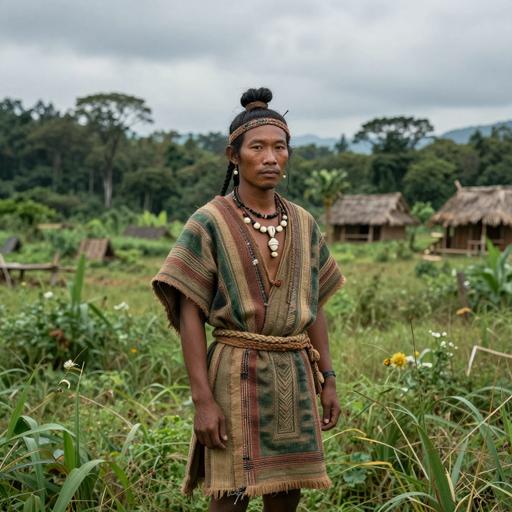
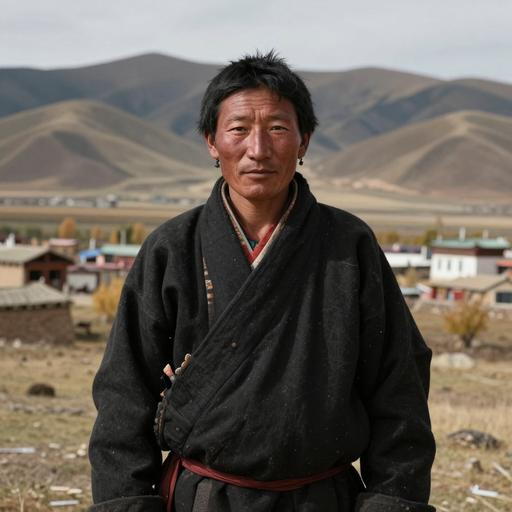
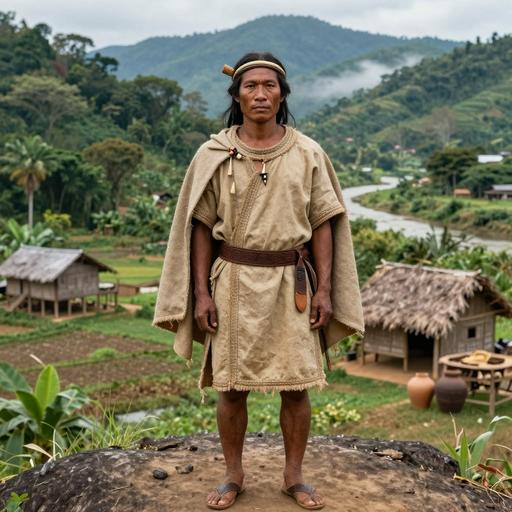
F1B1B1 shows its highest frequencies and diversity in East and Southeast Asia, with important occurrences in Island Southeast Asia and some presence in Near Oceania. Documented population occurrences include Han Chinese and other East Chinese groups, Japanese (including some Ryukyu/Okinawan samples), Koreans, mainland Southeast Asian groups (Vietnamese, Thai, Lao), and Austronesian-speaking populations in the Philippines, Indonesia, and Malaysia. The haplogroup also appears at low to moderate frequencies in some Tibeto-Burman and Himalayan fringe populations, scattered Central Asian and southern Siberian groups, and occasionally in South Asia. Archaeogenetic recovery in at least three ancient DNA samples supports its presence in archaeological contexts consistent with mid- to late-Holocene coastal and island occupations.
Historical and Cultural Significance
The distribution and timing of F1B1B1 are consistent with two broad demographic processes known from population genetics and archaeology:
Postglacial coastal dispersals: After the LGM and during the Holocene, coastal environments became more productive and facilitated human movement along shorelines. Maternal lineages adapted to or associated with littoral lifestyles often show distributions that track these routes.
Austronesian-era maritime expansion: The geographic pattern, particularly the presence of F1B1B1 across Island Southeast Asia and into parts of Near Oceania, is compatible with dispersals tied to Austronesian-speaking seafarers (beginning ~4–5 kya) and related maritime networks. In many island populations F1-derived lineages contribute to the maternal genetic profile alongside other Southeast Asian and Near Oceanian haplogroups.
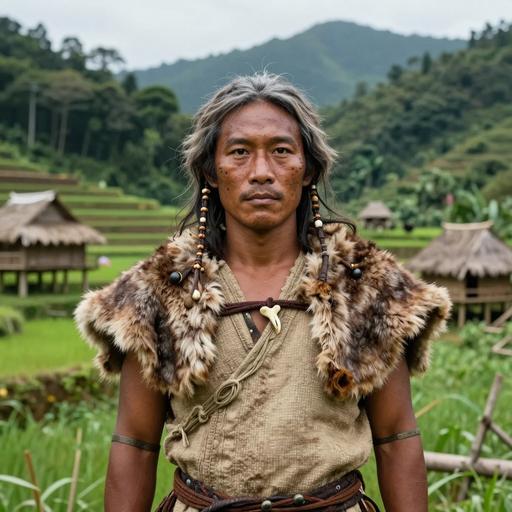
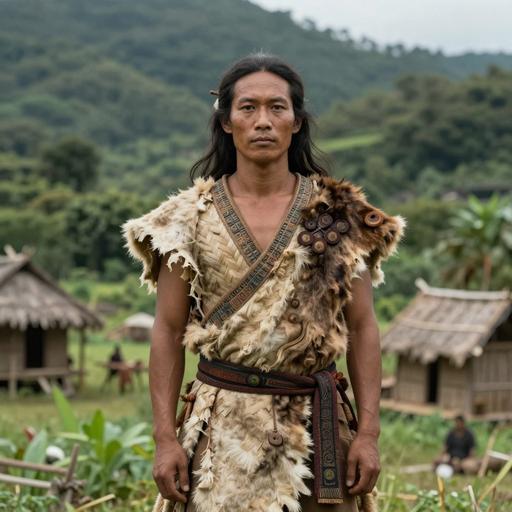
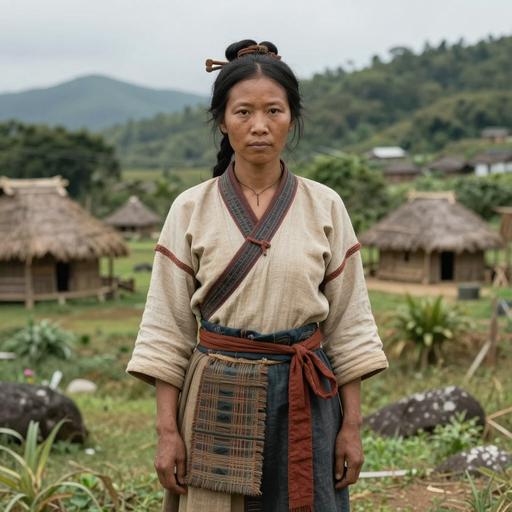
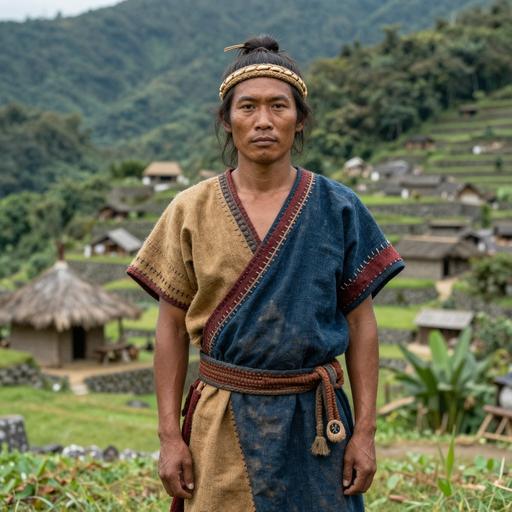
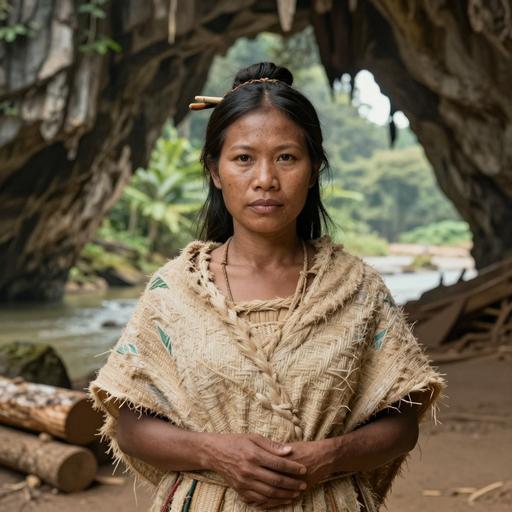
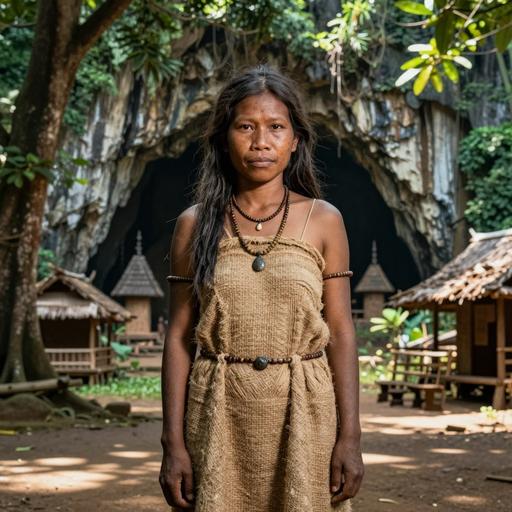
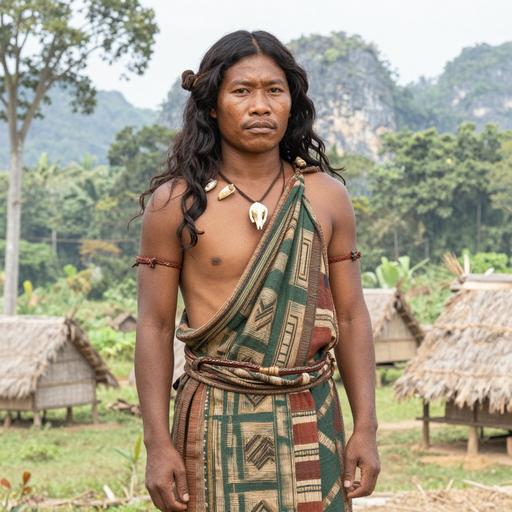
Culturally, F1B1B1 is therefore most relevant to coastal and island prehistoric communities, including Neolithic coastal foragers, early maritime farmers, and later Austronesian-associated populations. Its relatively limited age and coastal/island affinities make it a useful marker for tracing maternal components of Holocene maritime movements in East and Southeast Asia.
Conclusion
F1B1B1 is a mid-Holocene maternal clade nested within F1B1B that documents regional diversification in East and Southeast Asia with a notable coastal and island distribution. Its pattern aligns with postglacial coastal expansions and subsequent Austronesian-era maritime dispersals; ongoing mitogenome sequencing will clarify finer-scale substructure and the full extent of its prehistoric movements.
Key Points
- Origins and Evolution
- Subclades (if applicable)
- Geographical Distribution
- Historical and Cultural Significance
- Conclusion