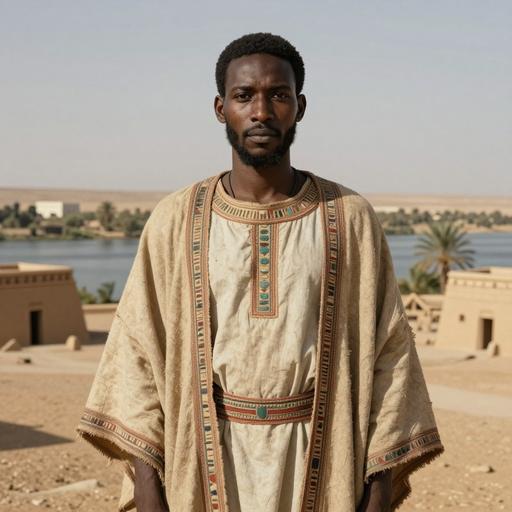
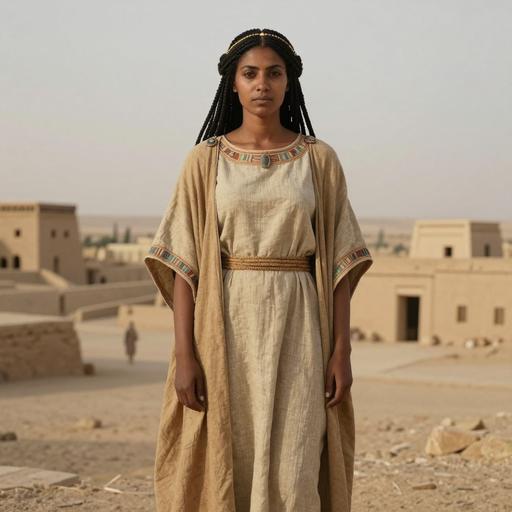
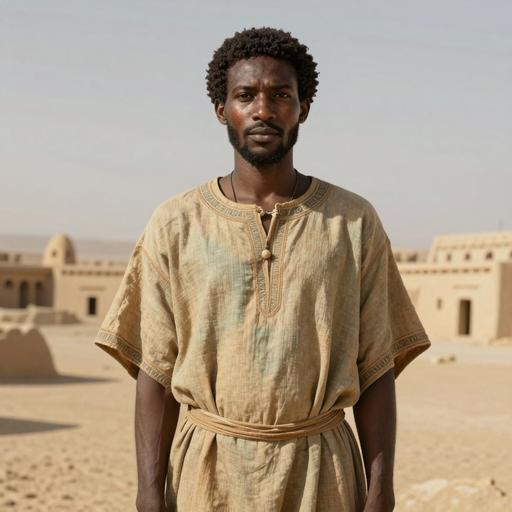
The Story
The journey of mtDNA haplogroup L0A1C1
Origins and Evolution
mtDNA haplogroup L0A1C1 is a downstream branch of L0A1C, itself a subclade of the deep-rooting African lineage L0A. The parent clade L0A1C likely arose in eastern Africa during the early Holocene (~12 kya), and L0A1C1 represents a later split within that regional radiation, most plausibly dating to the mid–late Holocene (roughly 9 kya in current estimates). Its emergence reflects local maternal continuity in the Horn of Africa and nearby eastern African populations, followed by dispersals associated with Holocene demographic processes.
Genetic studies of East African and adjacent populations indicate that L0A sublineages are part of a broadly eastern African maternal landscape that predates and then interacts with subsequent movements such as pastoralist expansions and Bantu-speaking agricultural expansions. The phylogenetic position of L0A1C1 within L0A1C indicates it is a relatively derived lineage that preserves local genetic signal while also appearing at low frequencies in more distant groups due to later admixture.
Subclades (if applicable)
L0A1C1 is itself a terminal or near-terminal subclade under L0A1C in currently published phylogenies; additional downstream diversity may exist but remains under-characterized due to limited complete-mitogenome sampling in some eastern African populations. Where additional sub-branches have been reported, they tend to show very localized geographic distributions consistent with drift and founder effects in small pastoralist or forager groups. Continued mitogenome sequencing across the Horn and adjacent regions is the best route to resolving finer substructure within L0A1C1.
Geographical Distribution
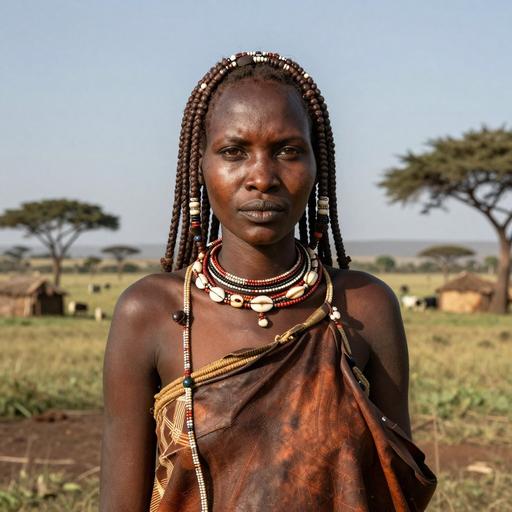
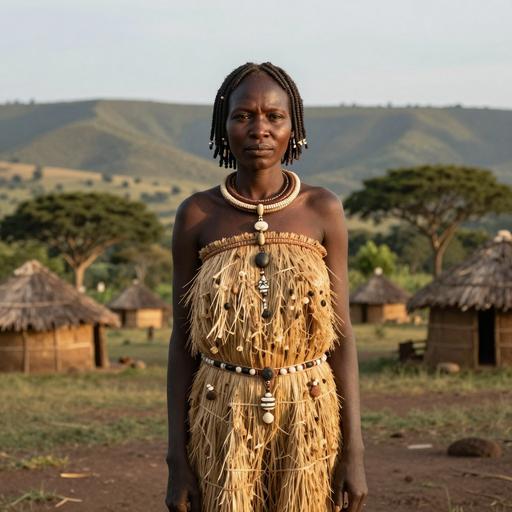
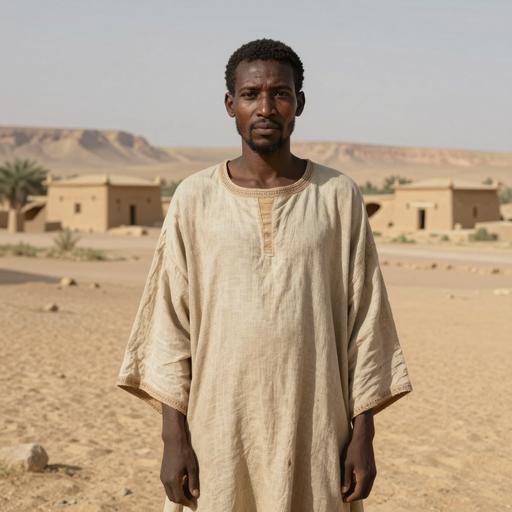
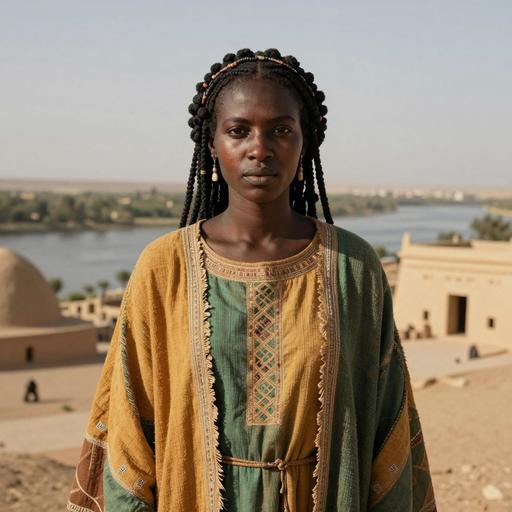
The highest frequencies and greatest diversity of L0A1C1 occur in the Horn of Africa (e.g., Oromo, Amhara, Somali and other Cushitic and Semitic-speaking populations), reflecting the clade's eastern African origin and long-term regional presence. L0A1C1 is also found in Nilotic and Cushitic-speaking groups across eastern Africa, at moderate frequencies in some central and southern Bantu-speaking populations as a result of Holocene admixture, and at lower frequencies among forager groups in central and southern Africa (including sporadic occurrences in Khoe‑San groups) most likely due to historic gene flow. Low-frequency occurrences in North Africa, the Near East, and among African-descended populations in the Americas reflect historical trade, migration, and the transatlantic slave trade. Archaeogenetic records currently include at least one aDNA instance attributed to the broader L0A1C clade or its sublineages, supporting Holocene antiquity in eastern Africa.
Historical and Cultural Significance
L0A1C1's distribution and co-occurrence with other eastern African maternal lineages make it a useful marker for studying Holocene population dynamics in the Horn and adjacent regions. It appears in contexts consistent with:
- Pastoralist expansions across eastern Africa, where maternal lineages were carried with moving herding communities during the mid to late Holocene.
- Bantu-associated dispersals, where low-to-moderate frequencies in central and southern Africa record admixture between expanding Bantu-speaking agriculturalists and local eastern/central African groups.
- Historical trade and migration networks linking the Horn with North Africa and the Near East (reflected by very low-frequency occurrences beyond sub-Saharan Africa).
Combined with autosomal and Y-DNA data (for example, co-occurrence with Y haplogroups such as E1b1b in Horn populations and E1b1a in many Bantu-speaking groups), L0A1C1 contributes to reconstructing maternal lineage continuity, local demographic events, and patterns of sex-biased admixture in eastern Africa.
Conclusion
L0A1C1 is a geographically informative maternal lineage that exemplifies eastern African Holocene continuity and subsequent dispersal through pastoralist and agricultural movements. While concentrated in the Horn of Africa, its low-frequency presence across much of sub-Saharan Africa and in the African diaspora underscores the complex web of migrations and admixture that have shaped maternal genetic landscapes. Increased mitogenome sampling, particularly ancient DNA from eastern African archaeological contexts, will refine the timing and finer-scale geographic structure of L0A1C1.
Key Points
- Origins and Evolution
- Subclades (if applicable)
- Geographical Distribution
- Historical and Cultural Significance
- Conclusion