The Story
The journey of mtDNA haplogroup L1C2
Origins and Evolution
mtDNA haplogroup L1c2 is a subclade of the deeper haplogroup L1c, which itself is rooted in Central/West-Central Africa. Based on the phylogenetic position of L1c2 within L1c and comparative mutation rates used in mtDNA chronologies, L1c2 most likely arose during the Late Pleistocene (roughly ~20–30 kya) within populations inhabiting the rainforest belt of Central Africa. The lineage represents one branch of a set of deep maternal lineages that reflect long-term population structure within this region prior to and during the Holocene.
Because tropical environments preserve ancient DNA poorly, direct ancient DNA evidence for L1c2 is limited; however, modern population surveys and comparative phylogeography of related L1c subclades support a long-standing presence of L1c2 among rainforest hunter-gatherer groups and neighboring agriculturalist communities.
Subclades (if applicable)
L1c2 itself is a defined node in the mtDNA phylogeny and, like many African mtDNA lineages, is expected to have further internal branching visible in high-resolution sequence datasets (full mitogenomes). Published population studies and mitogenome sequencing sometimes resolve internal sublineages of L1c2 in modern samples; sampling remains uneven, so characterization of named downstream subclades is ongoing. In practice, researchers identify L1c2 by diagnostic control-region and coding-region mutations and refine substructure as more whole-mitogenome data become available.
Geographical Distribution
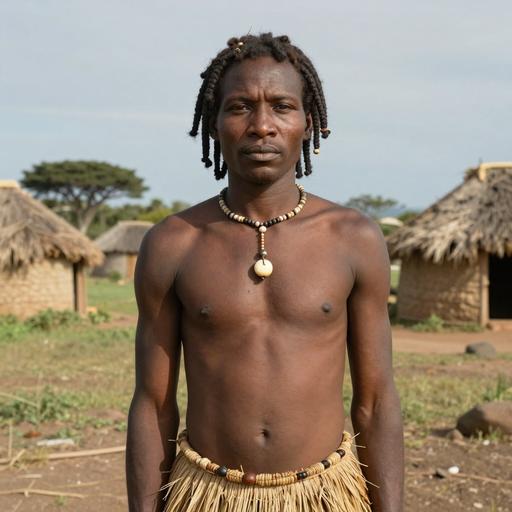
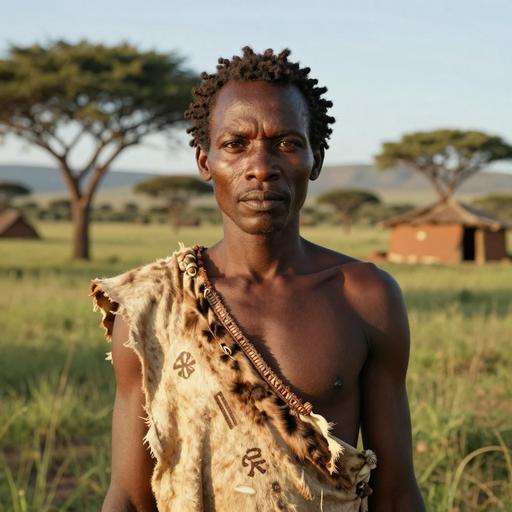
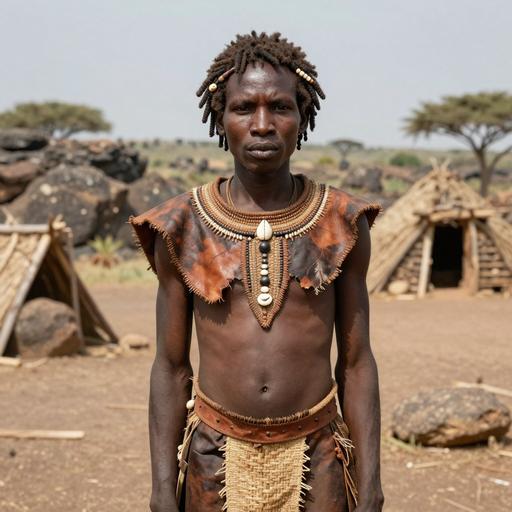
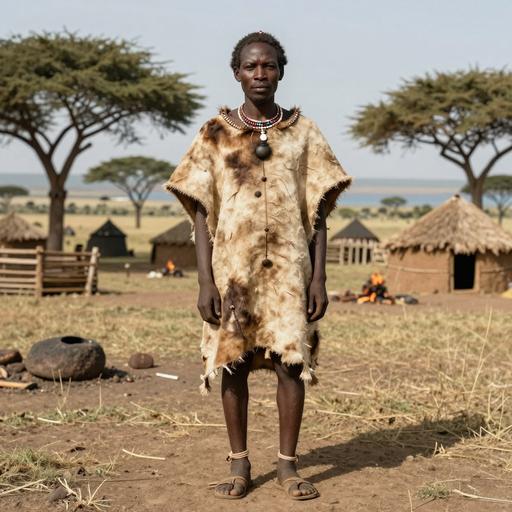
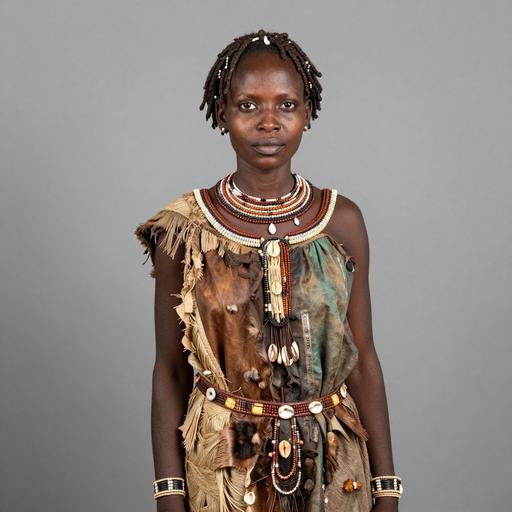
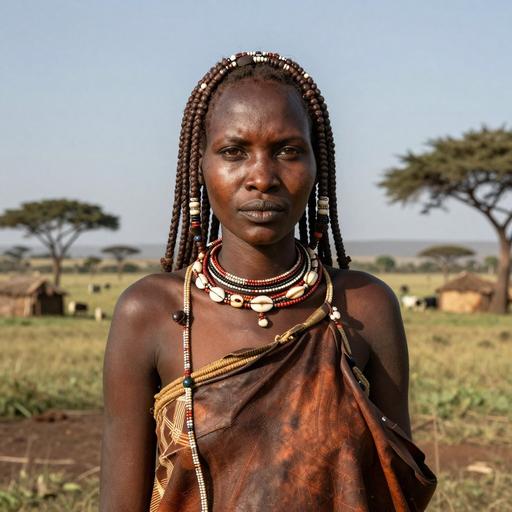
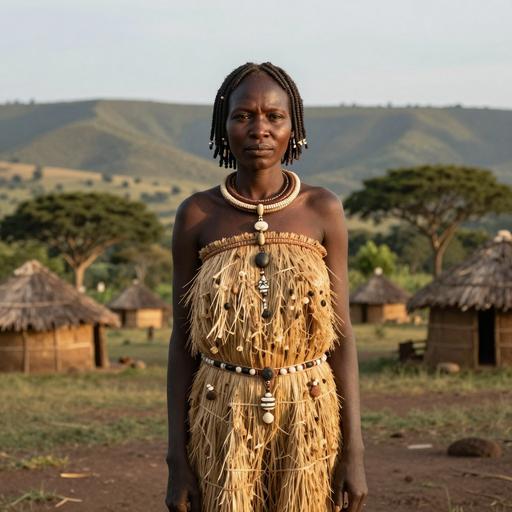
Primary concentrations of L1c2 are in Central and West-Central Africa, notably among Central African rainforest hunter-gatherer groups (commonly called Pygmy populations) and in several neighboring Bantu-speaking populations. Frequencies are highest in localized hunter-gatherer communities (e.g., Mbuti, Aka, Baka) and moderate-to-low among Bantu-speaking groups across Cameroon, Gabon, the Republic of the Congo and the DR Congo. Lower frequencies are observed in some West African populations (e.g., Yoruba and neighboring groups), occasional detections occur in parts of East Africa, and the lineage appears at low levels in the African diaspora in the Americas as a consequence of the trans-Atlantic slave trade.
Historical and Cultural Significance
L1c2 is informative for studies of deep maternal population structure in Central Africa. Its distribution mirrors archaeological and ethnographic evidence for long-term continuity of rainforest-adapted hunter-gatherer groups and their later interactions with expanding farming communities. During the Holocene, the demographic expansions and movements associated with the Bantu expansion and later historical processes (including trade networks and the Atlantic slave trade) redistributed many maternal lineages; L1c2 persisted in source populations and entered new regions through admixture and forced migration. As such, L1c2 is used in population genetics and forensic studies to infer maternal ancestry connected to Central African rainforest populations.
Conclusion
L1c2 is a deep Central/West-Central African maternal lineage tied to rainforest hunter-gatherer populations with a time-depth in the Late Pleistocene. While concentrated in specific Central African groups, it also appears at lower frequencies across neighboring Bantu-speaking and West African populations and in the African diaspora. Improved sampling and whole-mitogenome sequencing will continue to refine the internal structure and demographic history of L1c2.
Key Points
- Origins and Evolution
- Subclades (if applicable)
- Geographical Distribution
- Historical and Cultural Significance
- Conclusion