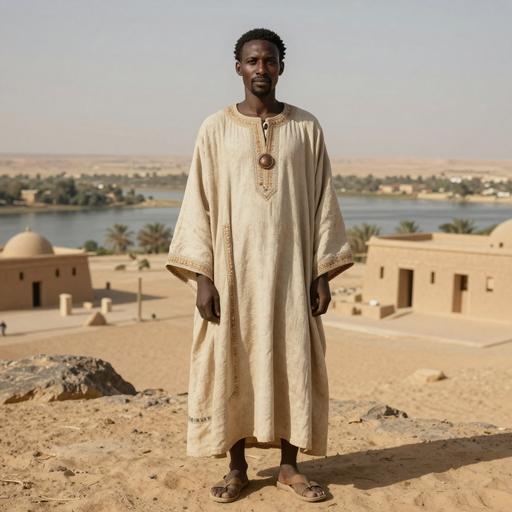
The Story
The journey of mtDNA haplogroup L1C3A1
Origins and Evolution
mtDNA haplogroup L1C3A1 is a downstream clade of L1c3a, itself a lineage that diversified within Central/West-Central African rainforest zones. Based on the phylogenetic position of L1c3a and observed diversity in modern and ancient samples, L1C3A1 most likely arose in the early Holocene (several thousand years after the initial L1c3 diversification). Its origin is best explained by localized differentiation within long-standing maternal lineages of rainforest foragers, with subsequent limited spread through gene flow and admixture with neighboring agriculturalist groups.
Subclades (if applicable)
L1C3A1 is an intermediate/subspecific clade under L1c3a. As with many African mtDNA subclades, fine-scale downstream structure may exist but is often under-sampled in published datasets; few well-documented, deeply divergent child branches have been robustly defined in the literature. Where present, substructure tends to reflect microgeographic differentiation among forest hunter-gatherer groups and pockets of retention following admixture with Bantu-speaking populations.
Geographical Distribution
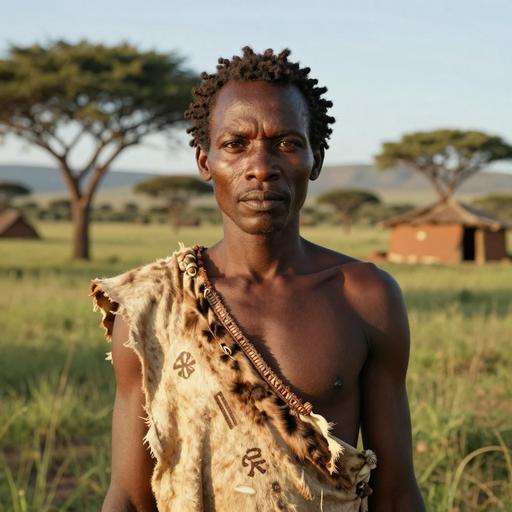
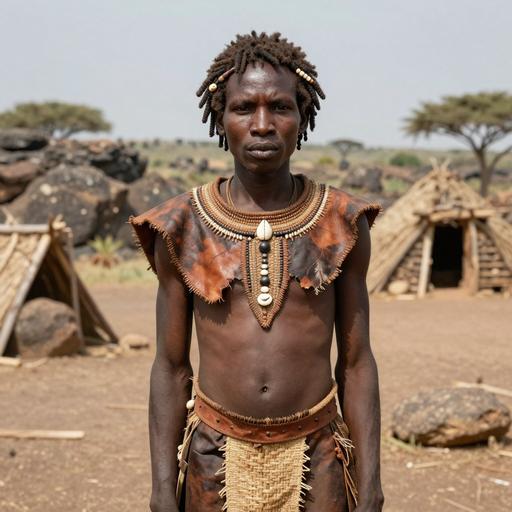
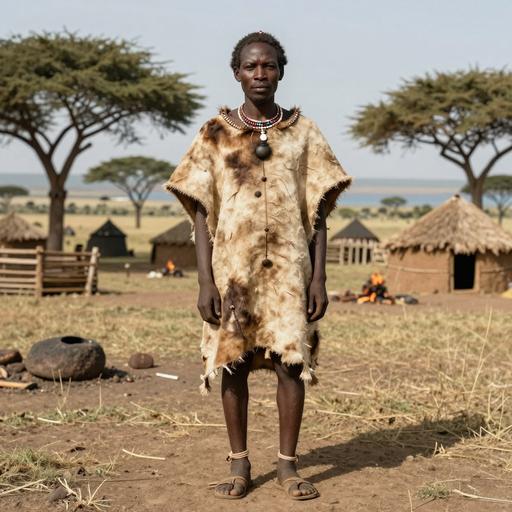
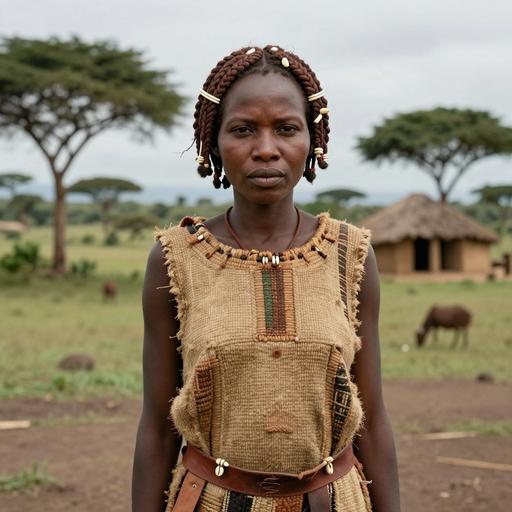
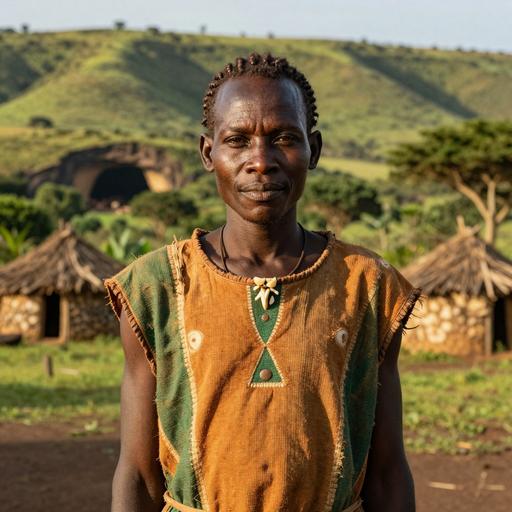
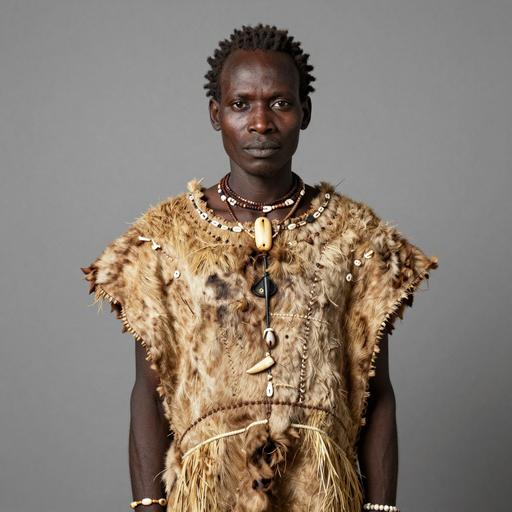
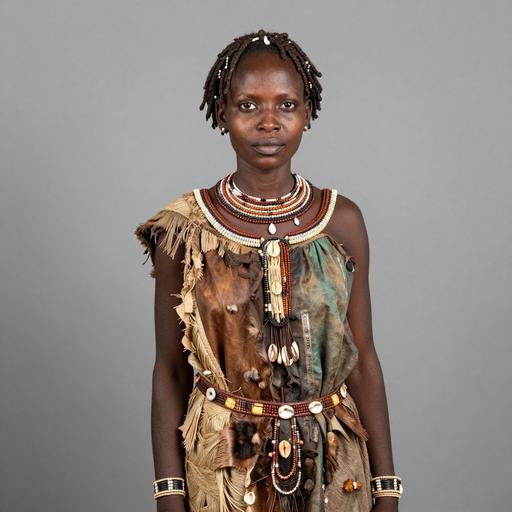
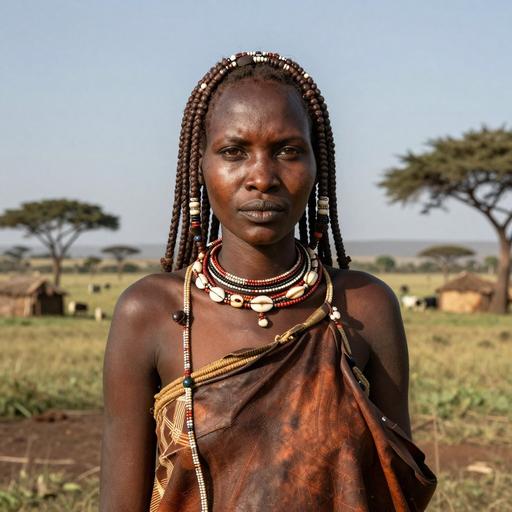
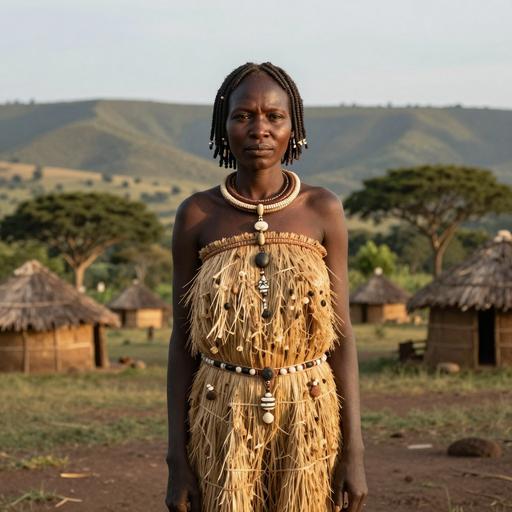
L1C3A1 shows its highest frequencies and greatest diversity in the Central African rainforest region, especially among groups traditionally classified as Pygmy (e.g., Mbuti, Aka, Baka), which indicates long-term maternal continuity in these populations. It also occurs at lower frequencies in nearby Bantu-speaking populations of Cameroon, Gabon, Republic of the Congo and the Democratic Republic of the Congo — a pattern consistent with maternal gene flow from foragers into expanding farmer populations. Lower-frequency detections in West African groups (e.g., Yoruba), occasional appearances in East African samples, and its presence in African-descended populations in the Americas reflect later admixture and the demographic consequences of the transatlantic slave trade.
Historical and Cultural Significance
The distribution of L1C3A1 contributes to our understanding of Central African demographic history: it documents deep maternal lineages that persisted through climatic changes of the late Pleistocene and early Holocene, and it highlights the genetic distinctiveness of rainforest hunter-gatherer communities. The haplogroup provides evidence for long-standing localized population structure in forest refugia and subsequent asymmetric admixture during the Holocene, especially during the Bantu expansion when farmer–forager interactions led to maternal lineage transfers into agriculturalist gene pools. L1C3A1 therefore serves as a marker for studying continuity of forager maternal ancestry, patterns of sex-biased admixture, and the impacts of recent historical movements (including the African diaspora).
Conclusion
L1C3A1 is a regionally important mtDNA lineage that captures a history of deep maternal continuity in Central African rainforests and later interactions with expanding populations. Continued sampling of underrepresented Central African groups and ancient DNA from Holocene contexts will refine the internal structure and timing of diversification for this clade, but current data consistently point to a forest-centered origin and a role in tracing forager–farmer demographic processes in the region.
Key Points
- Origins and Evolution
- Subclades (if applicable)
- Geographical Distribution
- Historical and Cultural Significance
- Conclusion