The Story
The journey of mtDNA haplogroup L1C3B
Origins and Evolution
mtDNA haplogroup L1C3B is a subclade of L1C3, itself a deep maternal branch of the African mtDNA tree. L1C3 likely diversified in Central/West-Central Africa during the Late Pleistocene (~25 kya), and L1C3B represents a later split within that diversity, with coalescence likely in the early Holocene (here estimated ~10 kya). The pattern is consistent with localized diversification within rainforest-adapted populations and subsequent limited gene flow into adjacent groups.
Mitochondrial lineages like L1C3B accumulate mutations on a maternal line and are informative for female-mediated demographic history. The phylogenetic position of L1C3B as a daughter clade of L1C3 implies a shared ancestral history with other L1C3 subclades but with its own geographic and demographic trajectory reflecting small-scale population structure typical of rainforest hunter-gatherers.
Subclades (if applicable)
L1C3B may contain further downstream variation identifiable by additional private mutations (nucleotide substitutions in the mtDNA control region or coding region). Published population surveys and full mitogenome sequencing are the primary ways such substructure is resolved; for many African lineages, expanded sampling often reveals additional minor subclades restricted to particular ethnic groups or regions. As an intermediate clade, L1C3B helps link the older L1C3 root to more recently derived local lineages.
Geographical Distribution
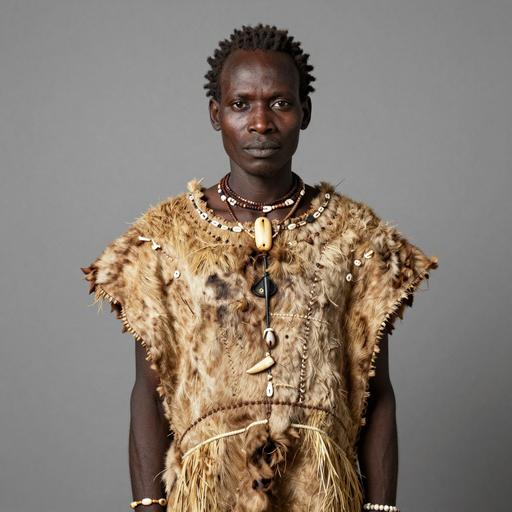
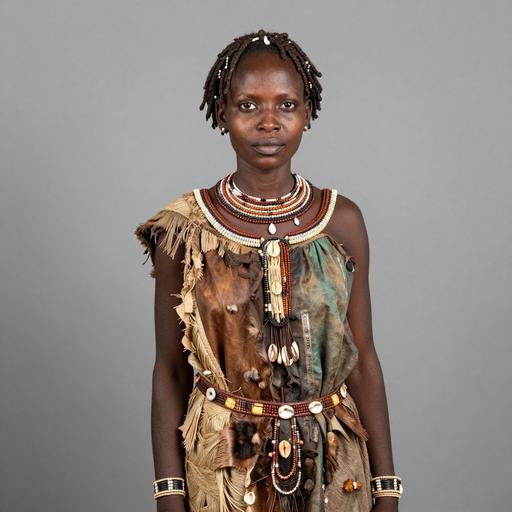
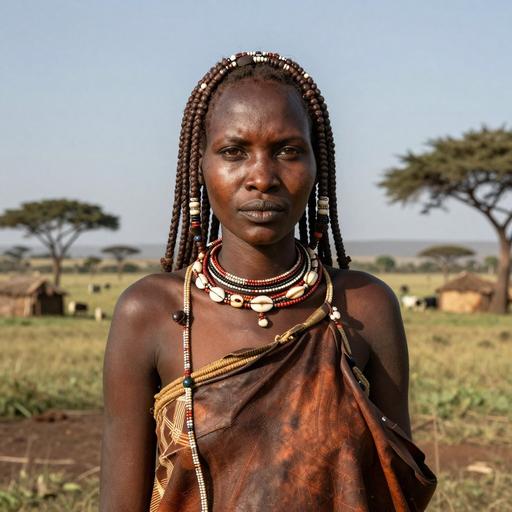
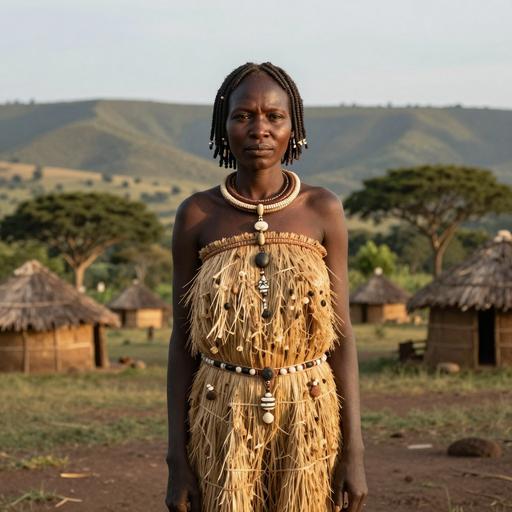
The highest frequencies of L1C3-derived lineages including L1C3B are found among Central African rainforest hunter-gatherers (commonly referred to as Pygmy groups) such as the Mbuti, Aka, and Baka. L1C3B is also detected at lower to moderate frequencies in neighboring Bantu-speaking populations in Cameroon, Gabon, Republic of the Congo and DR Congo, and as sporadic occurrences in West African groups (e.g., Yoruba) reflecting historical contacts and gene flow. Due to the transatlantic slave trade, L1C3-derived haplogroups appear at low frequencies in African-descended populations in the Americas (African American and Afro-Caribbean samples). Occasional detections farther afield (East Africa, North Africa, Middle East) are likely due to historical movement and admixture.
Historical and Cultural Significance
While mtDNA haplogroups are not direct markers of cultural identity, the distribution of L1C3B aligns strongly with populations practicing rainforest foraging economies and with groups that later experienced contact, assimilation, or exchange with expanding Bantu-speaking agriculturalists. The persistence of L1C3B within Pygmy groups underscores long-term maternal continuity in Central African rainforests despite demographic changes around them. Its presence at lower frequencies in Bantu-speaking populations reflects female-mediated gene flow during and after the Bantu expansion and later historical movements including the slave trade, which transmitted Central African maternal lineages to the Americas.
Conclusion
L1C3B is a regional, Holocene-aged maternal lineage branching from the older L1C3 stock, best characterized by its association with Central/West-Central African rainforest populations. It illustrates how mtDNA can preserve signatures of deep local continuity in small-scale hunter-gatherer societies while also recording episodes of gene flow into neighboring agricultural and recently admixed populations. Continued mitogenome sequencing and broader sampling in Central Africa will refine the internal structure and geographic limits of L1C3B and its sublineages.
Key Points
- Origins and Evolution
- Subclades (if applicable)
- Geographical Distribution
- Historical and Cultural Significance
- Conclusion