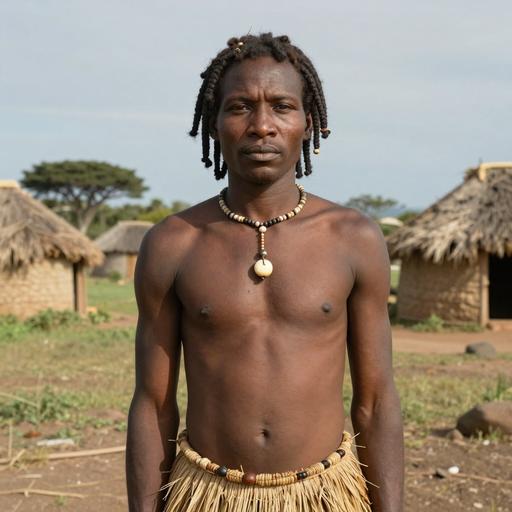
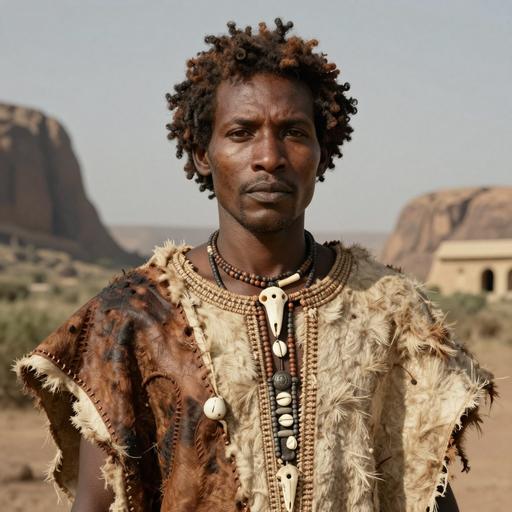
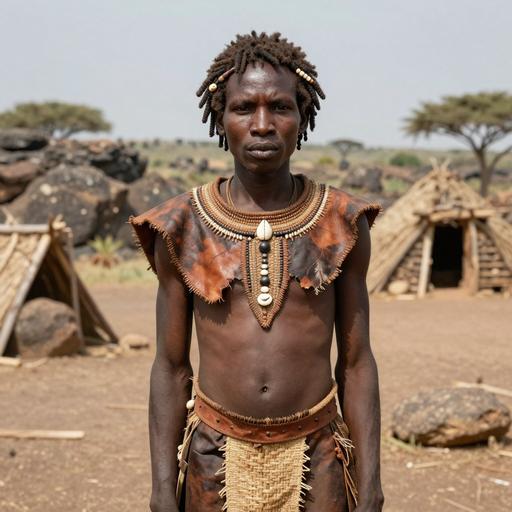
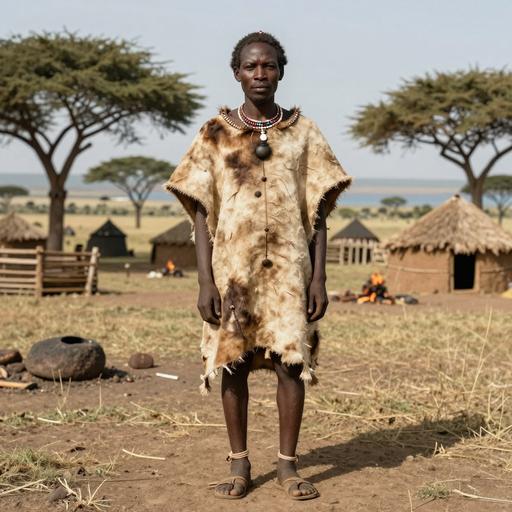
The Story
The journey of mtDNA haplogroup L2B1
Origins and Evolution
mtDNA haplogroup L2b1 is a derived branch within the broader L2b lineage of the African macro-haplogroup L2. The parent clade L2b has a Late Pleistocene origin in West/Central Africa (commonly dated ~25 kya), and L2b1 represents a younger diversification event most plausibly occurring in the early to mid-Holocene (coalescence estimate on the order of ~8–12 kya, here provisionally ~9 kya). The diversification of L2b1 is consistent with increased population structure and regional expansions in West and Central Africa during the Holocene, driven by climatic stabilization, the spread of food production and later demographic movements.
Genetically, L2b1 is defined by downstream coding-region and control-region mutations relative to L2b; in population surveys it is observed as one of several L2b-derived lineages that together contribute substantial maternal diversity across West and parts of Central Africa. As with many African mtDNA subclades, exact age estimates depend on calibration method and dataset, but the phylogenetic position of L2b1 as a subclade of L2b places its origin well after the root of L2 and within the Holocene demographic timeframe.
Subclades (if applicable)
L2b1 may itself include further sub-branches identifiable by additional private mutations in full mitochondrial sequences. Published population-level sequencing has resolved multiple downstream branches within L2b overall (e.g., L2b1a, L2b2 in some nomenclatures), but the internal structure and nomenclature of L2b1 subclades remain subject to refinement as more whole-mtDNA genomes from West and Central African populations are analyzed. Where present, these subclades typically show localized geographic patterns reflecting regional maternal founder effects and recent demographic history.
Geographical Distribution
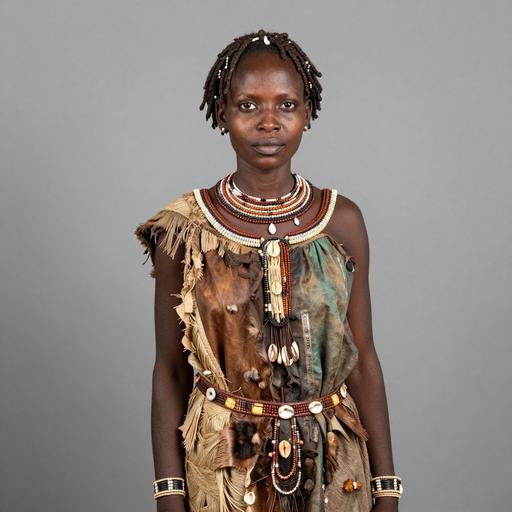
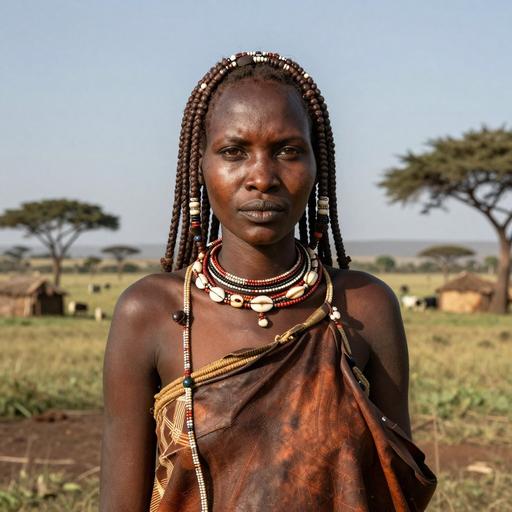
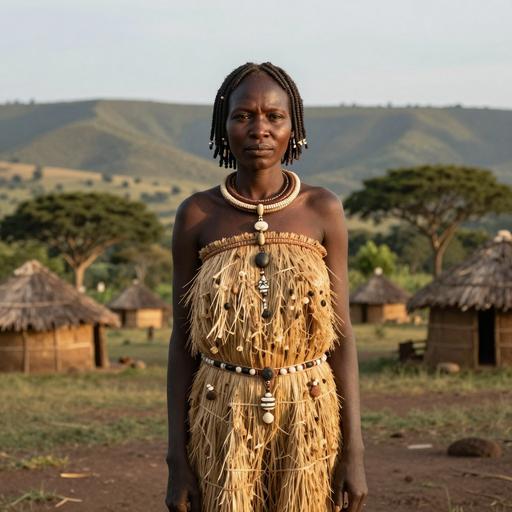
Primary range: West and parts of Central Africa. L2b1 is most frequently observed among West African groups (Yoruba, Akan, Mande-speaking peoples) and in some Central African populations (Kongo, Bantu-speaking groups in Cameroon/Angola).
Diaspora and admixture: L2b1 appears at lower frequencies in the African diaspora (Afro-Brazilian, African American, Afro-Caribbean communities) as a result of transatlantic slave trade removals from West/Central Africa. Low-frequency occurrences in North Africa and southern Europe are generally attributable to recent historical admixture rather than deep prehistoric presence.
Historical and Cultural Significance
L2b1 tracks maternal ancestries that were present in West/Central Africa through major Holocene demographic events. It is likely to have been carried by populations involved in:
- Local Holocene expansions of foraging-to-farming transitions and increasing regionalization of populations in West Africa.
- Later movements associated with the Bantu expansions (where L2 lineages, including L2b-derived lineages, spread with migrating groups in varying proportions), and with Sahelian and coastal population interactions.
- The historic Atlantic slave trade, which redistributed West/Central African maternal lineages worldwide, producing modern occurrences of L2b1 in the Americas and Atlantic islands.
Although mtDNA on its own does not reveal cultural identity, the geographic pattern of L2b1 frequencies complements archaeological and linguistic evidence for population movements in Holocene West/Central Africa.
Conclusion
L2b1 is a Holocene-aged maternal lineage derived from L2b with a primary distribution centered in West/Central Africa and detectable at lower frequencies in the African diaspora. Its phylogenetic position and geographic distribution make it a useful marker for studies of maternal ancestry, population structure, and historic translocations involving West and Central African populations. Continued whole-mtDNA sequencing in under-sampled African regions will refine the internal branching and age estimates for L2b1 and its subclades.
Key Points
- Origins and Evolution
- Subclades (if applicable)
- Geographical Distribution
- Historical and Cultural Significance
- Conclusion