The Story
The journey of mtDNA haplogroup L3D1A1A1
Origins and Evolution
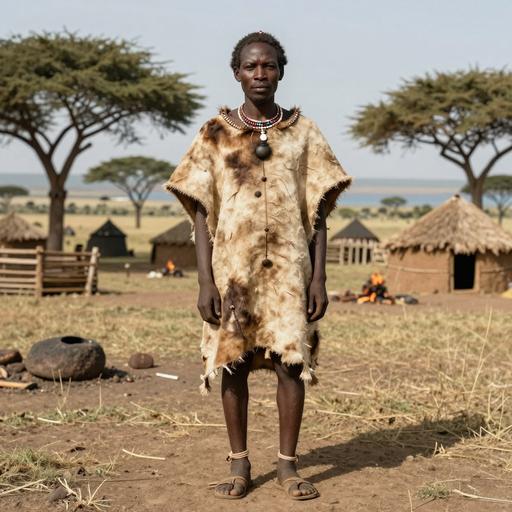
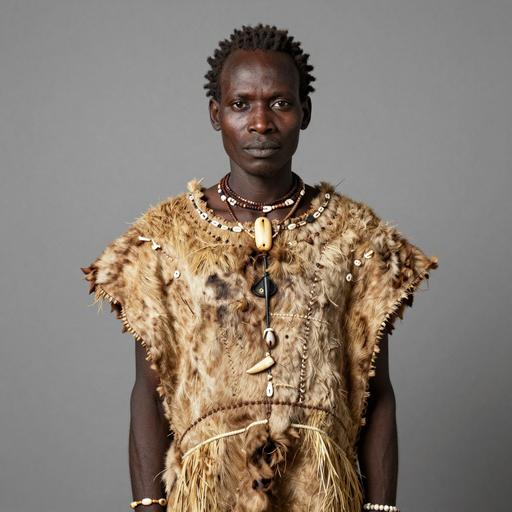
L3D1A1A1 sits as a terminal subclade within the L3D branch of macro-haplogroup L3. While macro-haplogroup L3 is an ancient African maternal lineage (with deep Pleistocene roots), the L3D sublineages represent much more recent diversification in the Holocene. Based on its phylogenetic position beneath L3D1A1A and on the time depth estimated for that parent clade, L3D1A1A1 most likely arose in West/Central Africa during the late Holocene (roughly the last 2–3 thousand years). Its emergence reflects localized maternal differentiation in a region with complex demographic interactions including Iron Age population movements, local regional expansions, and later historic-era translocations.
Subclades
As a named terminal subclade (L3D1A1A1), this lineage currently represents a fine-scale branch of L3D1A1A. At present it is treated as a terminal or very narrowly defined clade in published and curated phylogenies; further high-resolution mitogenomes from West and Central Africa (and from ancient DNA) may reveal downstream branches or closely related sister lineages. The parent clade L3D1A1A provides the immediate phylogenetic context and implies shared derived mutations that distinguish this cluster from other L3D sublineages.
Geographical Distribution
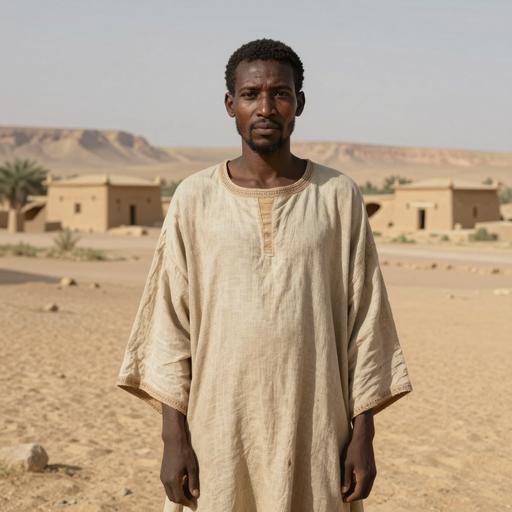
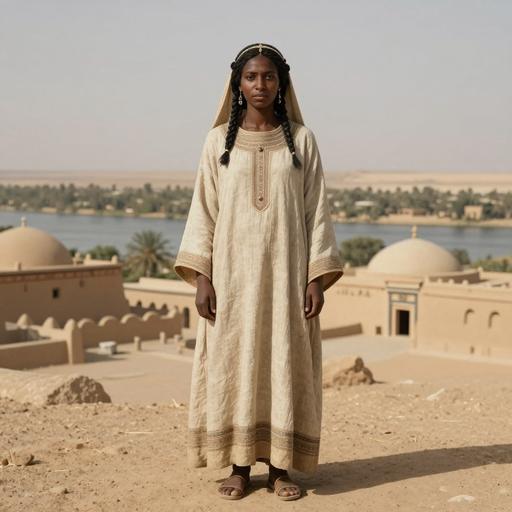
The distribution of L3D1A1A1 is concentrated in West and Central Africa, with spillover at low frequencies into neighboring regions and among the African-descended populations of the Americas. Modern sampling finds the haplogroup most frequently among populations in the West African coastal zone and adjacent Central African populations, and it also appears in African diaspora groups due to the transatlantic slave trade. Low-frequency occurrences in North Africa, the Middle East, and some coastal East African groups reflect historical gene flow and mobility across the Sahara and along Indian Ocean trade routes. Two identified ancient DNA occurrences in available datasets support its presence in archaeological contexts, indicating it is not solely a modern phenomenon.
Historical and Cultural Significance
Although mtDNA lineages do not map one-to-one to archaeological cultures, the late-Holocene origin and present distribution of L3D1A1A1 link it to Iron Age and later demographic processes in West and Central Africa. It may have been carried by communities associated with regional Iron Age cultural expressions (for example, late Nok-associated spheres and later West African Iron Age populations) and later became incorporated into migratory events including Bantu-speaking expansions and historic-era movements. The haplogroup's presence in the Americas is a direct consequence of the transatlantic slave trade, making it a marker of maternal ancestry in African-descended populations of the Caribbean and the Americas and an informative lineage for studies of recent forced migrations and diasporic genetic heritage.
Conclusion
L3D1A1A1 is a geographically and temporally localized maternal lineage that illustrates how fine-scale mtDNA diversity accumulated in West/Central Africa during the late Holocene and was subsequently redistributed by both prehistorical regional movements and historical events. Continued sampling of modern mitogenomes across underrepresented African populations and expanded ancient DNA recovery from West and Central African archaeological contexts will refine its phylogenetic structure, age estimates, and historical geographic dynamics.
Key Points
- Origins and Evolution
- Subclades
- Geographical Distribution
- Historical and Cultural Significance
- Conclusion