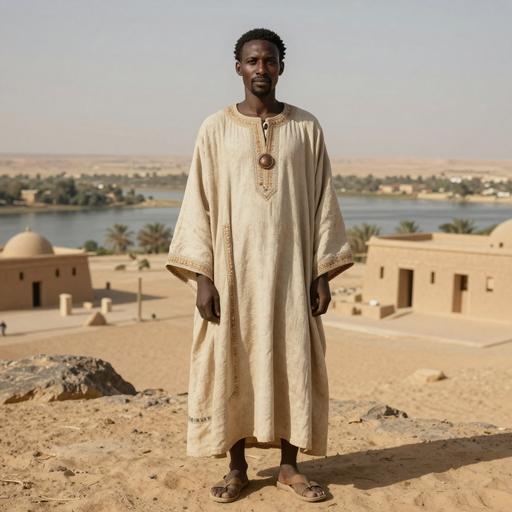
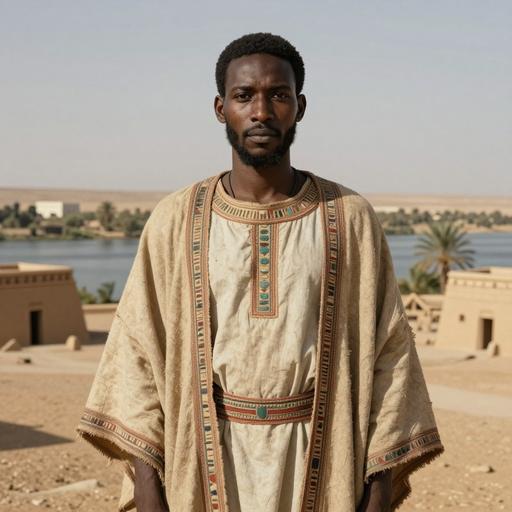
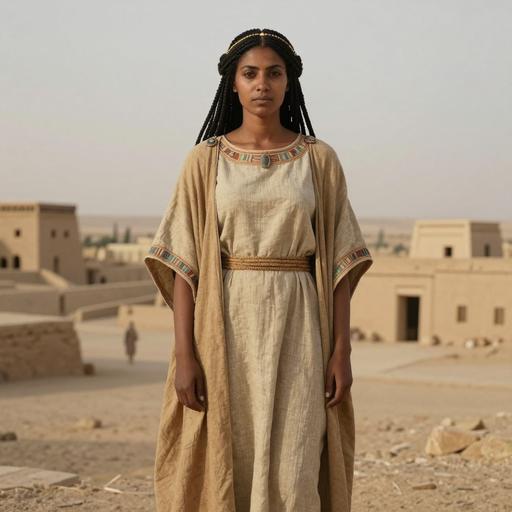
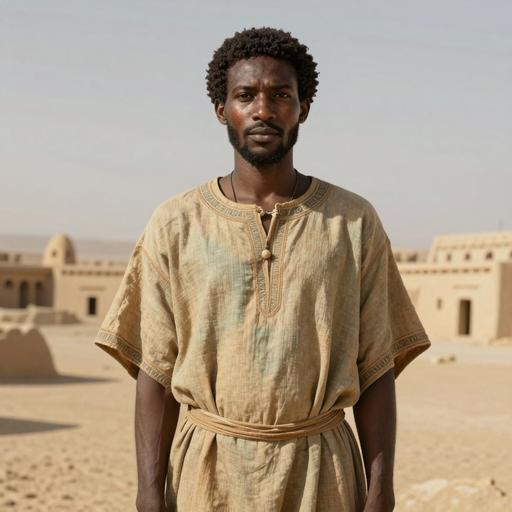
The Story
The journey of mtDNA haplogroup L3E1B2
Origins and Evolution
mtDNA haplogroup L3E1B2 is a downstream branch of L3E1B within the broader L3 macro-haplogroup that is predominantly African in distribution. Based on its phylogenetic position as a subclade of L3E1B and the estimated age of that parent lineage, L3E1B2 most plausibly originated in West or Central Africa during the early to mid-Holocene (several thousand years ago). The lineage is defined by derived mitochondrial mutations internal to L3E1B and represents one of several maternal lineages that diversified in the region after the Last Glacial Maximum as climates stabilized and human populations expanded and reorganized.
Subclades
As a subclade of L3E1B, L3E1B2 sits below L3E1B in the mtDNA phylogenetic tree. Specific internal sub-branches of L3E1B2 may exist in published or ongoing datasets, but the defining characteristic is that it shares the core L3E1B motif while carrying additional derived variants that distinguish it from sibling clades (for example, L3E1B1 or other L3E1B-derived lineages). Continued sampling in understudied West and Central African populations often reveals further internal structure in haplogroups like L3E1B2.
Geographical Distribution
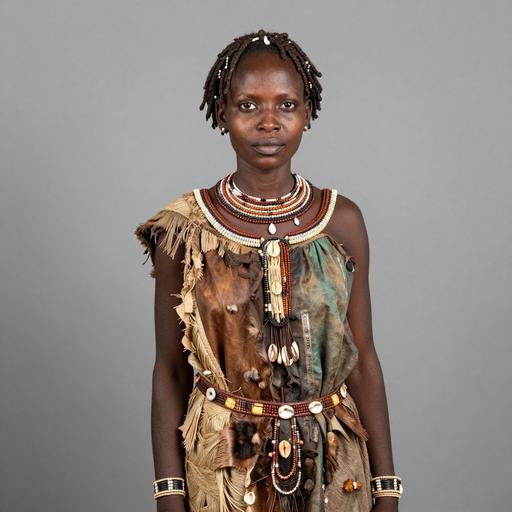
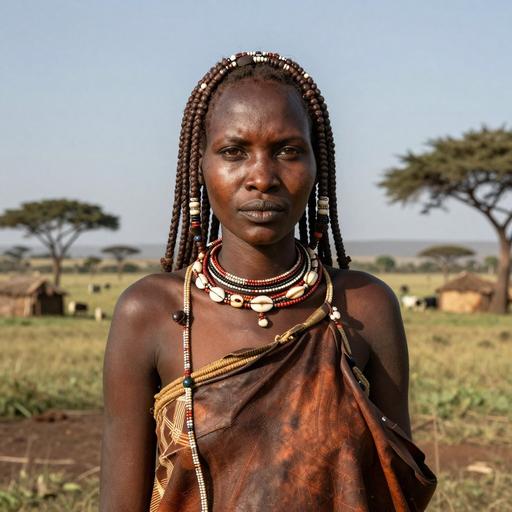
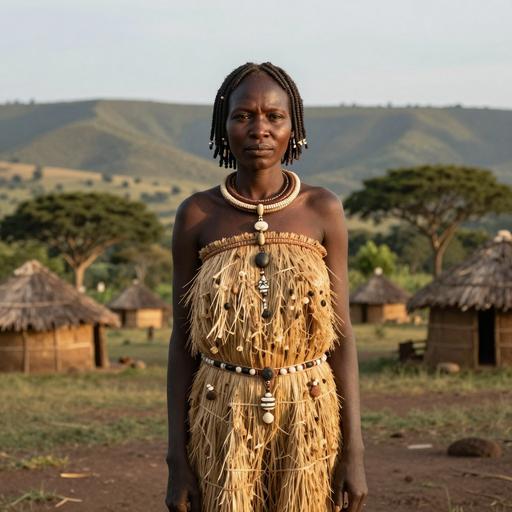
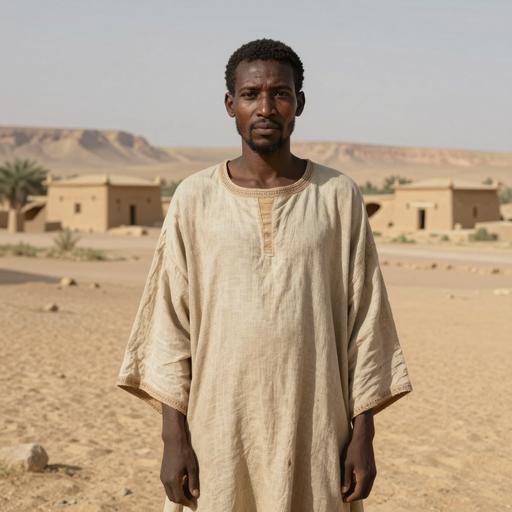
L3E1B2 is concentrated in West and Central Africa, where it appears at appreciable frequencies in coastal and inland West African groups and among Central African rainforest populations. The haplogroup is observed at lower but notable frequencies among Bantu-speaking communities across Central and Southern Africa, reflecting the spread of maternal lineages with Bantu-associated demographic movements. It is also present, at lower frequencies, in coastal East African groups with historical West/Central African admixture, in some North African and Near Eastern individuals due to historical contacts, and among African-descended communities in the Americas and the Caribbean as a result of the transatlantic slave trade. At least one ancient DNA individual carrying L3E1B2 has been reported in curated databases, supporting its presence in archaeological contexts within the last several thousand years.
Historical and Cultural Significance
The distribution of L3E1B2 closely follows major Holocene demographic processes in sub-Saharan Africa. The Bantu expansions (beginning roughly 3–5 kya in many models) redistributed many West/Central African maternal and paternal lineages — including L3E1B2 — throughout Central, Eastern, and Southern Africa. In later historical periods, movements associated with trade, slave raiding, and the Atlantic slave trade transported West and Central African maternal lineages to the Americas and the Caribbean. Within West and Central Africa, L3E1B2 coexists with a diversity of other L-lineages (e.g., L0, L1, L2, and other L3-derived clades) and typically co-occurs with paternal haplogroups that are common in the region, such as Y-DNA E1b1a (E-M2).
Conclusion
L3E1B2 is a regional West/Central African maternal lineage that illustrates how Holocene demographic events reshaped the distribution of mitochondrial diversity in Africa and beyond. While highest in frequency in West and Central African source populations, its presence in Bantu-speaking communities, in the African diaspora, and in low frequencies outside Africa reflects both prehistoric population expansions and more recent historical movements. Ongoing sampling and ancient DNA work in underrepresented regions will further clarify the internal branching and temporal dynamics of L3E1B2.
Key Points
- Origins and Evolution
- Subclades
- Geographical Distribution
- Historical and Cultural Significance
- Conclusion