The Story
The journey of mtDNA haplogroup T2F2
Origins and Evolution
mtDNA haplogroup T2F2 is a downstream subclade of T2F, which itself derives from the broader T2 branch of the JT macro-lineage. Based on the phylogenetic position of T2F2 relative to T2F and the broader T2 time depth, the most parsimonious scenario places the origin of T2F2 in the Near East or adjacent eastern Mediterranean during the early to mid-Holocene (several thousand years after the Last Glacial Maximum). This timing is consistent with differentiation occurring during or shortly after the initial expansion of early farming populations and subsequent regional demographic processes.
Mutational evidence from complete mtDNA sequences (where available) shows that T2F2 carries a small number of diagnostic coding-region and control-region mutations that distinguish it from other T2 subclades. However, T2F2 remains rare in modern databases and only a limited number of full mitogenomes have been published; continued sequencing is required to resolve fine-scale phylogeography and any internal substructure.
Subclades (if applicable)
At present, T2F2 is recognized as a distinct leaf under T2F with limited downstream diversity in public databases. Few or no well-documented internal subclades (e.g., T2F2a/T2F2b) have been robustly established in the peer-reviewed literature, largely because of low sample counts and sparse whole-mitogenome sampling. As sequencing of additional complete mitogenomes from Mediterranean, Near Eastern, and European populations increases, it is likely that minor downstream branches will be defined and age estimates refined.
Geographical Distribution
T2F2 shows a Mediterranean–Near Eastern focal distribution with secondary occurrence in parts of Europe and North Africa. Modern occurrences are concentrated in:
- Southern Europe (Italy, Iberia, the Balkans) and parts of Central and Eastern Europe at low-to-moderate frequencies.
- The Levant and Anatolia where T2-derived lineages originated and diversified in the Holocene.
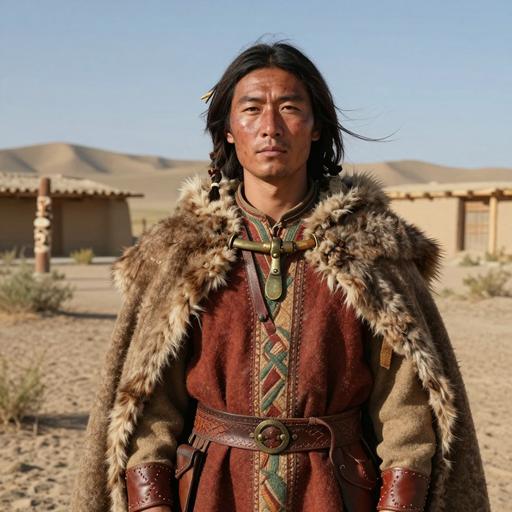
- Low-frequency detections in North Africa, the Caucasus, and pockets of Central Asia, often reflecting historical gene flow across the Mediterranean and Near East.
- Some Jewish populations (including Ashkenazi and other Levantine-descended groups) where founder effects and historical demographic events can increase the local visibility of otherwise rare maternal lineages.
Only a small number of ancient DNA hits for T2F2 have been reported (the user-supplied database indicates a single ancient sample), which suggests either a historically low frequency or undersampling in ancient datasets. The pattern is compatible with dispersal via Neolithic farmers from Anatolia/Levant into Europe and later localized survival or drift in Mediterranean populations.
Historical and Cultural Significance
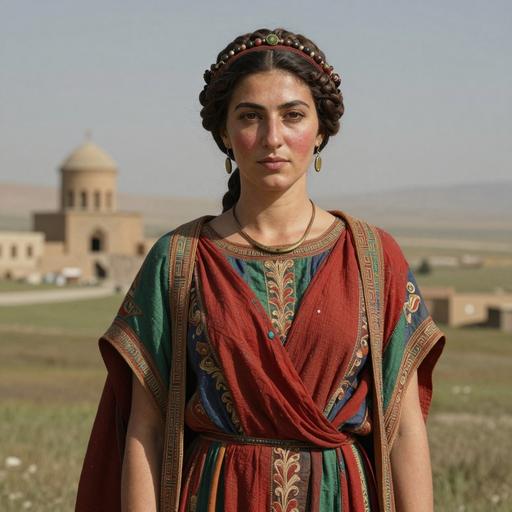
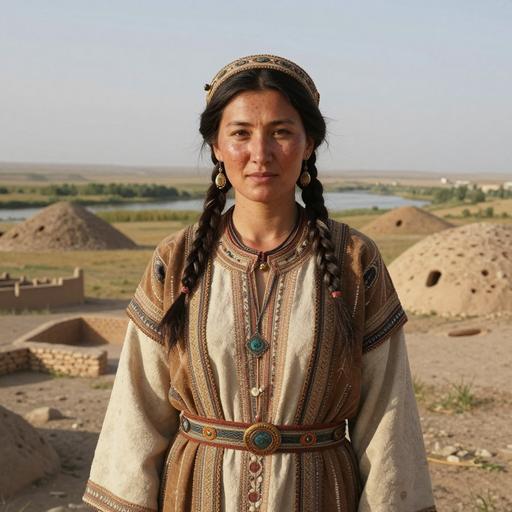
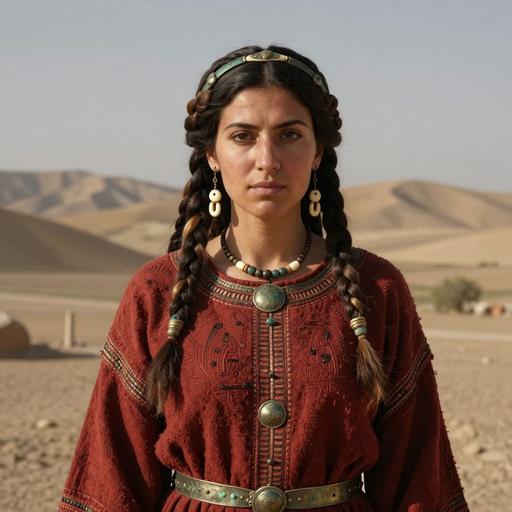
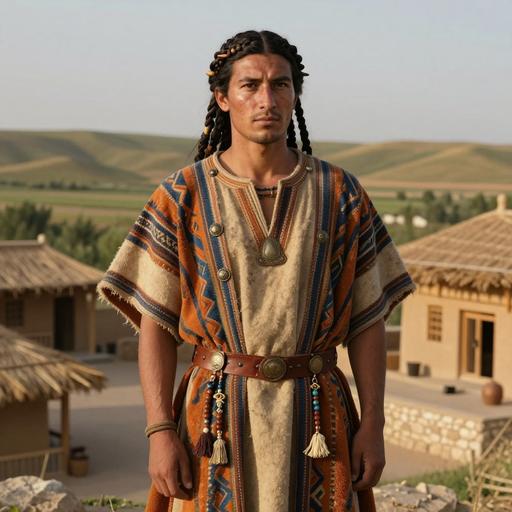
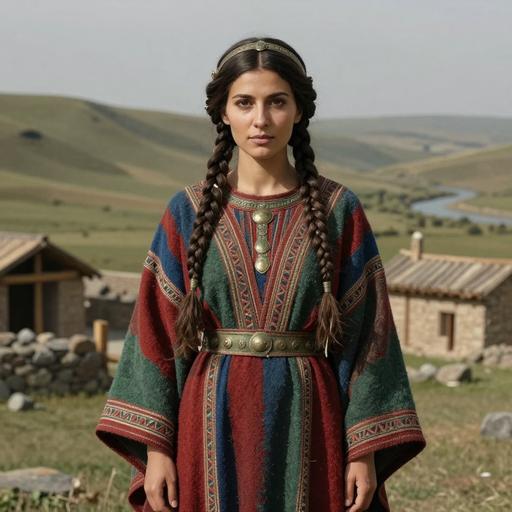
Because of its timing and geographic placement, T2F2 is most plausibly associated with Neolithic demographic expansions originating in western Asia and spreading agricultural practices into Europe. It is reasonable to consider T2F2 part of the maternal legacy of early farmers who carried a diverse set of Near Eastern mtDNA lineages into the Mediterranean and temperate Europe.
In later periods, low-frequency presence in North Africa and the Caucasus may reflect historical trade, migration, and gene flow across the Mediterranean and across Anatolia and the Caucasus. The occasional enrichment of T2F2 in specific Jewish or island communities can reflect founder effects, endogamy, or historical bottlenecks rather than large-scale migrations specifically tied to the clade.
Conclusion
T2F2 is a geographically focused, low-frequency mtDNA lineage that helps illustrate the complexity of maternal ancestry in the Near East–Mediterranean–European nexus. It likely arose in the early to mid-Holocene from T2F in the Near East or eastern Mediterranean and moved into Europe with Neolithic farmers, persisting in modern populations at low levels and appearing sporadically in ancient samples. Increased sampling of complete mitogenomes from targeted regions and archaeological contexts will be necessary to refine its age, internal structure, and finer-scale migration history.
Key Points
- Origins and Evolution
- Subclades (if applicable)
- Geographical Distribution
- Historical and Cultural Significance
- Conclusion