The Story
The journey of mtDNA haplogroup U2B1
Origins and Evolution
mtDNA haplogroup U2B1 is a subclade of U2B, itself a branch of the broader haplogroup U2. The parent clade U2B traces deep maternal ancestry to the Late Upper Paleolithic and Last Glacial Maximum in South Asia and adjacent West Eurasia; U2B1 represents a more recent diversification likely occurring in the Late Pleistocene to early Holocene (roughly the terminal Pleistocene to early Holocene, here estimated around ~12 kya). The phylogenetic position of U2B1 as a daughter of U2B places it within the suite of maternal lineages that contributed to the post-glacial re-expansion and local diversification of populations in South Asia and parts of Central Asia.
Genetic patterns indicate that U2B1 emerged after the initial spread of U2 lineages in South Asia, undergoing local differentiation in regional maternal pools. Its rarity outside South Asia and Central Asia implies limited large-scale migration events carrying it into western Eurasia; sporadic western occurrences likely reflect low-frequency gene flow or isolated ancient dispersals.
Subclades
U2B1 itself may contain regional sublineages defined by private mutations found in particular populations, but it is comparatively less diverse in published datasets than older U2 subclades. Where denser mtDNA sequencing has been performed, researchers sometimes identify local variants within U2B1 that point to region-specific founder effects in tribal and caste groups of the Indian subcontinent and in some Central Asian groups.
Geographical Distribution
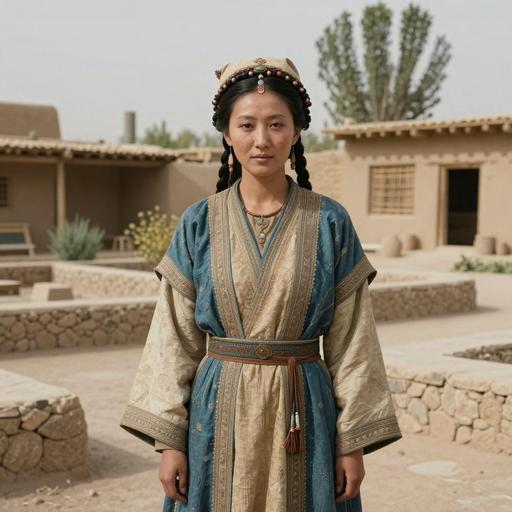
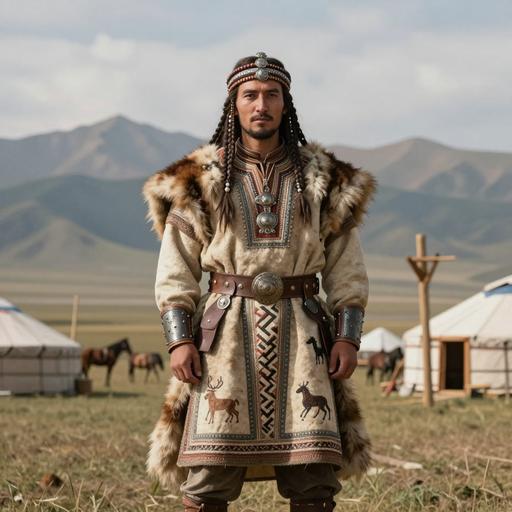
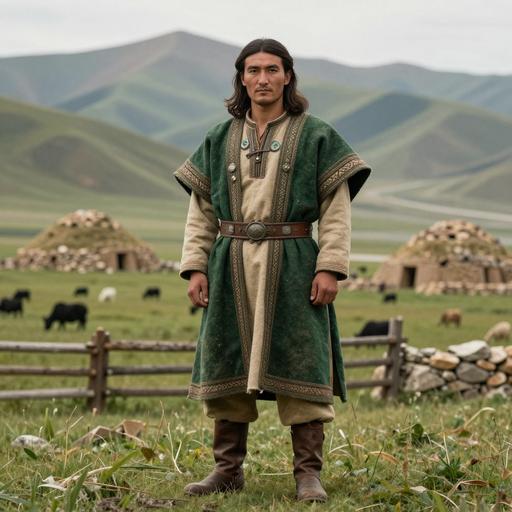
Primary concentrations of U2B1 are in the Indian subcontinent (both caste and tribal groups), with secondary presence in Pakistan and parts of Central Asia (e.g., Uzbek, Turkmen, Kazakh-related groups). Low-frequency occurrences appear in the Iranian Plateau and adjacent Near East, and sporadic instances have been reported in eastern and central Europe and North Africa, consistent with low-level westward gene flow or historical mobility. Ancient DNA recovery of U2B1 is uncommon but has been reported in at least one archaeological context, supporting its antiquity in West Eurasia/South Asia.
Historical and Cultural Significance
U2B1's distribution suggests it reflects deep maternal continuity in South Asia through the Mesolithic, Neolithic, and later periods. In South Asia it appears across multiple social strata (tribal and caste), implying an ancient presence predating later cultural stratifications. Its presence in Central Asia and occasional Near Eastern/European finds may reflect prehistoric connections (small-scale movements, trade, or population contacts) rather than major demographic replacements. Because U2B1 is not a high-frequency marker of any single well-known archaeological culture in Europe (e.g., Bell Beaker, Corded Ware), its cultural associations are strongest in the context of South Asian prehistory and regional population continuity rather than pan-Eurasian Bronze Age migrations.
Conclusion
U2B1 is a geographically focused maternal lineage that documents part of the deep Paleolithic–Holocene maternal heritage of South Asia with peripheral extensions into Central and West Eurasia. Its pattern—moderate presence in South Asia, lower frequency farther west—fits a model of local diversification from an older U2B stock followed by limited dispersal events. Continued dense mitogenome sequencing and improved ancient DNA sampling across South Asia and West Eurasia will clarify the finer-scale substructure and migration history of U2B1.
Key Points
- Origins and Evolution
- Subclades
- Geographical Distribution
- Historical and Cultural Significance
- Conclusion