The Story
The journey of mtDNA haplogroup U5A1A2
Origins and Evolution
mtDNA haplogroup U5A1A2 is a downstream subclade of U5a1a (itself nested within U5a and the broader U5 clade). U5 lineages are among the oldest and most characteristic maternal lineages of post‑glacial Europe. Based on the parentage (U5a1a estimated ~12 kya) and its phylogenetic position, U5A1A2 most likely coalesced in the early Holocene (approximately ~11 kya), during or shortly after the Late Glacial to early Mesolithic recolonization of northern and northeastern Europe.
This lineage reflects the diversification of maternal lineages that accompanied the expansion and local continuity of Mesolithic hunter‑gatherer groups. The limited number of downstream branches and low to moderate modern frequencies suggest a pattern of regional persistence with occasional local founder effects rather than a wide, high‑frequency demographic expansion.
Subclades (if applicable)
As a specific subclade (U5A1A2), it is one of several fine‑scale branches derived from U5a1a. Where sampled, U5A1A2 shows limited further subdivision in published datasets, indicating either a relatively recent origin compared with deeper U5 branches or that downstream diversity remains undersampled. Its immediate parent, U5a1a, and sister lineages within U5a1 provide the broader context of post‑glacial northern European maternal diversity.
Geographical Distribution
U5A1A2 is primarily concentrated in Northern and Northeastern Europe, with highest representation among Scandinavian populations and some indigenous northern groups (notably the Saami) and Baltic groups. It also appears at lower frequencies across Central and Western Europe and has sporadic occurrences reported from the Caucasus and North Africa in modern databases—these peripheral occurrences likely reflect later movements, admixture, or low‑frequency drift rather than primary centers of origin.
Ancient DNA evidence for U5a lineages in Mesolithic and early Holocene Europe is well established; for U5A1A2 specifically, archaeological hits are rarer in public datasets (the dataset referenced includes one identified ancient sample), consistent with a pattern where some fine subclades are detectable only infrequently in ancient remains due to sampling density and preservation.
Historical and Cultural Significance
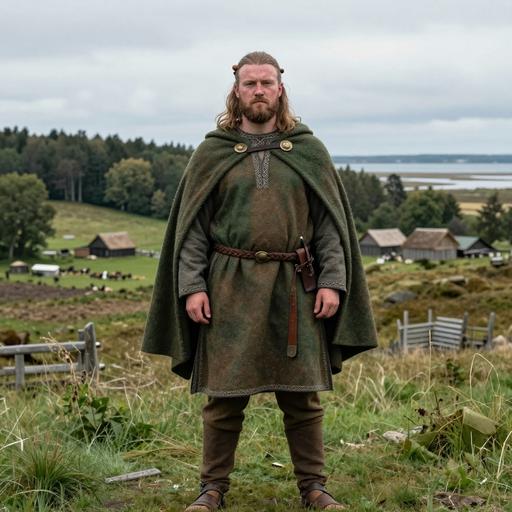
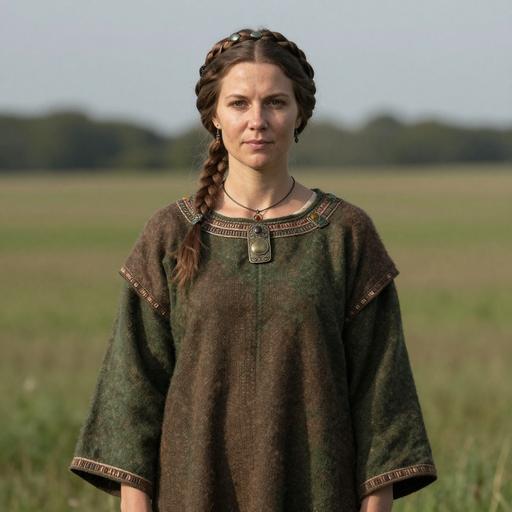
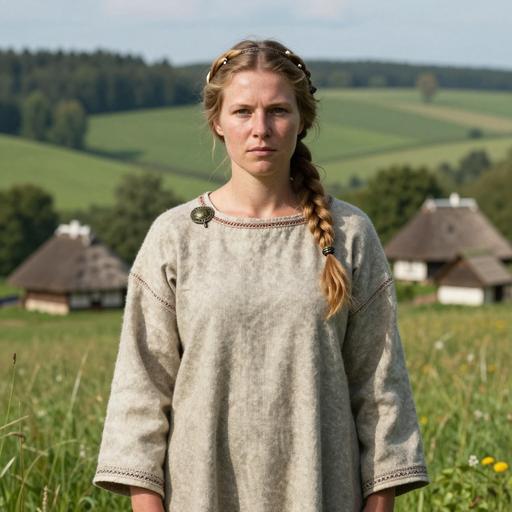
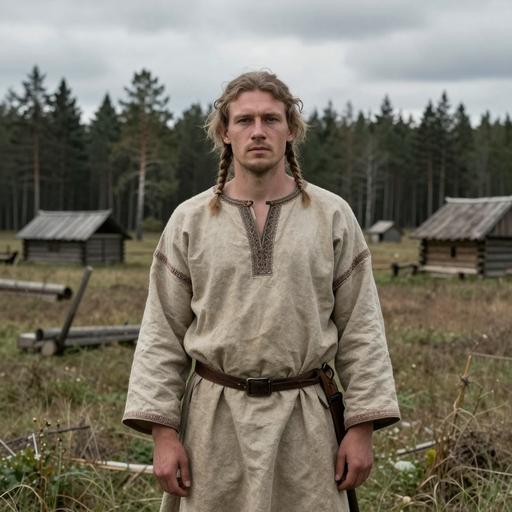
U5A1A2 should be interpreted in the context of post‑glacial Mesolithic continuity across northern Europe. Maternal lineages of the U5a branch are repeatedly observed in Mesolithic hunter‑gatherer contexts and in early Holocene coastal and forest hunter‑gatherer assemblages. Over time, these maternal lineages were incorporated into expanding Neolithic farmer and later Bronze Age societies, producing the patchy modern distribution of U5A1A2.
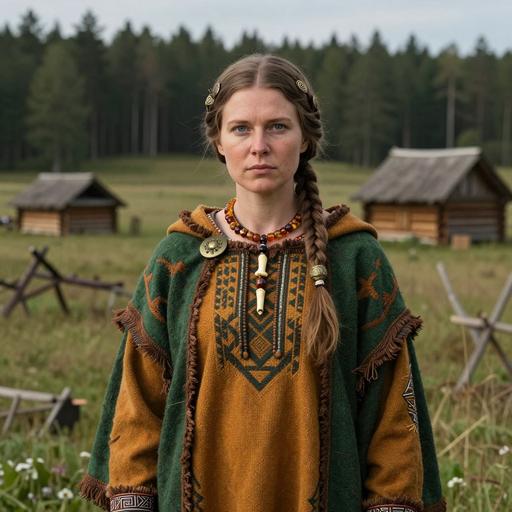
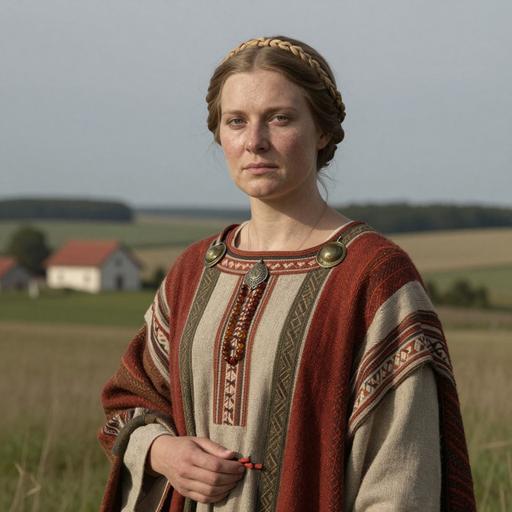
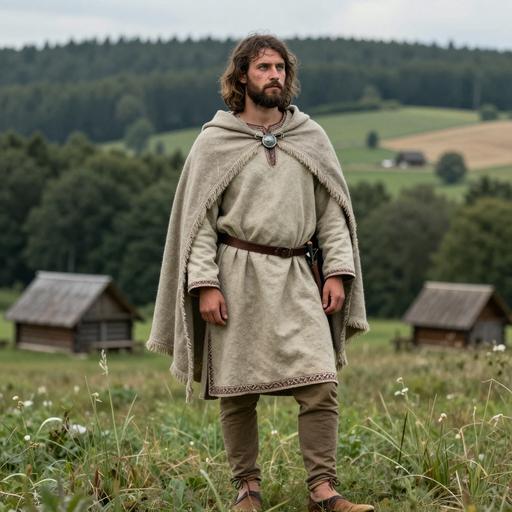
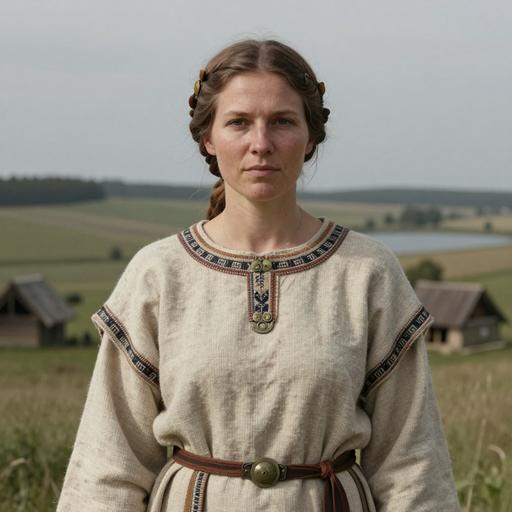
Culturally, U5a sublineages are tied to populations that practiced hunting, fishing, and foraging in post‑glacial northern environments and later became part of the genetic substrate of Baltic, Scandinavian, and some northwestern Russian groups. Elevated frequencies of related U5a lineages among the Saami and some northern Scandinavian communities reflect both deep continuity and later genetic drift/founder effects.
Conclusion
U5A1A2 is a regional, post‑glacial maternal lineage of Northern–Eastern Europe that typifies the long‑term presence of U5a‑derived maternal ancestry in northern Europe. It highlights the mosaic of maternal lineages formed during the Mesolithic and persisting into modern northern European populations; its relatively low observed ancient frequency emphasizes the need for further ancient sampling to fully resolve its antiquity and microevolutionary history.
Key Points
- Origins and Evolution
- Subclades (if applicable)
- Geographical Distribution
- Historical and Cultural Significance
- Conclusion