The Story
The journey of mtDNA haplogroup U5A1D1
Origins and Evolution
U5A1D1 is a maternal lineage nested within U5a1 → U5A1D, itself part of the broader U5 clade that is widely recognized as a hallmark of European hunter‑gatherer maternal ancestry. U5 emerged during the Upper Paleolithic, while the U5a1 branch expanded after the Last Glacial Maximum. Based on its phylogenetic position beneath U5A1D and archaeological occurrences, U5A1D1 most likely originated in northern or northeastern Europe in the early Holocene (~10 kya) as populations that had persisted locally after the LGM diversified in the improving post‑glacial climate.
Several independent lines of evidence support this scenario: (1) the parent clade U5a1 is strongly associated with Mesolithic hunter‑gatherers in northern and eastern Europe, (2) modern concentrations of U5A1D sublineages are highest among indigenous northern populations (notably the Saami), and (3) U5A1D1 has been identified in multiple ancient DNA samples (eight samples in the user's database), indicating an archaeological presence that traces back to early Holocene contexts.
Subclades
As a terminal or near‑terminal subclade, U5A1D1 itself may have limited additional named downstream branches in current public phylogenies; however, local diversification within northern and eastern Europe is plausible. Where present, minor downstream branches likely reflect micro‑regional founder effects and drift in small, often isolated communities (for example, island or upland pockets in Scandinavia and the Baltic region).
Geographical Distribution
The modern and ancient distribution of U5A1D1 is centered on northern and northeastern Europe, with the strongest signals among:
- Saami and other indigenous northern European groups (Scandinavia, northern Finland) where U5a sublineages in general reach elevated frequencies.
- Baltic populations (Latvia, Lithuania, Estonia), reflecting Mesolithic and post‑Mesolithic continuity in the eastern Baltic basin.
- Northwestern Russia and adjacent parts of Belarus, consistent with eastern refugia and post‑glacial recolonization routes.
Lower frequency occurrences are recorded across central and western Europe, and occasional, likely secondary, appearances occur in the Caucasus and North Africa (the latter probably due to later movements and gene flow).
Historical and Cultural Significance
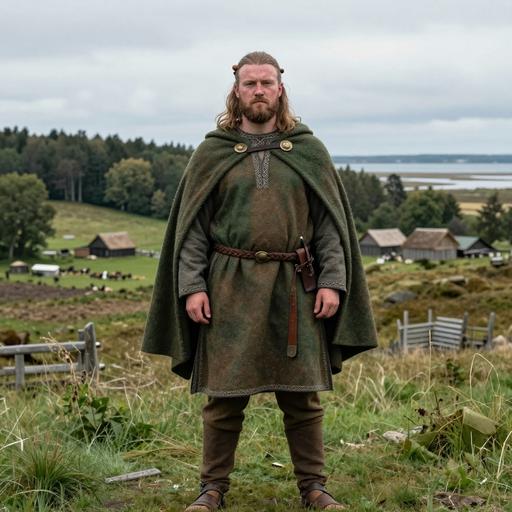
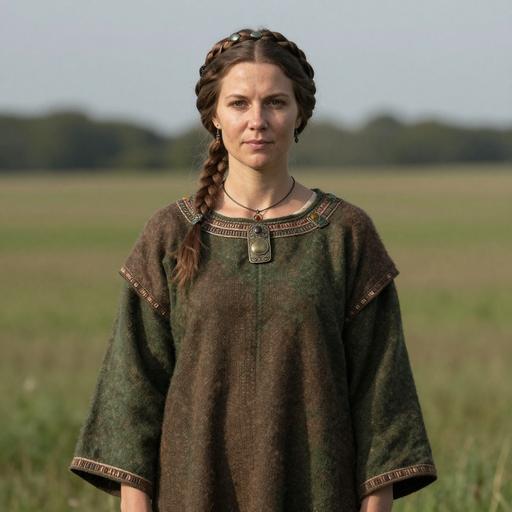
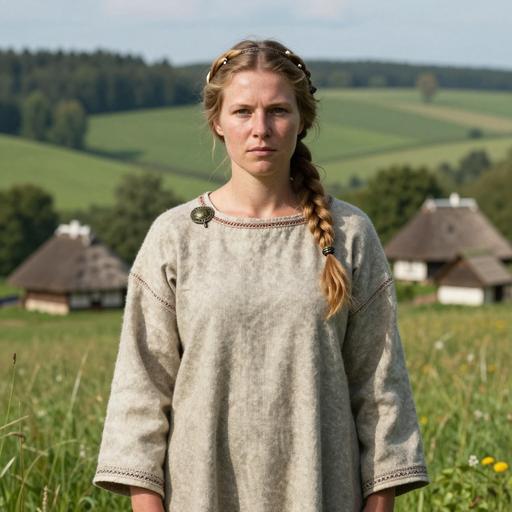
U5A1D1 is best understood in the context of Mesolithic persistence and continuity in northern Europe rather than as a marker of major Neolithic farming expansions. Its presence in Mesolithic and later archaeological samples links it to hunting‑foraging populations that occupied northern landscapes after the LGM. Archaeological cultures and contexts relevant to the lineage include Mesolithic groups (e.g., Kunda‑type and other Baltic/Scandinavian hunter‑gatherers), with continued representation in later hunter‑gatherer contexts such as Pitted Ware and sometimes in Neolithic and Bronze Age assemblages through continuity or admixture.
Because maternal lineages like U5A1D1 can be preserved through small, long‑lived maternal founder effects, the haplogroup has particular anthropological relevance for reconstructing local continuity, founder events, and the demographic dynamics of northern Eurasian populations, including the ethnogenesis of groups like the Saami.
Conclusion
U5A1D1 represents a localized branch of the broader European U5a1 Mesolithic heritage, likely originating in northern/eastern Europe in the early Holocene (~10 kya). Its modern distribution—highest among Saami and Baltic populations and lower but persistent elsewhere—reflects long‑term continuity, regional drift, and occasional later gene flow. Continued sampling of ancient DNA and high‑resolution mitogenomes will clarify its internal structure and finer‑scale demographic history.
Key Points
- Origins and Evolution
- Subclades
- Geographical Distribution
- Historical and Cultural Significance
- Conclusion