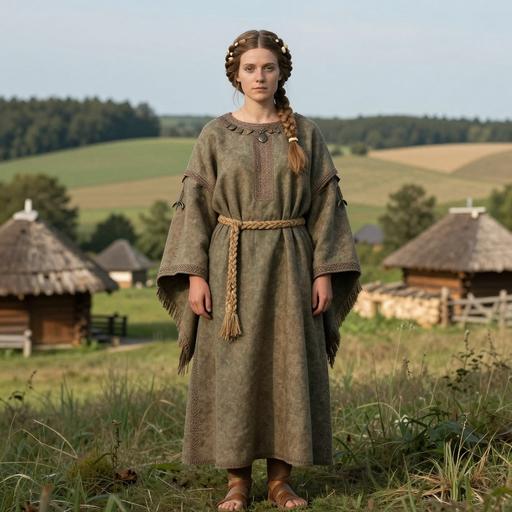
The Story
The journey of mtDNA haplogroup U5A1I1
Origins and Evolution
U5A1I1 is a downstream branch of U5a1i, itself a subclade of the wider U5 lineage that is widely recognized as one of the principal European hunter-gatherer maternal haplogroups. Based on its phylogenetic position and the age estimate of its parent clade, U5A1I1 most likely coalesced in Northern/Eastern Europe (Fennoscandia) during the early Holocene, roughly ~8 kya, reflecting local differentiation of Mesolithic maternal lineages after the Last Glacial Maximum and during postglacial recolonization of northern latitudes.
Subclades (if applicable)
U5A1I1 appears to be a relatively terminal, regionally restricted branch of U5a1i with limited downstream diversity documented so far. Ancient DNA evidence and modern sampling indicate a small number of derived lineages consistent with local founder effects and long-term continuity in high-latitude populations. As of current datasets, U5A1I (the immediate parent) contains U5A1I1 as a recognizable downstream branch; further substructure may be revealed with larger mitogenome sequencing efforts.
Geographical Distribution
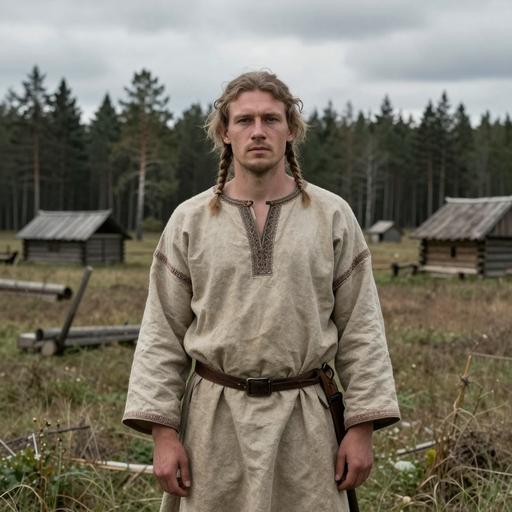
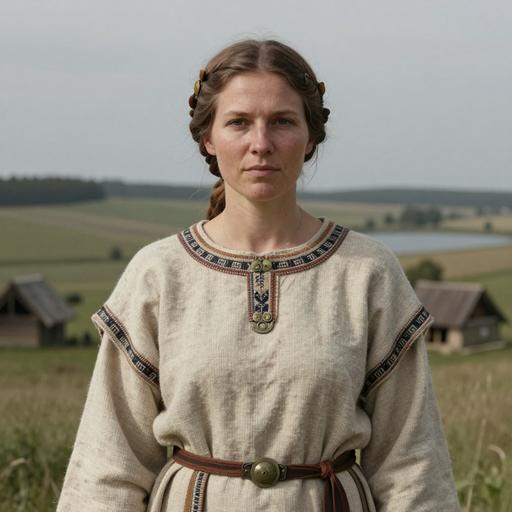
The distribution of U5A1I1 is concentrated in Fennoscandia and adjacent parts of northeastern Europe, with decreasing frequencies moving into the Baltic region, other parts of northern Europe, and sporadic low-frequency occurrences elsewhere (including small numbers reported in the Caucasus and very occasional finds in North Africa and western Europe). Modern frequency is highest among indigenous and historically isolated northern populations such as the Sámi, while broader Scandinavian and Baltic populations show lower but detectable frequencies. The clade has been observed in 9 ancient DNA samples in curated databases, supporting its presence in archaeological contexts across northern Europe.
Historical and Cultural Significance
Because U5a-derived lineages are strongly associated with Mesolithic hunter-gatherers of Europe, U5A1I1 is interpreted as part of the maternal legacy of postglacial populations that persisted through the Neolithic transition in northern latitudes. It is particularly enriched among groups with continuity from pre-Neolithic inhabitants (for example, Sámi and some Finnish and Baltic populations), indicating survival of local maternal ancestry despite cultural and demographic changes (e.g., the spread of farming, later Bronze and Iron Age movements).
Archaeologically, U5A1I1 and related U5a subclades are most plausibly linked to Mesolithic and early postglacial cultural contexts in Fennoscandia and the Baltic — for example, communities represented in local Mesolithic and Neolithic assemblages such as Comb Ware / Pit-Comb Ware and other hunter-gatherer-associated material cultures — rather than being a signature of large-scale farmer expansions.
Conclusion
U5A1I1 exemplifies a deeply European, high-latitude maternal lineage that likely differentiated in Fennoscandia during the early Holocene and remained a component of local maternal gene pools through time. Its pattern — regional concentration, low downstream diversity, and presence in both ancient and modern northern populations — supports interpretations of long-term maternal continuity in northern Europe and the importance of U5-derived haplogroups for reconstructing Mesolithic and postglacial population history in the region.
Key Points
- Origins and Evolution
- Subclades (if applicable)
- Geographical Distribution
- Historical and Cultural Significance
- Conclusion