The Story
The journey of mtDNA haplogroup U5B1D2
Origins and Evolution
U5B1D2 is a subclade of mitochondrial haplogroup U5B1D, itself nested within the deeply European clade U5. Haplogroup U5 is one of the oldest European maternal lineages associated with Mesolithic hunter‑gatherers; downstream subclades such as U5B1D emerged after the Last Glacial Maximum as human groups re‑expanded and differentiated in northern and central parts of Europe. Based on the phylogenetic position beneath U5B1D and observed archaeological occurrences, U5B1D2 most likely originated in Northern/Central Europe in the mid‑Holocene (on the order of ~4–6 kya), representing a later branching from the earlier U5B1D lineage (user-provided age ~8 kya).
Genetic evidence (modern frequency patterns and ancient DNA hits) supports a northern European provenance, with the lineage surviving at low to moderate frequency in modern northern populations and appearing intermittently in ancient samples from relevant regions. The presence in Sámi and other northern populations suggests continuity or repeated re‑introduction into high latitude groups.
Subclades (if applicable)
At present, U5B1D2 is treated as a fine‑scale terminal subclade under U5B1D. Because it is a derived branch of an already-derived U5 sublineage, its internal diversity is low relative to older clades and documented occurrences in published and curated ancient DNA datasets remain limited (the user notes 9 ancient samples). That limited ancient representation implies U5B1D2 either remained regionally restricted or has a sparse sampling history in archaeological genomics. Future mitogenomes and targeted sequencing in Scandinavia, the Baltic, and Saami contexts could reveal additional internal structure or younger subbranches.
Geographical Distribution
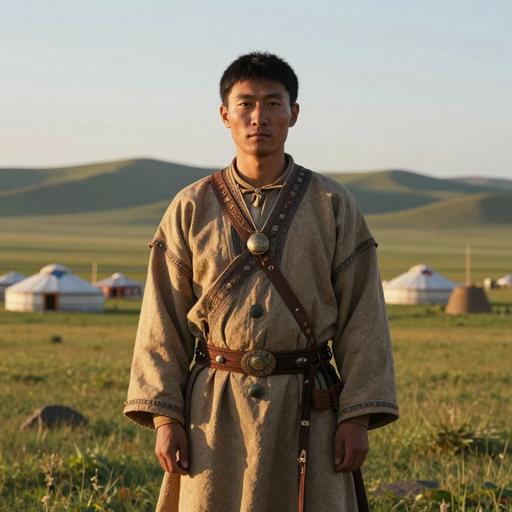
Modern distribution: U5B1D2 is most concentrated in northern Scandinavia and among Sámi groups, with measurable frequencies in broader Scandinavian populations (Norway, Sweden, Denmark). Low to moderate occurrences are reported in the British Isles and parts of Central and Eastern Europe (Poland, Germany, Baltic states, Russia). Rare occurrences have also been detected at low frequency in the Iberian Peninsula, some North African (Berber‑area) samples, and sporadically in the Caucasus, consistent with long‑range low‑frequency gene flow or historical movements.
Ancient DNA: The haplogroup appears in a small number of ancient samples (nine reported in the user dataset), consistent with a lineage that was present in northern Europe through the later Holocene but not highly frequent in every archaeological context sampled to date.
Historical and Cultural Significance
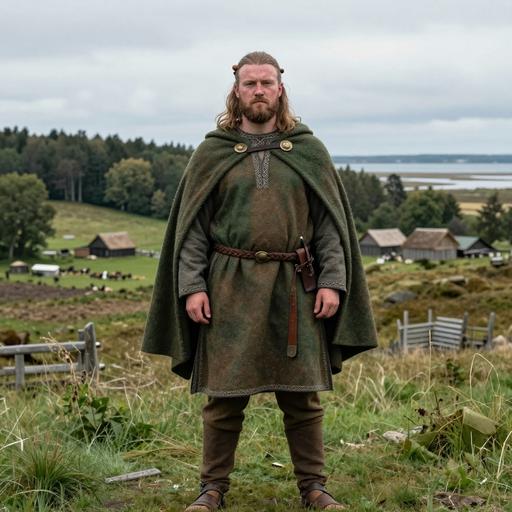
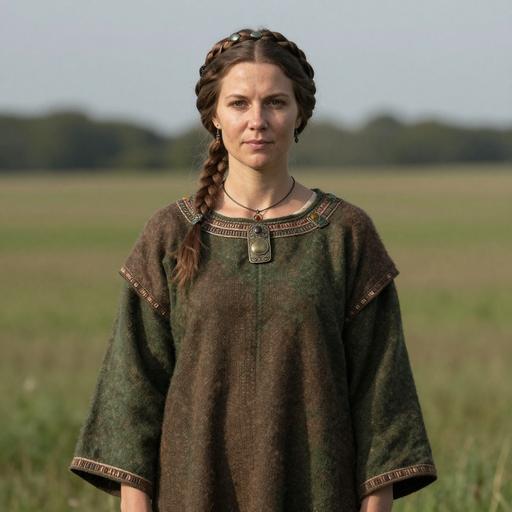
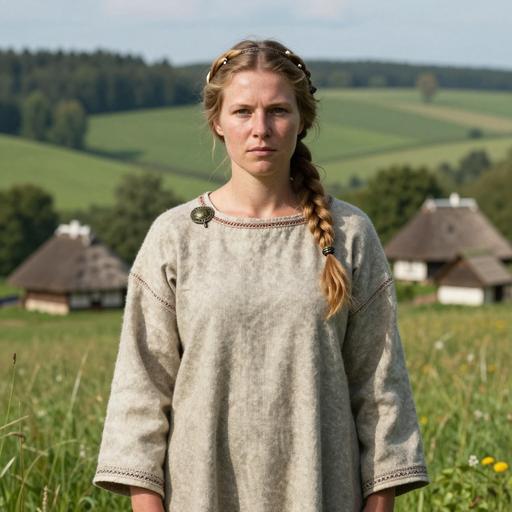
Post‑glacial continuity: As a member of U5-derived lineages, U5B1D2 is part of the maternal legacy often interpreted as continuity from post‑glacial hunter‑gatherer populations in northern Europe. Its particular concentration among Sámi and northern Scandinavian groups supports scenarios where some maternal lineages persisted locally while populations changed culturally.
Interaction with farming and Bronze Age movements: Although U5 lineages are characteristic of pre‑Neolithic hunter‑gatherers, subclades like U5B1D2 likely experienced demographic shifts during the Neolithic and Bronze Age due to admixture with incoming farmer or steppe-associated groups and subsequent local demographic events. Low‑frequency detections in western and southern Europe and marginal regions (Iberia, North Africa) may reflect later mobility, trade, or episodic gene flow rather than primary expansion centers.
Sámi association: The elevated representation among Sámi is noteworthy for studies of high‑latitude population history and demonstrates how localized demographic processes (founder effects, drift, and cultural isolation) can concentrate particular maternal lineages.
Conclusion
U5B1D2 is a relatively young, regionally focused mitochondrial lineage within the ancient European U5 clade. Its phylogenetic position and observed geographic pattern point to a Northern/Central European origin in the mid‑Holocene with persistence in northern populations, especially the Sámi and Scandinavians, and low‑frequency occurrences beyond that core area. Continued ancient DNA sampling and high‑coverage mitogenome sequencing in northern and central Europe will clarify its internal diversity, timing of origin, and routes of dispersal.
Key Points
- Origins and Evolution
- Subclades (if applicable)
- Geographical Distribution
- Historical and Cultural Significance
- Conclusion