The Story
The journey of mtDNA haplogroup U5B1F1
Origins and Evolution
mtDNA haplogroup U5B1F1 is a downstream subclade of U5B1F, itself a branch of the ancient European lineage U5. While the broader U5 lineage traces back to Mesolithic and post-glacial hunter-gatherer populations of Europe, U5B1F and its subclade U5B1F1 appear to be more recent lineages that crystallized in Northern/Central Europe during the later Bronze Age to Iron Age timeframe. Molecular-clock based inferences and the placement of U5B1F1 in the phylogeny suggest an origin on the order of a few thousand years ago (on the order of ~3.0 kya), consistent with local differentiation from an already-established U5B1 pool in northern European populations.
Genetic continuity from earlier U5-bearing hunter-gatherer maternal lineages is likely, but U5B1F1 itself represents a localized diversification event rather than an early Paleolithic expansion. Its survival at elevated relative frequency in northern groups indicates demographic stability and population structure in high-latitude refugia and post-glacial re-settlement zones.
Subclades
As a terminal or near-terminal branch under U5B1F, U5B1F1 currently has limited recognized downstream diversity in published databases. The scarcity of observed variation and the small number of confirmed ancient and modern samples means subclade resolution remains modest; additional complete mitogenomes from northern European archaeological contexts would be required to robustly define further sub-branches.
Geographical Distribution
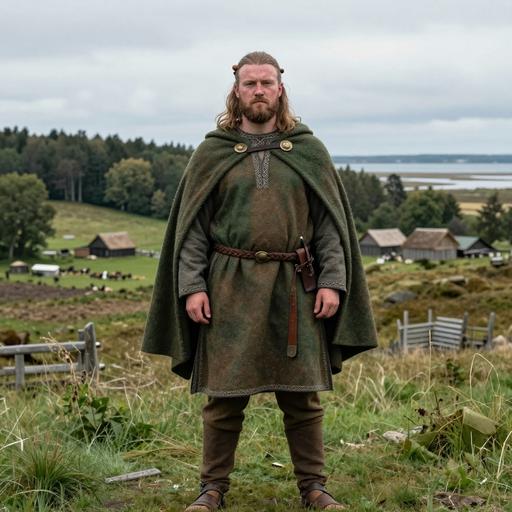
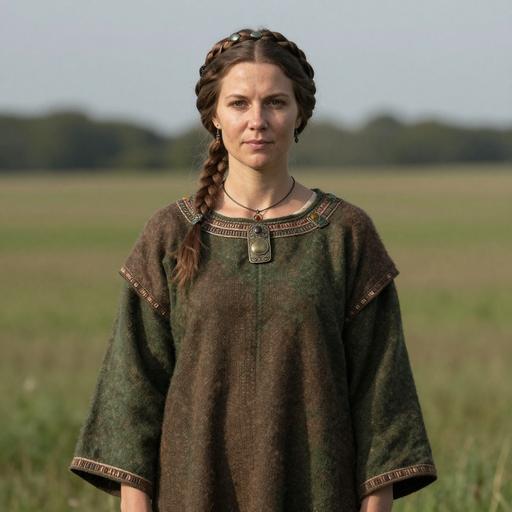
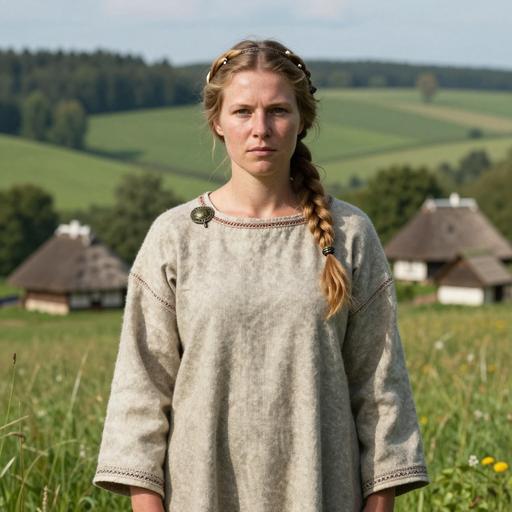
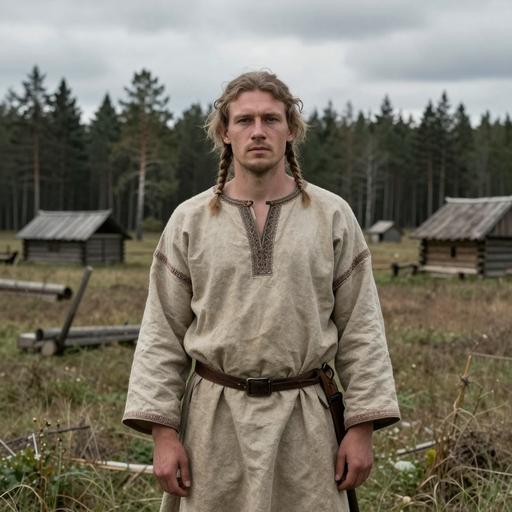
The distribution of U5B1F1 is strongly northern-European-centered. It is most frequently observed among Sámi and Scandinavian individuals and appears at low but detectable frequencies across the British Isles, Iberia, Central and Eastern Europe, with occasional low-frequency detections in North African and Caucasus-adjacent groups. The pattern suggests a northern core with sporadic dispersal or retention elsewhere in Europe and adjacent regions, consistent with past migrations, trade, and localized founder effects.
Two ancient DNA occurrences attributed to this subclade (or to closely related U5B1F lineages) indicate the haplogroup has been present in archaeological contexts and is not an exclusively modern signal; however, its rarity in ancient samples limits precise archaeological correlation at present.
Historical and Cultural Significance
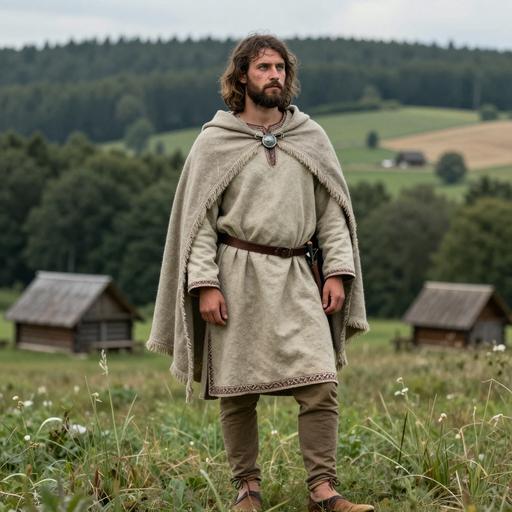
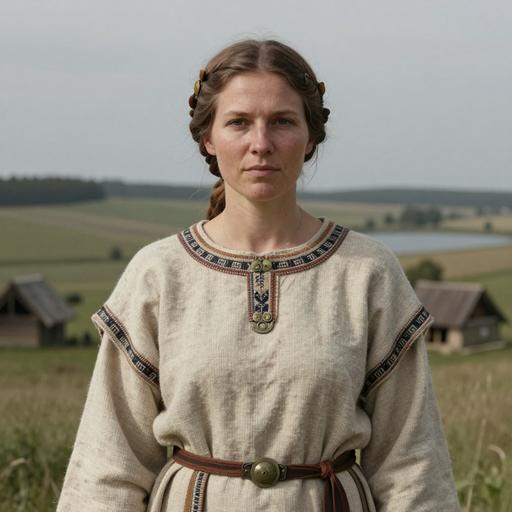
Although U5 as a whole is emblematic of Mesolithic European hunter-gatherer ancestry, U5B1F1 represents later, regionally restricted continuity. Its relative enrichment in Sámi and northern Scandinavian populations ties it to long-term maternal continuity in high-latitude environments and to cultural histories of northern Europe. The haplogroup's persistence through the Neolithic, Bronze Age, and into later periods implies survival through episodes of farming expansions and Bronze Age population movements rather than wholesale replacement.
Because U5B1F1 is rare, it is not strongly diagnostic of large migration events (unlike some haplogroups that mark continent-wide movements), but it can be informative for studies of regional continuity, kinship, and microdemographic processes in northern Europe.
Conclusion
U5B1F1 is a geographically focused, low-frequency maternal lineage that reflects local diversification of the ancient U5 maternal stock within Northern/Central Europe around the Bronze Age. It underscores the layered nature of European maternal ancestry—ancient hunter-gatherer roots combined with more recent regional differentiation—and is a useful marker for studies of northern European population continuity and microevolutionary history. Improved sampling of modern and ancient mitogenomes from northern and adjacent regions will clarify its full phylogeographic depth and substructure.
Key Points
- Origins and Evolution
- Subclades
- Geographical Distribution
- Historical and Cultural Significance
- Conclusion