The Story
The journey of mtDNA haplogroup W1G2
Origins and Evolution
mtDNA haplogroup W1G2 is a downstream subclade of W1G, itself a branch of haplogroup W. Based on the phylogenetic position of W1G2 beneath W1G and molecular-clock estimates for related W sublineages, W1G2 most plausibly arose in the Near East or the Caucasus during the early Holocene (several thousand years after the Last Glacial Maximum). Its estimated age (on the order of ~7–8 kya) places its origin during the period of climatic amelioration and rapid demographic change associated with the Neolithic transition in West Asia.
Like many rare mtDNA subclades, W1G2 shows limited internal diversity in modern samples, consistent with a relatively recent origin and subsequent dispersal in small maternal lineages. The pattern of scattered low-frequency occurrences across a wide geography suggests spread via multiple migration vectors (postglacial re-expansion, Neolithic farmer movements, and later Bronze Age/steppe-associated migrations), followed by local drift and occasional founder effects.
Subclades (if applicable)
As a defined subclade of W1G, W1G2 is currently understood as a terminal or near-terminal branch with few if any well-differentiated daughter clades described in published datasets. The scarcity of reported sequences and limited ancient DNA hits means that phylogenetic resolution beneath W1G2 is low; additional high-coverage mitogenomes from targeted regions (Caucasus, Anatolia, northern South Asia) would be required to resolve further substructure.
Geographical Distribution
W1G2 is geographically scattered but rare. It is most plausibly rooted in the Near East/Caucasus and found today at low frequencies across:
- Eastern and Northern Europe (Baltic states, Poland, parts of Russia and Scandinavia),
- The Caucasus (Armenia, Georgia, Azerbaijan),
- Parts of the Middle East and Anatolia (Turkey, Iran),
- Central Asia (Kazakhstan, Uzbekistan, Turkmenistan),
- Northwest South Asia (northern India, Pakistan), and
- In very small numbers in western China and southwestern Siberia.
This irregular distribution is compatible with multiple episodes of gene flow from a West Asian source combined with later movements (trade, pastoralist expansions, and small-scale migrations) that carried rare maternal lineages far from their origin.
Historical and Cultural Significance
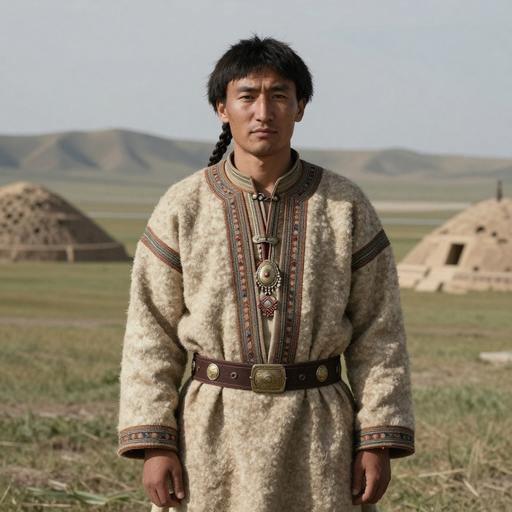
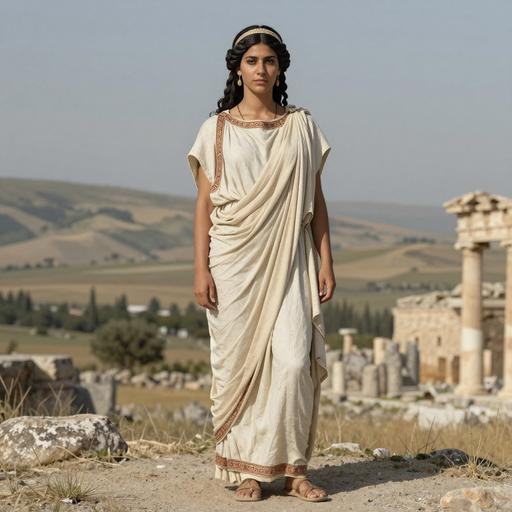
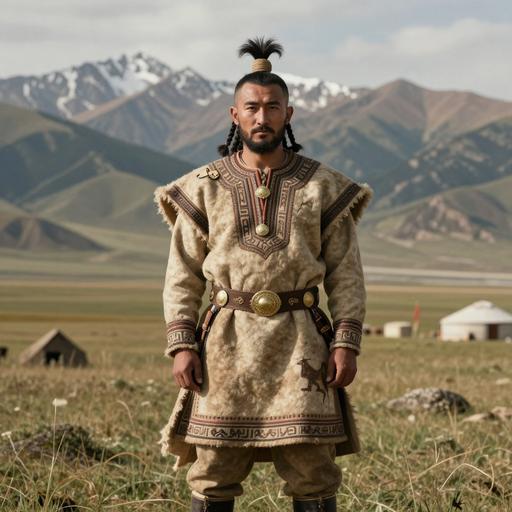
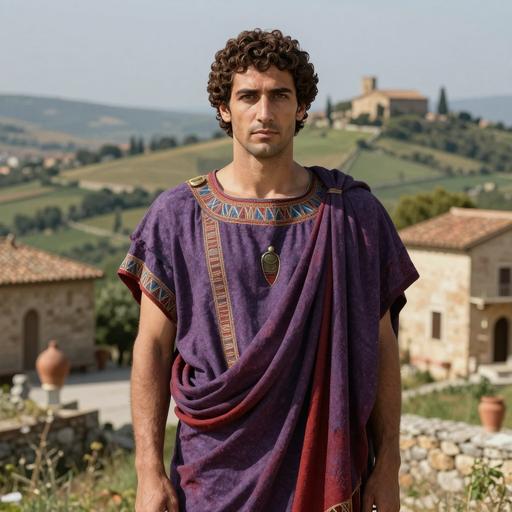
Because W1G2 is rare in modern populations and appears in only a very small number of ancient samples to date, it is not strongly associated as a defining lineage of any major pan-regional archaeological culture. However, the timing and geography of its origin invite links to Neolithic demographic processes in the Near East and Caucasus that contributed maternal lineages to expanding farming populations. Secondary associations are plausible with Bronze Age movements across Eurasia that redistributed low-frequency maternal lineages, producing the observed scattered presence in Central and South Asia and parts of Europe.
Archaeogenetic sampling has so far recovered only a single ancient DNA instance attributable to this subclade in the database referenced, which constrains direct inference about its past cultural associations. Where present in modern populations, W1G2 likely reflects localized maternal histories (founder effects, matrilineal continuity in small communities) rather than broad demographic dominance.
Conclusion
W1G2 is a narrowly distributed, low-diversity mtDNA subclade derived from W1G that most likely emerged in the Near East/Caucasus in the early Holocene and dispersed in small numbers into Europe, Central Asia, and South Asia via postglacial and Neolithic/late-Neolithic processes, with later limited redistribution. Its rarity highlights the importance of increased mitogenome sequencing and targeted ancient DNA sampling in the Caucasus, Anatolia, and adjacent regions to refine age estimates, internal structure, and precise routes of dispersal.
Key Points
- Origins and Evolution
- Subclades (if applicable)
- Geographical Distribution
- Historical and Cultural Significance
- Conclusion