The Story
The journey of mtDNA haplogroup X2C1
Origins and Evolution
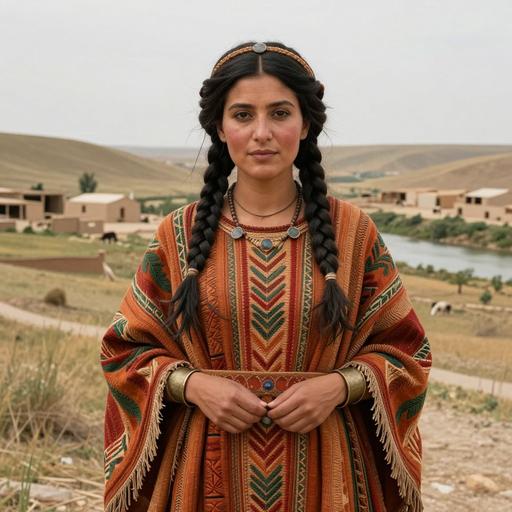
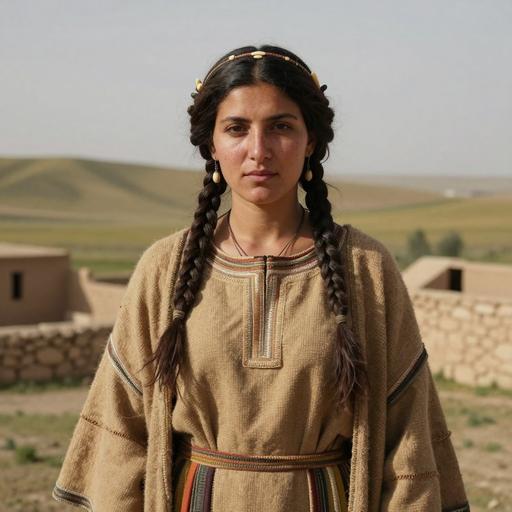
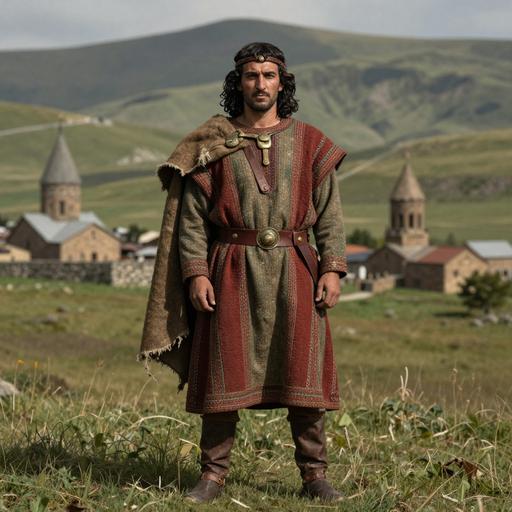
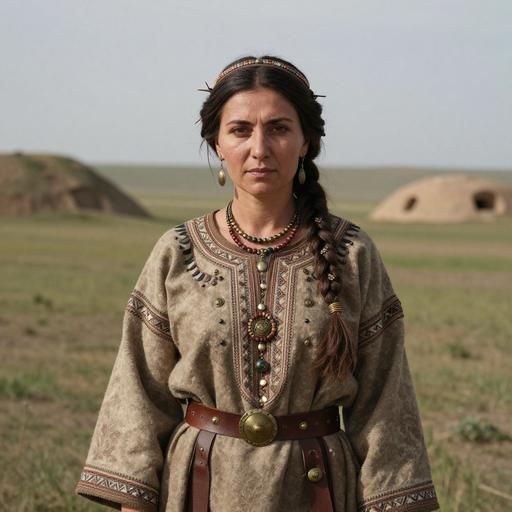
mtDNA haplogroup X2C1 is a downstream branch of X2C, itself a subclade of haplogroup X2. The broader X2 lineage has a Near Eastern/Eastern Mediterranean affinity and expanded during the early Holocene with post-glacial re-settlement and the spread of early farmers. X2C1 most likely split from other X2C lineages in the Near East—particularly Anatolia and the southern Caucasus—during the early Neolithic (roughly 9–8 kya), reflecting localized diversification within populations that contributed to Neolithic demographic expansions.
Subclades (if applicable)
As a relatively downstream and uncommon branch, X2C1 currently comprises a small number of identifiable lineages. Where full mitogenomes are available, X2C1 can sometimes be further divided into minor local sublineages defined by private mutations, but no large, widely distributed subclade of X2C1 has been reported in the literature to date. Continued sequencing of modern and ancient mitogenomes may reveal finer substructure and help clarify internal branching.
Geographical Distribution
X2C1 is rare but geographically concentrated in regions linked to the Near Eastern Neolithic core and its immediate neighbors. Modern and ancient occurrences are recorded principally in:
- Anatolia and the Levant
- The southern and eastern Caucasus
- Parts of southern Europe (Greece, Italy, Balkans) at low frequencies
- Sporadic occurrences in eastern Europe, parts of Iran and nearby Central Asian localities
- Occasional presence in North Africa and in some Near Eastern-derived Jewish maternal lineages
Compared with its parent X2C, X2C1 is less frequent and often localized, which is consistent with a post-glacial Neolithic origin followed by limited dispersal through farmer and coastal/maritime contact routes.
Historical and Cultural Significance
Because X2C and its subclades are associated with early Holocene Near Eastern populations, X2C1 is informative for questions about the spread of agriculture and gene flow between Anatolia/Caucasus and adjacent regions. Its presence in prehistoric contexts—though limited in number—ties it to Anatolian Neolithic and subsequent Chalcolithic and Bronze Age archaeological horizons in the eastern Mediterranean and the Caucasus. In population-genetic studies, X2C1 and related X2 branches often co-occur alongside other Near Eastern farmer-associated maternal haplogroups (for example H, K, J, T and U sublineages), reflecting the mixed maternal ancestry of early farming communities.
Ancient DNA detections of X2C (the parent clade) in archaeological samples strengthen the interpretation of a Neolithic-era role; X2C1 itself appears only in a small subset of ancient mitogenomes, consistent with a limited but persistent maternal legacy in certain regional populations.
Conclusion
mtDNA X2C1 is a low-frequency, regionally informative maternal lineage derived from the Near Eastern X2C clade. It likely originated in Anatolia/Caucasus during the early Holocene and spread in a restricted fashion with Neolithic and later population movements into neighboring parts of Europe, the Caucasus and North Africa. Continued mitogenome sequencing of both modern populations and archaeological remains will clarify its internal structure, age estimates and precise migratory pathways.
Key Points
- Origins and Evolution
- Subclades (if applicable)
- Geographical Distribution
- Historical and Cultural Significance
- Conclusion