The Story
The journey of mtDNA haplogroup X2E2A2
Origins and Evolution
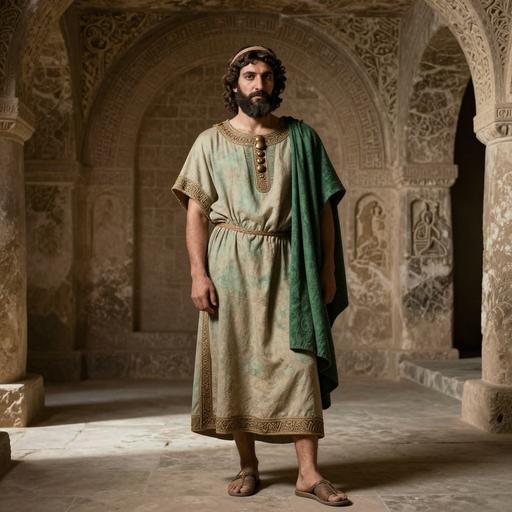
mtDNA haplogroup X2E2A2 sits as a downstream subclade of X2E2A within the broader X2 branch. Based on the phylogenetic position of X2E2A and observed geographic occurrences, X2E2A2 most plausibly arose in Anatolia or the Near East during the early to mid‑Holocene (around 6 kya). Its emergence fits the timeframe of Neolithic and post‑Neolithic demographic movements that spread Near Eastern maternal lineages into the Mediterranean, the Caucasus and adjacent regions.
Mutational distinctions that define X2E2A2 separate it from sibling subclades of X2E2A; these private variants are useful for tracing more recent maternal lineages and detecting migration episodes at an intra‑regional scale. The current evidence includes at least one securely identified ancient DNA sample, indicating an archaeological presence in the Holocene and providing temporal depth for the clade.
Subclades
As a downstream branch of X2E2A, X2E2A2 may contain further substructure in well‑sampled datasets, but available data currently suggest it is a relatively low‑diversity lineage compared with major European or Near Eastern haplogroups. Where additional mutations are observed within X2E2A2, they are primarily useful for fine‑scale maternal genealogies and for distinguishing local founder events in regions such as Southern Europe and the Caucasus. Continued sequencing of complete mitochondrial genomes from modern and ancient samples may reveal finer subclades.
Geographical Distribution
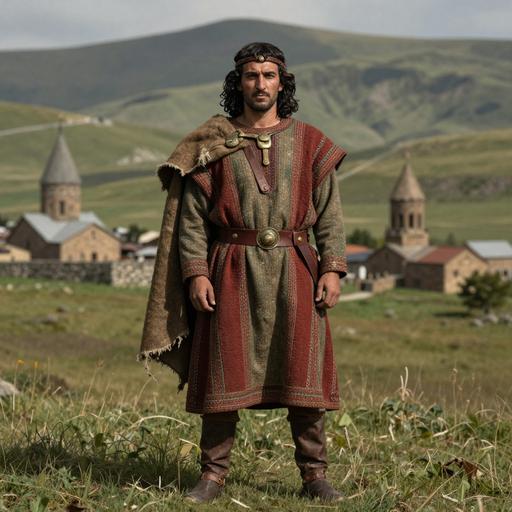
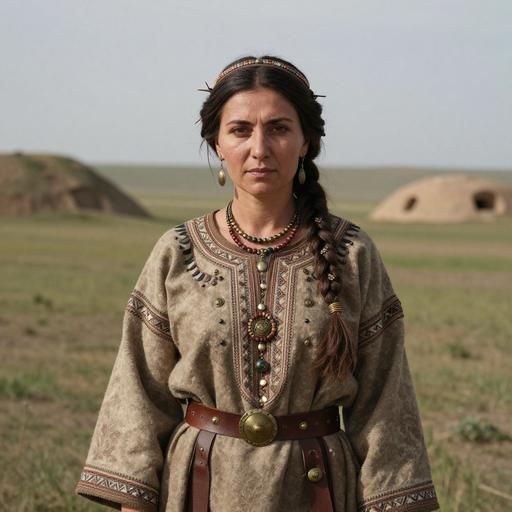
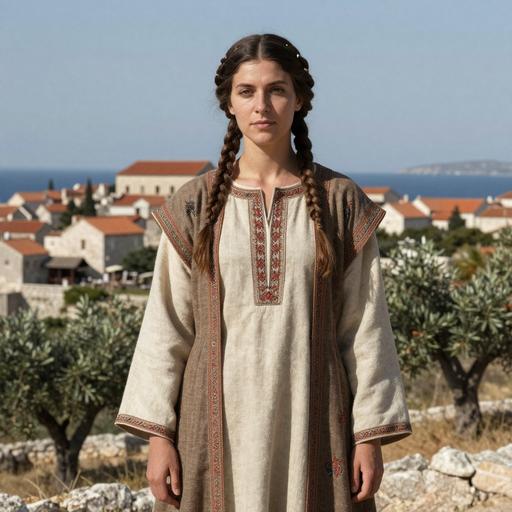
Haplogroup X2E2A2 is best characterized as a Neolithic/post‑Neolithic Near Eastern lineage that dispersed at low to moderate frequency beyond its Anatolian origin. Its modern and ancient occurrences are patchy: relatively higher concentration nearer to Anatolia and the Levant, with scattered, generally low‑frequency occurrences in Southern Europe (Italy, Greece, the Balkans), the Caucasus (Armenia, Georgia), parts of North Africa (Maghreb/Berber groups) and intermittent presence in Central Asia among Turkic‑ and Iranian‑speaking populations. The distribution pattern is consistent with maritime Mediterranean and overland Anatolian–Caucasus dispersal corridors used by Neolithic and later populations.
Because X2‑derived lineages overall are relatively rare compared with dominant European maternal haplogroups (e.g., H, U, J, T), X2E2A2 tends to appear at low frequency in population surveys; however, its presence is informative for reconstructing maternal ancestry linked to Near Eastern farmer expansions and subsequent regional admixture.
Historical and Cultural Significance
X2E2A2's emergence during the Holocene situates it within the broader context of the Neolithic transition and later demographic processes in the Near East and Mediterranean. While not tied to any single large‑scale archaeological culture at high frequency, the clade is consistent with maternal lineages carried by Anatolian and Levantine farmers who spread agricultural practices westward and northward. In downstream contexts its low but persistent frequency within Southern Europe and the Caucasus suggests continuity and episodic gene flow rather than wholesale population replacement.
The single ancient DNA occurrence provides direct evidence that X2E2A2 was present in archaeological contexts, strengthening its interpretation as a lineage that participated in Holocene demographic events. In genetic genealogy and population studies, identification of X2E2A2 in an individual's mitogenome points to maternal ancestry with connections to Anatolia/Near East and potential downstream links into the Mediterranean, Caucasus or North Africa.
Conclusion
mtDNA haplogroup X2E2A2 is a modestly diversified, regionally informative maternal lineage that likely originated in Anatolia/the Near East around 6 kya and subsequently spread at low to moderate frequencies into Southern Europe, the Caucasus, North Africa and parts of Central Asia. Its value lies in tracing Neolithic and post‑Neolithic maternal movements and in providing a finer resolution for maternal ancestry when complete mitochondrial genomes are available. As ancient DNA sampling and full mitogenome sequencing expand, the phylogeography and internal structure of X2E2A2 should become clearer, allowing more precise inferences about the timing and routes of its dispersal.
Key Points
- Origins and Evolution
- Subclades
- Geographical Distribution
- Historical and Cultural Significance
- Conclusion