The Story
The journey of Y-DNA haplogroup N1A1A1A
Origins and Evolution
Y‑DNA haplogroup N1A1A1A sits as a derived subclade beneath N1A1A1, a lineage that is widely recognized as characteristic of northern Eurasia and closely associated with many Uralic‑speaking populations. Based on its phylogenetic position and the estimated date for its parent clade (~5.5 kya), N1A1A1A plausibly diversified later, during the late Neolithic to Bronze Age transition (roughly ~3.5 kya). The emergence of this subclade reflects continued regional differentiation of N1 lineages after an initial post‑glacial northward reoccupation and subsequent demographic events in forest and tundra zones of northeast Europe and western Siberia.
Population genetic studies that sample modern and ancient northern Eurasian Y chromosomes show that N1 sublineages frequently have localized high frequencies and often track linguistic and cultural boundaries — for N1A1A1A this pattern links it to groups occupying the boreal and subarctic zones. Age estimates derive from phylogenetic branch lengths calibrated with Y‑STR or whole Y‑sequence mutation rates; those give a Bronze Age timeframe consistent with archaeological evidence for population movements across the Eurasian forest belt.
Subclades
As a downstream branch of N1A1A1, N1A1A1A may itself contain further internal diversity (regional subbranches visible in high‑resolution sequencing studies). These internal branches tend to show geographic substructure — for example, derivatives concentrated in Fennoscandia and the Baltic versus derivatives found farther east in northern Russia and western Siberia — reflecting relatively recent founder effects and drift in small, northern populations.
High‑resolution sequencing (SNP‑based) studies are the preferred method to resolve these internal subclades; SNP panels and full Y‑chromosome sequencing have revealed that what appears homogeneous by low‑resolution typing often splits into multiple regionally restricted branches at higher resolution.
Geographical Distribution
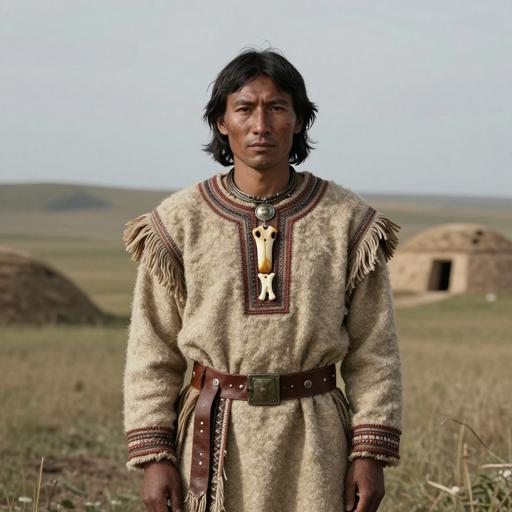
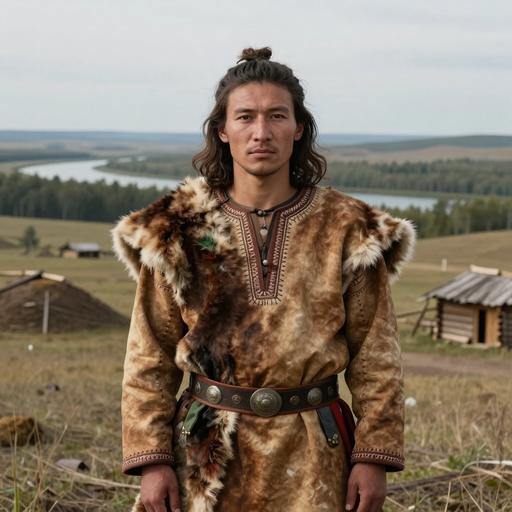
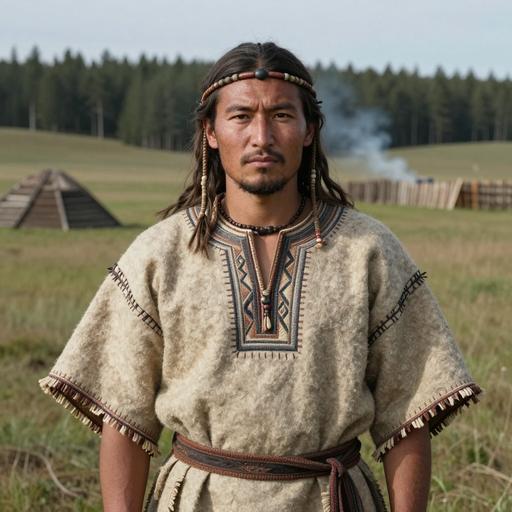
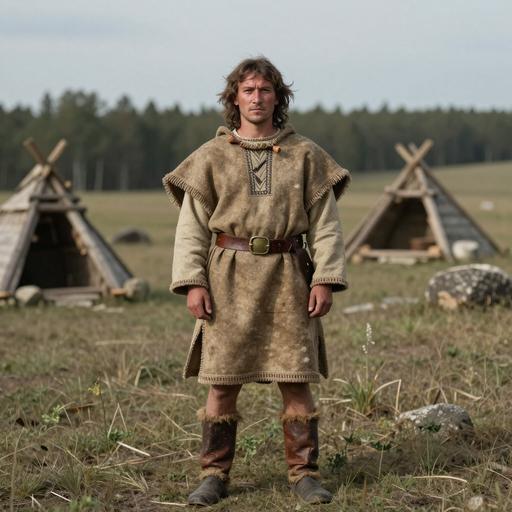
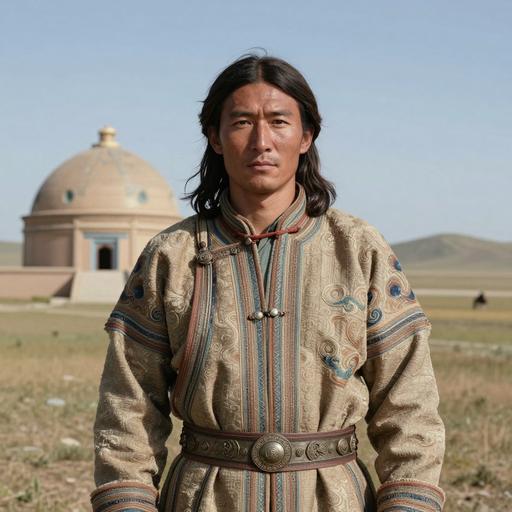
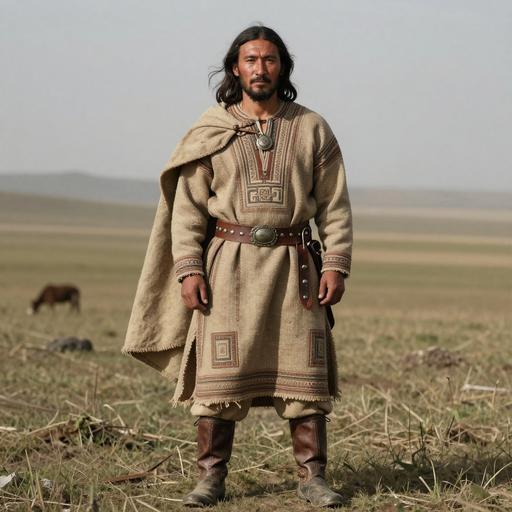
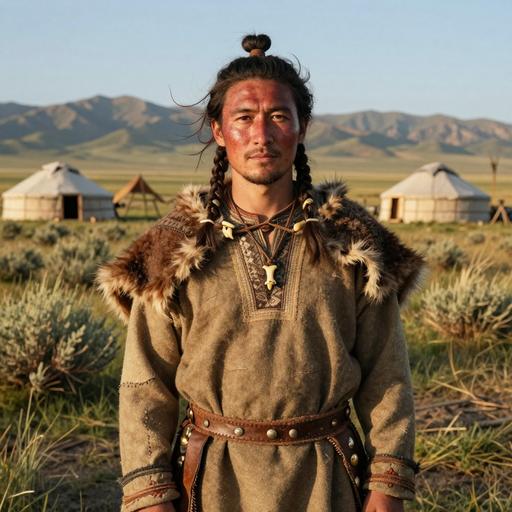
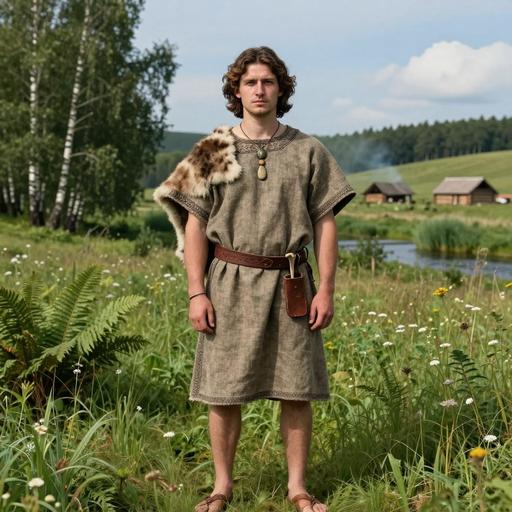
N1A1A1A is primarily a northern Eurasian lineage. Modern distributions show elevated frequencies in parts of Fennoscandia (notably Finland and among some Saami groups), the Baltic littoral in northeastern Baltic states, northern Russian populations (including Komi and other groups of the Russian North), and among several indigenous Siberian peoples (for example, Nenets, Evenks and some Yakut groups). Low‑frequency occurrences are recorded in nearby groups of northeastern Asia (northern Mongolian and northern Han Chinese samples) and among some Finno‑Ugric populations further south (e.g., low levels in Hungary and other Finno‑Ugric speaking groups), consistent with historical gene flow and recent migrations.
Ancient DNA sampling has recovered N1‑related lineages across the Eurasian forest zone and into Siberia in Bronze Age and later contexts; N1A1A1A itself has been identified in a number of regional archaeological contexts, showing continuity in some areas and replacement/assimilation in others.
Historical and Cultural Significance
The pattern of N1A1A1A frequencies and substructure fits models where post‑glacial recolonization, followed by Bronze Age and Iron Age demographic expansions and later medieval movements, shaped northern Eurasian paternal diversity. Because many Uralic‑speaking populations carry N1 subclades at elevated frequencies, N1A1A1A is often discussed in the context of Uralic linguistic dispersals and the peopling of Fennoscandia and the Baltic littoral.
Interaction with neighboring Indo‑European groups, including those carrying high frequencies of R1a and, in Scandinavia, I1, created admixed population genetic landscapes: N1A1A1A can therefore be an informative marker for tracing male‑line contributions to regional cultural histories (for instance, the spread of forest‑zone Bronze Age material cultures and later Uralic ethnogenesis).
Conclusion
N1A1A1A is a regionalized, post‑glacial derivative of the broader N1 lineage that highlights north Eurasian demographic history during the late Neolithic through the Bronze and Iron Ages. Its modern and ancient distribution emphasizes ties to Uralic‑associated populations and northern Eurasian indigenous groups; high‑resolution Y‑chromosome sequencing and denser ancient DNA sampling continue to refine its internal branching and more precisely link sublineages to archaeological and linguistic events.
Key Points
- Origins and Evolution
- Subclades
- Geographical Distribution
- Historical and Cultural Significance
- Conclusion