The Story
The journey of Y-DNA haplogroup N1A1A1A1A1A1A7
Origins and Evolution
Y-DNA haplogroup N1A1A1A1A1A1A7 is a very downstream branch of the broader haplogroup N1 lineage. Given its phylogenetic position beneath N1A1A1A1A1A1A, the best-supported model is a recent origin within Fennoscandia driven by a local founder event followed by strong genetic drift and limited geographic expansion. The very short estimated time depth (on the order of decades-to-a few centuries) is consistent with deep terminal branching in modern sequencing datasets where multiple closely related Y chromosomes share a recent common ancestor.
Because this clade is so downstream and recent, its emergence is best explained by demographic processes common to northern rural and isolated populations: a small founding male lineage rising to prominence in a local community (founder effect), followed by drift and limited male-mediated gene flow out of the region.
Subclades (if applicable)
As a highly terminal and recently derived lineage, N1A1A1A1A1A1A7 currently shows few (if any) well-differentiated downstream subclades in public phylogenies. Where downstream branches are observed they typically represent very recent splits consistent with family- or village-level diversification rather than deep prehistoric structure. Continued high-resolution sequencing (deep SNP/STR typing or whole Y-chromosome sequencing) may identify finer structure within N1A1A1A1A1A1A7 in the future, but at present it is best treated as a localized terminal lineage.
Geographical Distribution
The geographic distribution of this clade is tightly focused on northern Fennoscandia with spillover at low frequency into neighboring populations. Known patterns are:
- Highest frequencies are observed in parts of northern Finland and among some Sámi and other indigenous northern Scandinavian groups.
- Localized occurrences are seen at low to very low frequency in adjacent coastal Baltic communities (Estonia, Latvia) and in some northern Russian populations where historical contact occurred.
- Sporadic findings appear in diaspora populations or as isolated cases in other Uralic-speaking groups outside the core area; these are best explained by recent migration rather than ancient spread.
This spatial pattern is consistent with a recent local origin plus limited male-line mobility in the region.
Historical and Cultural Significance
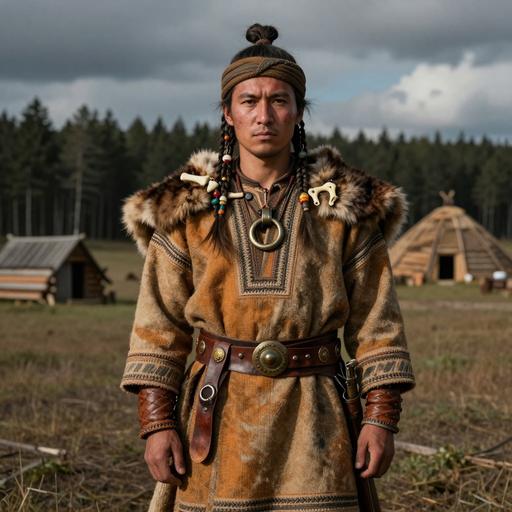
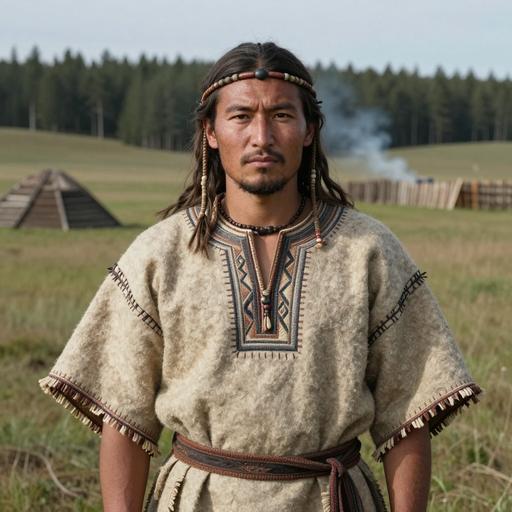
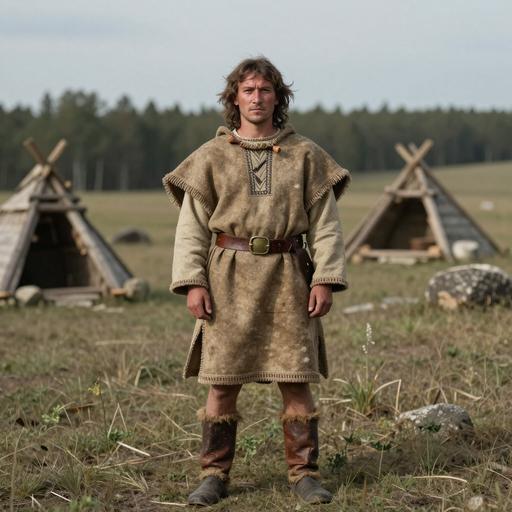
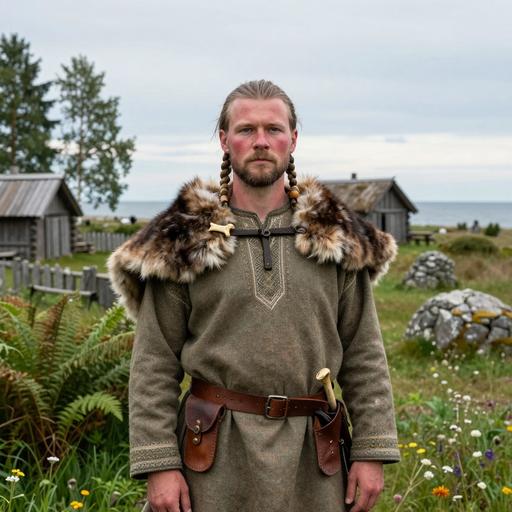
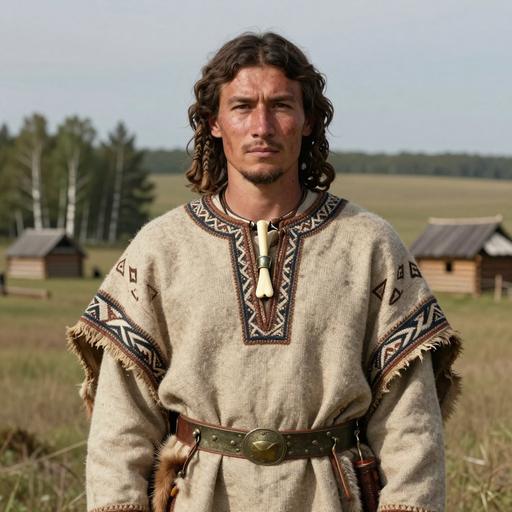
Because the clade is so recent, it does not map cleanly onto deep archaeological cultures such as Corded Ware or Yamnaya. Instead, its cultural relevance is tied to local historical and ethnohistorical communities in northern Fennoscandia. Features to note:
- The lineage likely rose in a post-medieval context (or late historical period) within small, relatively isolated communities (e.g., northern Finnish villages, Sámi groups), where patrilineal inheritance and demographic bottlenecks can rapidly elevate the frequency of a single Y lineage.
- Its presence among Sámi and neighboring Finnish groups reflects regional male-line continuity and/or assimilation rather than a large prehistoric migration event.
- From a genetic genealogy perspective, carriers of this haplogroup often share close paternal ancestry and may find relatively recent common ancestors in genealogical timeframes.
Conclusion
N1A1A1A1A1A1A7 exemplifies how high-resolution Y-chromosome phylogenies can reveal very recent, geographically restricted founder lineages. It is best interpreted as a Fennoscandian terminal clade that rose through local founder effects and drift, concentrated in northern Finland and among some Sámi and neighboring populations. Future targeted sampling and whole-Y sequencing in northern Scandinavia will clarify any finer substructure and help place recent demographic events on a more precise timescale.
Key Points
- Origins and Evolution
- Subclades (if applicable)
- Geographical Distribution
- Historical and Cultural Significance
- Conclusion