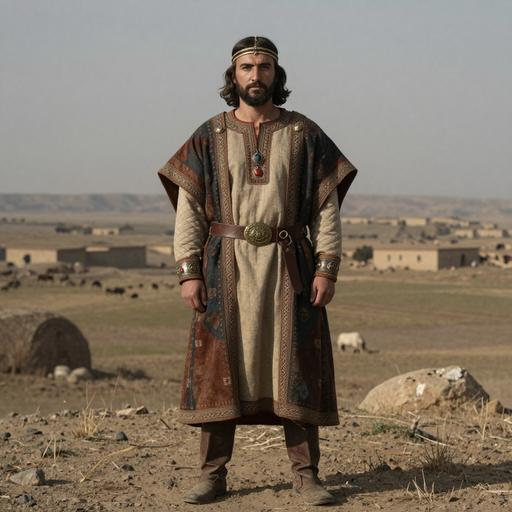
The Story
The journey of Y-DNA haplogroup N1A1A2
Origins and Evolution
Y-DNA haplogroup N1A1A2 is a downstream branch of N1A1A and likely arose in northeastern Eurasia during the early to mid-Holocene as populations that had persisted or expanded in post-glacial northern Eurasia diversified. Its origin is coherent with the broader pattern of haplogroup N lineages expanding northward and east–west across the Ural–Siberian zone and into Fennoscandia after the Last Glacial Maximum and during the Holocene climatic amelioration.
As a subclade of N1A1A, N1A1A2 represents one of several regionally differentiated lineages that track the demographic history of hunter-gatherer and later Uralic-speaking groups in northern Europe and parts of Siberia. Molecular clock and phylogeographic inference for sibling and parent lineages place the formation of this subclade several thousand years after the root of N1A1A, consistent with localized expansions and founder effects in high-latitude environments.
Subclades
Within N1A1A2 there are further downstream branches (rarely labeled consistently across different naming systems), which show local structuring. Some subbranches appear concentrated in particular linguistic or geographic pockets (for example, certain lineages enriched in Fennoscandia versus those more frequent among Siberian Uralic-speaking groups). Ancient DNA identifications (three documented archaeological instances in the provided database) confirm that N1A1A2 has an archaeological presence, though sampling is still sparse and many internal splits remain to be resolved with more high-coverage genomes.
Geographical Distribution
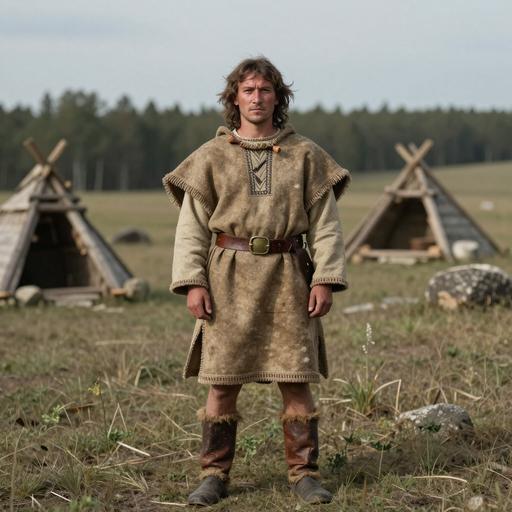
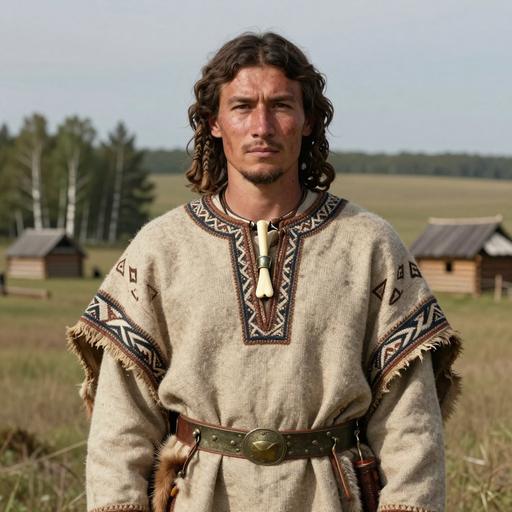
N1A1A2 displays a classic northern Eurasian distribution: highest frequencies occur in parts of Fennoscandia (notably Finland and among some Saami groups), with appreciable presence in the Baltic coastal zone and northern Russian populations (including Komi). The haplogroup is also found among several Siberian indigenous groups (Evenks, Nenets, Yakuts) and at low frequencies in neighboring Northeast Asian populations. Its distribution mirrors the geography of several Uralic-speaking populations and northern hunter-gatherer refugia, indicating both ancient continuity and later gene flow between Siberia and northern Europe.
Historical and Cultural Significance
The distribution and internal structure of N1A1A2 suggest ties to the post-glacial reoccupation of northern Eurasia and to demographic processes that contributed to the spread of Uralic languages and cultural traditions. This lineage is often interpreted as part of a genetic substrate in northern Europe that predates or admixes with incoming agricultural and Indo-European-associated groups. In historical times, N1A1A2-bearing populations participated in regional processes such as medieval north Eurasian contacts, trade, and mobility that further shaped its distribution.
While N1A1A2 is not exclusively diagnostic of any single archaeological culture, it is consistent with genetic continuity in regions associated with Comb Ceramic and later Northern Neolithic contexts and shows greater concentration in areas where Uralic languages became dominant.
Conclusion
N1A1A2 is an informative marker for northern Eurasian paternal ancestry tied to Holocene expansions and the complex demographic history of Uralic-speaking and related northern populations. Its presence in both Fennoscandia and parts of Siberia underscores long-range connections across high latitudes; however, the haplogroup's finer phylogenetic resolution and historical timings will benefit from additional ancient DNA sampling and high-resolution Y-chromosome sequencing.
Key Points
- Origins and Evolution
- Subclades
- Geographical Distribution
- Historical and Cultural Significance
- Conclusion