The Story
The journey of Y-DNA haplogroup N1A2B2A1
Origins and Evolution
Haplogroup N1A2B2A1 is a downstream subclade of N1A2B2A within the broader haplogroup N phylogeny. Haplogroup N has a clear concentration in northern Eurasia, and subclades of N that include N1A2B2A and its descendants most likely diversified in the forest‑taiga and tundra margins of northeastern Eurasia during the Holocene. Based on the parent clade's estimated age (~6 kya) and the phylogenetic depth of derived sublineages, N1A2B2A1 plausibly formed several thousand years after the parent split, during the mid‑to‑late Holocene (roughly 4–5 kya). Its emergence is consistent with demographic processes tied to post‑glacial recolonization of northern Eurasia and subsequent Holocene expansions of groups exploiting boreal and subarctic ecologies.
Subclades
N1A2B2A1 is an intermediate terminal lineage in published and emerging trees; depending on ongoing SNP discovery it may contain further downstream branches that show fine‑scale geographic structure (for example, branches concentrated in Fennoscandia versus western Siberia). Where high‑resolution sequencing or targeted SNP testing exists, researchers often find local substructure within N1A2B2A1 that corresponds to regional population histories (e.g., Fennoscandian versus Nenets/Kom i clusters). Continued ancient DNA sampling and deeper Y‑chromosome sequencing are refining the internal topology of this clade.
Geographical Distribution
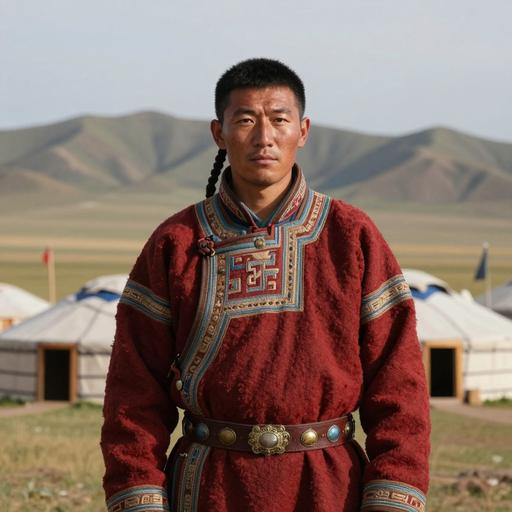
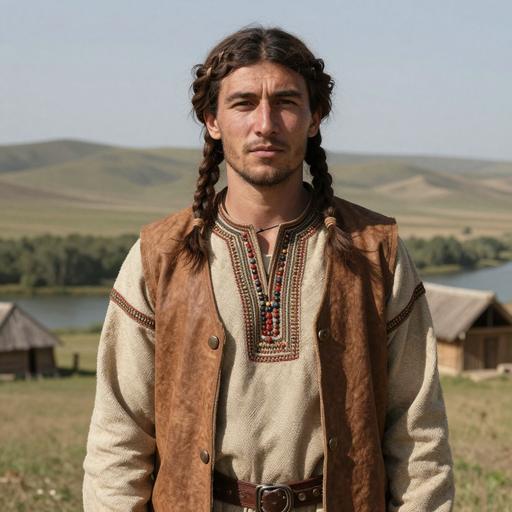
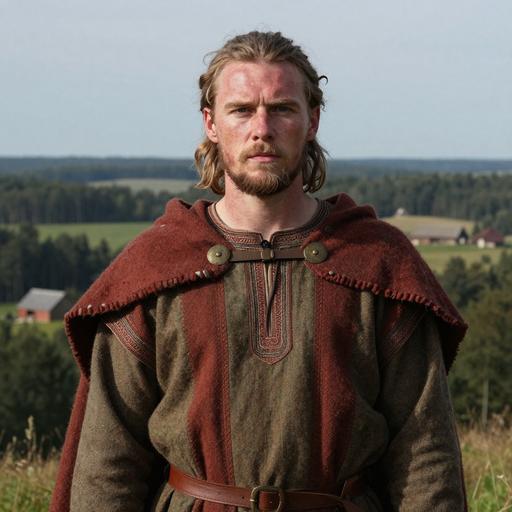
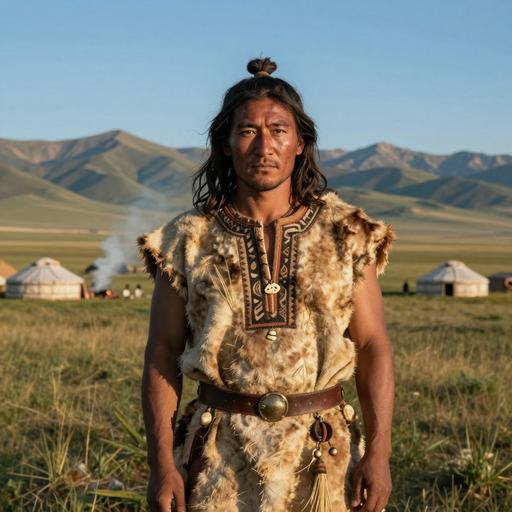
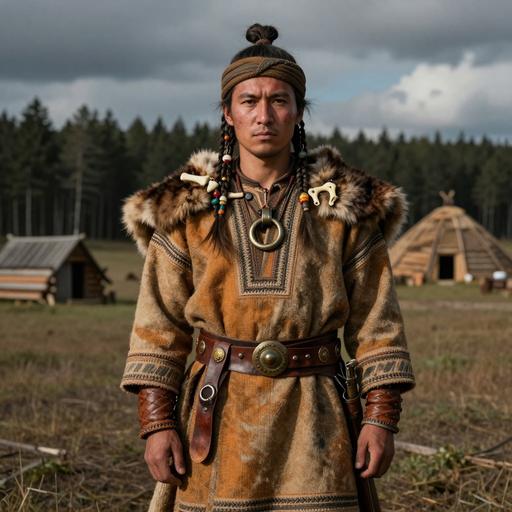
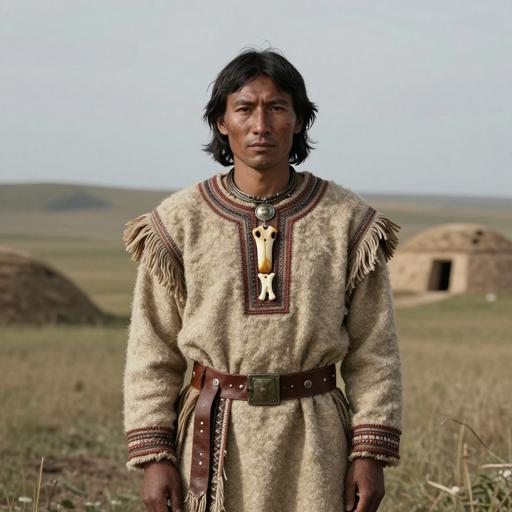
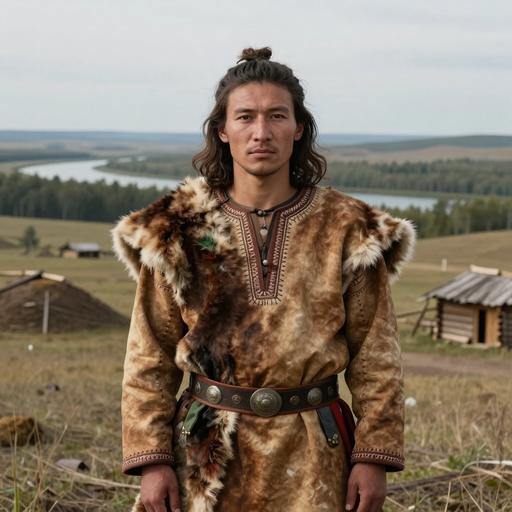
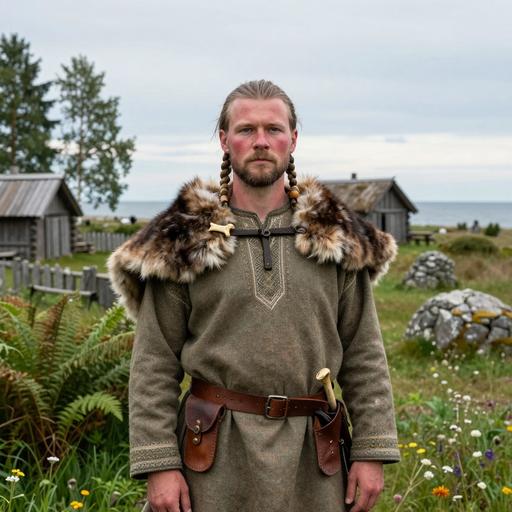
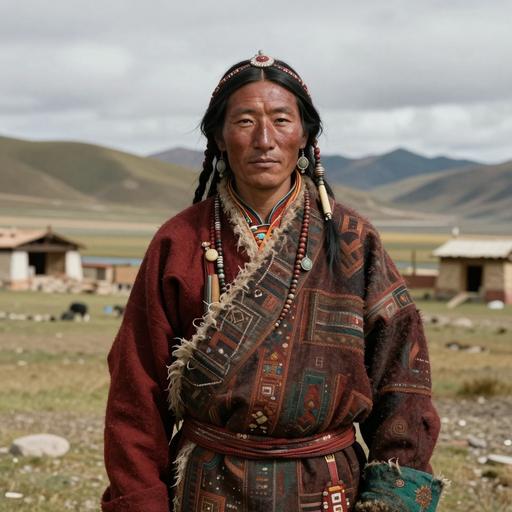
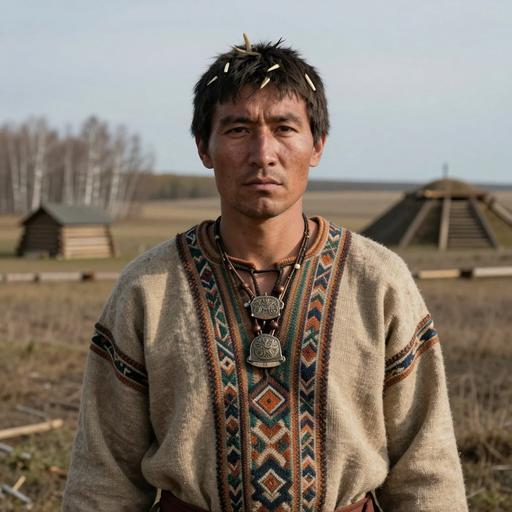
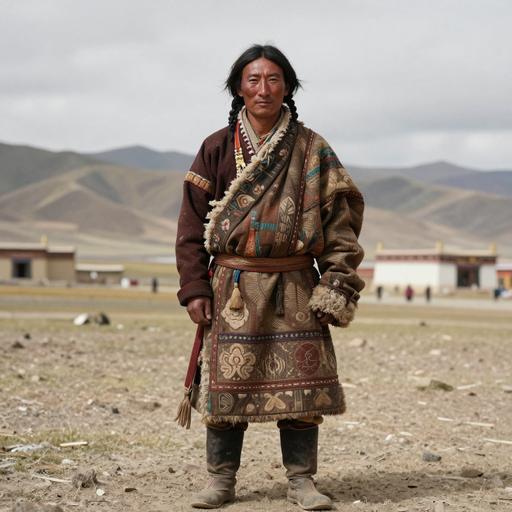
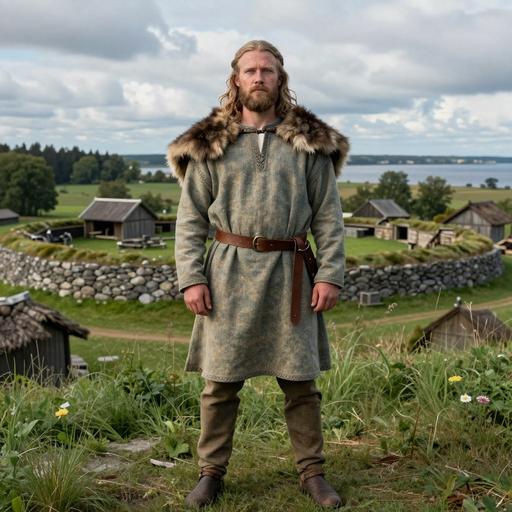
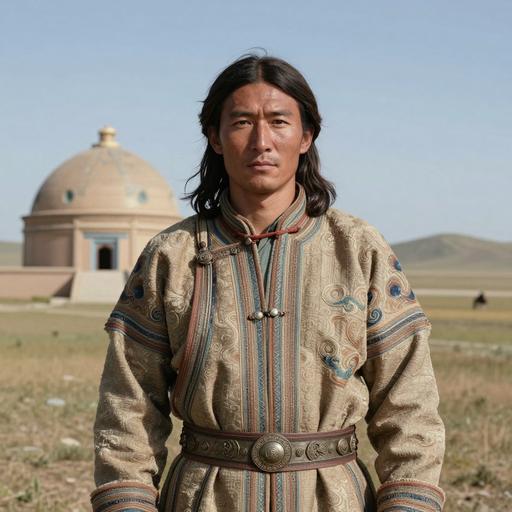
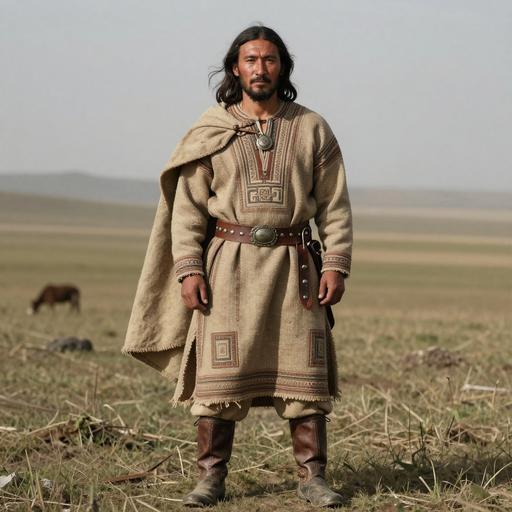
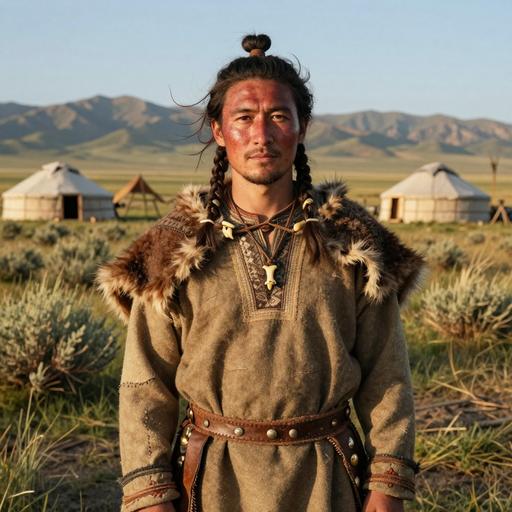
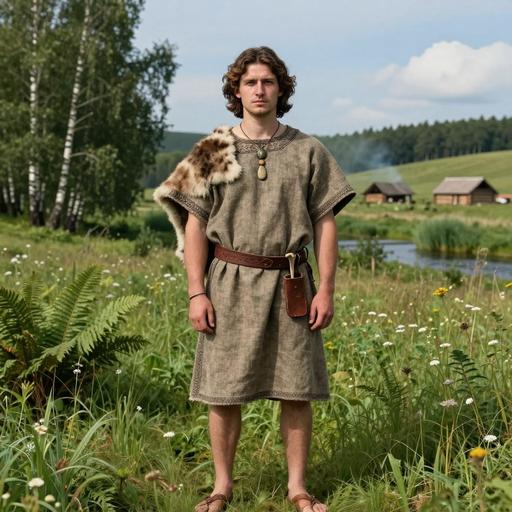
The present-day distribution of N1A2B2A1 is strongly northern: it is found at appreciable frequencies in Finland and among Sámi groups, present in Estonian and northern Swedish samples at lower levels, and observed among several indigenous northwestern and central Siberian groups (Nenets, some Komi, Mansi, Khanty). It also occurs in northern Russian populations and at low frequencies in some Tungusic and Mongolic groups of northern Asia. Ancient DNA has recovered related N‑lineages from Holocene and later contexts in northern Eurasia, supporting continuity or repeated gene flow along the Arctic fringe.
Historical and Cultural Significance
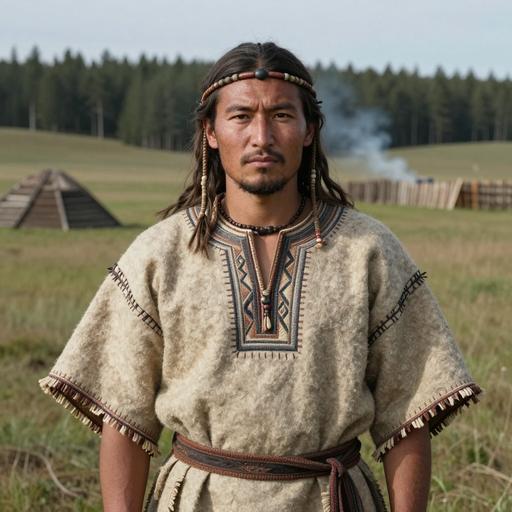
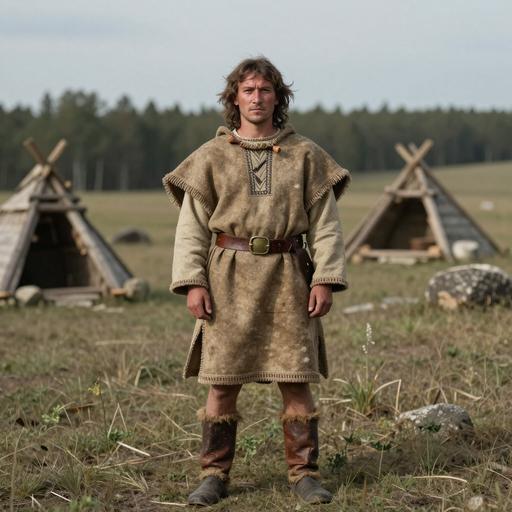
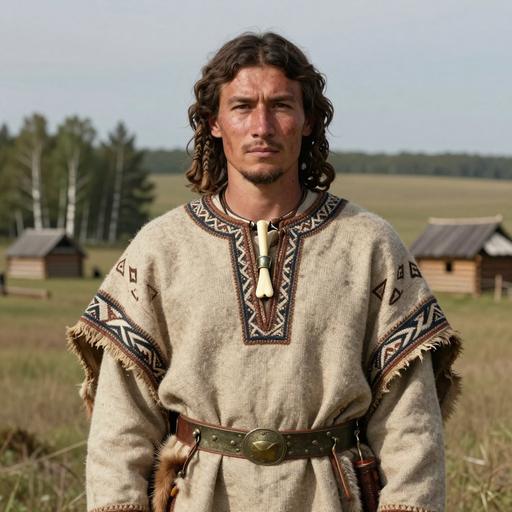
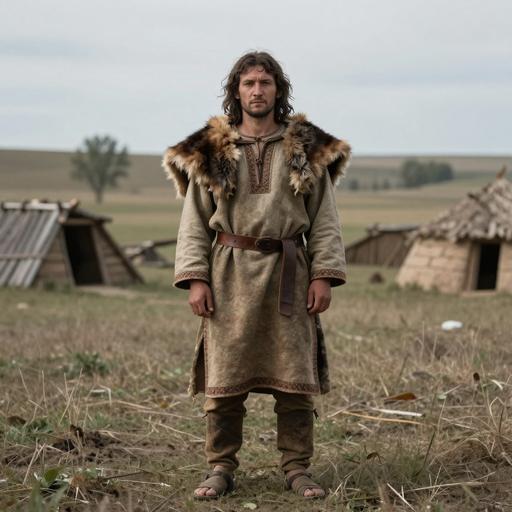
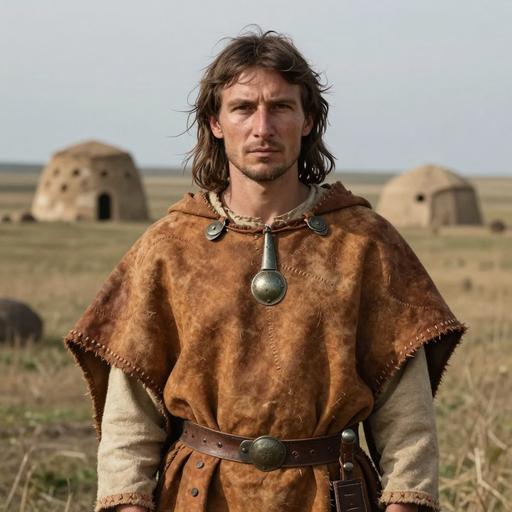
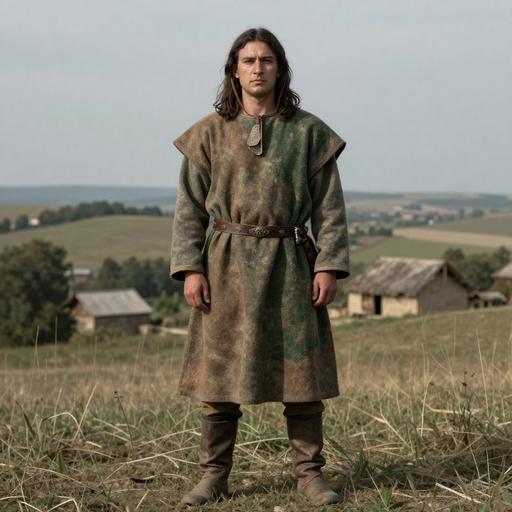
Because of its concentration in regions where Uralic languages are spoken or historically spoken, N1A2B2A1 is often discussed in the context of Uralic expansions and the genetic substrate of Fennoscandia. It likely marked male‑mediated movements across taiga and tundra environments that accompanied the spread of cultural complexes adapted to northern ecologies (e.g., pottery traditions such as the Comb Ceramic horizon in eastern Baltic/northwestern Russia and later regional Neolithic/Metal Age groups). In Fennoscandia and adjacent parts of Russia, this haplogroup contributes to the paternal signature that differentiates some northern populations from neighboring Indo‑European speaking groups.
Genetic Context and Co‑occurrence
N1A2B2A1 typically appears alongside other northern Eurasian Y‑lineages (other N subclades) and in autosomal profiles showing elevated northern or Siberian ancestry components. Maternal lineages commonly found in the same populations include mtDNA types associated with both Mesolithic hunter‑gatherers (e.g., U5) and eastern Siberian affinities (e.g., haplogroups C and D), reflecting complex male and female migration histories. In regions such as Scandinavia and northern Russia, N1A2B2A1 coexists with Y‑lineages associated with later migrations (R1a, I1), producing the modern mixed paternal landscape.
Conclusion
N1A2B2A1 is a Holocene, northerly Y‑chromosome lineage that helps trace post‑glacial and later Holocene movements across northern Eurasia, especially those tied to Uralic‑speaking populations and communities of the Arctic and subarctic. While not the most frequent lineage across the entire Eurasian landmass, it is an informative marker for regional demographic history in Fennoscandia and the Russian Arctic, and ongoing high‑resolution Y sequencing and ancient DNA sampling will continue to clarify its internal structure and timelines.
Key Points
- Origins and Evolution
- Subclades
- Geographical Distribution
- Historical and Cultural Significance
- Genetic Context and Co‑occurrence