Menu
Y-DNA Haplogroup • Paternal Lineage

NO1 [K2A

Y-DNA Haplogroup NO1 [K2A

~40,000 years ago
Southeast Asia
1 subclades
Scroll to explore
Chapter I

The Story

The journey of Y-DNA haplogroup NO1 [K2A

Origins and Evolution

Y-DNA haplogroup NO1 (K2a) occupies a pivotal position on the Y-chromosome phylogeny as the immediate ancestral node from which the major Eurasian paternal clades N and O descended. Coalescence age estimates place the origin of this node in the Upper Paleolithic, roughly ~40 thousand years ago (kya), likely in mainland or island Southeast Asia based on phylogeographic patterns of descendant lineages and molecular clock analyses. NO1 is therefore best understood as an early branching lineage that preceded the major population differentiations responsible for much of the present-day paternal diversity across East, Southeast and northern Eurasia.

Modern population surveys and ancient DNA studies rarely recover large numbers of basal NO1 carriers because most surviving paternal lineages have subsequently polarized into distinctive N and O subclades. This means that basal NO1 is uncommon in contemporary samples, but its historical significance is inferred from the widespread distributions and deep divergences of N and O.

Subclades

The most important and well-documented descendants of NO1 are:

  • Haplogroup N — a lineage that expanded northward and westward, becoming common among many Uralic-speaking and Siberian populations and present at lower frequencies in northeastern Europe. N shows adaptations to northern Eurasian histories and multiple Holocene expansions.
  • Haplogroup O — a major eastern and southeastern Eurasian lineage that diversified extensively within East and Southeast Asia and is associated with many present-day East Asian and Austronesian-speaking populations.

Because NO1 is the ancestral node, most genetic diversity attributed to it in practice is observed within these daughter clades rather than as deep, persistent basal NO1 in large modern populations.

Geographical Distribution

The geographic signature of NO1 is best captured by the combined distributions of its descendant clades.

  • East and Southeast Asia host the bulk of its descendant diversity (primarily O), where frequencies of O subclades are high among Han Chinese, Southeast Asian groups, and many island populations.
  • Northern Eurasia and parts of Europe show high frequencies of descendant N among Siberian groups, some Finno-Ugric and other northern populations.
  • Central Asia and South Asia often show lower frequencies of NO1-derived lineages reflecting secondary admixture and long-range gene flow.

Isolated reports of basal or near-basal NO1 occur in the literature, but these are relatively rare; the dominant signal is the split into N and O and the subsequent expansion histories of those clades.

Historical and Cultural Significance

Although NO1 predates archaeological cultures of the Holocene, its descendant clades have clear associations with later cultural and demographic processes:

  • The diversification of O is closely tied to population histories in East and Southeast Asia, including Neolithic agricultural expansions (rice and millet farming), the spread of Austronesian languages, and regional demographic growth in the Holocene.
  • The diversification of N is linked to northward and westward movements into Siberia and northeastern Europe, contributing to the paternal ancestry of many Uralic-speaking and other northern groups during the late Paleolithic to Holocene.

Because NO1 itself is an early pre-Neolithic node, attributing it to any single Holocene archaeological culture is inappropriate; rather, its importance is as the deep genetic substrate that later cultures inherited and re-shaped through migrations and expansions.

Conclusion
Y-DNA haplogroup NO1 (K2a) is a critical phylogenetic intermediate that helps explain the deep split between northern Eurasian (N) and East/Southeast Asian (O) paternal lineages. Although few modern men carry an unambiguous basal NO1 signature, the widespread and divergent patterns of N and O testify to NO1's antiquity and central role in shaping paternal diversity across Eurasia since the Upper Paleolithic. Understanding NO1 provides context for interpreting later demographic events — Neolithic farming expansions, Austronesian dispersals, and Holocene movements into Siberia and northern Europe — that redistributed its descendant lineages across the continent.

Key Points

  • Origins and Evolution
  • Subclades
  • Geographical Distribution
  • Historical and Cultural Significance
  • Conclusion

Chapter II

Tree & Relationships

Phylogenetic context and subclades

Evolution Path

This haplogroup's evolutionary journey from its earliest ancestor to the present.

Steps Haplogroup Age Estimate Archaeology Era Time Passed Immediate Descendants Tested Modern Descendants Ancient Connections
1 NO1 [K2A Current ~40,000 years ago 🦴 Paleolithic 40,000 years 1 0 0
Chapter III

Where in the World

Geographic distribution and modern presence

Place of Origin

Southeast Asia

Modern Distribution

The populations where Y-DNA haplogroup NO1 is found include:

  1. East Asians (e.g., Chinese, Japanese, Koreans)
  2. Southeast Asians (e.g., Vietnamese, Indonesians, Filipinos)
  3. Central Asians (in lower frequencies)
  4. Some populations in Siberia
  5. Some populations in Northern Europe (through its descendant haplogroup N)
  6. Some populations in South Asia (in lower frequencies)

Regional Presence

East Asia Moderate
Southeast Asia Moderate
Central Asia Low
Northern Asia / Siberia Low
Northern Europe Low
South Asia Low
CHAPTER IV

When in Time

Your haplogroup in the context of human history

~50k years ago

Upper Paleolithic

Advanced tool-making, art, and cultural explosion
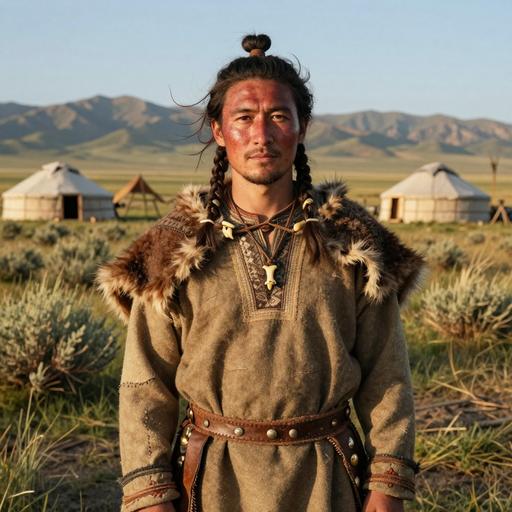
~40k years ago

Haplogroup NO1 [K2A

Your Y-DNA haplogroup emerged in Southeast Asia

Southeast Asia
~20k years ago

Last Glacial Maximum

Peak of the last ice age, populations isolated

~10k years ago

Neolithic Revolution

Agriculture begins, settled communities form

~5k years ago

Bronze Age

Metalworking, writing, and early civilizations

~3k years ago

Iron Age
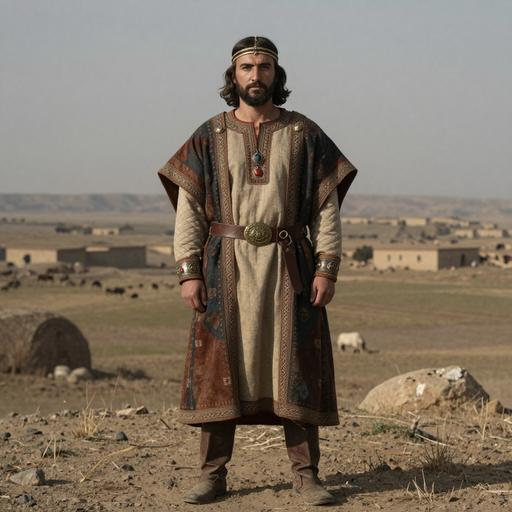
Iron tools, expanded trade networks
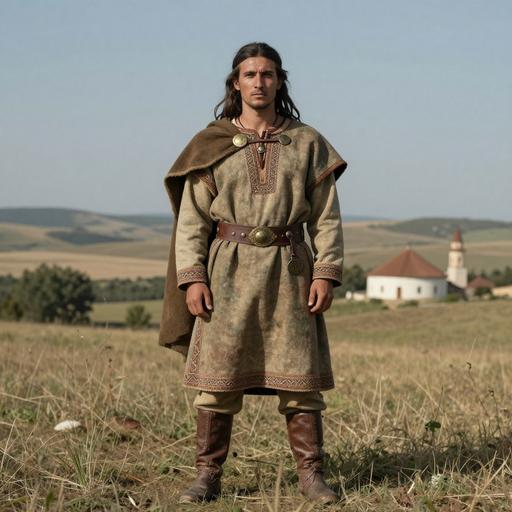
~2k years ago

Classical Antiquity

Greek and Roman civilizations flourish

Present

Present Day

Modern era

Your Haplogroup
Historical Era
Chapter IV-B

Linked Cultures

Ancient cultures associated with Y-DNA haplogroup NO1 [K2A

Cultural Heritage

These ancient cultures have been linked to haplogroup NO1 [K2A based on matching ancient DNA samples from archaeological excavations. The presence of this haplogroup in these cultures provides insights into the migrations and population movements of populations carrying this haplogroup.

Early Buryat Kuenga Culture Lena River Culture Lokomotiv Culture Shamanka Culture
Culture assignments are based on archaeological context of ancient DNA samples and may represent regional associations during specific time periods.
Chapter V

Sample Catalog

Top 50 ancient DNA samples directly related to haplogroup NO1 [K2A or parent clades

50 / 50 samples
Portrait Sample Country Era Date Culture Y-DNA Match
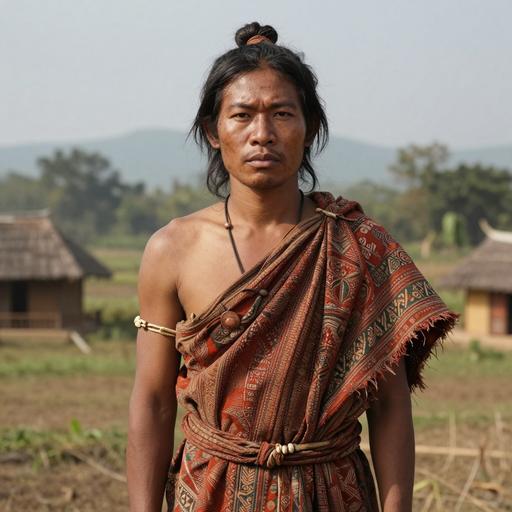
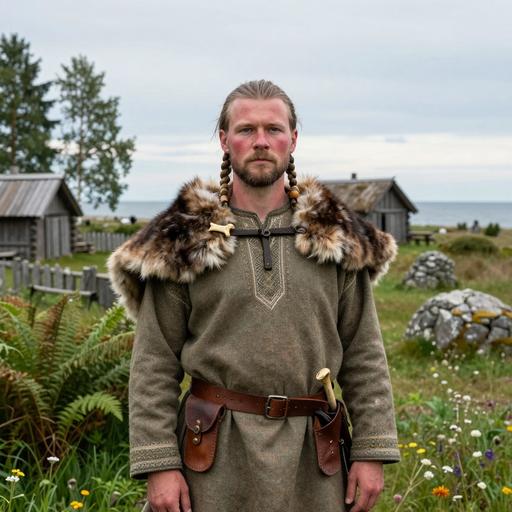
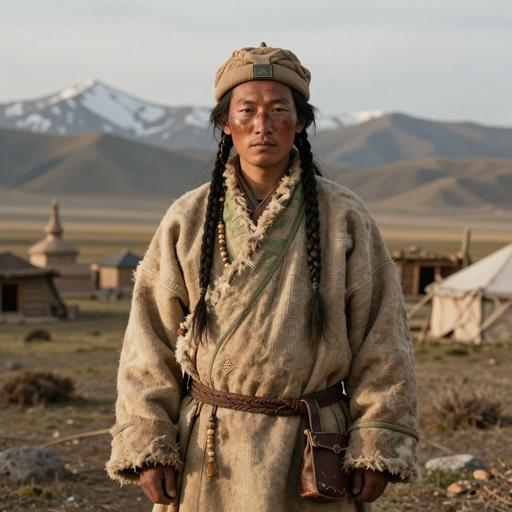
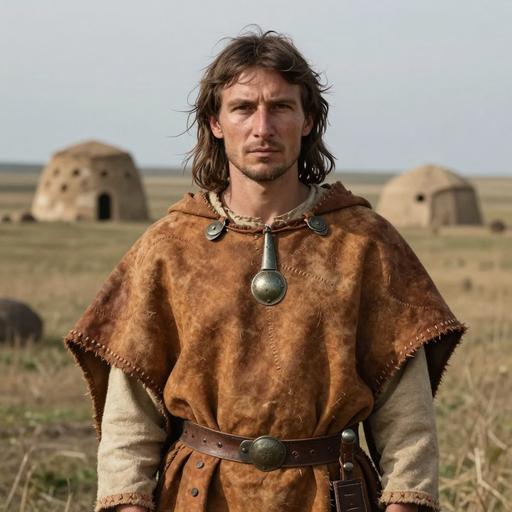
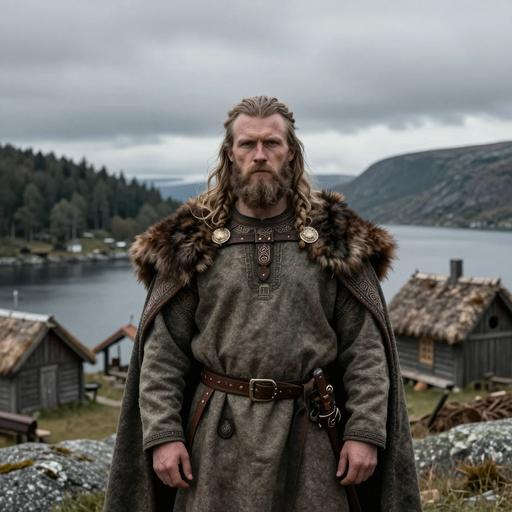
Portrait of ancient individual I15156 from Taiwan, dated 1 CE - 800 CE
I15156
Taiwan Iron Age Taiwan 1 CE - 800 CE Taiwanese Iron NO-M214 Direct
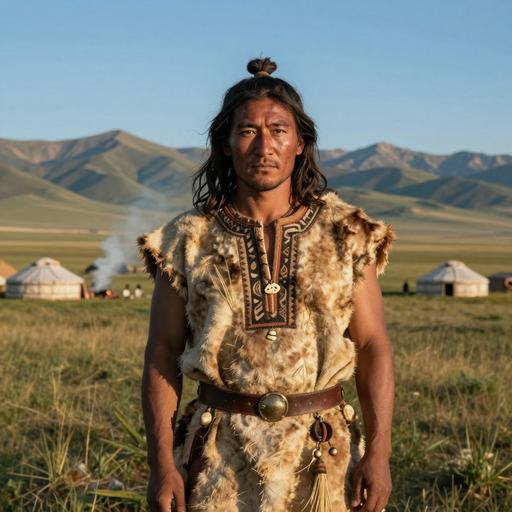
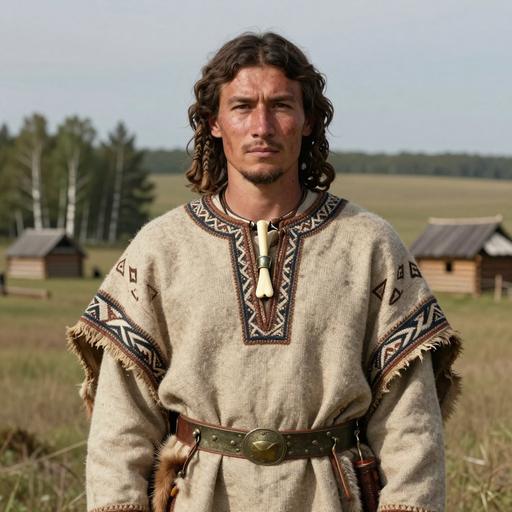
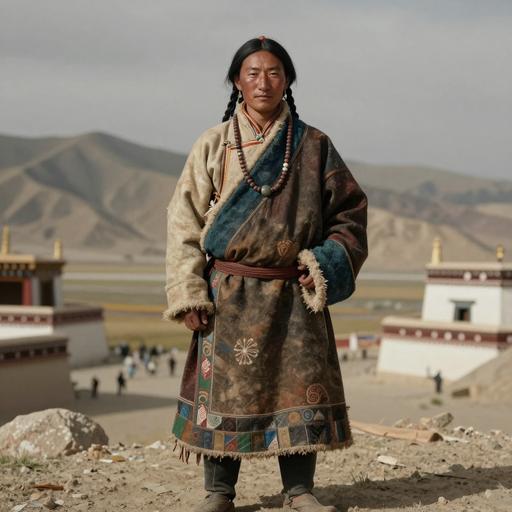
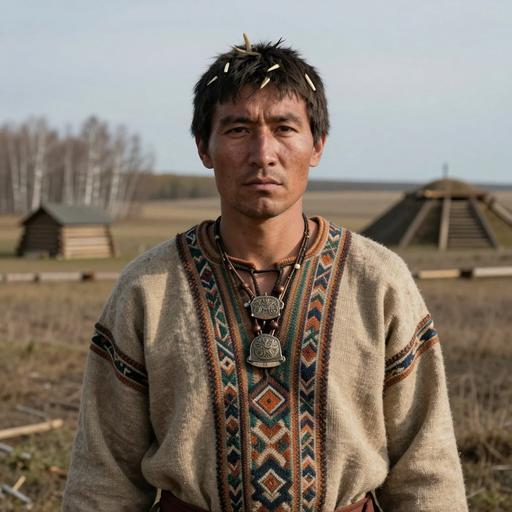
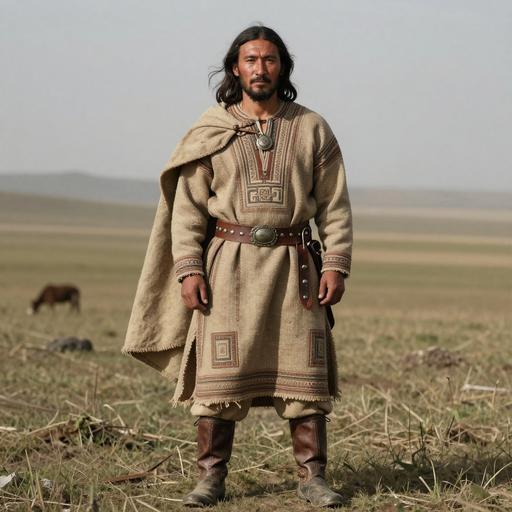
Portrait of ancient individual KHO007 from Mongolia, dated 26 CE - 125 CE
KHO007
Mongolia Middle to Late Bronze Age to Xiongnu to Late Medieval Khovd, Mongolia 26 CE - 125 CE Khovd Long-Term N-Tat Direct
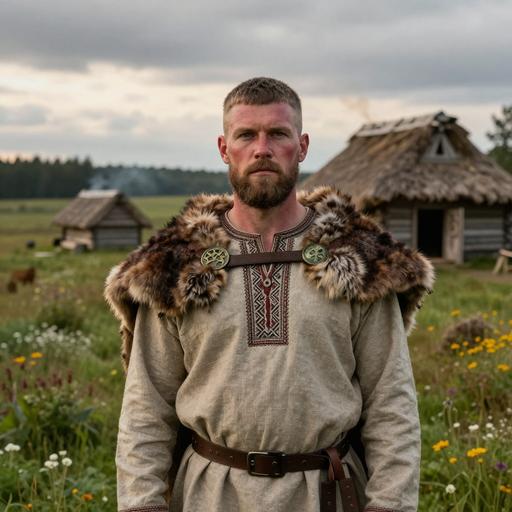
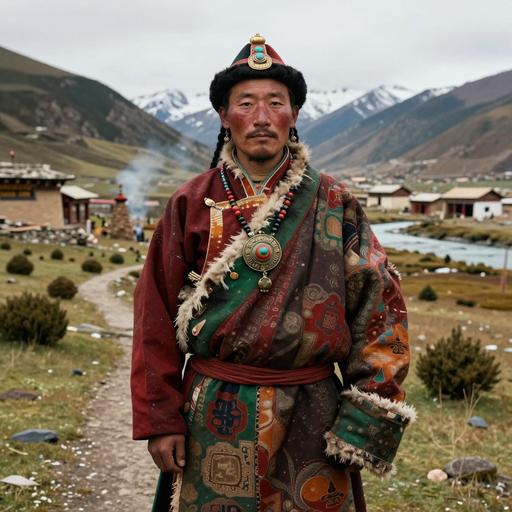
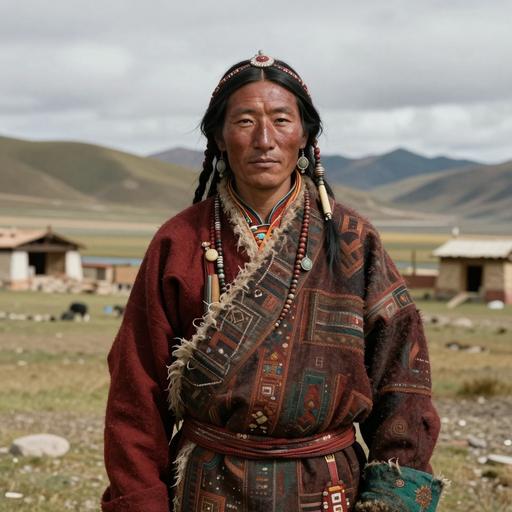
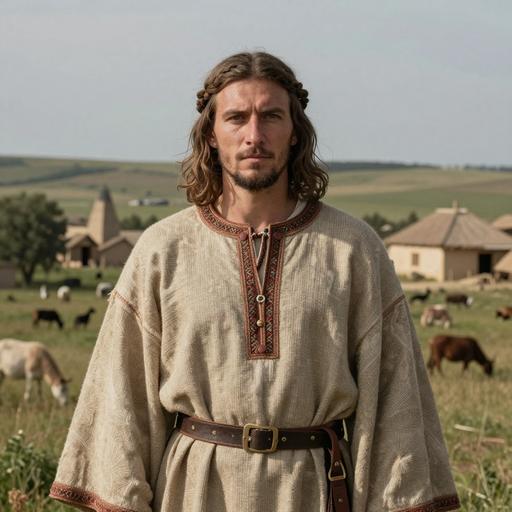
Portrait of ancient individual DA171 from Lithuania, dated 50 CE - 650 CE
DA171
Lithuania Late Antiquity Lithuania 50 CE - 650 CE Lithuanian Late Antiquity N-L1025 Direct
Portrait of ancient individual DA171 from Lithuania, dated 50 CE - 650 CE
DA171
Lithuania Late Iron Age Baltic Region 50 CE - 650 CE N-L1025 Direct
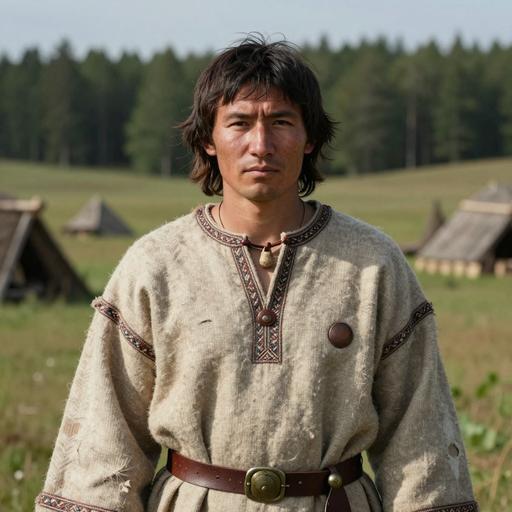
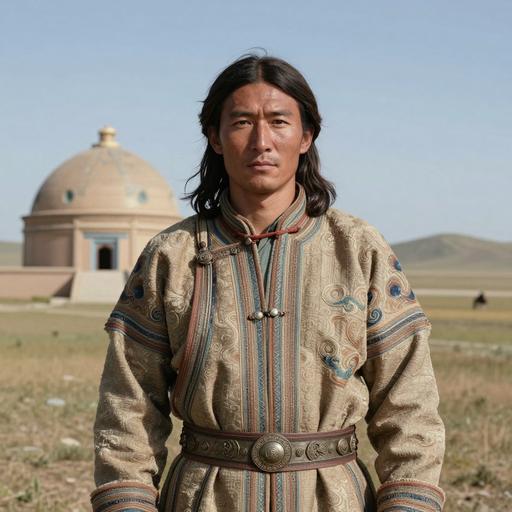
Portrait of ancient individual YUR001 from Mongolia, dated 52 BCE - 62 CE
YUR001
Mongolia Xiongnu Period Selenge, Mongolia 52 BCE - 62 CE Xiongnu Culture N-Y125475 Direct
Portrait of ancient individual IMA005 from Russia, dated 169 BCE - 44 BCE
IMA005
Russia Xiongnu Period Buryatia, Russia 169 BCE - 44 BCE Xiongnu Buryat N-P89 Direct
Portrait of ancient individual SON001 from Mongolia, dated 200 BCE - 100 CE
SON001
Mongolia Xiongnu Period Tuv, Mongolia 200 BCE - 100 CE Xiongnu Tuv N-CTS6380 Direct
Portrait of ancient individual BGD004 from Russia, dated 200 BCE - 1 BCE
BGD004
Russia Iron Age Sargat Culture, Russia 200 BCE - 1 BCE Sargat Culture N-L839 Direct
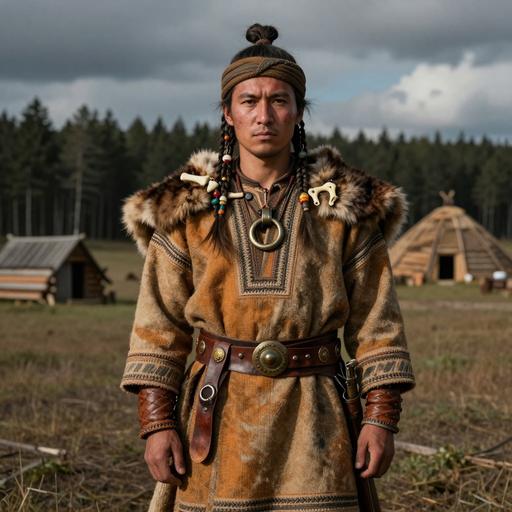
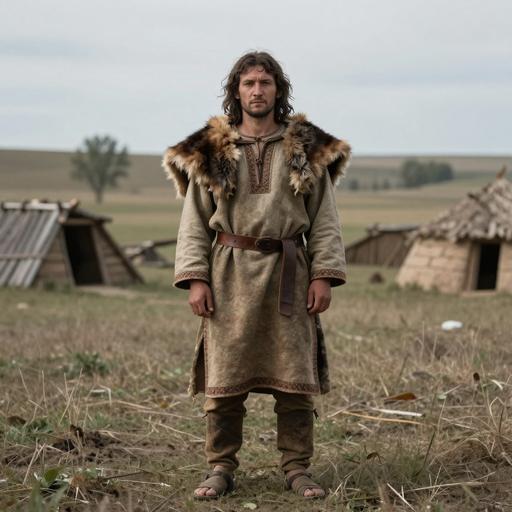
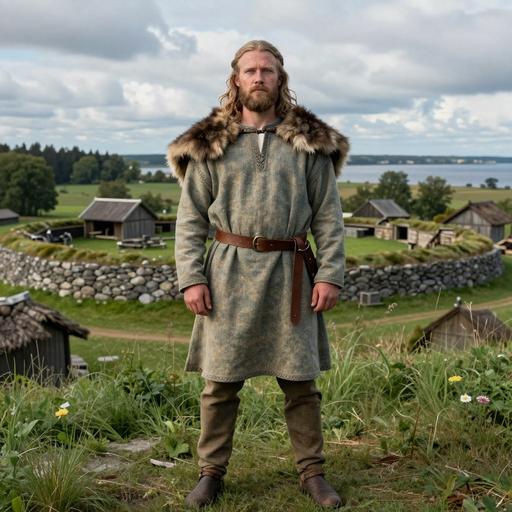
Portrait of ancient individual VK579 from Sweden, dated 200 CE - 400 CE
VK579
Sweden Iron Age Sweden 200 CE - 400 CE Nordic Iron Age N1a1a1a1a Direct
Portrait of ancient individual VK579 from Sweden, dated 200 CE - 400 CE
VK579
Sweden Iron Age Nordic Region 200 CE - 400 CE N-L550 Direct
Chapter VI

Carrier Distribution Map

Geographic distribution of 100 ancient DNA samples carrying haplogroup NO1 [K2A

Time Period Filter
All Time Periods
Showing all samples
Each marker represents an ancient individual
Chapter VII

Temporal Distribution

Distribution of carriers across archaeological periods

Chapter VIII

Geographic Distribution

Distribution of carriers by country of origin

Chapter IX

Country × Era Distribution

Cross-tabulation of carrier countries and archaeological periods

Data

Data & Provenance

Source information and data quality

Last Updated 2026-02-16
Confidence Score 50/100
Coverage Low
Data Source

We use the latest phylotree for YDNA haplogroup classification and data.