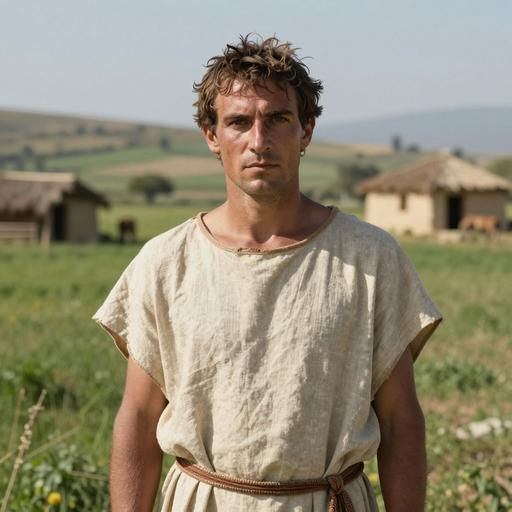
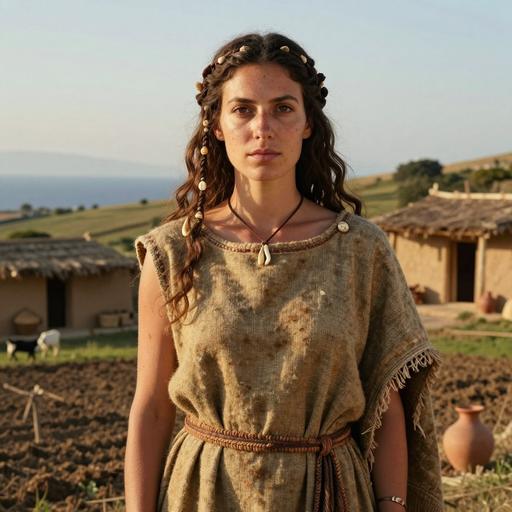
The Aegean record opens in deep time: radiocarbon-dated human remains and settlements reach back to the 7th millennium BCE, and the genetic series here spans from 6434 BCE into the first millennium BCE. Archaeological sites such as Alepotrypa Cave (Diros), Early Neolithic settlements on Crete and mainland tell of early farming lifeways introduced from Anatolia and further west. Over millennia those farming communities accreted cultural innovations — maritime exchange, specialized craft, and social complexity — culminating in the monumental palace cultures of the Bronze Age.
By the Early and Middle Bronze Age (c. 3000–1700 BCE) we see regional traditions: the Cycladic islanders with distinctive marble sculpture, Minoan Crete’s palatial towns (Lassithi, Kephala, Petras), and developing mainland centers that later crystallize into Mycenaean polities around sites like Pylos and Kastrouli. Archaeological evidence — palatial architecture, Linear A and later Linear B administrative records, fortified citadels and tombs — paints a picture of growing inequality, long-distance trade, and complex ritual life.
Limited evidence suggests movement of people and ideas across the Aegean and to western Anatolia (Gümüşlük). While material culture signals intense interaction, the combined archaeological and genetic dataset indicates both continuity with earlier Neolithic farmers and episodes of incoming ancestry, producing the layered populations encountered by Classical authors.