Menu
Store
Blog
Cuba_PlayadelMango_Archaic Caribbean & northern South America

Arawak Voices of the Caribbean

Archaeology and DNA reveal maritime networks from Venezuela to the Bahamas

800 BCE - 1650 CE
8 Ancient Samples
Scroll to begin
Chapter I

The Story

Understanding the Arawak Voices of the Caribbean culture

The Arawak cultural horizon (800 BCE–1650 CE) links ceramic traditions from Venezuela and Cuba to islands like St. Lucia and the Bahamas. Archaeology and 52 ancient genomes show Indigenous American maternal and paternal lineages and a pattern of regional continuity with local variation.

Time Period

800 BCE – 1650 CE

Region

Caribbean & northern South America

Common Y-DNA

Q (notably Q1b present)

Common mtDNA

C, D1, B2j, A2, C1b

Chapter II

Timeline

Key moments in the history of this culture

800 BCE

Earliest sampled contexts

Earliest dated samples in the dataset begin around 800 BCE, marking early Ceramic-period occupations in the region.

1000 CE

Regional ceramic florescence

Widespread Lavoutte and related ceramics indicate intensifying inter-island ties and shared craft traditions.

1492 CE

First sustained European contact

Contact introduces new demographic pressures; later samples may reflect post-contact changes.

1650 CE

Latest sampled contexts

Samples extend to the mid-17th century, capturing late pre-contact and contact-era populations.

Chapter III

Origins & Emergence

From the wind-swept coasts of the Orinoco basin to coral shores across the Caribbean, the cultural identity labeled “Arawak” emerges in the archaeological record as a constellation of boat-using communities and ceramic traditions. Sites in this dataset — Punta de Chateaux peninsula, Anse à la Gourde (Guadeloupe), Cueva de los Esqueletos and El Morrillo (Cuba), Lavoutte (St. Lucia), Las Locas (Venezuela) and Preacher’s Cave (Eleuthera, Bahamas) — preserve ceramics, burials and midden deposits that mark centuries of maritime connectivity between mainland South America and island archipelagos.

Archaeological data indicates sustained movement of people, ideas and goods during the Ceramic Period (broadly overlapping the samples here). Lavoutte-style pottery in St. Lucia and related ceramic forms in Guadeloupe and Curaçao suggest shared technological practices and networks of exchange. Limited evidence suggests these connections were oriented along prevailing currents and seasonal voyaging routes rather than single, rapid colonization events; instead, island colonization appears episodic and regionally varied.

Chronologically, the material culture in our sample set spans from the earliest dated contexts around 800 BCE through late pre-contact centuries. While stylistic similarities link many sites, local adaptations — in settlement pattern, subsistence emphasis and mortuary treatment — underline a mosaic of Arawak cultural expressions rather than a single uniform society. Ongoing excavation and targeted radiocarbon dating remain essential to refine the timing and pathways of these movements.
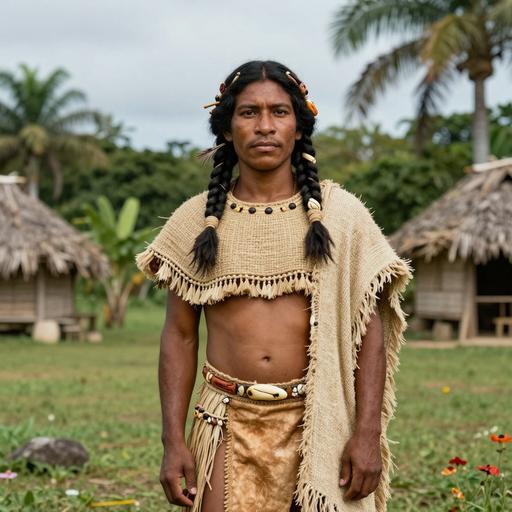
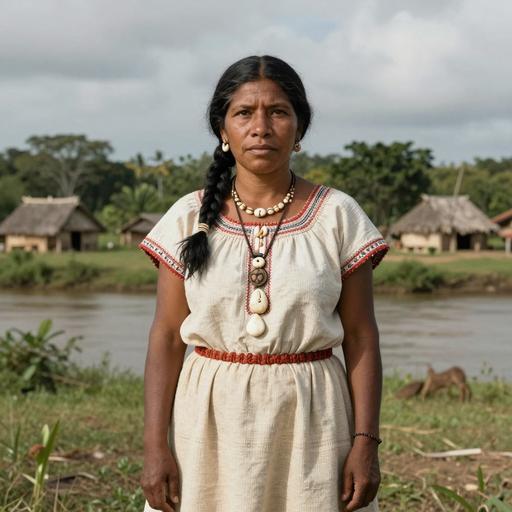
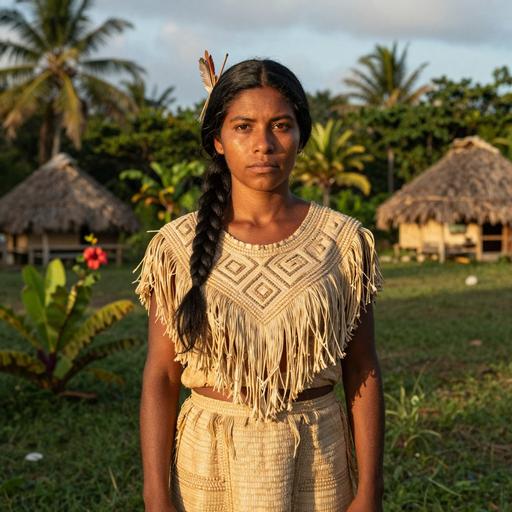
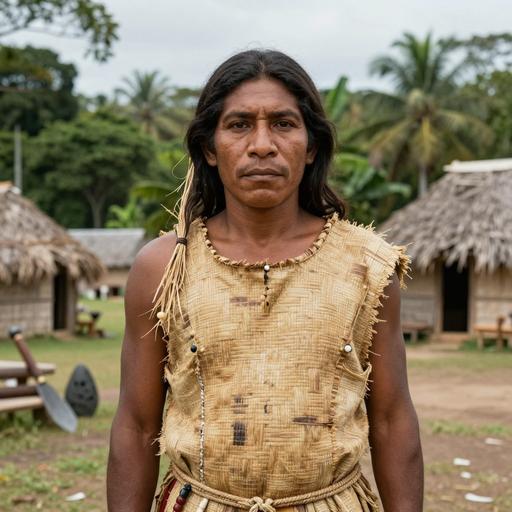
  • Sites from Venezuela to the Bahamas show shared ceramic traditions
  • Material links imply maritime networks, likely Orinoco-oriented
  • Regional variation indicates episodic settlement and local adaptation
Chapter IV

Daily Life & Society

The daily worlds of Arawak communities were shaped by sea, mangrove, and cultivated gardens. Archaeological features at sites such as Guayabo Blanco (Ciénaga de Zapata, Cuba), Playa del Mango (Granma province, Cuba) and Lavoutte (St. Lucia) record shell middens, fishhooks, groundstone tools and pottery—material traces of combined fishing, foraging and horticulture.

House structures are rarely preserved intact on many islands, but posthole patterns and associated hearths hint at small, often nucleated settlements with close links to coastal resources. Ceramic vessels range from plain utilitarian forms to decorated bowls and zoomorphic objects; their manufacture and repair indicate specialized craft knowledge transmitted across generations. Burials in caves (for example Cueva de los Esqueletos) and interments with grave goods speak to social practices that included ancestor veneration and differential treatment of the dead, though practices vary across islands and time.

Exchange networks moved raw materials and finished goods: stone for tools often came from continental sources, while shell ornaments and certain pottery styles flowed among islands. Ethnohistoric accounts recorded at first contact complement the archaeological record by describing horticultural staples such as manioc and sweet potato, but the archaeological footprint of specific crops is often indirect and must be inferred from toolkits and plant microremains when preserved. Overall, daily life combined maritime mobility, local resource intensification and regional exchange.

  • Subsistence blended horticulture, fishing, and shellfish gathering
  • Ceramics and burials indicate craft specialization and social differentiation
Chapter V

Genetic Profile

Fifty-two ancient genomes from this Arawak-associated dataset span 800 BCE to 1650 CE and originate from Cuba, St. Lucia, Guadeloupe, Venezuela, Curaçao and the Bahamas. The paternal lineages are dominated by Y-chromosome haplogroup Q (26 individuals), with a small subset assigned to Q1b (2 individuals). Maternal lineages show a mix of Native American founding haplogroups: mtDNA C (14), D1 (10), B2j (6), A2 (5) and C1b (4).

These patterns align with broader expectations for Indigenous American groups: haplogroup Q is a common paternal lineage among many Native American populations, while A2, B2, C and D1 are typical matrilineal markers tracing back to the initial peopling of the Americas. The distribution of haplogroups across islands and time suggests a degree of continuity between mainland source populations (notably northern South America) and island communities, consistent with archaeological models of Orinoco-to-Caribbean dispersals.

Caveats: although 52 samples provide meaningful resolution, sampling is uneven in time and space. Temporal span across more than two millennia means later samples (post-contact centuries) could reflect demographic shifts, including contact-era admixture, which must be evaluated with genome-wide autosomal data. Some sites contribute only a few genomes, so site-level inferences remain tentative. Combined archaeological context and ancient DNA, however, strengthen the inference of long-standing indigenous ancestry in these islands and illuminate patterns of regional connectivity and local differentiation.

  • Paternal Y-DNA dominated by haplogroup Q; Q1b observed
  • Maternal mtDNA (A2, B2j, C, C1b, D1) reflects Indigenous American founding lineages
Chapter VI

Legacy & Modern Connections

The genetic and archaeological threads of Arawak lifeways continue to inform Caribbean cultural identities today. Place names, craft traditions and elements of oral history trace back to pre-contact peoples whose descendants contributed to the genetic and cultural tapestry of the region. Ancient DNA demonstrates continuity of Indigenous maternal and paternal lineages across centuries in many locales, even where post-contact demographic change altered the visible cultural landscape.

At the same time, a careful scientific posture is required: the archaeological record documents diversity across islands and time, and genetic data reveal both persistence and change, including admixture events after 1492 CE that shaped modern populations. Collaborative research with descendant communities, combined analyses of ancient genomes and archaeological material, and transparent communication about uncertainty, allow museum and heritage programs to connect people living today with deep histories grounded in both stones and sequences.

  • Genetic continuity underpins Indigenous contributions to modern Caribbean ancestry
  • Interdisciplinary and community-driven research is essential for nuanced legacy narratives
Chapter VII

Sample Catalog

8 ancient DNA samples associated with the Arawak Voices of the Caribbean culture

Ancient DNA samples from this era, providing genetic insights into the people who lived during this period.

8 / 8 samples
Portrait Sample Country Era Date Culture Sex Y-DNA mtDNA
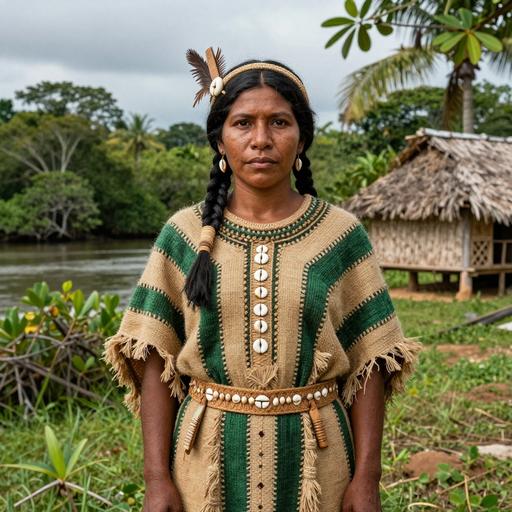
Portrait of ancient individual PDM004 from Cuba, dated 31 CE
PDM004
Cuba Cuba_PlayadelMango_Archaic 31 CE Arawak M Q1b1a1a1 C1d1
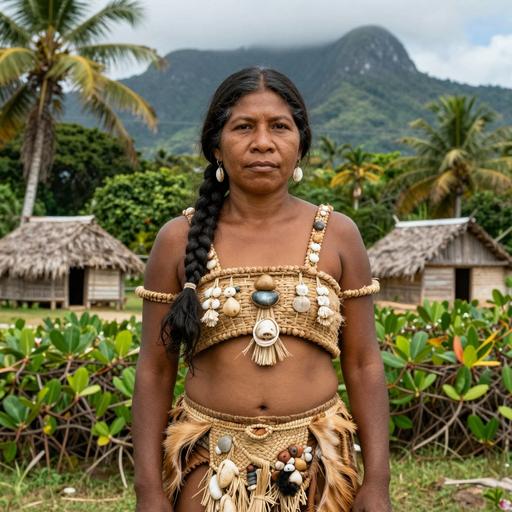
Portrait of ancient individual PDM010 from Cuba, dated 14 CE
PDM010
Cuba Cuba_PlayadelMango_Archaic 14 CE Arawak F - A2
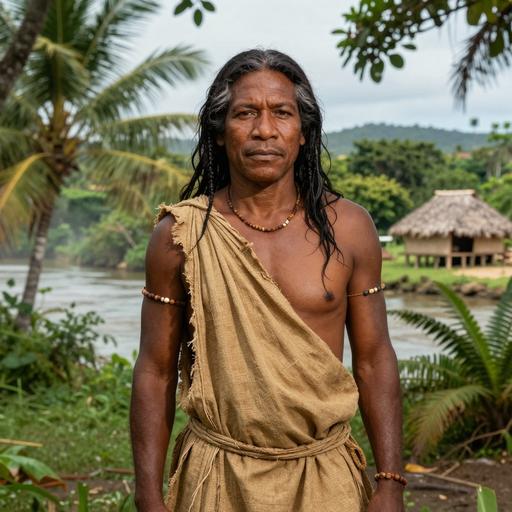
Portrait of ancient individual PDM006 from Cuba, dated 151 BCE
PDM006
Cuba Cuba_PlayadelMango_Archaic 151 BCE Arawak F - C1d1
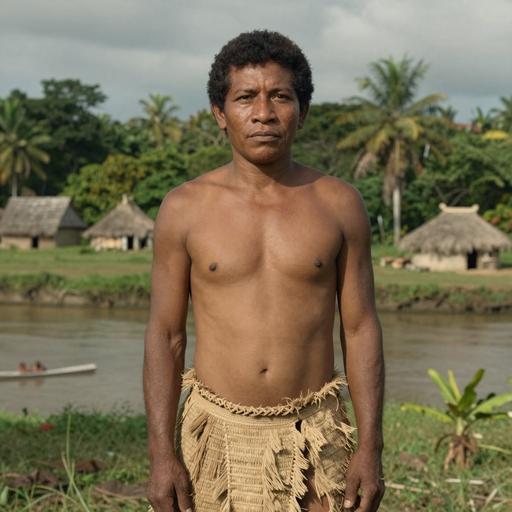
Portrait of ancient individual PDM001 from Cuba, dated 19 CE
PDM001
Cuba Cuba_PlayadelMango_Archaic 19 CE Arawak F - C1d1
Portrait of ancient individual PDM008 from Cuba, dated 89 CE
PDM008
Cuba Cuba_PlayadelMango_Archaic 89 CE Arawak M Q1b1a1a1 D1
Portrait of ancient individual PDM009 from Cuba, dated 150 BCE
PDM009
Cuba Cuba_PlayadelMango_Archaic 150 BCE Arawak M Q1b1a1a1 C1d1
Portrait of ancient individual PDM002 from Cuba, dated 150 BCE
PDM002
Cuba Cuba_PlayadelMango_Archaic 150 BCE Arawak F - C1d1
Portrait of ancient individual PDM003 from Cuba, dated 151 BCE
PDM003
Cuba Cuba_PlayadelMango_Archaic 151 BCE Arawak M Q1b1a1a C1d1
AI Powered

AI Assistant

Ask questions about the Arawak Voices of the Caribbean culture

AI Assistant by DNAGENICS

Unlock this feature
Ask questions about the Arawak Voices of the Caribbean culture. Our AI assistant can explain genetic findings, historical context, archaeological evidence, and modern connections.
Sample AI Analysis

The Arawak Voices of the Caribbean culture represents a fascinating chapter in human history...

Genetic analysis reveals connections to earlier populations while showing evidence of unique adaptations and cultural innovations. The ancient DNA samples provide insights into migration patterns, social structures, and the biological relationships between ancient populations.

This is a preview of the AI analysis. Unlock the full AI Assistant to explore detailed insights about:

  • Genetic composition and ancestry
  • Migration patterns and origins
  • Daily life and cultural practices
  • Modern genetic legacy
Use code for 50% off Expires Mar 05