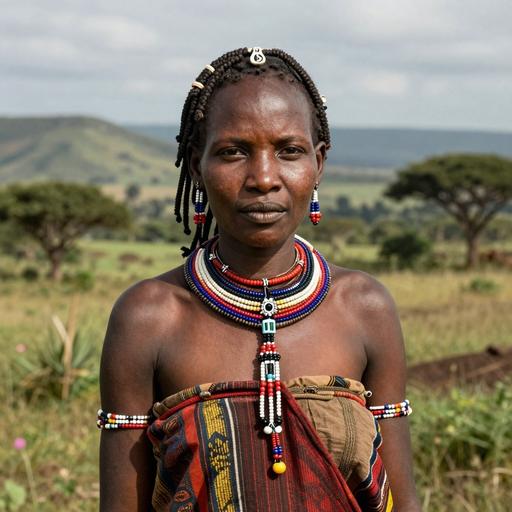
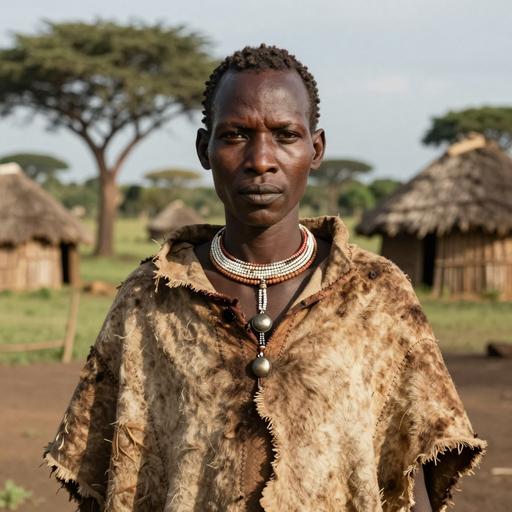
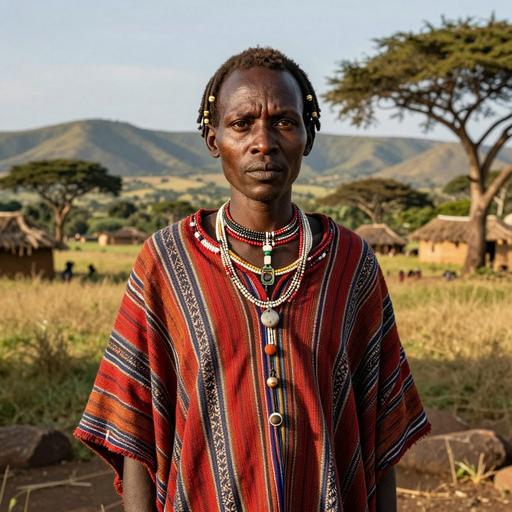
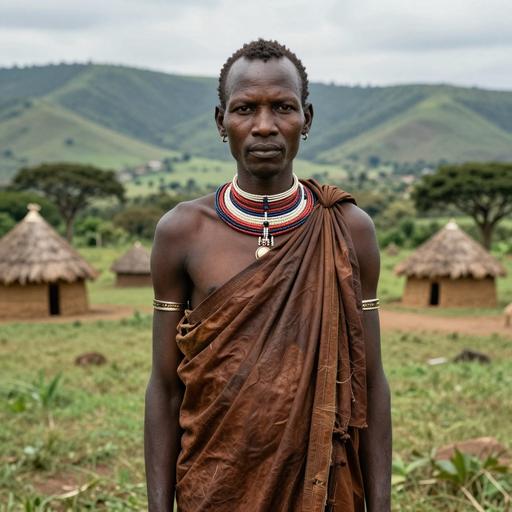
Across a panorama of savannahs, lakeshores and coastal caves, the archaeological record captures the slow, uneven pulse of the Bantu expansions. Material traces associated with expanded food production and Iron Age lifeways appear throughout East and Southern Africa from the first millennia BCE onward, but evidence presented here reaches back to 4300 BCE in some sampled contexts. Key sites include Panga ya Saidi and Kilifi on the Kenyan coast, Fingira and Chencherere in Malawi, Gishimangeda Cave and sites near Lake Eyasi in Tanzania, and multiple South African localities such as Ballito Bay, Champagne Castle and Eland Cave.
Archaeological data indicate a mosaic of local developments and incoming traditions: pottery, ironworking, and new subsistence practices spread along river corridors and lakeshores. Genetic data from 59 individuals attributed to Bantu-associated contexts support a core ancestry component widespread in East–Southern African samples, but also show regionally variable admixture with preexisting hunter‑gatherer groups. Limited evidence suggests some early interactions with eastern African pastoralist groups, but the timing and directionality of those contacts remain under study.
The story is cinematic: moving people carrying crops and metallurgy into diverse landscapes, meeting established communities and creating local blends of material culture. Yet many sites are patchy in time and coverage, so reconstructions are provisional and benefit from ongoing sampling.