Menu
Store
Blog
Canarias_Guanche Morocco & Canary Islands

Berber Threads of North Africa

From Moroccan caves to Canary Island cliffs — archaeology and ancient DNA trace long threads of movement and adaptation.

8400 BCE - 1500 CE
41 Ancient Samples
Scroll to begin
Chapter I

The Story

Understanding the Berber Threads of North Africa culture

Archaeological remains from Morocco and the Canary Islands (8400 BCE–1500 CE) and 69 ancient genomes reveal a complex tapestry: local Epipalaeolithic roots, Neolithic transformations, island founder events (Guanche), and multilayered genetic ancestry blending North African, Eurasian, and sub‑Saharan elements.

Time Period

8400 BCE–1500 CE

Region

Morocco & Canary Islands

Common Y-DNA

E (8), T (2)

Common mtDNA

U (10), K (6), M (3), H2a (2), L (2)

Chapter II

Timeline

Key moments in the history of this culture

8400 BCE

Earliest Epipalaeolithic presence

Archaeological layers in Morocco show hunter‑gatherer occupations that form the deep roots of later North African sequences.

5000 BCE

Early Neolithic communities

Sites like Ifri n'Amr or Moussa record early farming and herding practices during the Neolithic transition in Morocco.

500 BCE

Colonization of the Canary Islands (approx.)

Archaeological and genetic data indicate small pioneering groups reached Tenerife and Gran Canaria, establishing the Guanche cultural horizon (date approximate).

Chapter III

Origins & Emergence

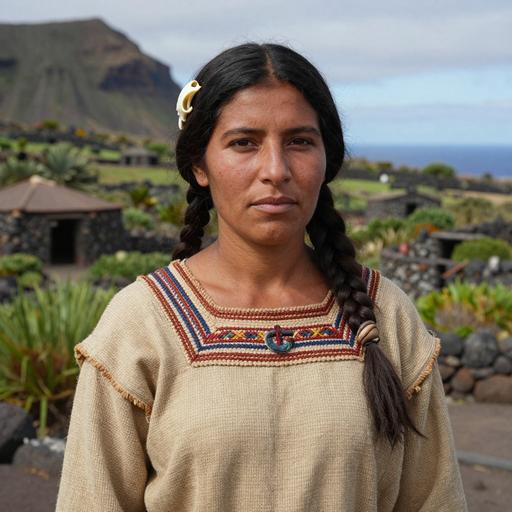
The story begins in the sheltering rock and alluvial valleys of Morocco. Archaeological layers spanning the Epipalaeolithic–Neolithic transition (the earliest samples in this dataset date to c. 8400 BCE) show hunter‑gatherer lifeways gradually layering with early farming practices. Key Moroccan sites sampled here — Ifri n'Amr or Moussa, Kelif el Boroud, Kaf Taht el‑Ghar, and Skhirat‑Rouazi — preserve a sequence of stone tools, early domesticates, and burial practices that mark local cultural continuity and regional exchange.

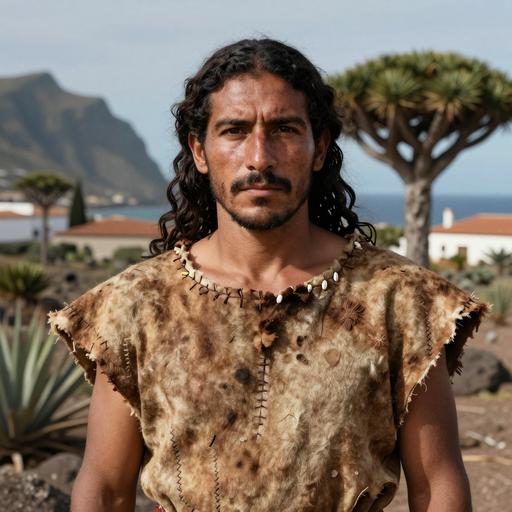
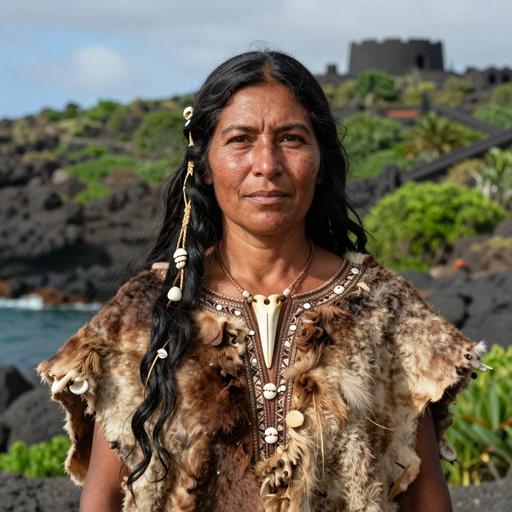
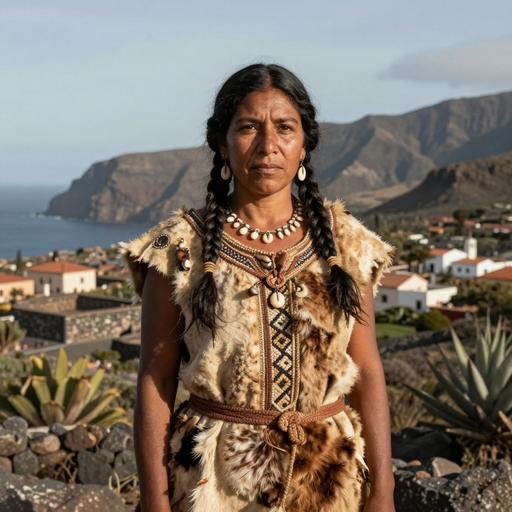
By the later prehistoric period, maritime voyages carried people and their material culture westward across the Atlantic margin to the Canary Islands. The primary era represented in this dataset, Canarias_Guanche, reflects communities on Tenerife and Gran Canaria that archaeologists identify with the Guanche cultural horizon. Archaeological data indicates island colonization involved small pioneering groups whose lifeways adapted to volcanic landscapes and insular resources.

Limited evidence suggests that these developments were neither singular nor simple: multiple currents — indigenous Epipalaeolithic lineages, incoming Neolithic farmers with Mediterranean connections, and later movements — combined in northern Africa. Radiocarbon dates and stratigraphic contexts anchor this sequence, but the full picture remains provisional where sample coverage is sparse or uneven across millennia.
  • Earliest dataset evidence spans c. 8400 BCE (Epipalaeolithic) through 1500 CE.
  • Key Moroccan sites: Ifri n'Amr or Moussa; Kelif el Boroud; Kaf Taht el‑Ghar; Skhirat‑Rouazi.
  • Canary colonization produced distinct island adaptations (Guanche cultural horizon).
Chapter IV

Daily Life & Society

Across the long arc from inland Morocco to the Canary Islands, everyday life was shaped by environment and mobility. In the Taza plain, Atlantic plains and river valleys, Neolithic communities cultivated cereals and herded caprines, leaving behind grinding stones, charred seeds, and pit features. At Ifri n'Amr or Moussa archaeologists have documented domestic contexts and burial treatments that reflect emerging social differentiation during the early Neolithic.

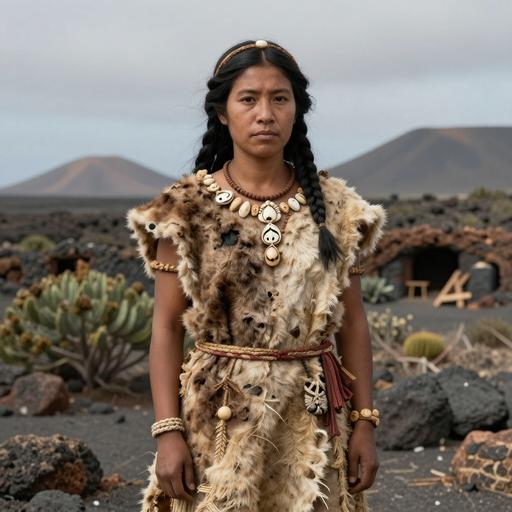
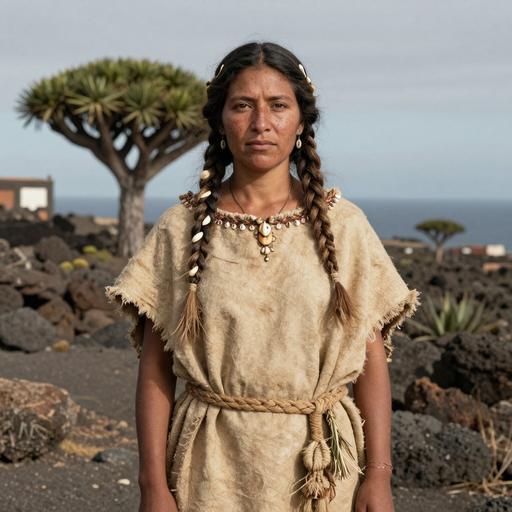
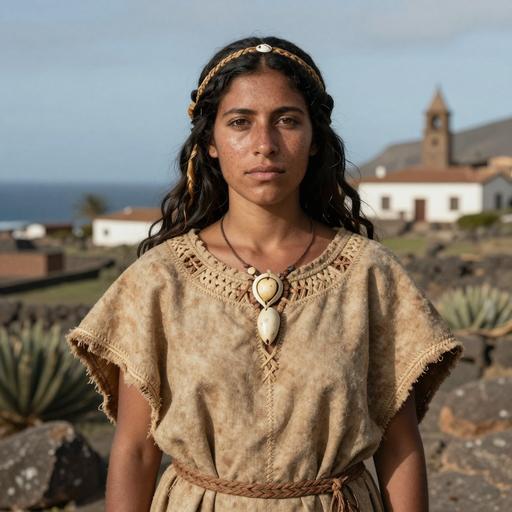
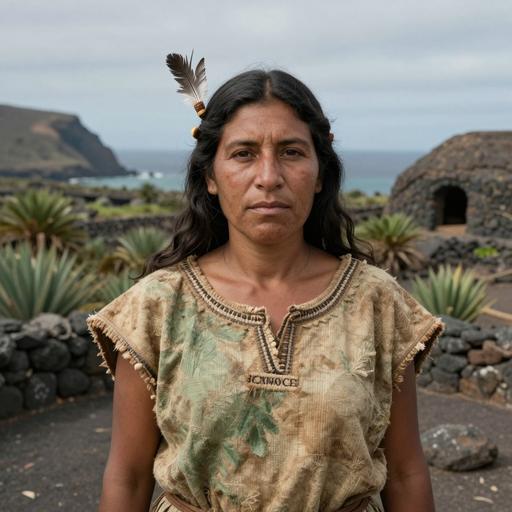
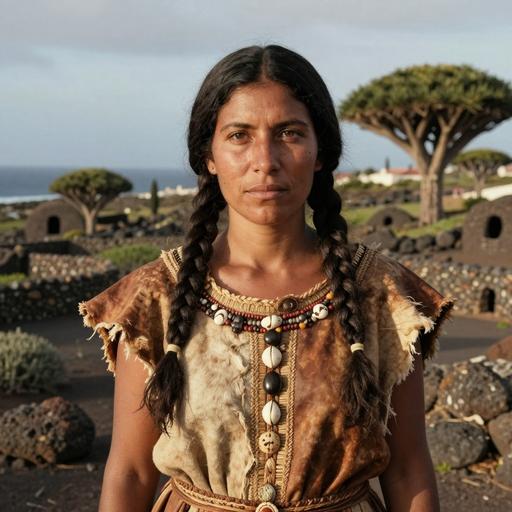
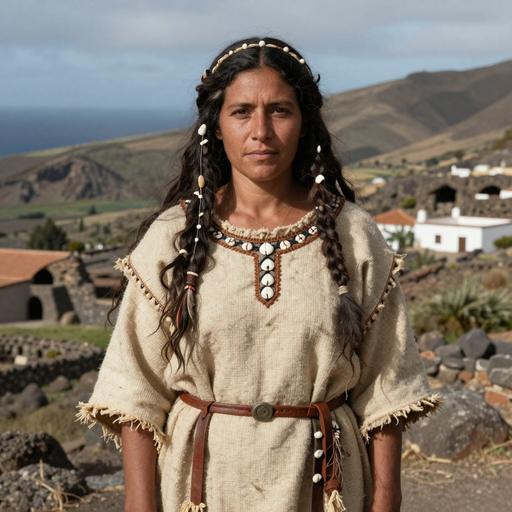
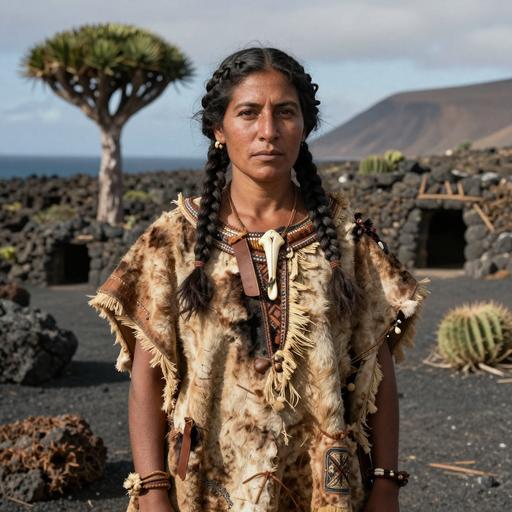
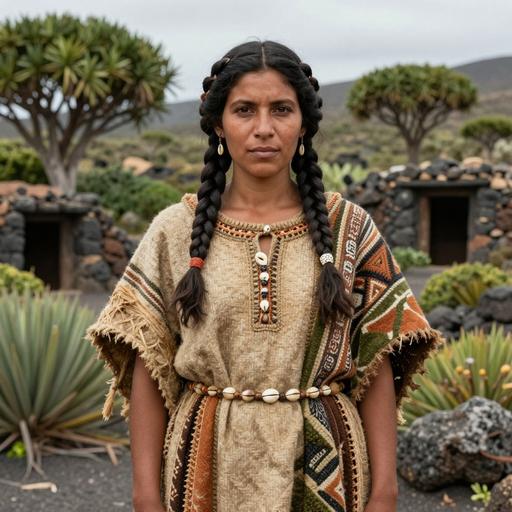
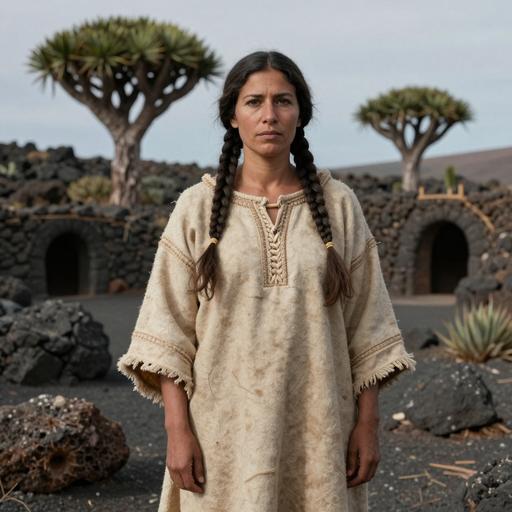
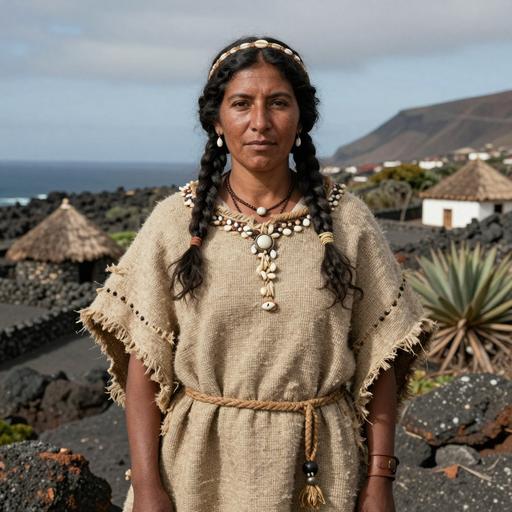
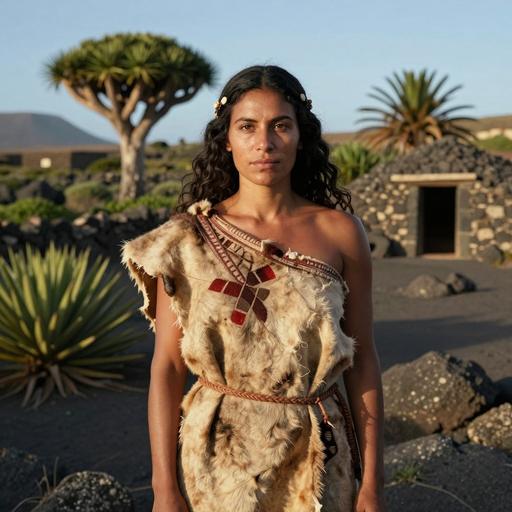
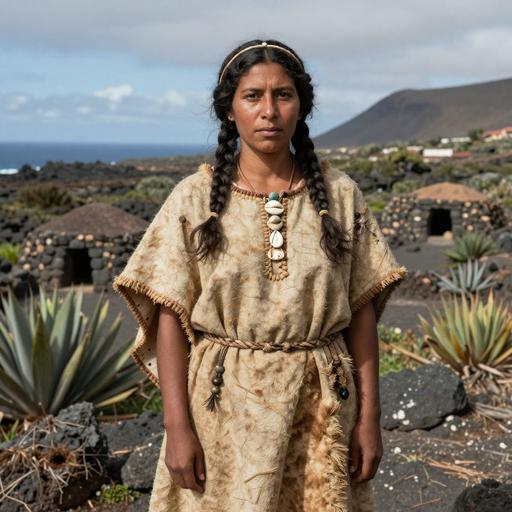
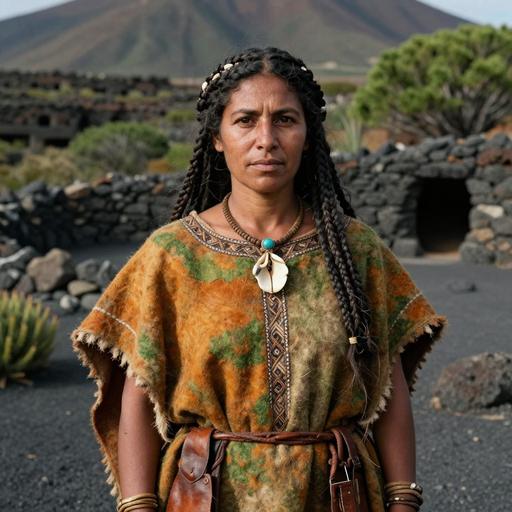
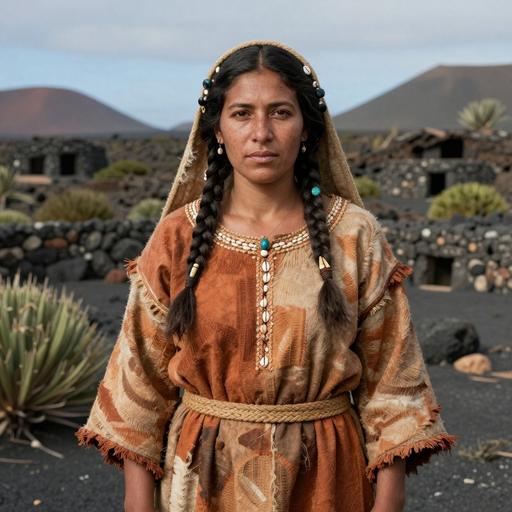
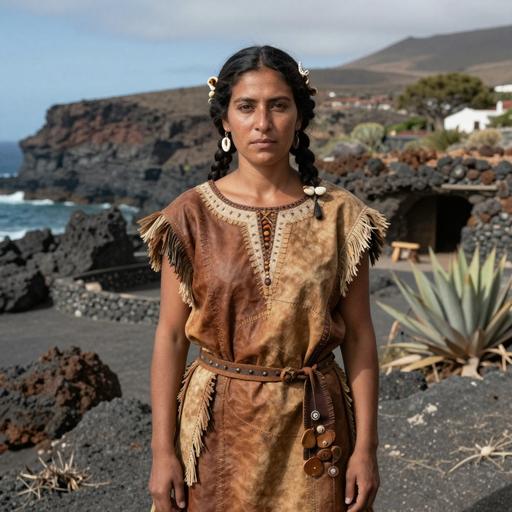
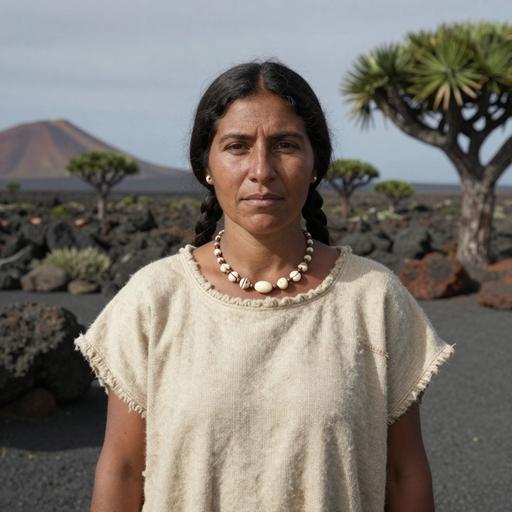
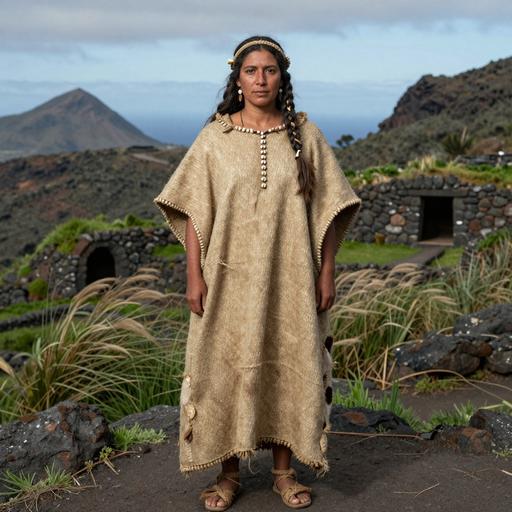
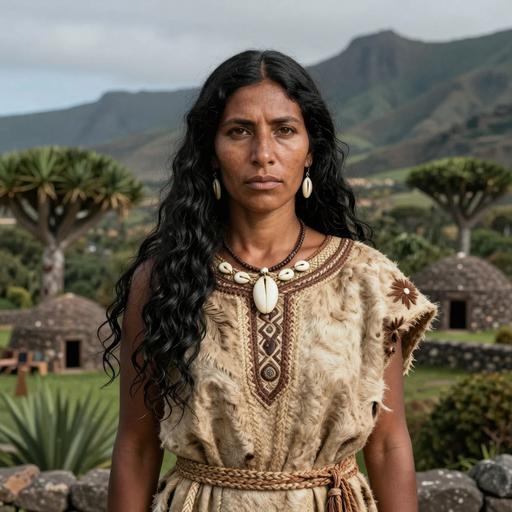
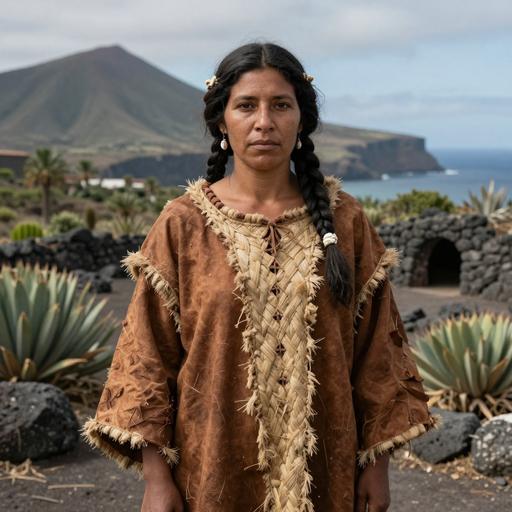
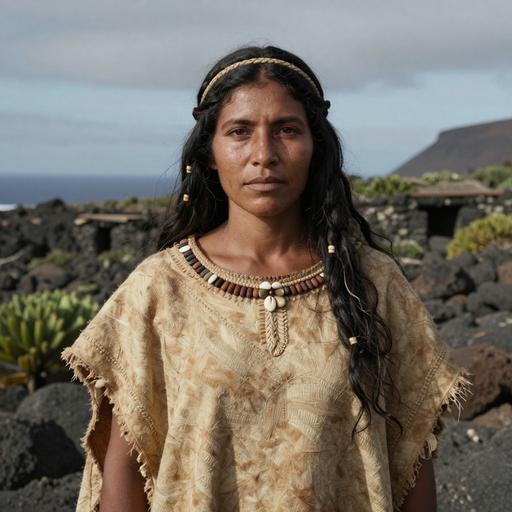
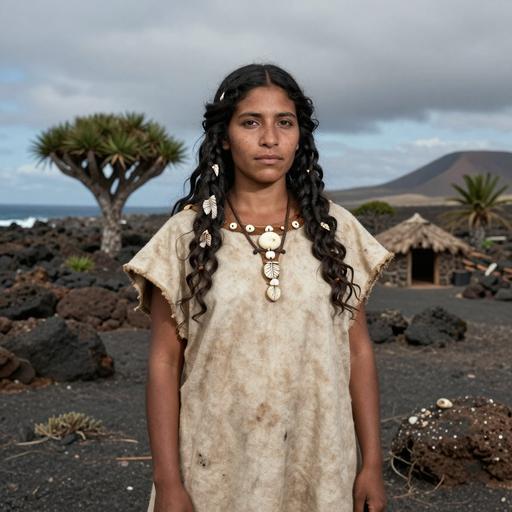
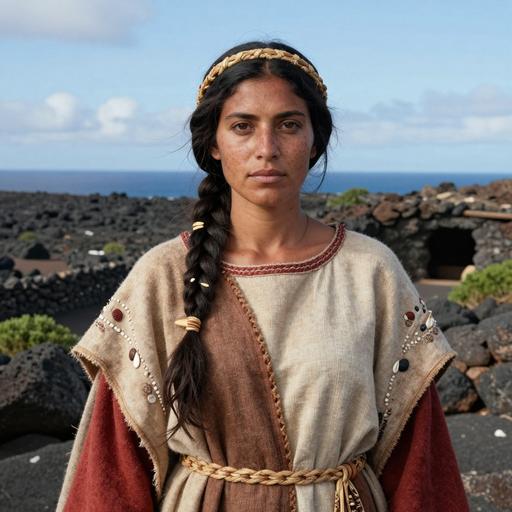
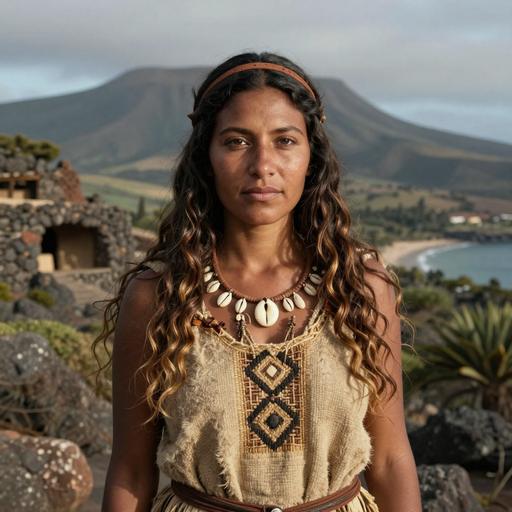
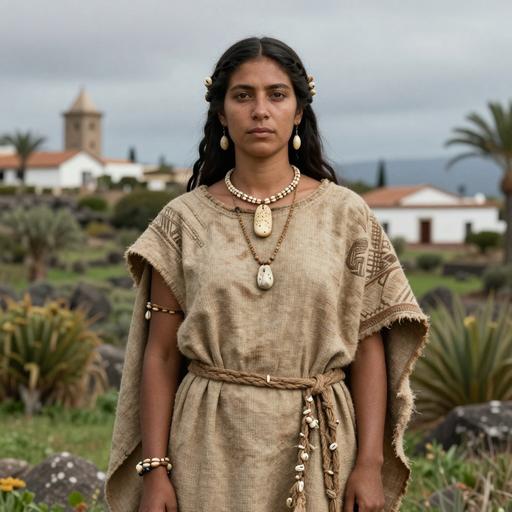
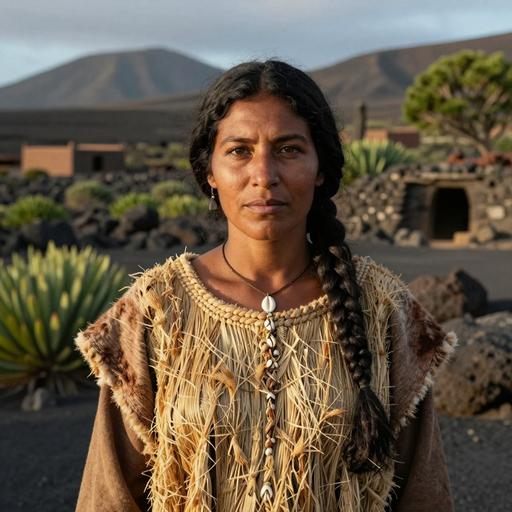
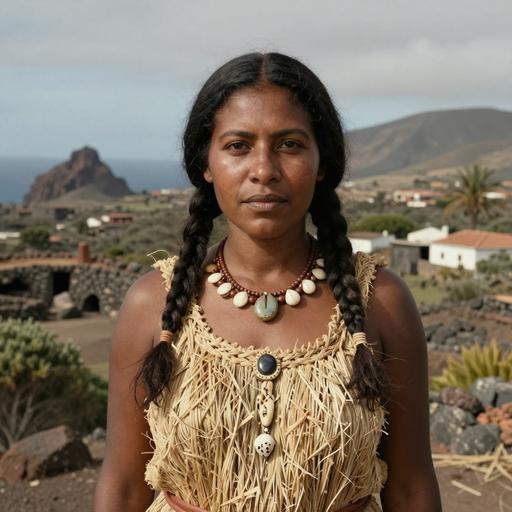
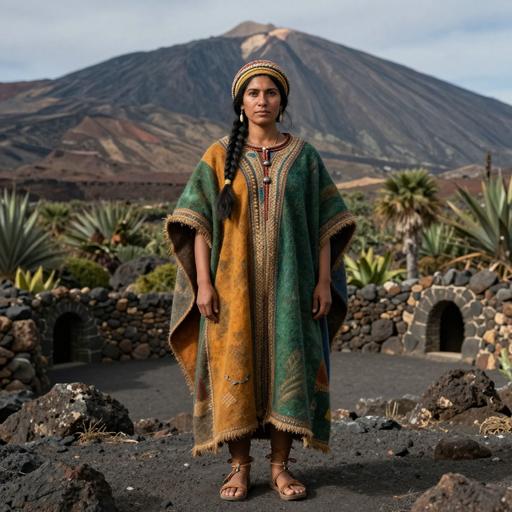
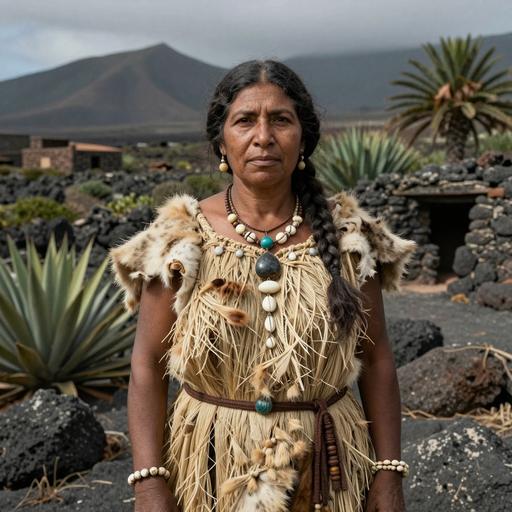
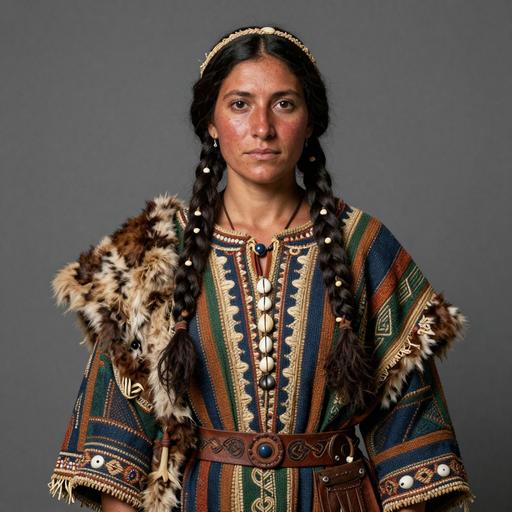
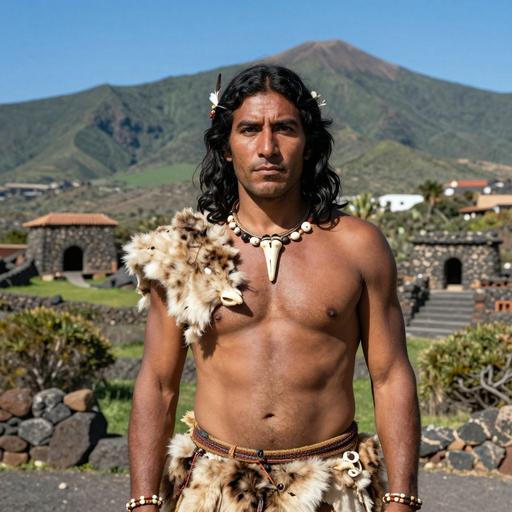
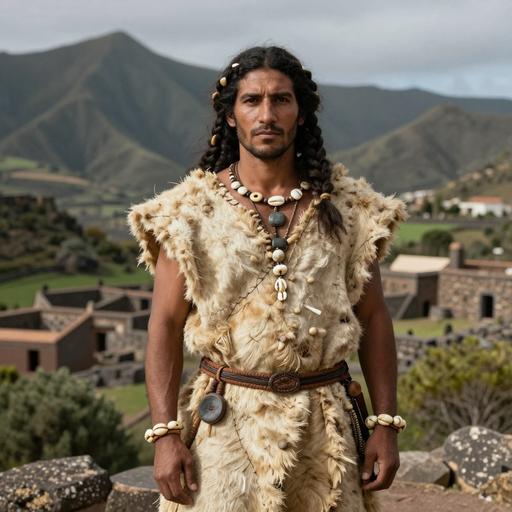
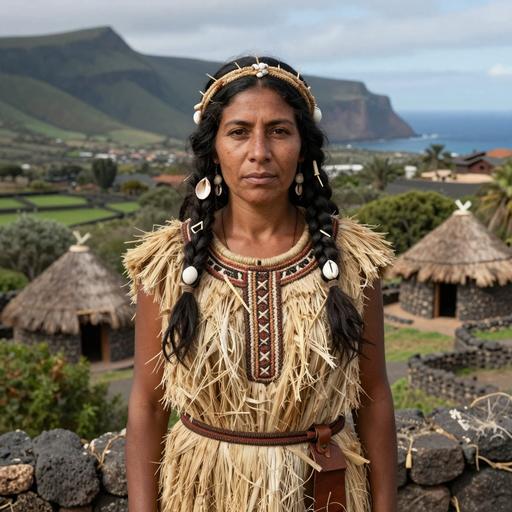
On the islands of Tenerife and Gran Canaria, the Guanche adapted a mainland toolkit to volcanic terrain: cave shelters and rock cavities were used for habitations and burials; pastoralism — notably sheep and goats — appears central; and coastal foraging augmented diets. The island archaeological record shows localized craft traditions, distinctive funerary practices, and pottery styles that diverge from mainland assemblages, consistent with founder effects and cultural drift.

Social organization likely ranged from small kin groups on islands to larger aggregated farming villages on the mainland. Material signs of trade — obsidian, marine shells, and certain ceramic forms — hint at long‑range connections across the western Mediterranean. However, many interpretations remain cautious: preservation biases and uneven sampling can obscure the scale and tempo of social change.

  • Mainland Neolithic: mixed farming, herding, and permanent settlements.
  • Island lifeways: pastoralism, cave habitation, distinctive funerary practices.
Chapter V

Genetic Profile

Sixty‑nine ancient individuals spanning 8400 BCE to 1500 CE provide a window into North African genetic complexity. Uniparental markers in this set show Y‑DNA haplogroups E (8 occurrences) and T (2 occurrences) and mitochondrial diversity led by U (10), K (6), M (3), H2a (2), and L (2). These counts reflect the sampled individuals and should be read alongside autosomal data for fuller ancestry reconstructions.

Interpretation: Y‑haplogroup E is long associated with North African and wider Afro‑Eurasian populations, while T appears as a less frequent lineage that may reflect Mediterranean or Near Eastern links; both signals are consistent with a multilayered male ancestry. Maternal lineages U and K are commonly tied to Eurasian and Neolithic farmer ancestries; haplogroup M and L signal deeper African maternal contributions and sub‑Saharan gene flow. On the Canary Islands, genomic patterns indicate founder effects and drift — a reduced pool of lineages that can amplify particular haplogroups relative to mainland frequencies.

Caution is essential: some temporal slices and site subsets include fewer than ten samples; conclusions about fine‑grained demographic events are therefore preliminary. Combined archaeological context and genome‑wide analyses, however, support a model of local continuity mixed with episodic admixture: indigenous Maghrebi roots layered with incoming Neolithic farmer ancestry and later contacts that shaped the genetic landscape observed in these ancient remains.

  • Dataset (n=69) shows mixed North African, Eurasian, and sub‑Saharan maternal signatures.
  • Y‑DNA dominated by E, with smaller presence of T; island samples reflect founder effects and drift.
Chapter VI

Legacy & Modern Connections

The archaeological and genetic threads tying Morocco to the Canary Islands carry into the present. The Guanche cultural imprint survives in place names, oral memory, and the skeletal and genomic legacy preserved in early colonial and indigenous remains. In Morocco, continuity at some sites suggests that elements of the Neolithic and later prehistoric gene pool contributed to the ancestry of modern Amazigh (Berber) populations.

Ancient DNA helps to contextualize modern North African diversity: shared maternal and paternal lineages point to long‑term regional continuity, while signatures of admixture attest to intercontinental connections across the Mediterranean and Sahara. Yet, translating ancient lineages into direct ancestry claims for contemporary groups requires caution — population structure, drift, and later migrations all reshape genetic landscapes.

Overall, the interplay of archaeology and genetics paints a cinematic yet evidence‑grounded portrait of resilience and mobility — communities rooted in North African landscapes, voyaging to islands, and continually remaking social and biological identities across millennia.
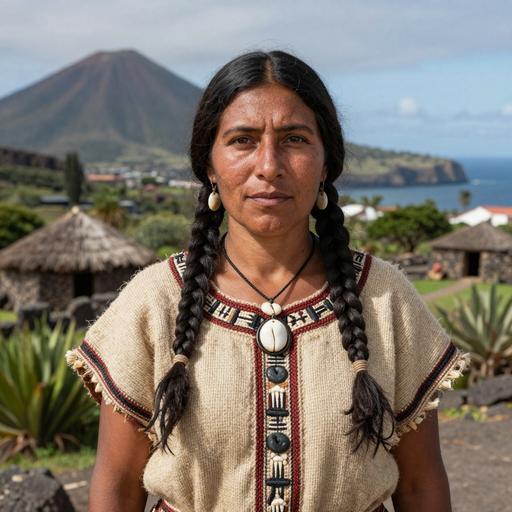
  • Ancient genomes link prehistoric Moroccan communities to later Amazigh populations and island Guanche lineages.
  • Shared lineages reveal continuity and admixture, but demographic complexity demands cautious interpretation.
Chapter VII

Sample Catalog

41 ancient DNA samples associated with the Berber Threads of North Africa culture

Ancient DNA samples from this era, providing genetic insights into the people who lived during this period.

41 / 41 samples
Portrait Sample Country Era Date Culture Sex Y-DNA mtDNA
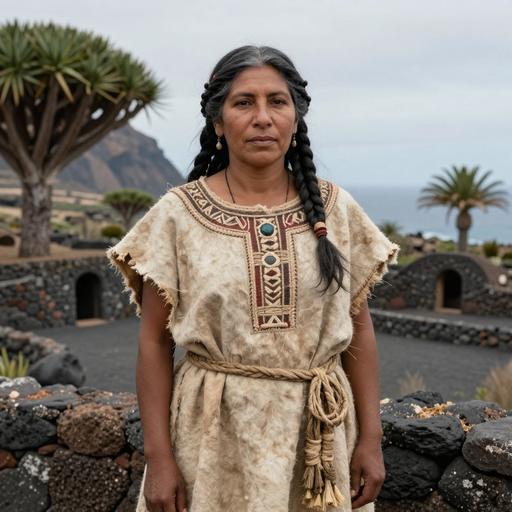
Portrait of ancient individual CAN.001 from Canary Islands, dated 1200 CE
CAN.001
Canary Islands Canarias_Guanche 1200 CE Berber U - -
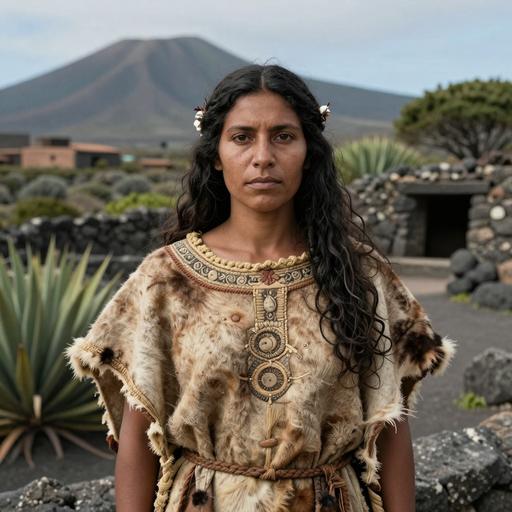
Portrait of ancient individual CAN.002 from Canary Islands, dated 1200 CE
CAN.002
Canary Islands Canarias_Guanche 1200 CE Berber U - -
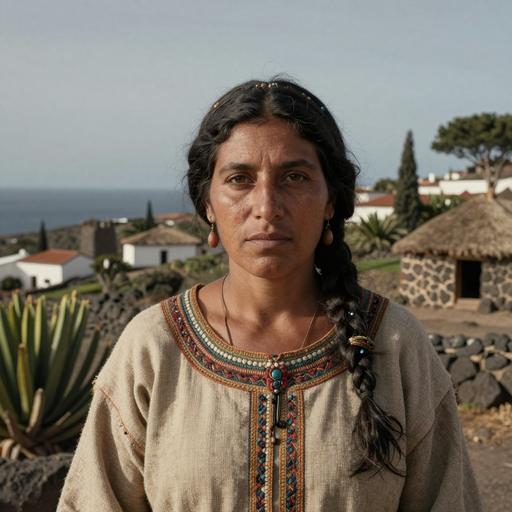
Portrait of ancient individual CAN.003 from Canary Islands, dated 1200 CE
CAN.003
Canary Islands Canarias_Guanche 1200 CE Berber U - -
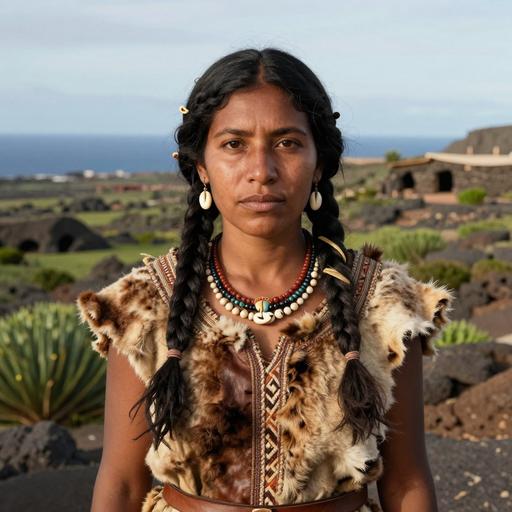
Portrait of ancient individual CAN.004 from Canary Islands, dated 1200 CE
CAN.004
Canary Islands Canarias_Guanche 1200 CE Berber U - -
Portrait of ancient individual CAN.005 from Canary Islands, dated 1200 CE
CAN.005
Canary Islands Canarias_Guanche 1200 CE Berber U - -
Portrait of ancient individual CAN.008 from Canary Islands, dated 1200 CE
CAN.008
Canary Islands Canarias_Guanche 1200 CE Berber U - -
Portrait of ancient individual CAN.009 from Canary Islands, dated 1200 CE
CAN.009
Canary Islands Canarias_Guanche 1200 CE Berber U - -
Portrait of ancient individual CAN.010 from Canary Islands, dated 1200 CE
CAN.010
Canary Islands Canarias_Guanche 1200 CE Berber U - -
Portrait of ancient individual CAN.011 from Canary Islands, dated 1200 CE
CAN.011
Canary Islands Canarias_Guanche 1200 CE Berber U - -
Portrait of ancient individual CAN.012 from Canary Islands, dated 1200 CE
CAN.012
Canary Islands Canarias_Guanche 1200 CE Berber U - -
AI Powered

AI Assistant

Ask questions about the Berber Threads of North Africa culture

AI Assistant by DNAGENICS

Unlock this feature
Ask questions about the Berber Threads of North Africa culture. Our AI assistant can explain genetic findings, historical context, archaeological evidence, and modern connections.
Sample AI Analysis

The Berber Threads of North Africa culture represents a fascinating chapter in human history...

Genetic analysis reveals connections to earlier populations while showing evidence of unique adaptations and cultural innovations. The ancient DNA samples provide insights into migration patterns, social structures, and the biological relationships between ancient populations.

This is a preview of the AI analysis. Unlock the full AI Assistant to explore detailed insights about:

  • Genetic composition and ancestry
  • Migration patterns and origins
  • Daily life and cultural practices
  • Modern genetic legacy
Use code for 50% off Expires Mar 05