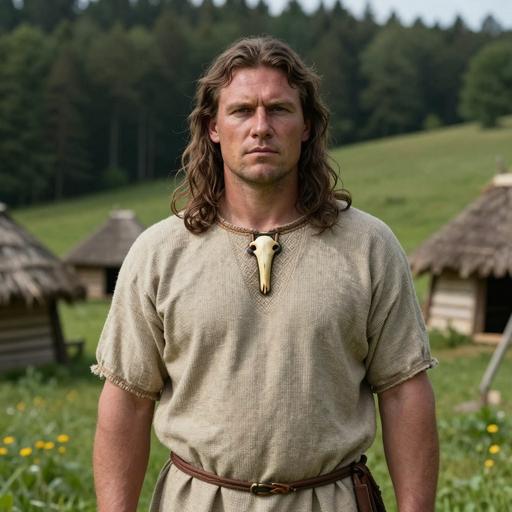
From the wind-bent stones and burial mounds of the eastern Baltic emerges a long, layered story. Archaeological horizons sampled here span the Late Bronze Age into medieval centuries — sites such as Kukruse (Ida‑Viru, Estonia), Karja (Saare), Otepää Piiri St. (Valga), Vana‑Kuuste and Mäletjärve (Tartu) and the Latvian barrow Kivutkalns anchor the record in place. Material culture links to Bronze Age communities across northeastern Europe: cremation and inhumation rites, metalwork styles, and barrow construction indicate networks of exchange across the archipelago and the continental plain.
Genetic data place the Baltic assemblage within these archaeological currents. Steppe-derived ancestry associated with late Neolithic–Bronze Age movements is visible alongside signals interpreted as locally persistent hunter‑gatherer and incoming Uralic‑linked influences. Limited evidence suggests successive waves and local continuity rather than a single population replacement; the millennium-long span (2100 BCE–1625 CE) sampled here includes cultural transitions that archaeology records as shifts in burial practice, settlement pattern and material style. Where the DNA and material culture diverge, it highlights the complexity of identity: people could adopt new practices without wholesale genetic turnover. Regional variation is clear — northern Estonian coastlines and inland southern sites sometimes show different mixes, suggesting localized demographic histories and persistent maritime lifeways.