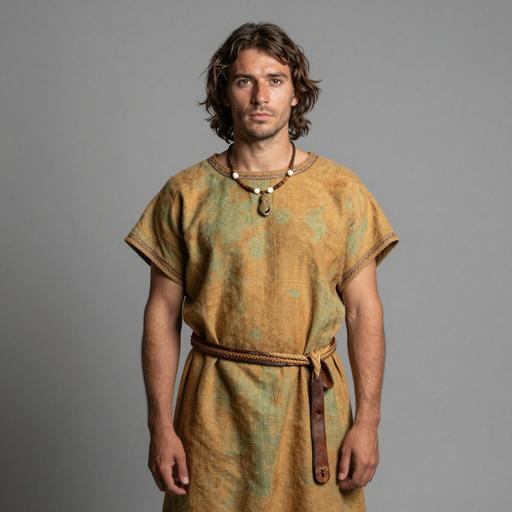
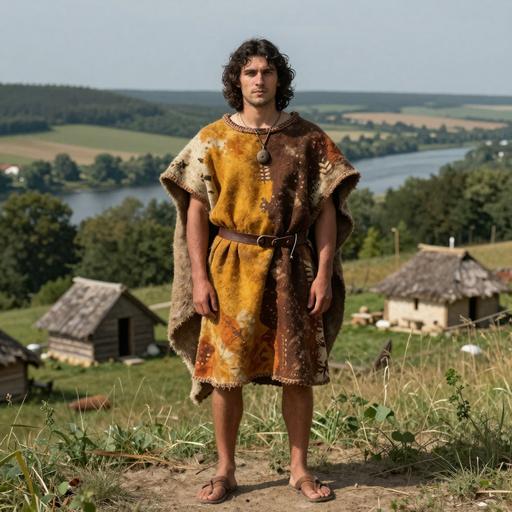
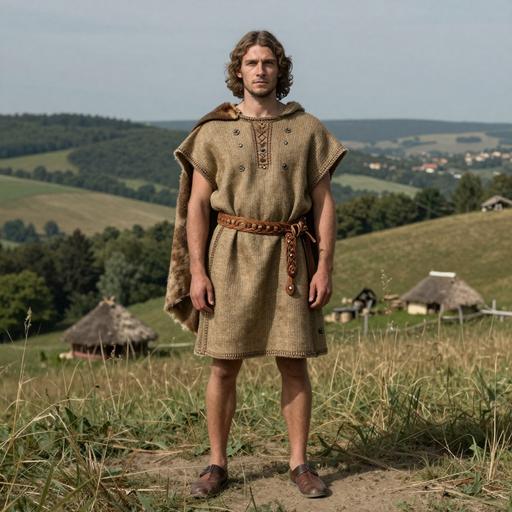
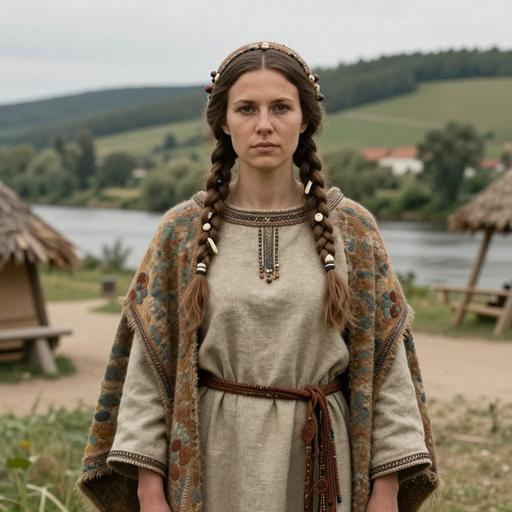
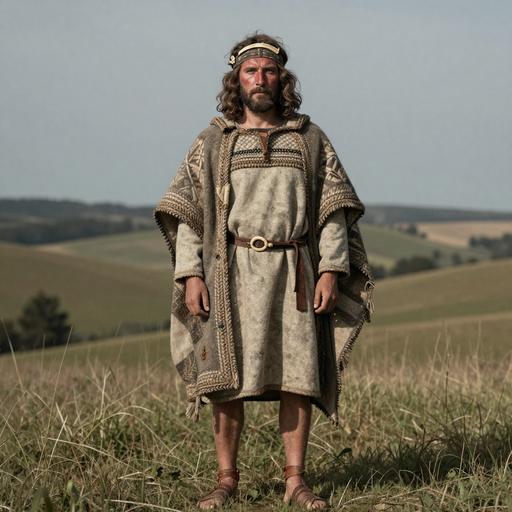
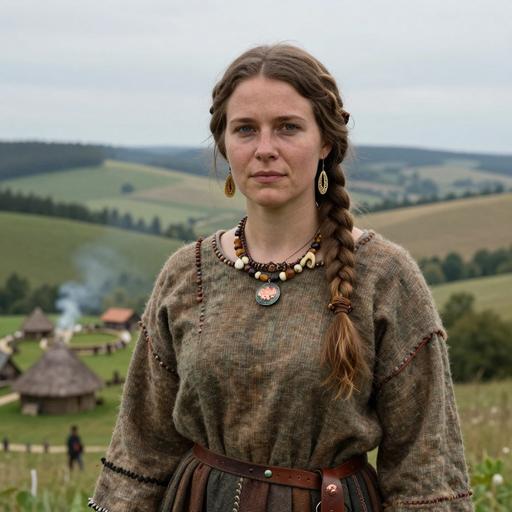
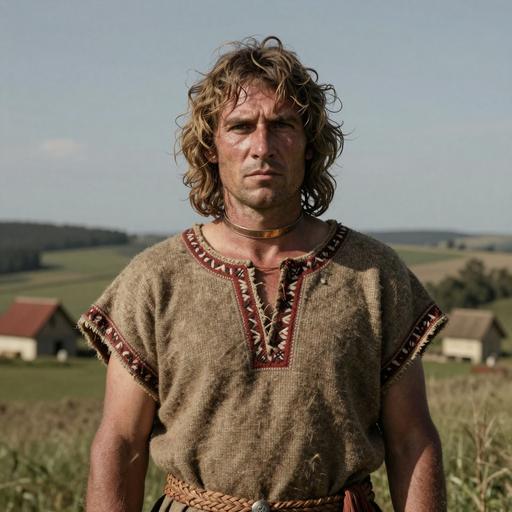
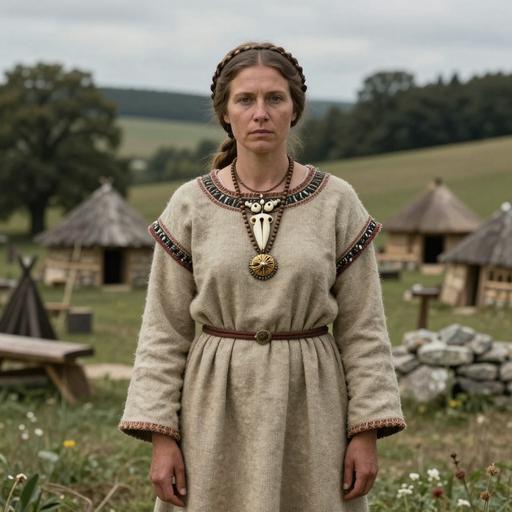
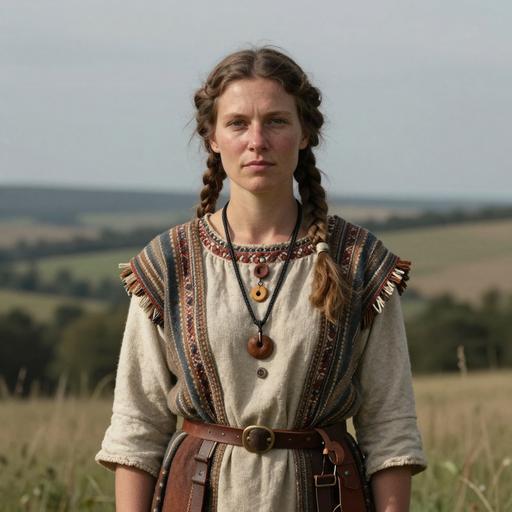
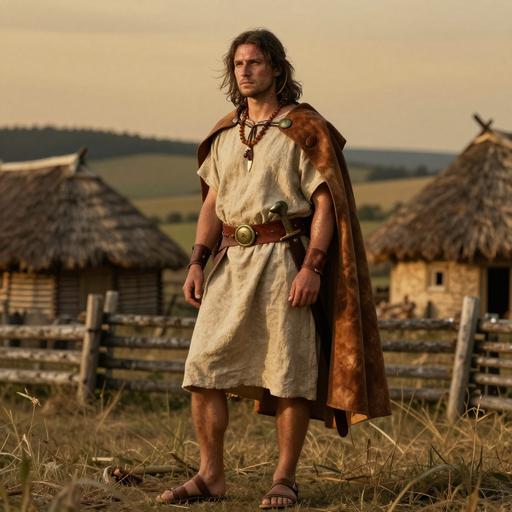
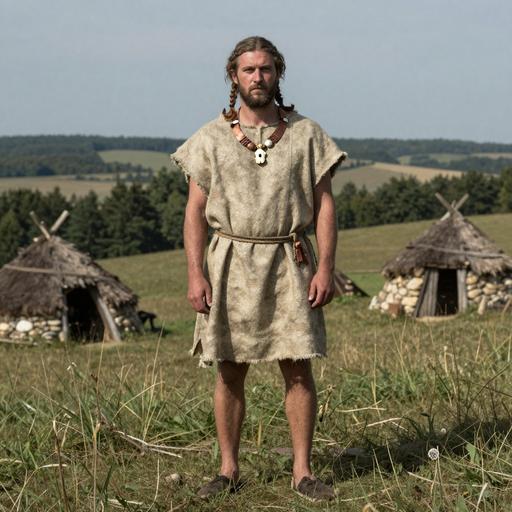
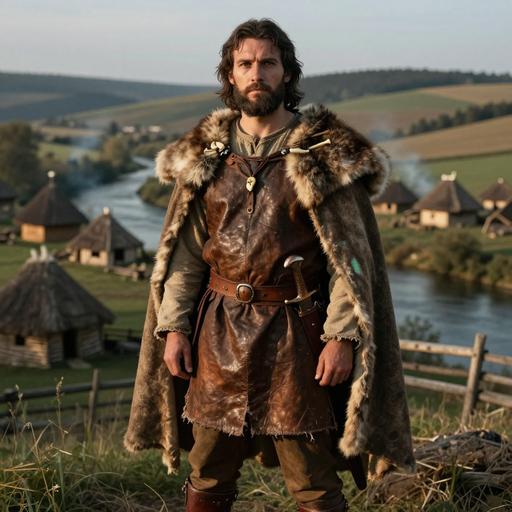
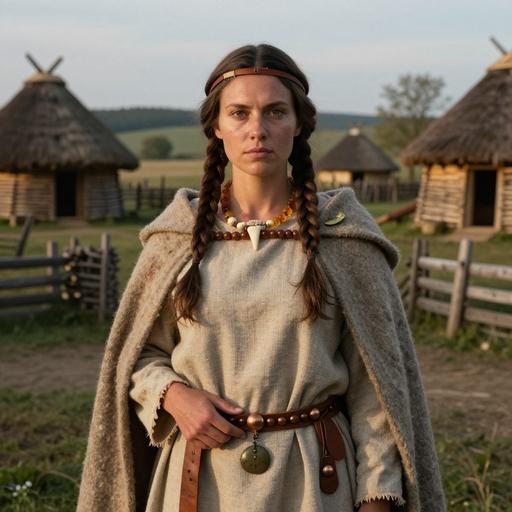
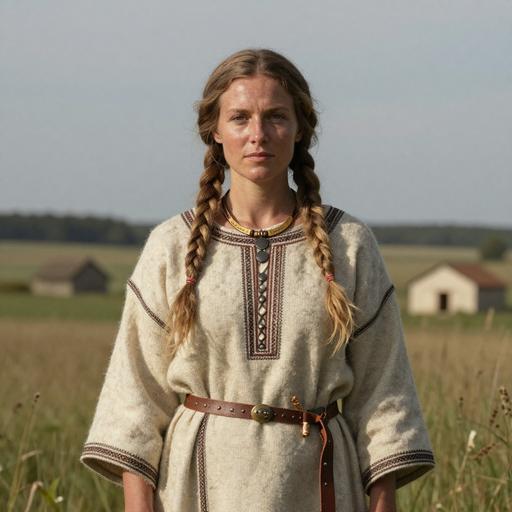
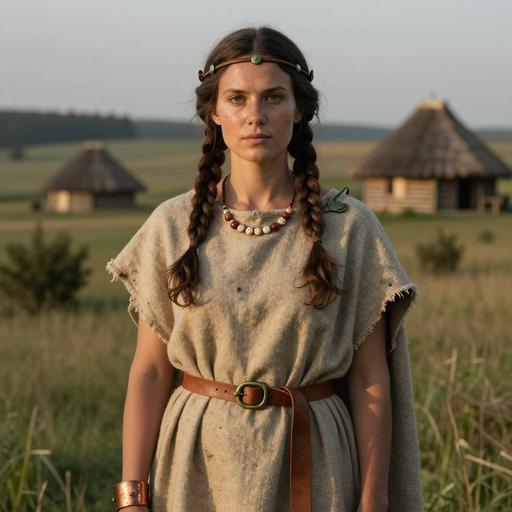
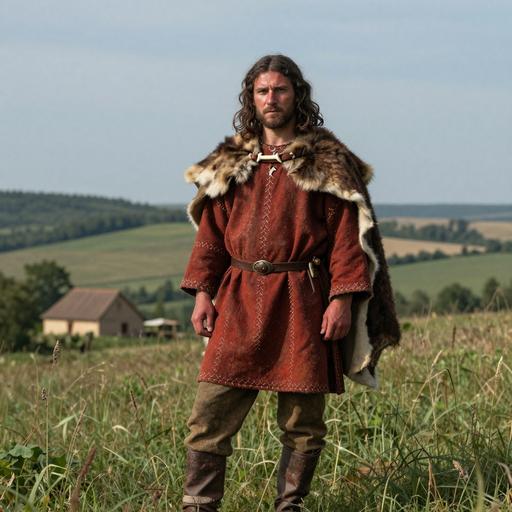
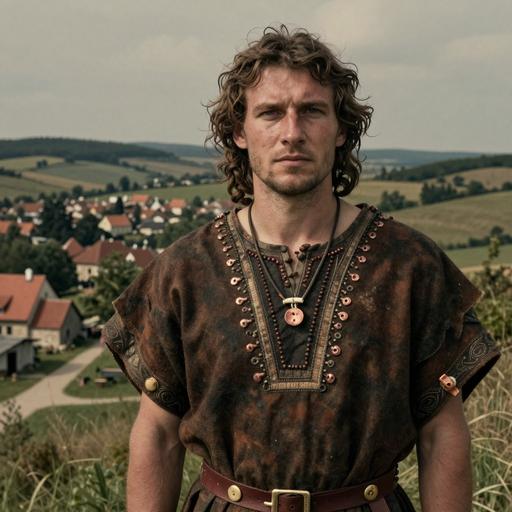
The European Bronze Age in this dataset unfolds from the late 4th millennium into the first century CE, but its most vivid expression here is the Early Bronze Age Unetice horizon (c. 2300–1600 BCE) centered in Bohemia and radiating into neighbouring regions. Archaeological signatures — grave mounds, flat cemeteries, standardized metal forms and hoards — mark communities that mastered early bronze metallurgy and long-distance exchange. Key sites in this corpus include Brandýs nad Labem, Chleby and Hostivice in Bohemia, Rothenschirmbach and Halberstadt-Sonntagsfeld in Germany, Quedlinburg Site XII, and Grottina dei Covoloni del Broion in northern Italy, among others in France, the Netherlands, Switzerland, Hungary, Croatia, Slovenia and Spain.
Material culture reveals layered ancestries: stylistic continuities with preceding Bell Beaker and Corded Ware traditions, and innovations that speak to interregional craft networks. Archaeological data indicates metal flow along Alpine, Danubian and North Sea routes — bronzes and raw copper moving alongside prestige goods like amber and faience beads. Limited evidence suggests regional variation in burial rites and social display: some communities favored richly furnished single graves, others collective interments, hinting at diverse social structures across the same cultural horizon.
Genetically, the sequence of sites shows admixture and mobility rather than a single monolithic people. While broad patterns point to continuity with earlier late Neolithic and Steppe-influenced populations, fine-grained settlement histories were mosaic and locally contingent. As always, interpretation must remain cautious: material similarity does not always equal biological uniformity, and patterns vary across time and place.