Menu
Store
Blog
Russia_MLBA_Sintashta Eurasian steppe to Central & Northern Europe

Echoes of the Steppe

Archaeology and DNA trace the spread of Indo‑European lifeways across Eurasia

4994 CE - 486 BCE
54 Ancient Samples
Scroll to begin
Chapter I

The Story

Understanding the Echoes of the Steppe culture

From fortified Sintashta settlements to Corded Ware barrows, 553 ancient genomes (c. 4994–486 BCE) link steppe migrations and European cultural transformations. Genetic and archaeological lines converge to reveal male‑biased dispersals, maternal continuity, and regional complexity.

Time Period

c. 4994–486 BCE

Region

Eurasian steppe to Central & Northern Europe

Common Y-DNA

R (dominant), I, Q, G, N

Common mtDNA

U, H, J, K, T

Chapter II

Timeline

Key moments in the history of this culture

2500 BCE

Sintashta rise and metallurgical expansion

Fortified Sintashta settlements in the southern Urals show intensive bronze working and wagon use; this material burst coincides with expanding steppe genetic signatures into Central Eurasia.

Chapter III

Origins & Emergence

The archaeological and genetic record paints a portrait of mobile communities that left deep imprints from the Pontic–Caspian steppe into Central Europe and beyond. Sites sampled here range from Sintashta‑linked localities in the Russian steppe and Kazakhstan (Middle–Late Bronze Age Sintashta tradition), to Corded Ware and early Bronze Age cemeteries in Bohemia (Praha 5 – Nové Butovice, Čachovice, Droužkovice), northern Europe (Gyvakarai, Lithuania), and farther afield to Xinjiang (Wutulan, Nileke County).

Archaeological data indicates that the Late Neolithic and Early Bronze Age witnessed waves of cultural change: fortified settlements, wagon and chariot technology, and new burial rites associated with groups archaeologists label Sintashta, Potapovka, Corded Ware, Andronovo, and related cultures. Genetic evidence from 553 individuals shows a strong steppe‑derived signal that aligns temporally with these material changes, supporting models of population movement and cultural transmission. Limited evidence from peripheral areas (for example, a small number of Xinjiang samples) suggests eastern branches of these networks reached into Central Asia; these peripheral datasets remain more tentative. Overall, the pattern is one of interaction — migration blended with local continuity — not total replacement.
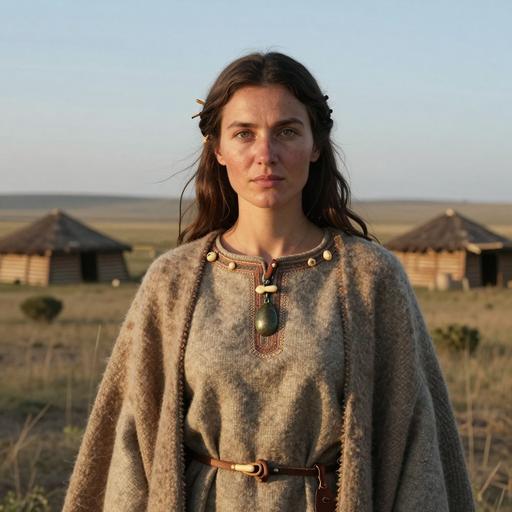
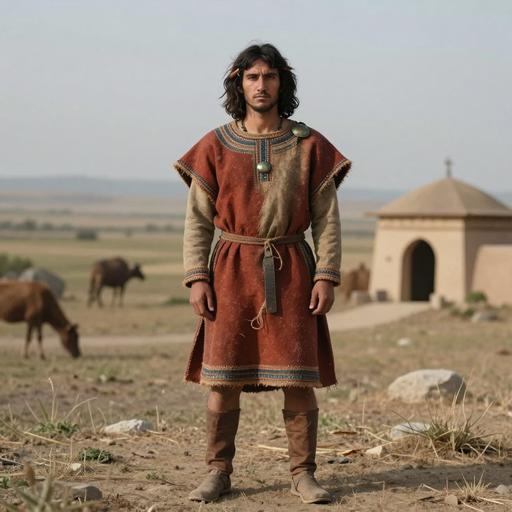
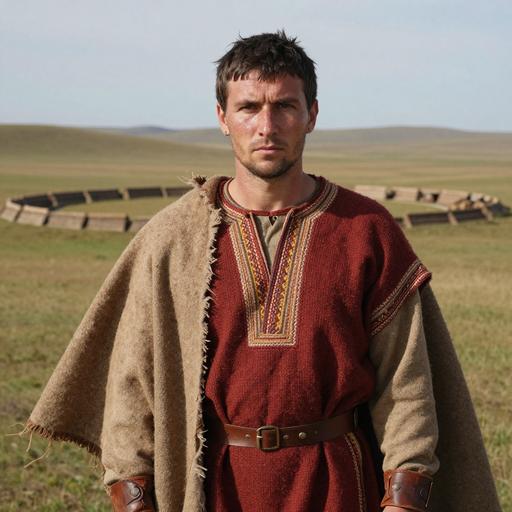
  • Sites include Althausen (Germany), Bolshnevo 3 (Tver, Russia), Boyanovo (Bulgaria), Kompolt‑Kigyoser (Hungary), Wutulan (Xinjiang, China)
  • Associated cultures: Sintashta, Corded Ware, Andronovo, Yamnaya influences
  • Genetic and material culture change are broadly concordant, with regional nuance
Chapter IV

Daily Life & Society

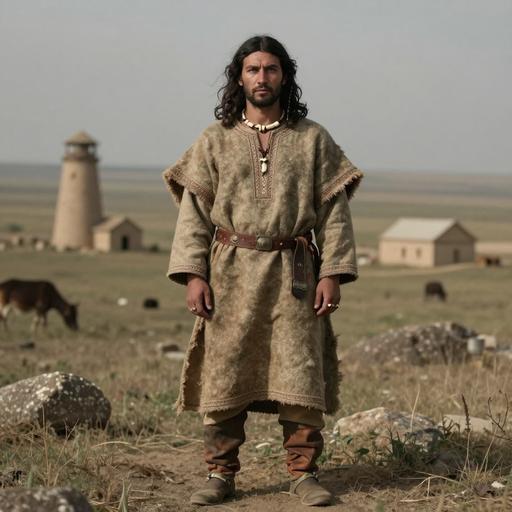
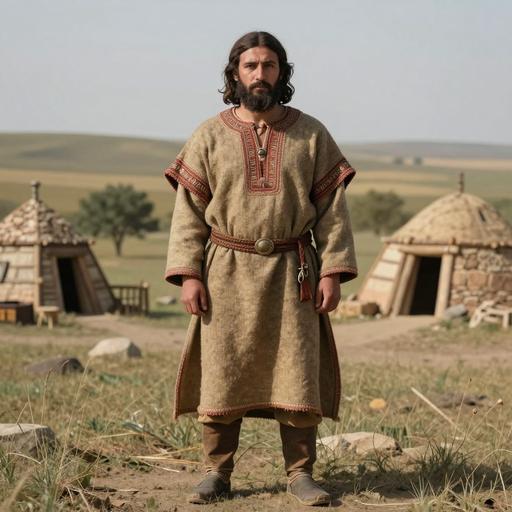
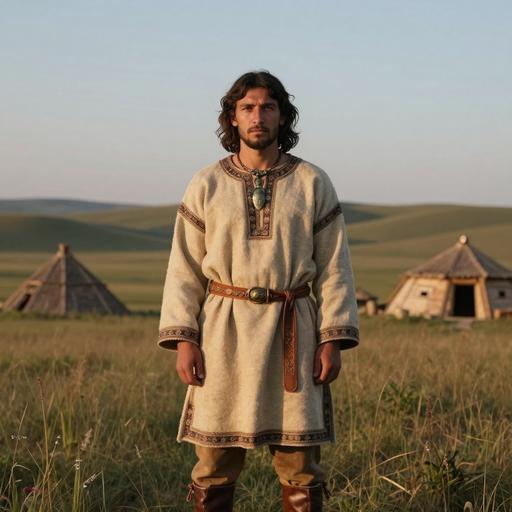
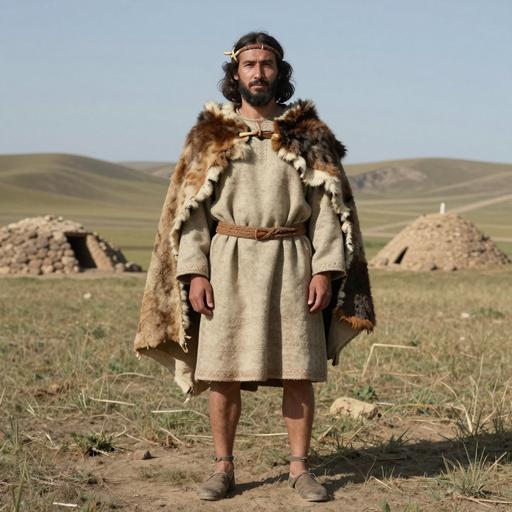
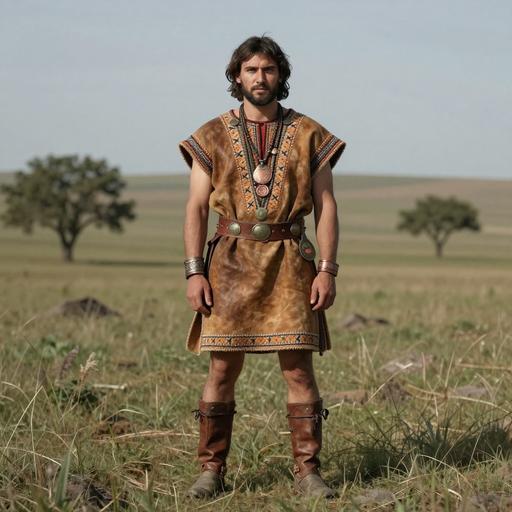
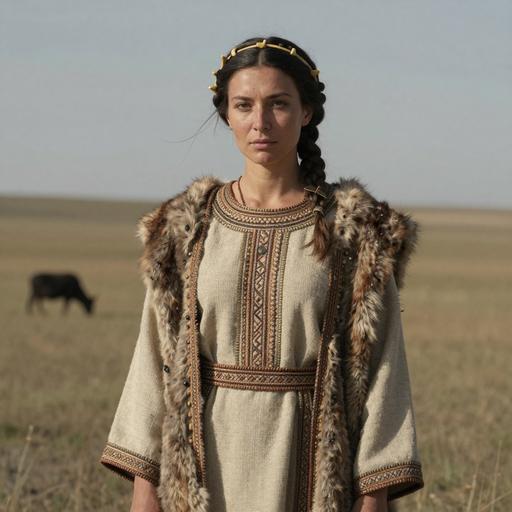
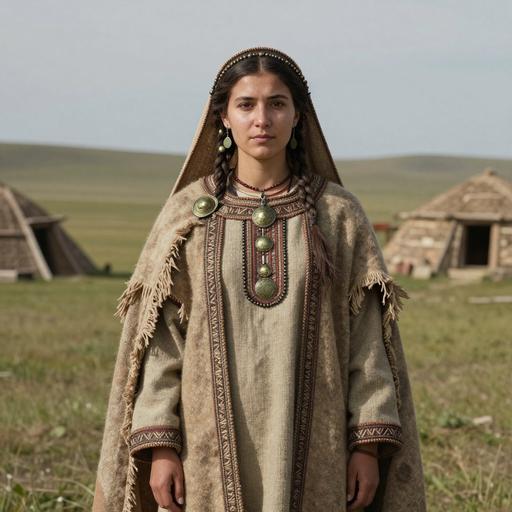
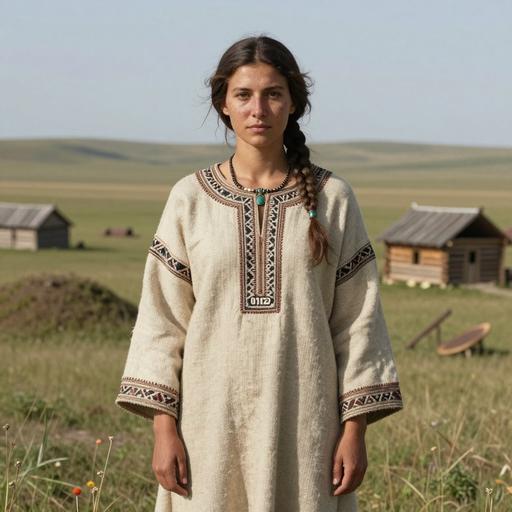
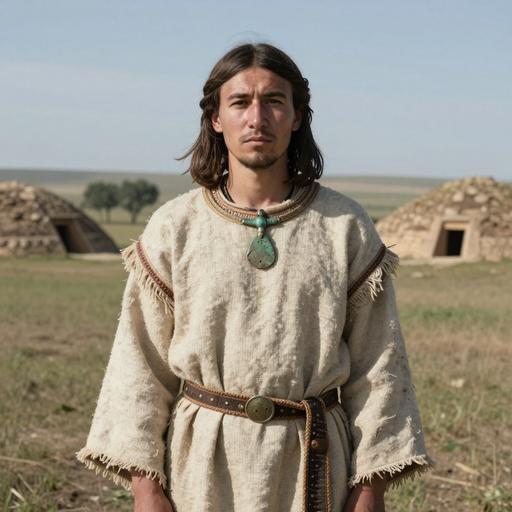
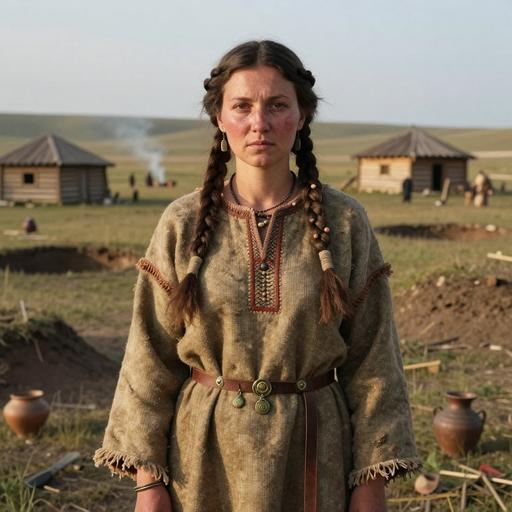
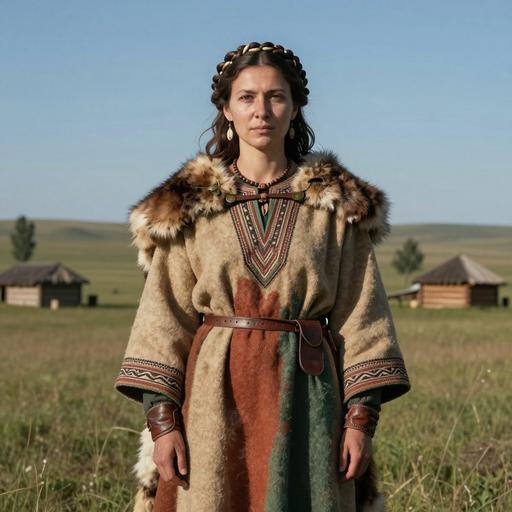
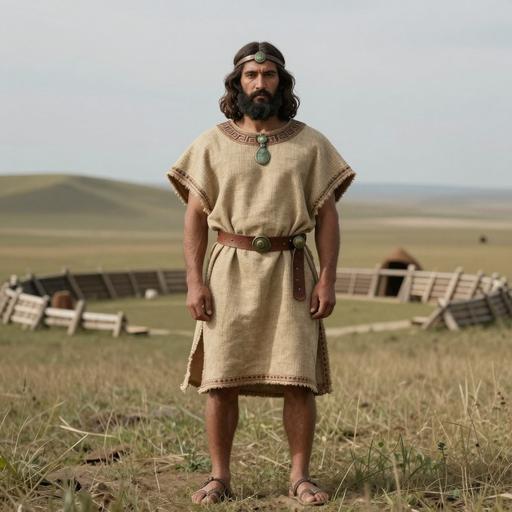
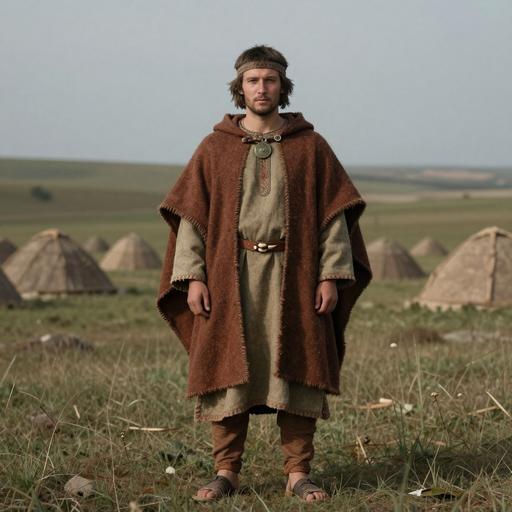
Archaeological remains evoke a world of fortified homesteads, metal workshops, long‑barrow cemeteries and mobile herding economies. Sintashta settlements on the southern Urals show compact, sometimes fortified villages with evidence for bronze production and intensive craft specialization. In Central Europe, Corded Ware communities left single‑graved barrows with characteristic pottery and cord‑impressed decoration; these burials often include weapons, indicating social emphasis on warrior status.

Material culture and isotopic studies indicate mixed economies: cereals and domestic animals alongside seasonal mobility to pastures. Grave goods vary: from rich chariot and weapon burials in steppe contexts to more modest agricultural assemblages in some Bohemian and Polish sites. Variation in burial rites — inhumation, orientation of bodies, and grave goods — suggests diverse local practices layered on a broader shared set of cultural motifs. Archaeology indicates craft exchange, long‑distance metal flow, and regional identities; together with genetic data, these patterns point to societies structured by both kinship and emergent social hierarchies.

While vivid, the picture is regionally uneven: some site series are well documented (Sintashta fortifications), whereas others rely on sparse cemetery finds.

  • Fortified Sintashta settlements show metallurgy and craft specialization
  • Corded Ware burials highlight mobile pastoral‑agricultural lifeways and warrior symbolism
Chapter V

Genetic Profile

The dataset of 553 ancient genomes provides a robust look at population dynamics tied to Indo‑European expansions. Y‑chromosome haplogroup R is the most frequent (199/553), indicating a strong male‑line contribution consistent with steppe‑derived migrations known from archaeological sequences (Yamnaya → Corded Ware → Sintashta/Andronovo trajectories). Haplogroup I (46), common in Europe, points to persistence of local male lineages in some regions; Q (13) and smaller counts of G and N reflect eastern and northern ancestries present at lower frequencies.

Mitochondrial DNA is dominated by U (157), followed by H (64), J (56), K (46), and T (45). The high proportion of U haplotypes suggests substantial maternal continuity from earlier hunter‑gatherer or local Neolithic groups interacting with incoming steppe males, a pattern seen in other paleogenomic studies. Autosomal profiles show a major steppe ancestry component combined to varying degrees with European Neolithic farmer ancestry and, in easternmost samples (e.g., Xinjiang, Kazakhstan), signals of eastern Eurasian admixture. Because sampling density varies by region, conclusions about China and Central Asia are more tentative: the core European/steppe pattern is well supported by the large sample count, while peripheral connections require further targeted sampling.

Overall, genetics corroborates an image of sex‑biased steppe expansion, admixture with local populations, and regionally structured outcomes rather than a uniform replacement.
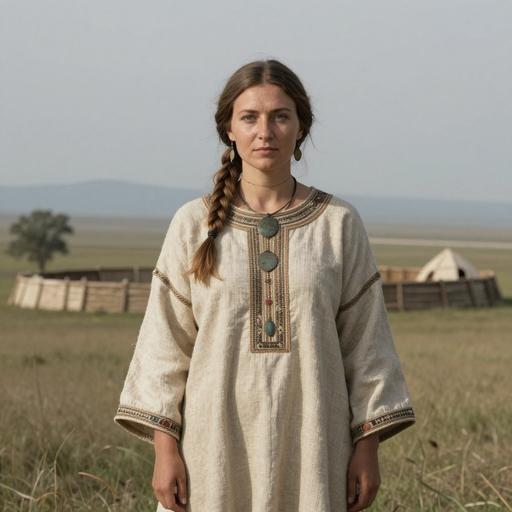
  • High frequency of Y haplogroup R (199/553) — supports steppe male‑biased dispersal
  • mtDNA dominated by U (157), indicating maternal continuity and admixture
Chapter VI

Legacy & Modern Connections

The biological and material traces left by these communities continue to shape Eurasia. Modern genetic landscapes in Central, Northern and parts of Eastern Europe bear steppe‑derived ancestry components that are visible in both uniparental markers and autosomal DNA. Archaeology and genetics together help explain broad patterns: the spread of certain burial practices, wagon and chariot technology, and linguistic hypotheses that place Indo‑European expansions in steppe contexts.
Caveats are essential: genetics does not map one‑to‑one onto language, and cultural adoption, trade, and local resilience all modulated outcomes. Some regions (for example, areas with sparse ancient sampling in Central Asia and Xinjiang) still need more data to clarify how far and in what form these networks extended. When combined, archaeological context and DNA create a cinematic, evidence‑grounded narrative of movement, contact, and continuity that links past populations to present genetic diversity.

  • Modern European ancestry retains a clear steppe component tied to these expansions
  • Cultural change involved both migration and local continuity; genetics refines but does not fully determine linguistic or cultural history
Chapter VII

Sample Catalog

54 ancient DNA samples associated with the Echoes of the Steppe culture

Ancient DNA samples from this era, providing genetic insights into the people who lived during this period.

54 / 54 samples
Portrait Sample Country Era Date Culture Sex Y-DNA mtDNA
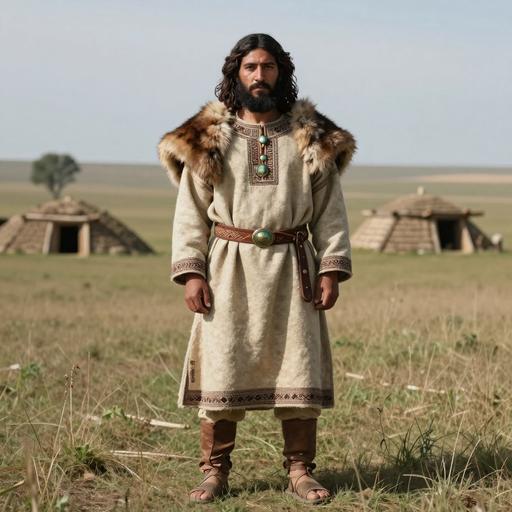
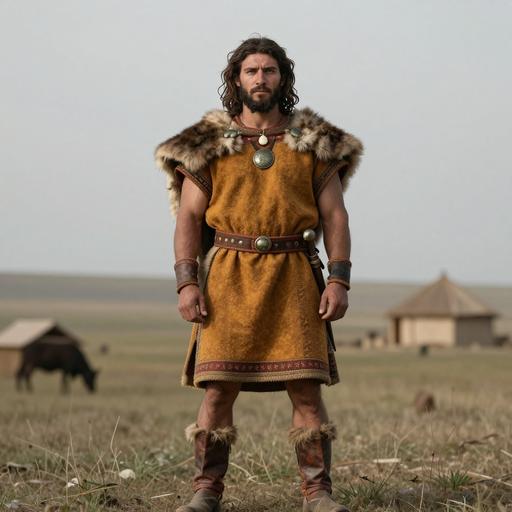
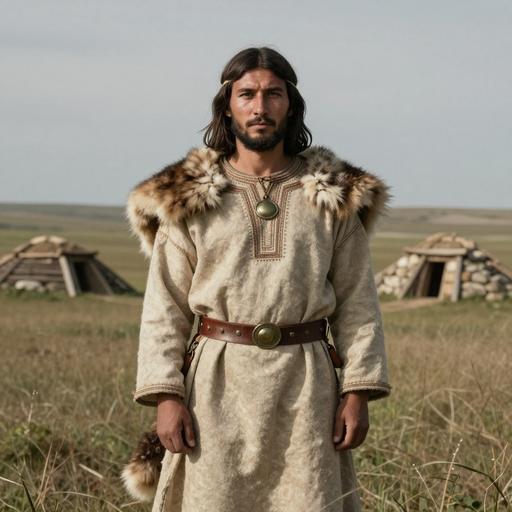
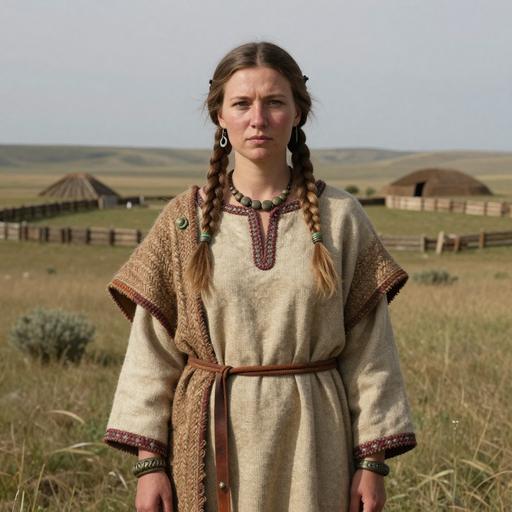
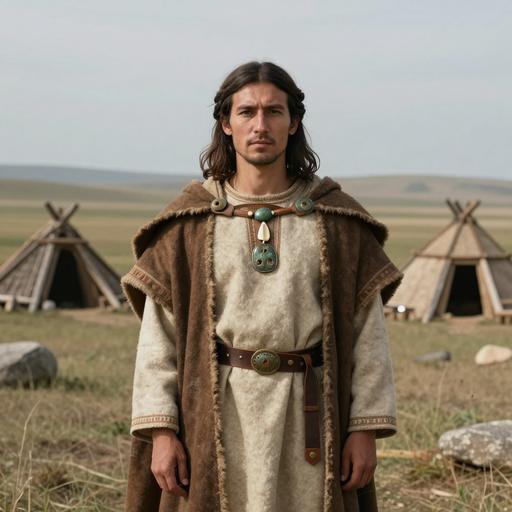
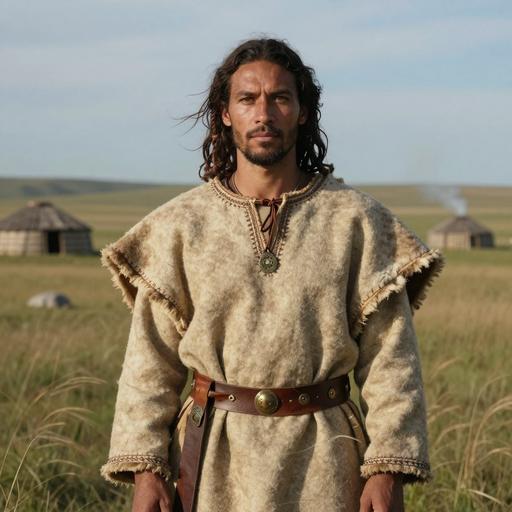
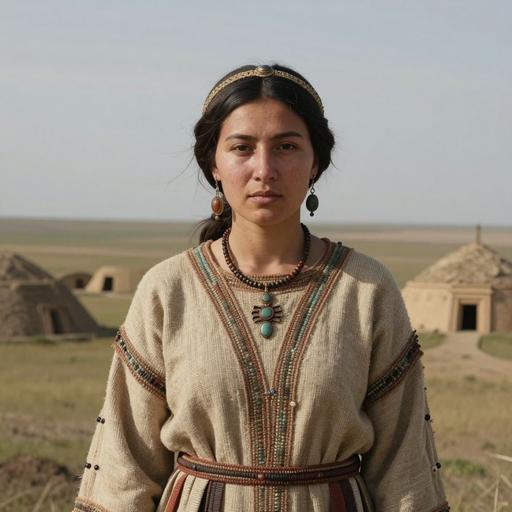
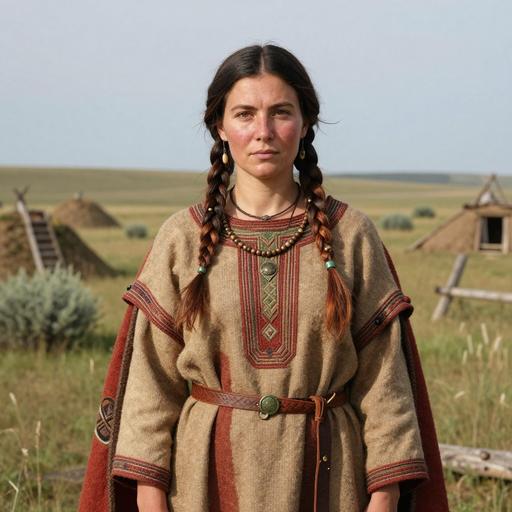
Portrait of ancient individual I7480 from Russia, dated 2050 BCE
I7480
Russia Russia_MLBA_Sintashta 2050 BCE Indo-European F - K2a5b
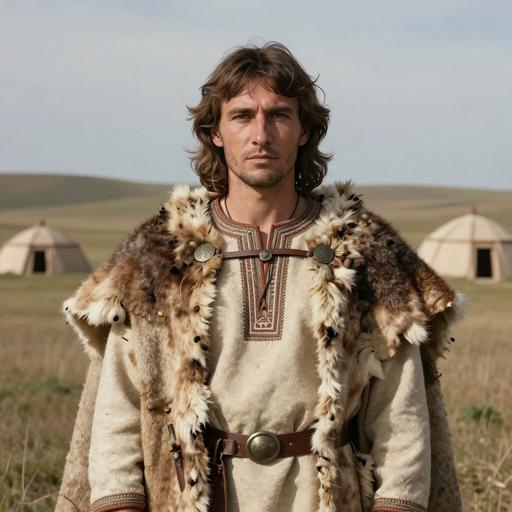
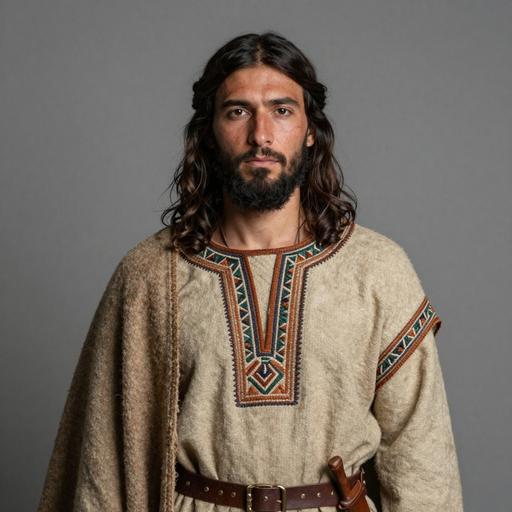
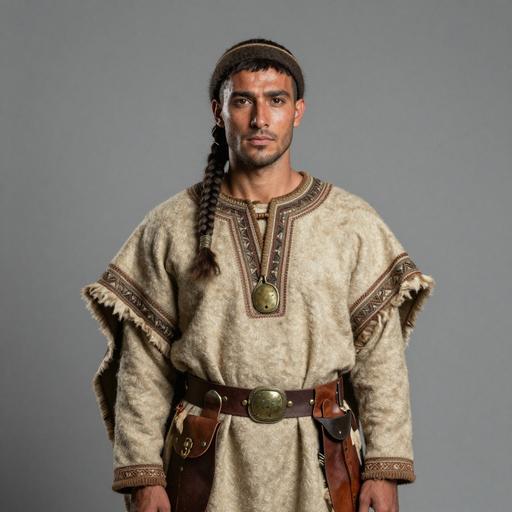
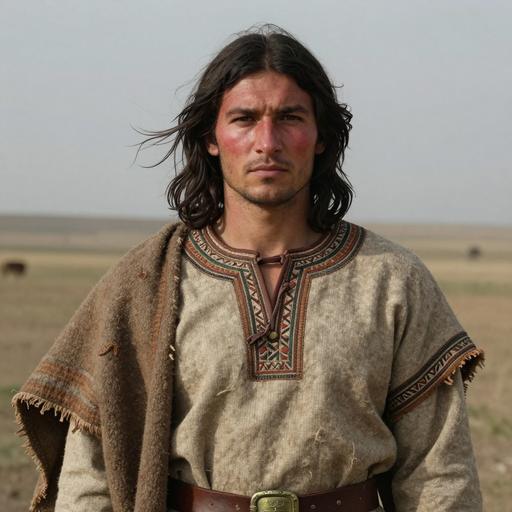
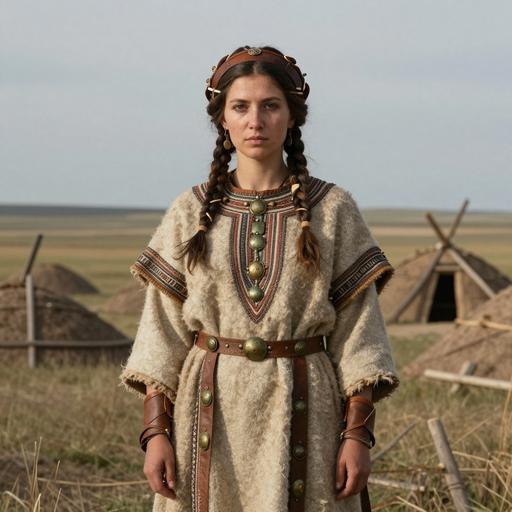
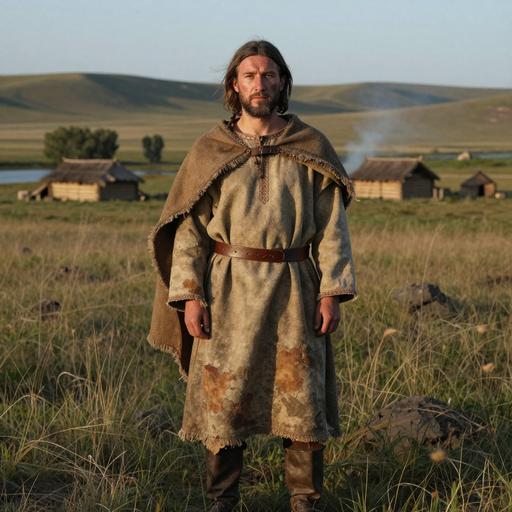
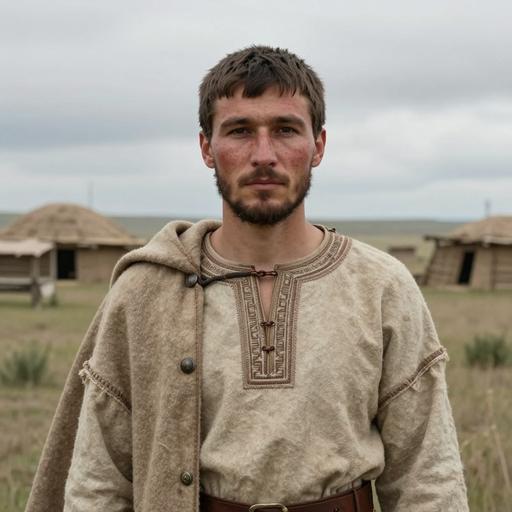
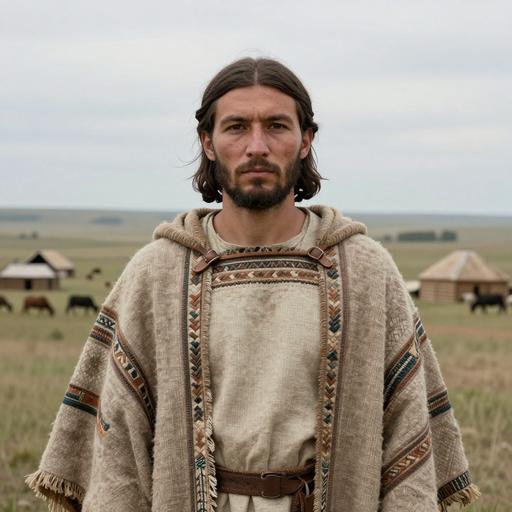
Portrait of ancient individual I1027 from Russia, dated 2008 BCE
I1027
Russia Russia_MLBA_Sintashta 2008 BCE Indo-European M R-Y874 T1a1
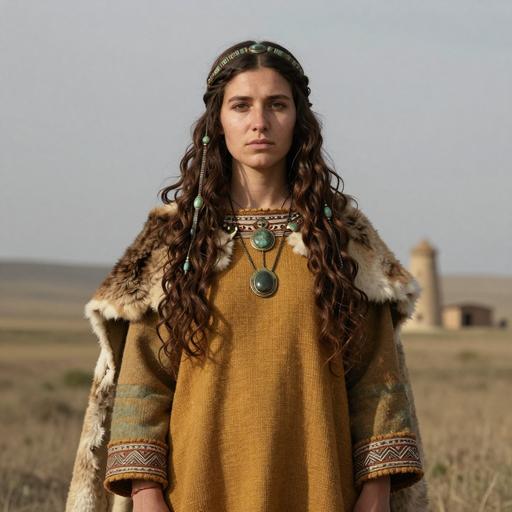
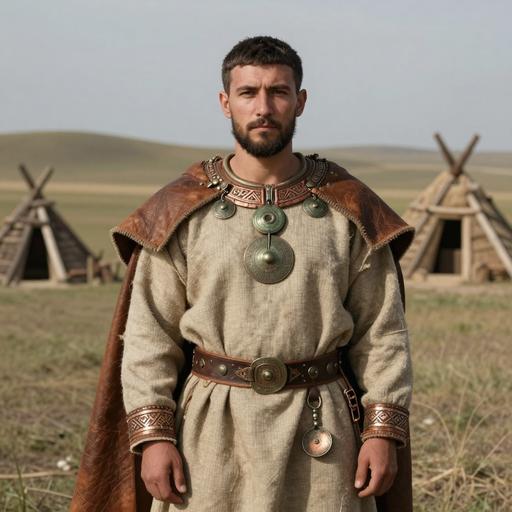
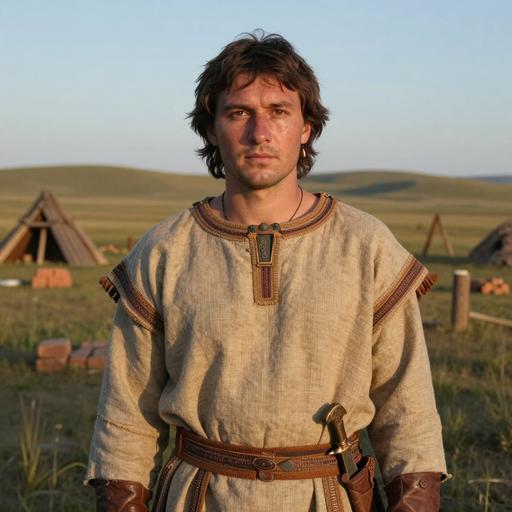
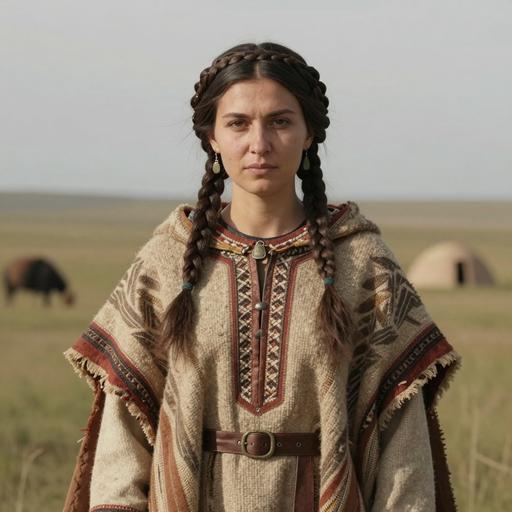
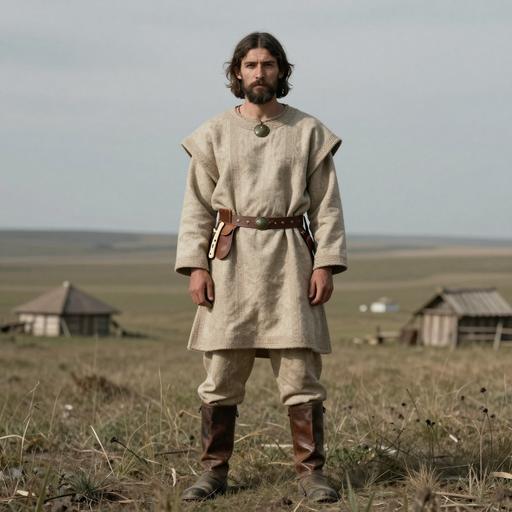
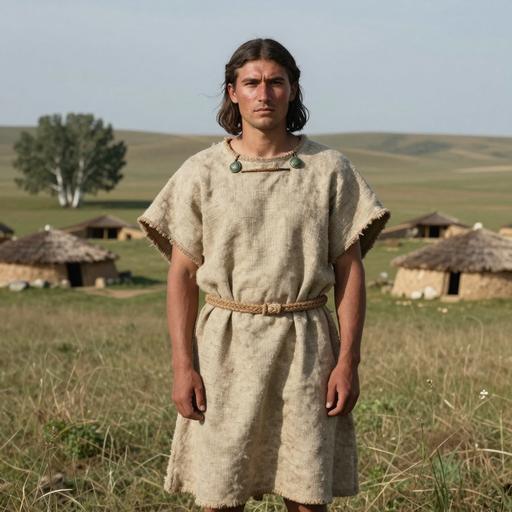
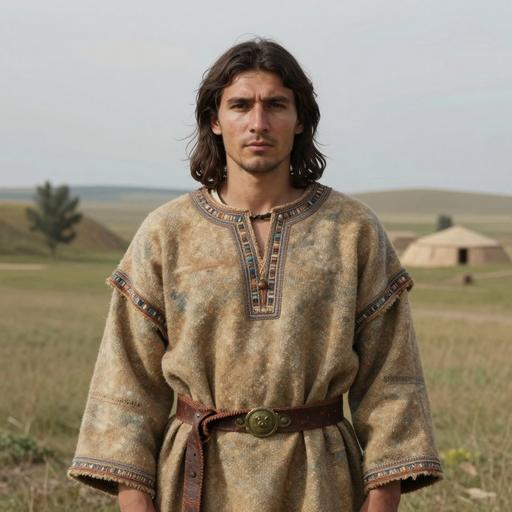
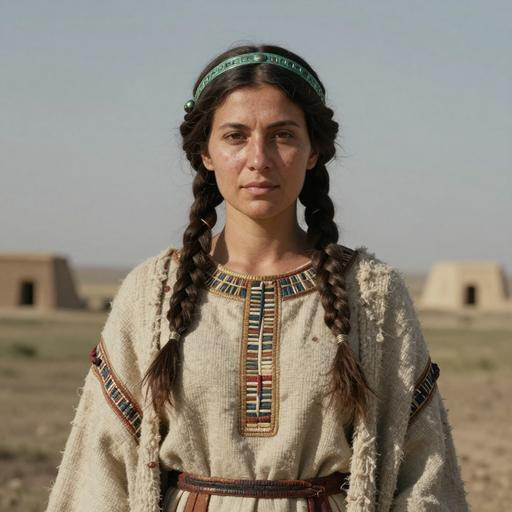
Portrait of ancient individual I1053 from Russia, dated 1928 BCE
I1053
Russia Russia_MLBA_Sintashta 1928 BCE Indo-European M R-Y874 H2b*
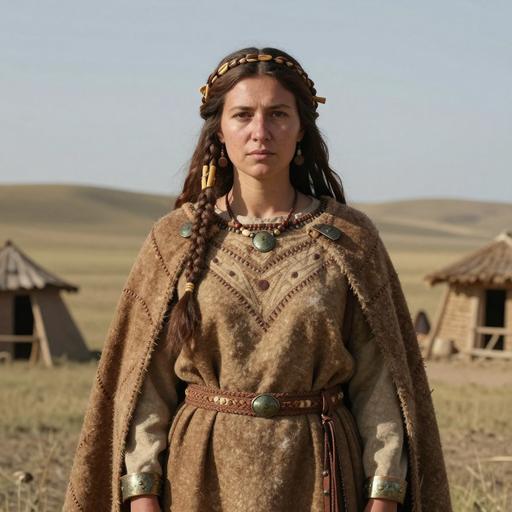
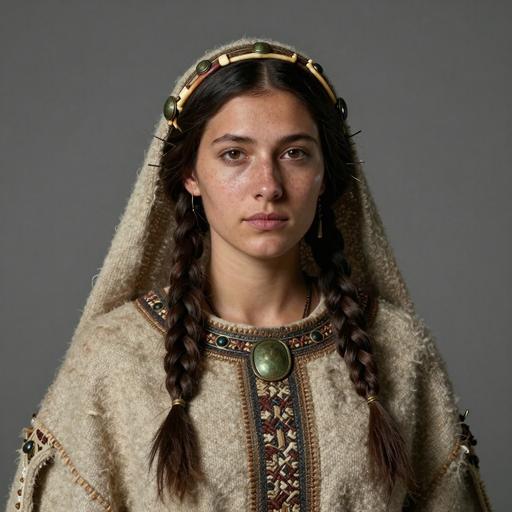
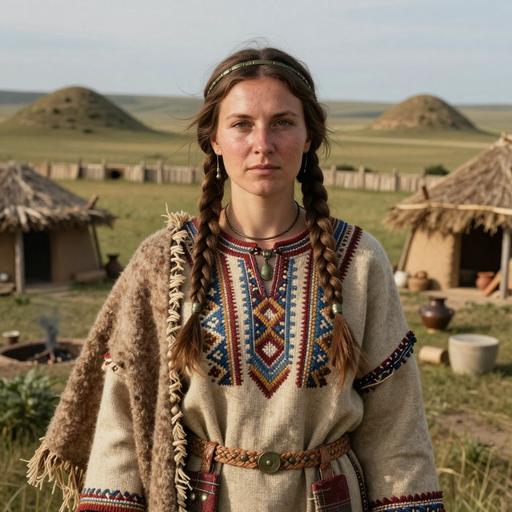
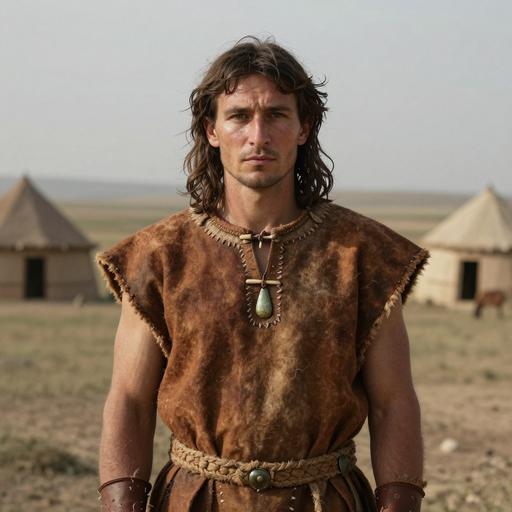
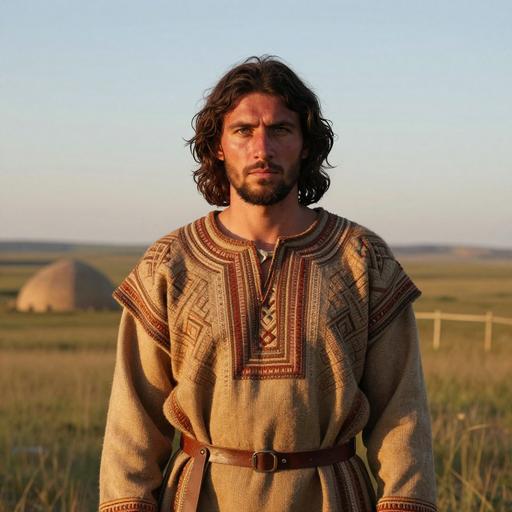
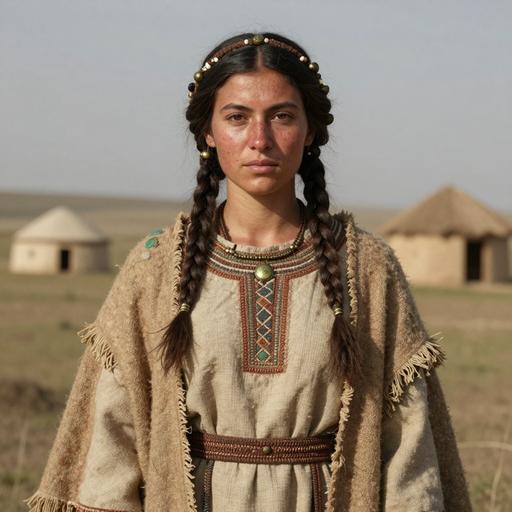
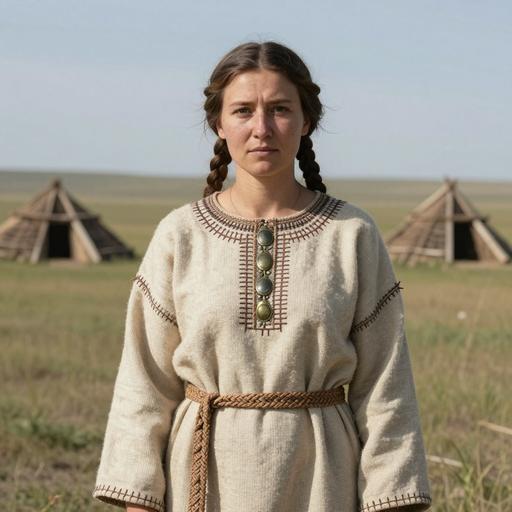
Portrait of ancient individual I1054 from Russia, dated 1891 BCE
I1054
Russia Russia_MLBA_Sintashta 1891 BCE Indo-European M R-Y874 H2b
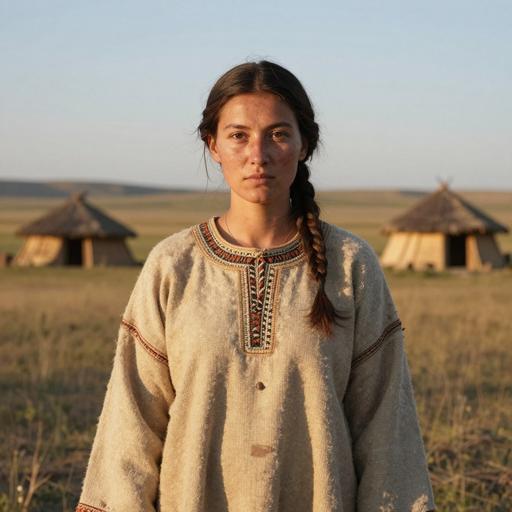
Portrait of ancient individual RISE395 from Russia, dated 2008 BCE
RISE395
Russia Russia_MLBA_Sintashta 2008 BCE Indo-European F - U2e1h1a7
Portrait of ancient individual I1057 from Russia, dated 1951 BCE
I1057
Russia Russia_MLBA_Sintashta 1951 BCE Indo-European M R-Z2123 U5a1i1
Portrait of ancient individual I1089 from Russia, dated 2050 BCE
I1089
Russia Russia_MLBA_Sintashta 2050 BCE Indo-European F - U5b2a1a2
Portrait of ancient individual I1064 from Russia, dated 1879 BCE
I1064
Russia Russia_MLBA_Sintashta 1879 BCE Indo-European M R-Y874 H6a1a
Portrait of ancient individual I1011 from Russia, dated 2050 BCE
I1011
Russia Russia_MLBA_Sintashta 2050 BCE Indo-European M R-Z2125 U5a2-a
Portrait of ancient individual I0943 from Russia, dated 2050 BCE
I0943
Russia Russia_MLBA_Sintashta 2050 BCE Indo-European F - J1b1a1
AI Powered

AI Assistant

Ask questions about the Echoes of the Steppe culture

AI Assistant by DNAGENICS

Unlock this feature
Ask questions about the Echoes of the Steppe culture. Our AI assistant can explain genetic findings, historical context, archaeological evidence, and modern connections.
Sample AI Analysis

The Echoes of the Steppe culture represents a fascinating chapter in human history...

Genetic analysis reveals connections to earlier populations while showing evidence of unique adaptations and cultural innovations. The ancient DNA samples provide insights into migration patterns, social structures, and the biological relationships between ancient populations.

This is a preview of the AI analysis. Unlock the full AI Assistant to explore detailed insights about:

  • Genetic composition and ancestry
  • Migration patterns and origins
  • Daily life and cultural practices
  • Modern genetic legacy
Use code for 50% off Expires Mar 05