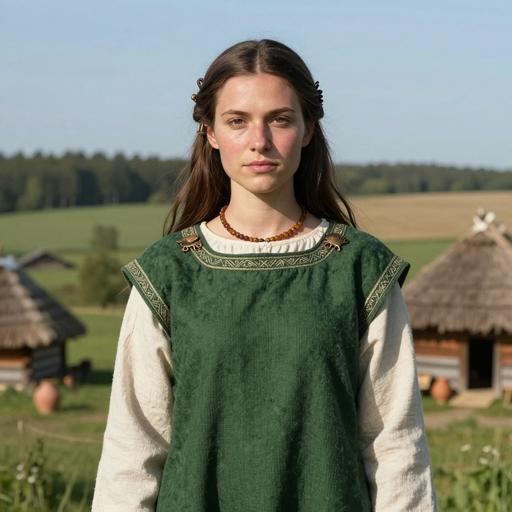
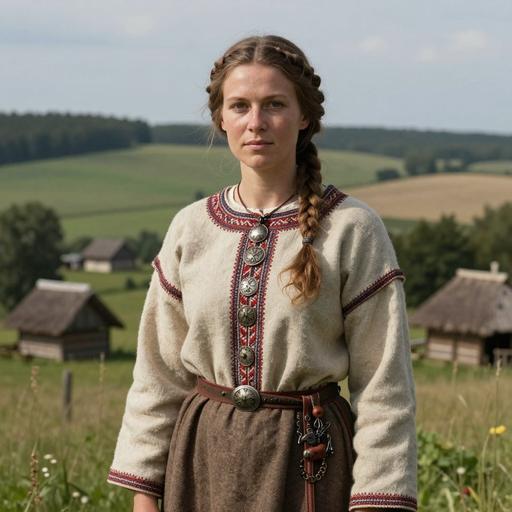
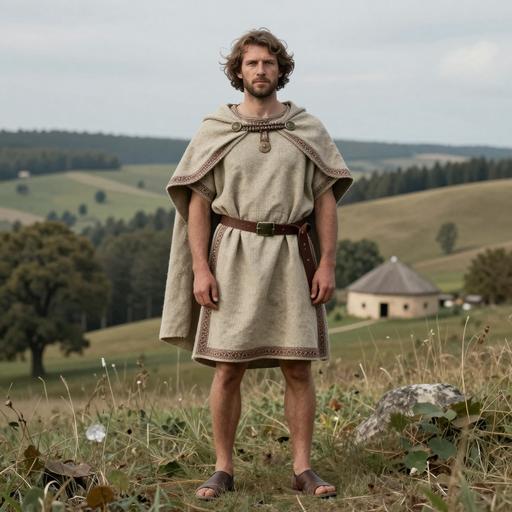
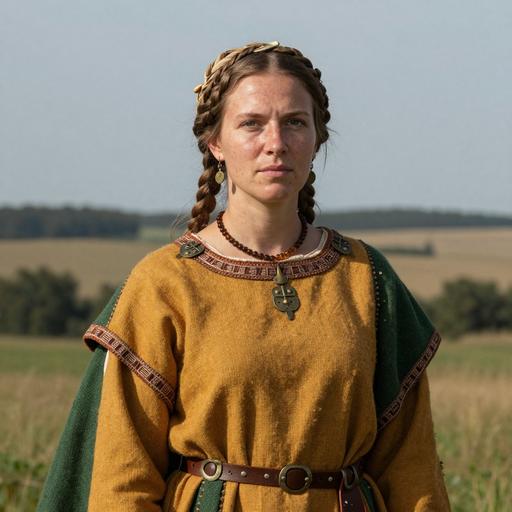
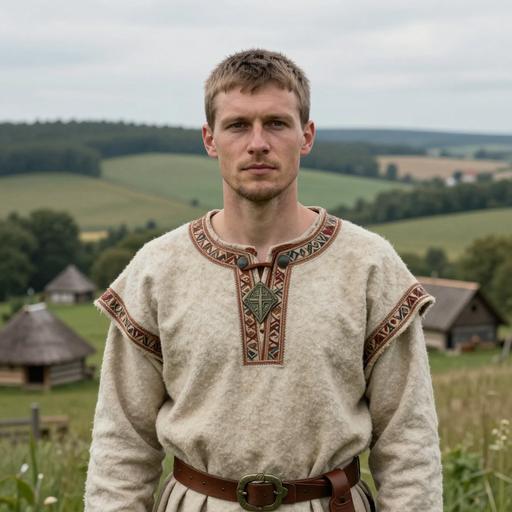
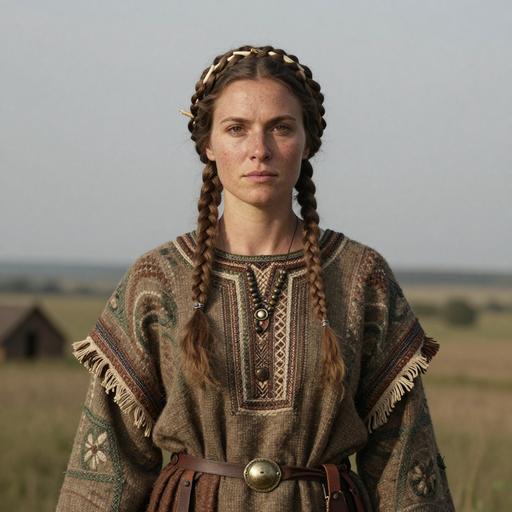
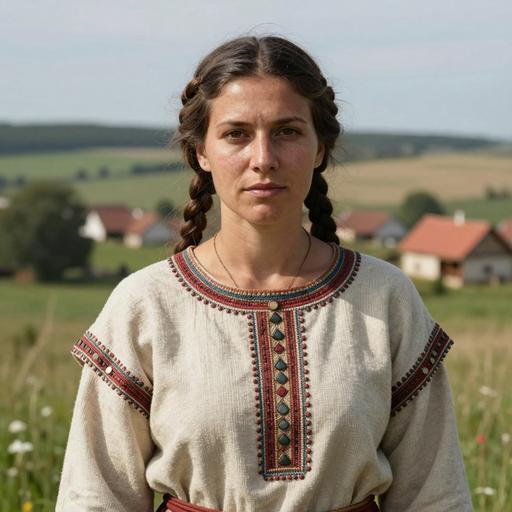
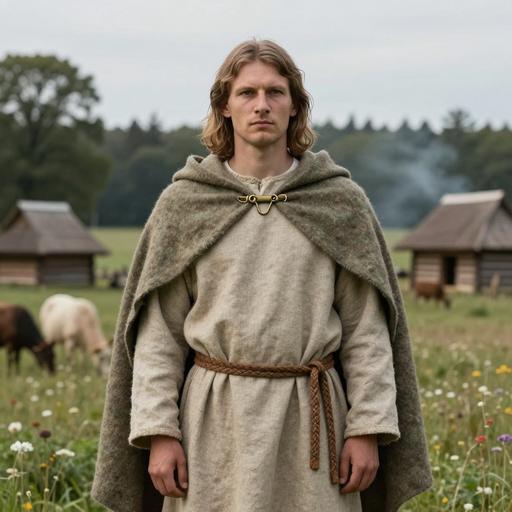
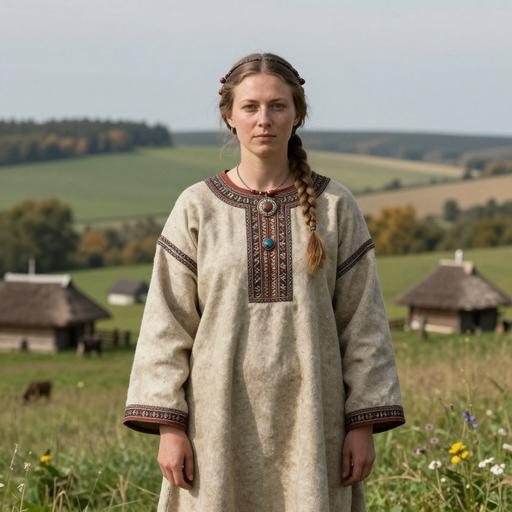
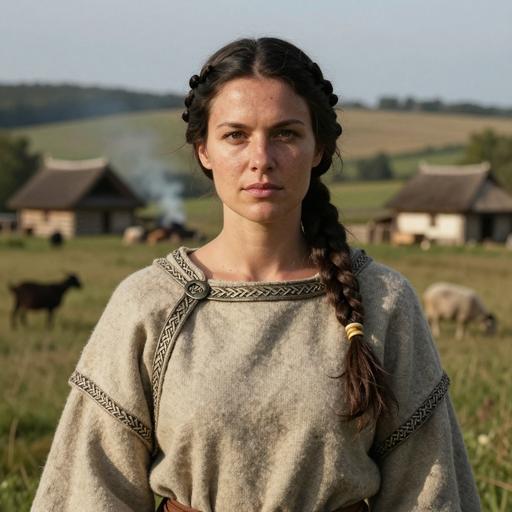
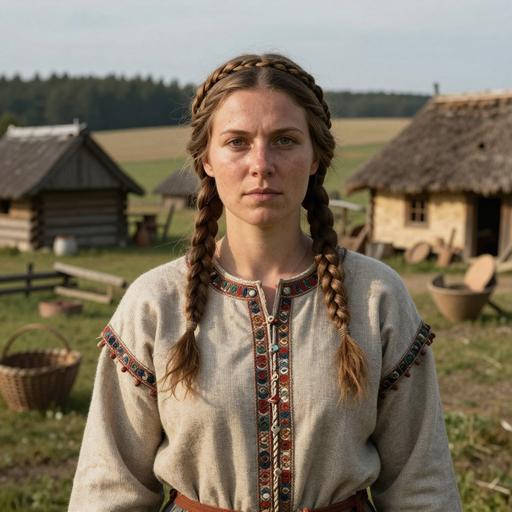
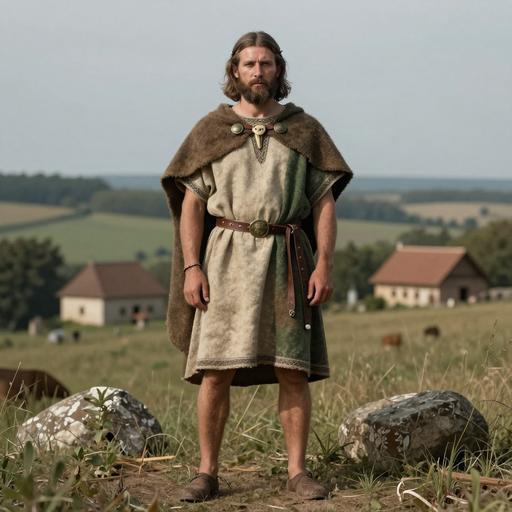
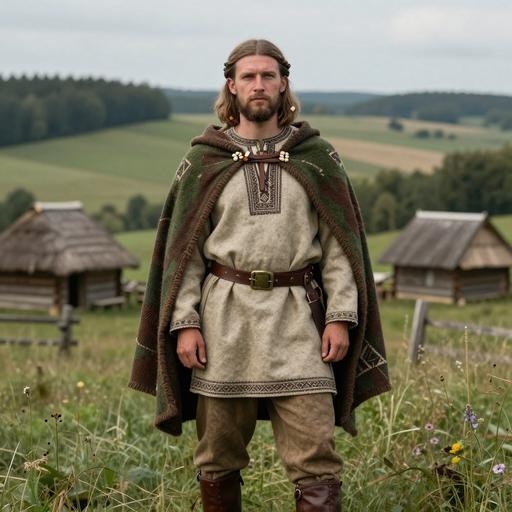
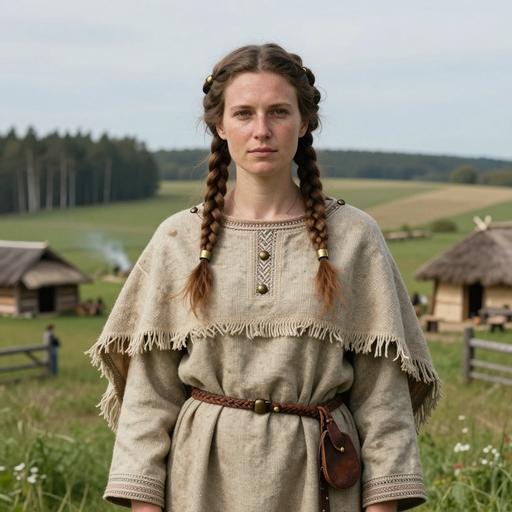
The Germanic world emerges from a palimpsest of Bronze Age roots, Iron Age transformations and first-millennium CE migrations. Archaeological horizons tied to the Wielbark and Przeworsk cultures in what is now Poland and northern Germany (e.g., sites associated with the Wielbark Culture and Przeworsk Culture) show material changes — new grave rites, weapon types and craft networks — that archaeological data indicate were vectors for cultural identity between c. 300 BCE and 400 CE. The later migration-era movements that linked Scandinavia, northern Germany and the North Sea coasts with Britain are visible in Anglo-Saxon Early Medieval cemeteries in Kent (Eastry) and Cambridgeshire (Ely) and in continental burial grounds such as Anderten, Drantum and Dunum in Lower Saxony and Alteglofsheim or Altheim in Bavaria.
Genetic evidence complements this archaeological picture by revealing both continuity and admixture. The deep-rooted Indo-European substrate that likely contributed to early Germanic languages has antecedents stretching back to the third and second millennia BCE; limited ancient DNA from earlier periods implies ancestral components shared across northern Europe. Archaeological chronology and radiocarbon-dated graves form the scaffold for interpreting genome-wide shifts: where a cemetery shows a change in grave goods or rite, genomes sometimes show increased eastern or southern ancestry — consistent with episodes of migration and local integration. Uneven sampling and preservation bias mean these patterns are robust in aggregate (491 samples) but can be tentative at single sites, so regional synthesis remains the safest interpretive frame.