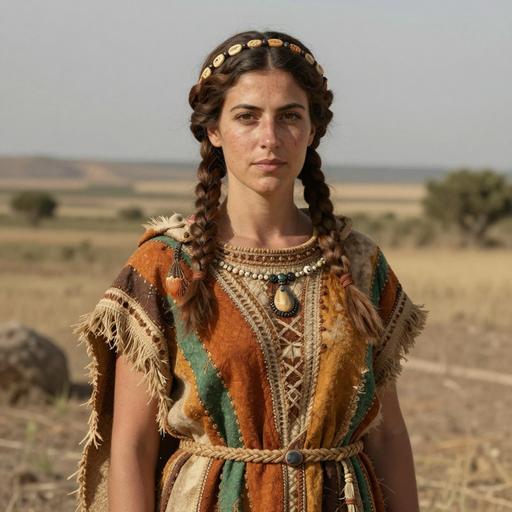
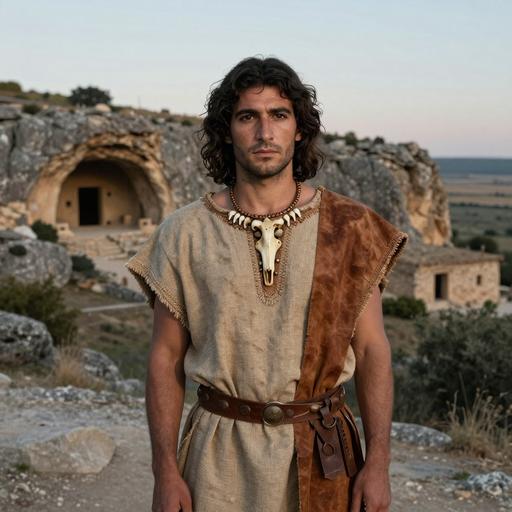
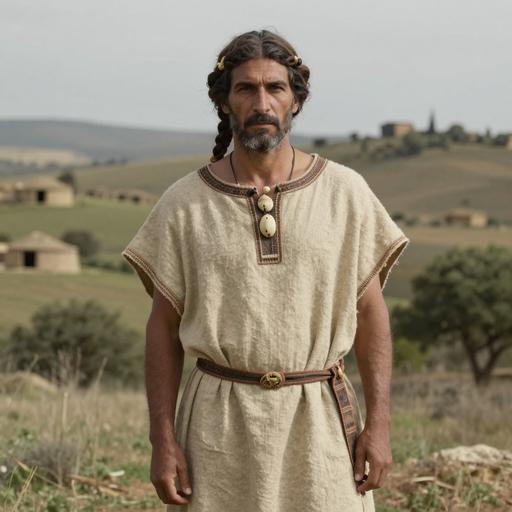
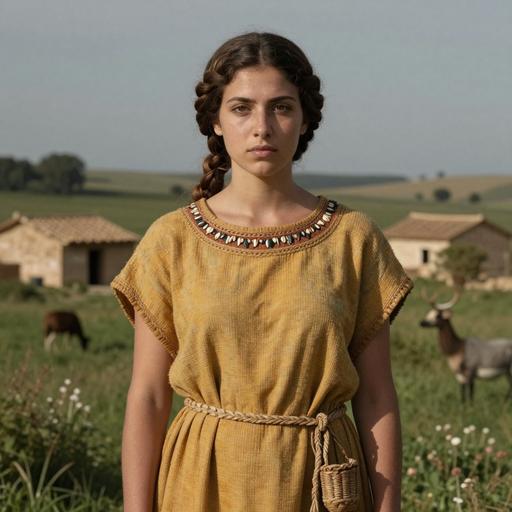
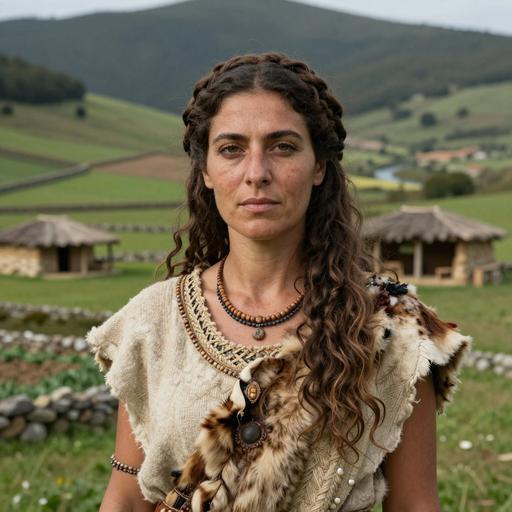
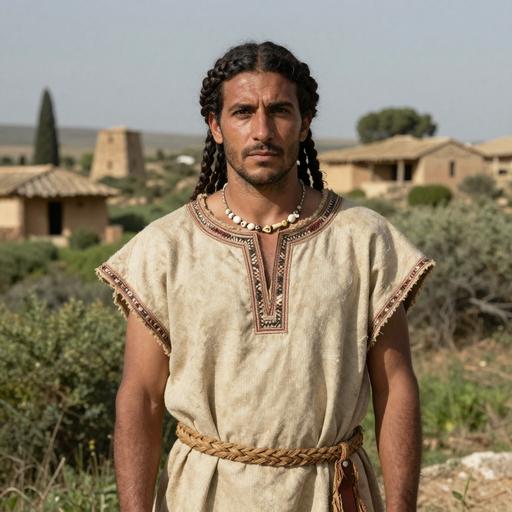
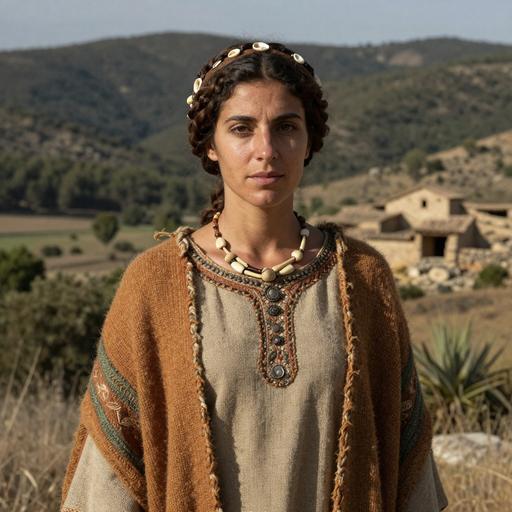
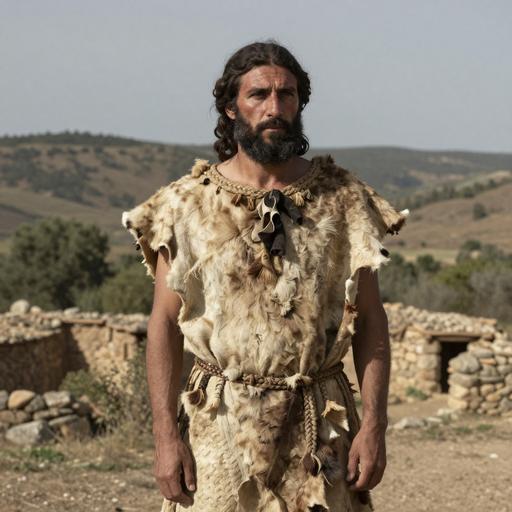
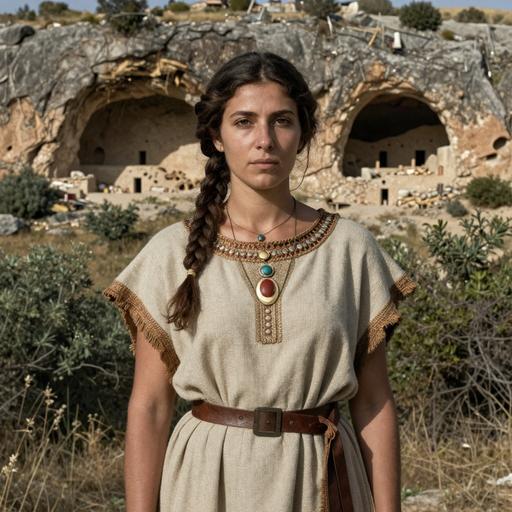
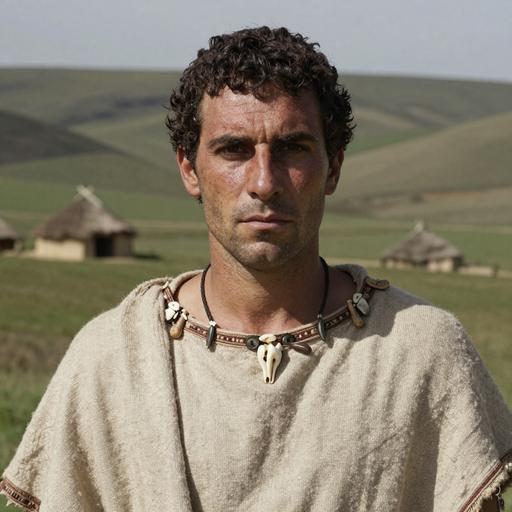
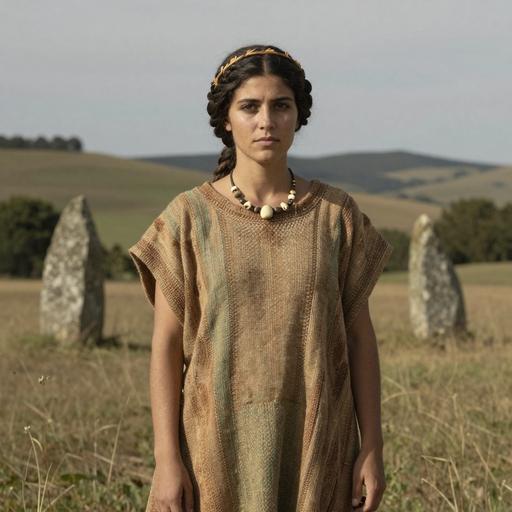
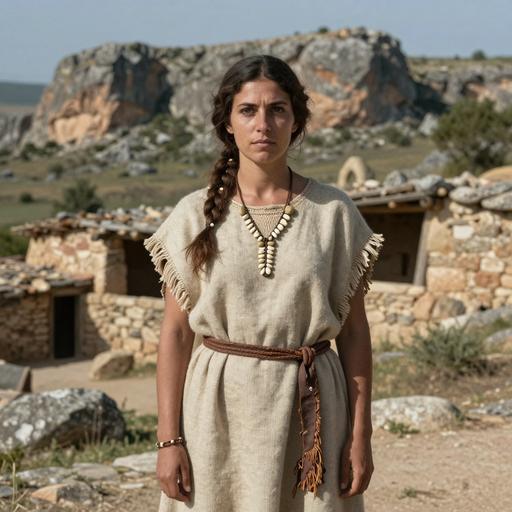
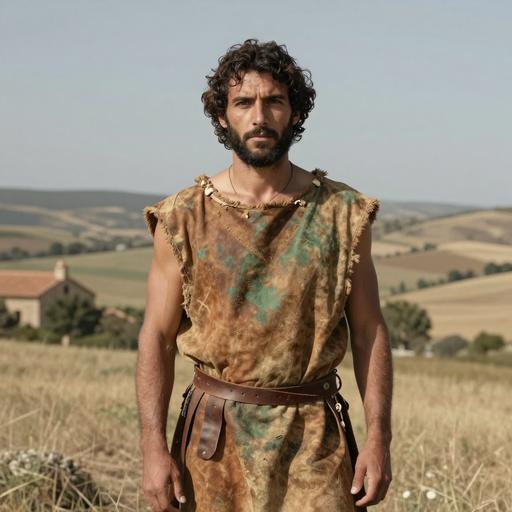
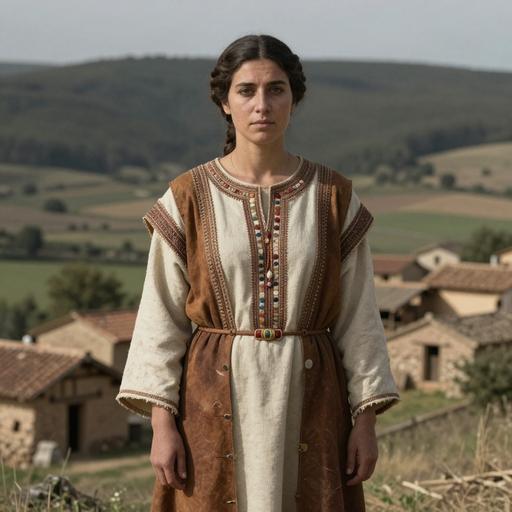
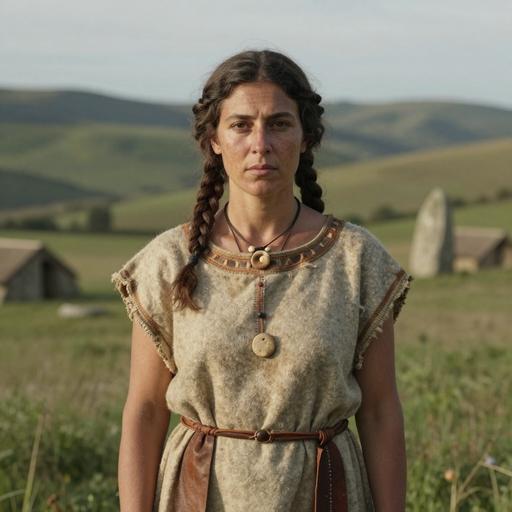
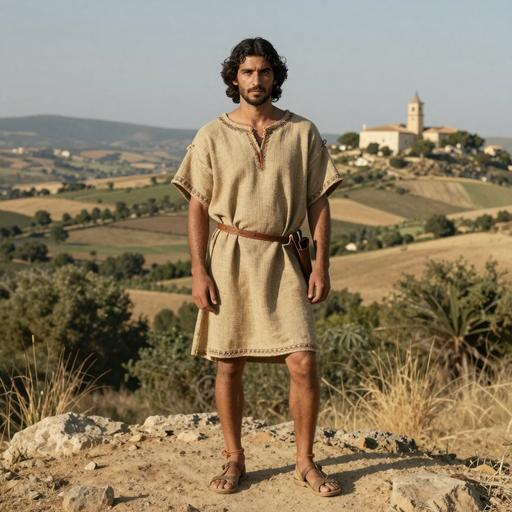
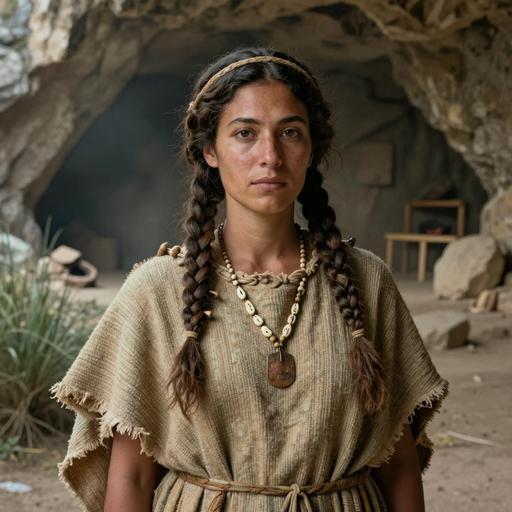
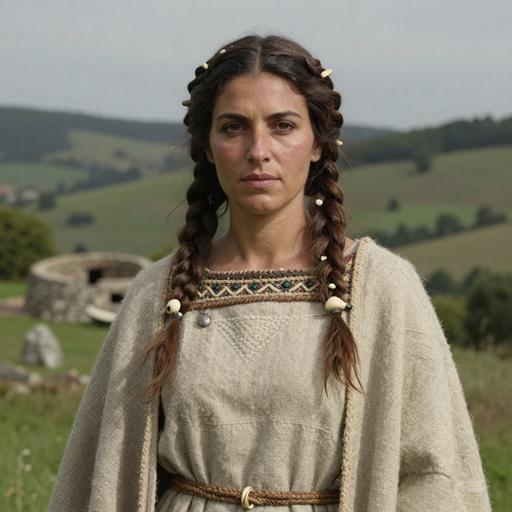
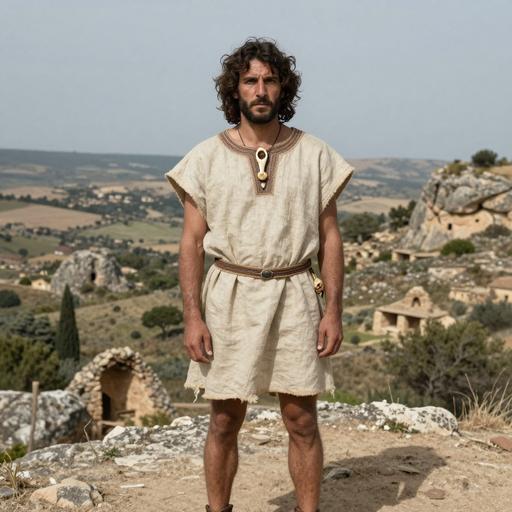
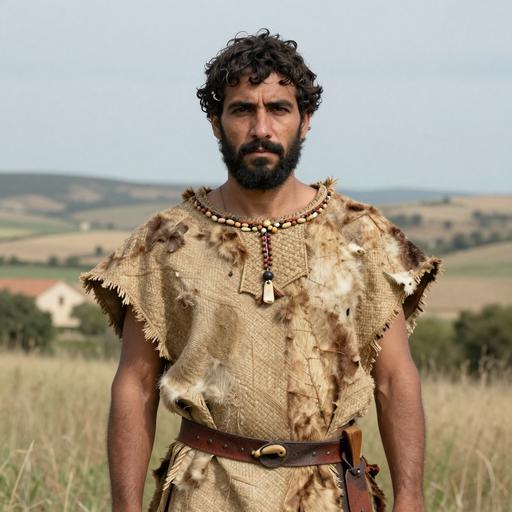
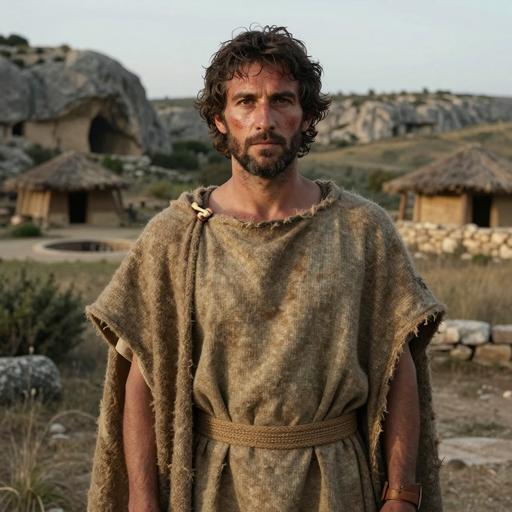
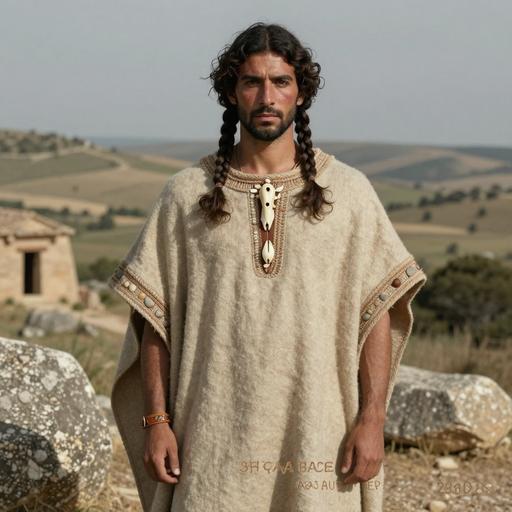
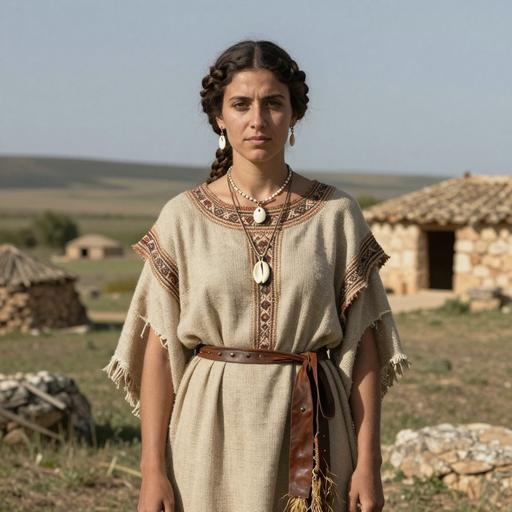
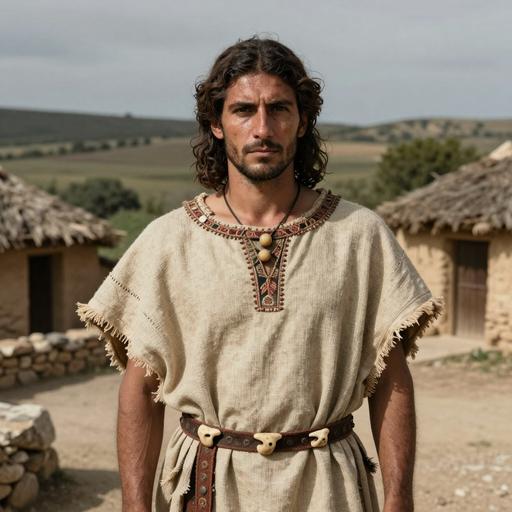
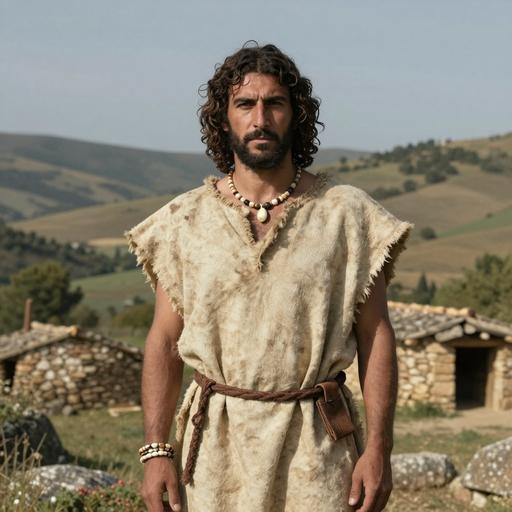
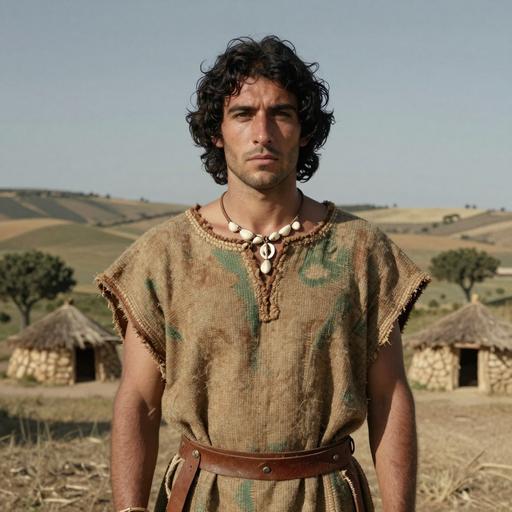
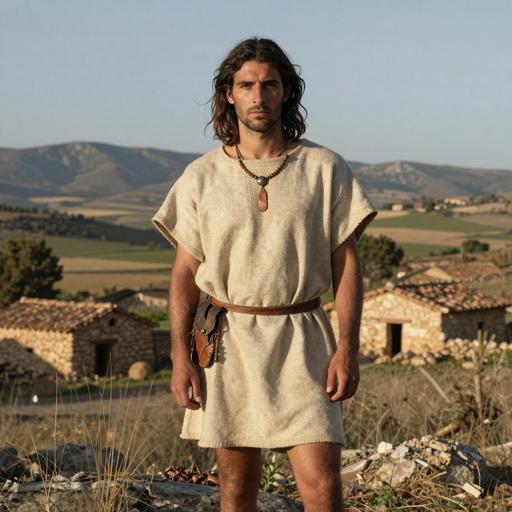
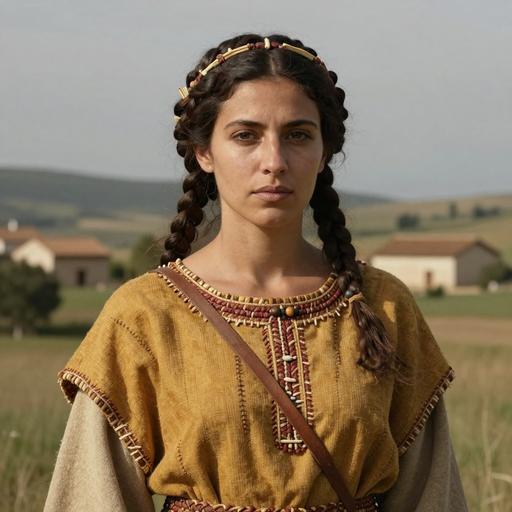
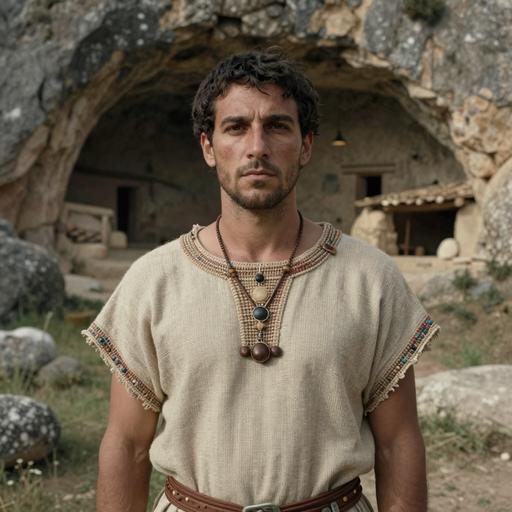
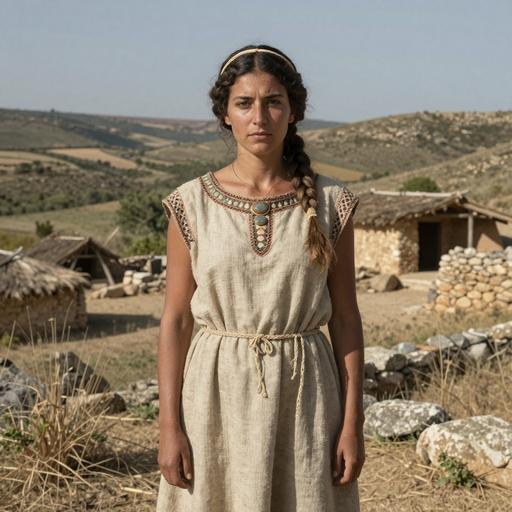
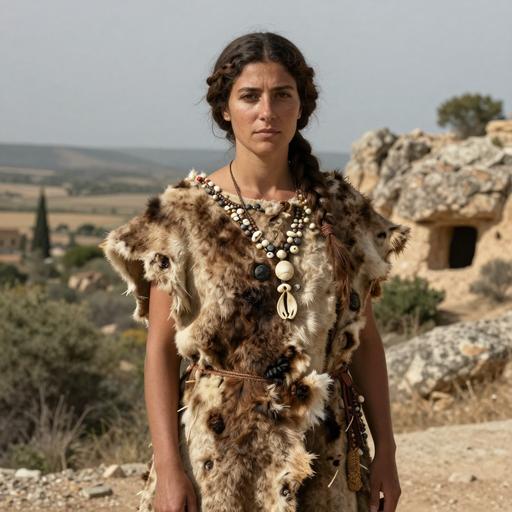
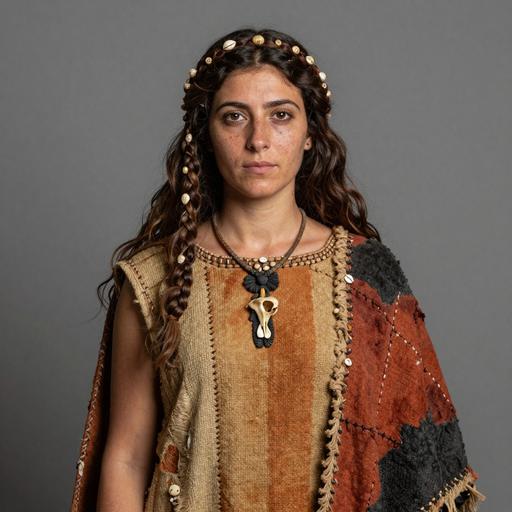
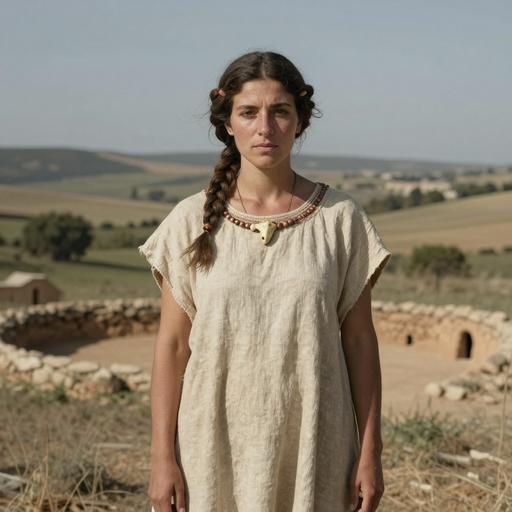
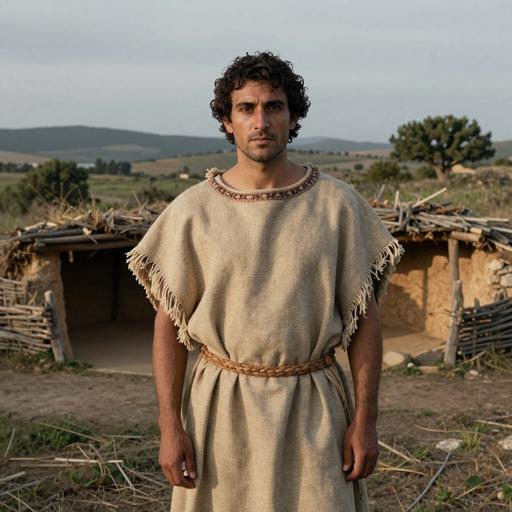
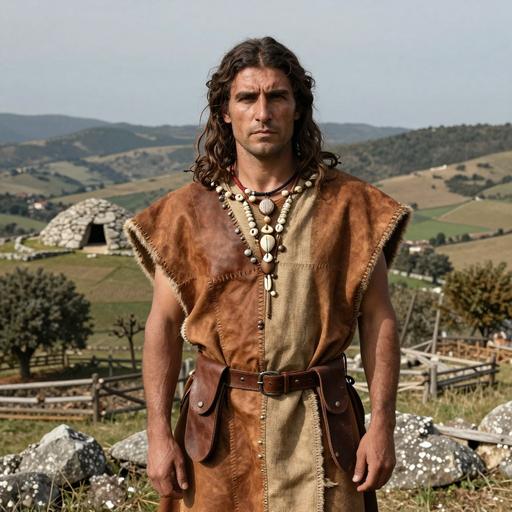
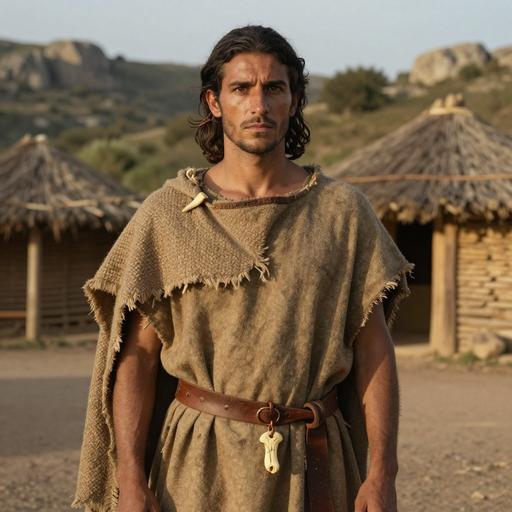
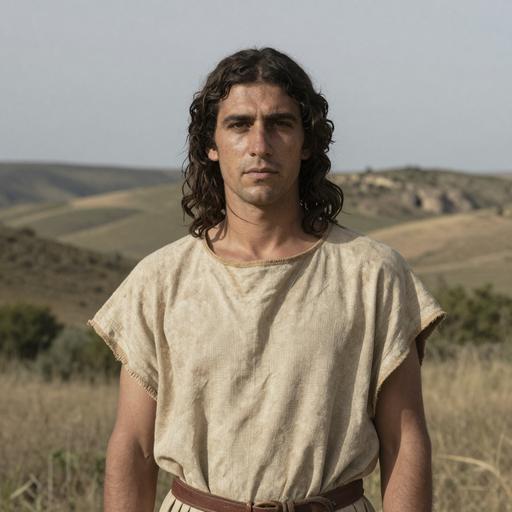
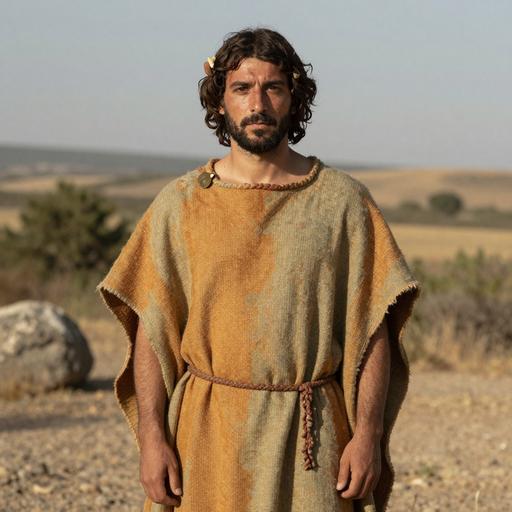
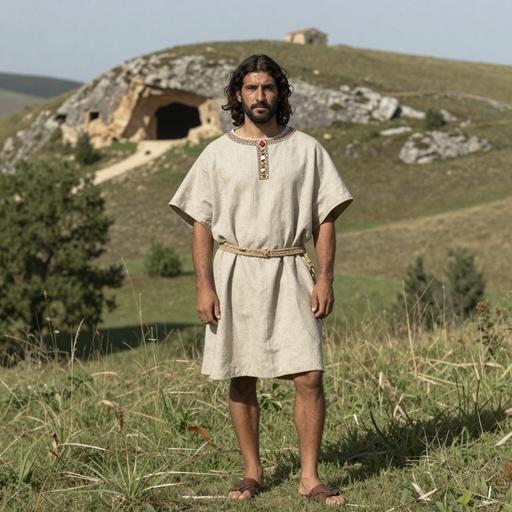
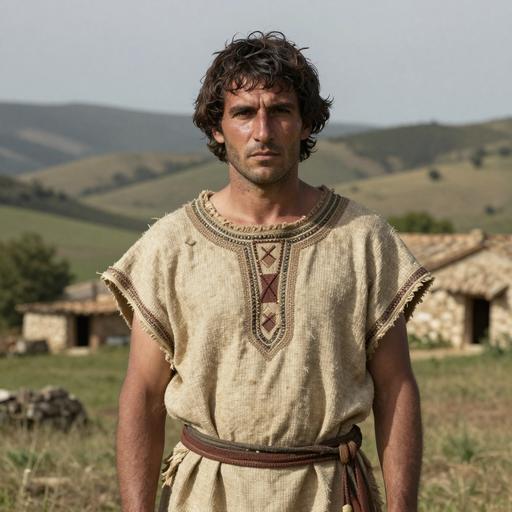
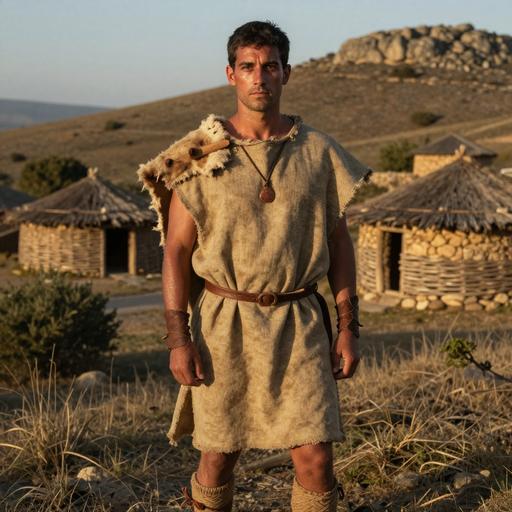
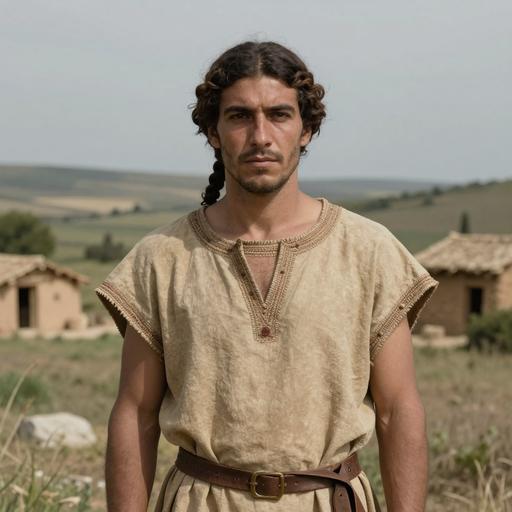
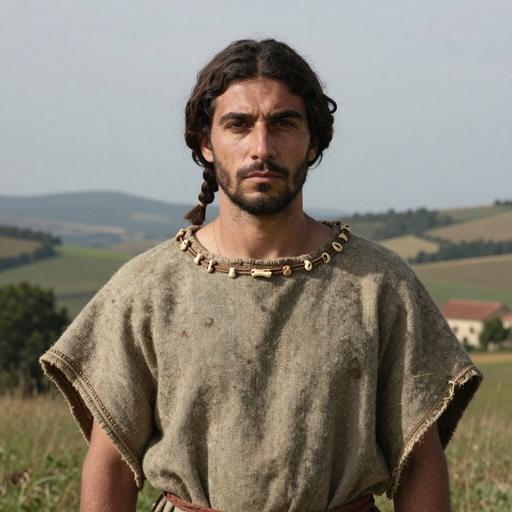
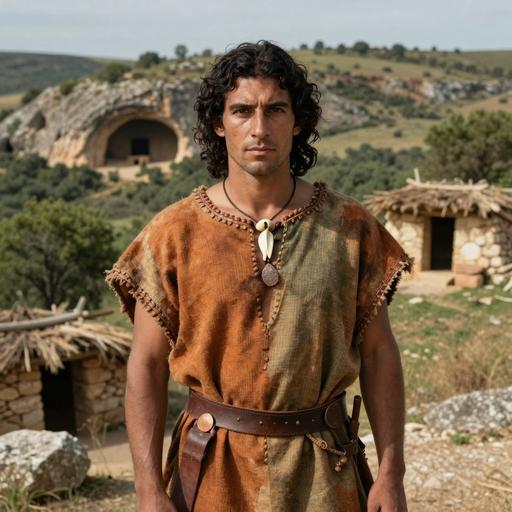
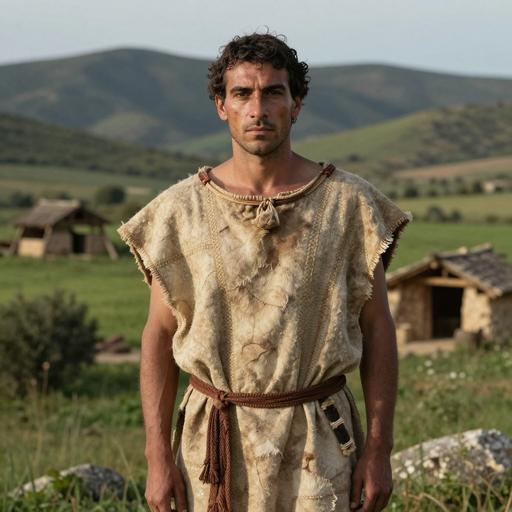
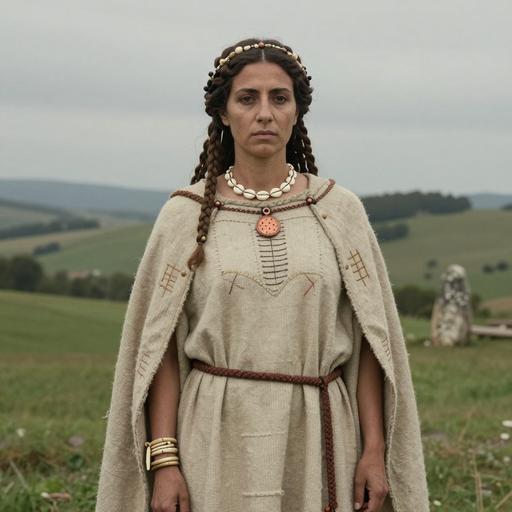
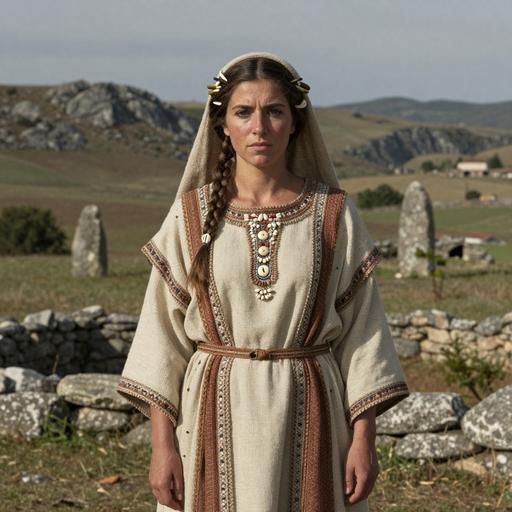
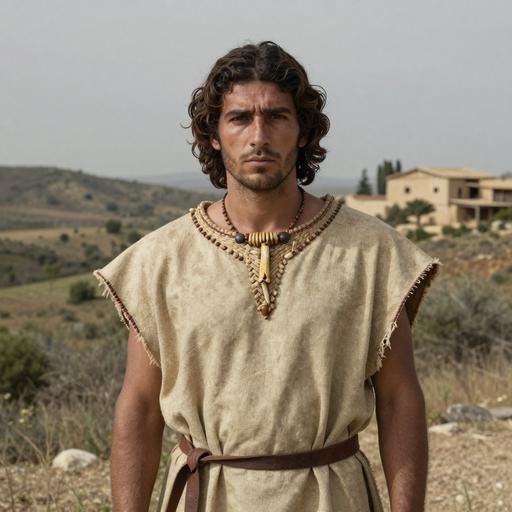
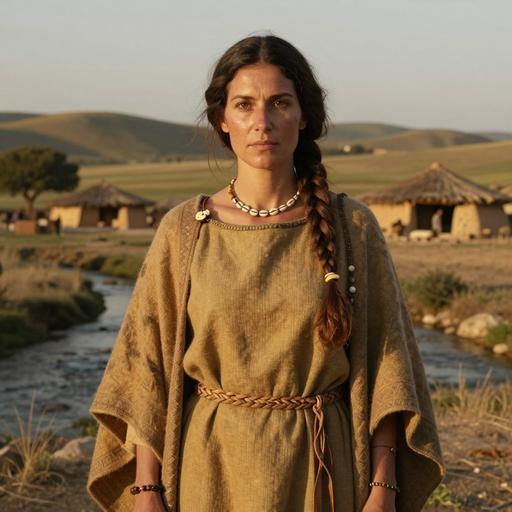
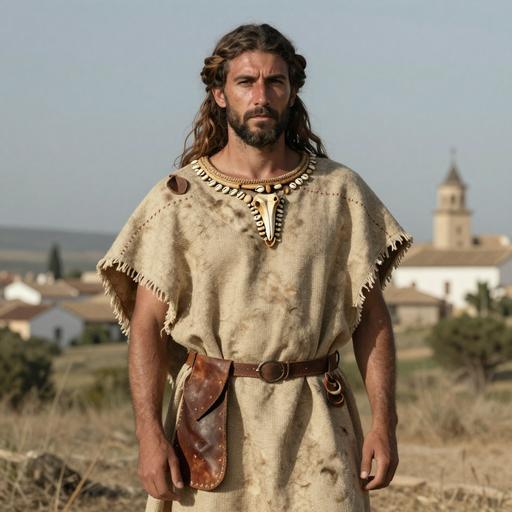
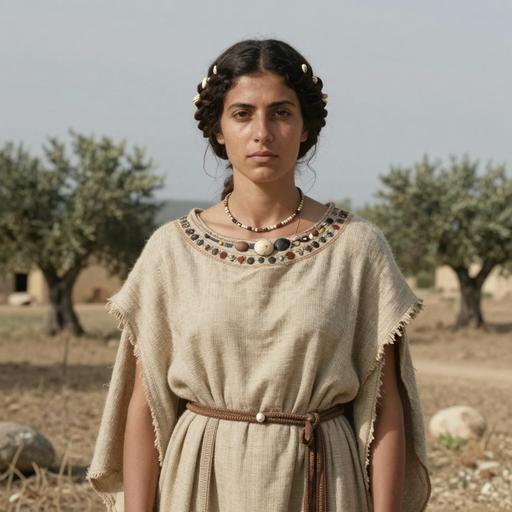
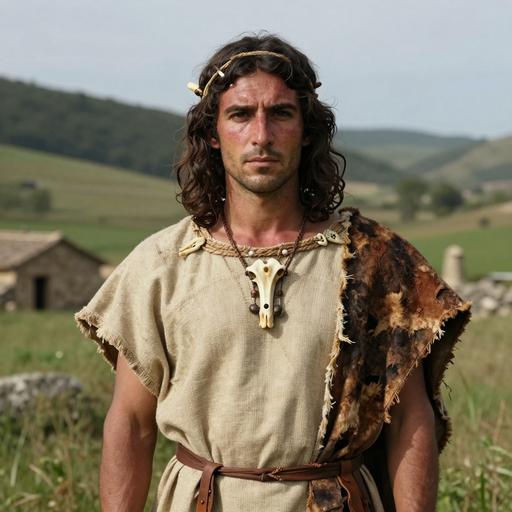
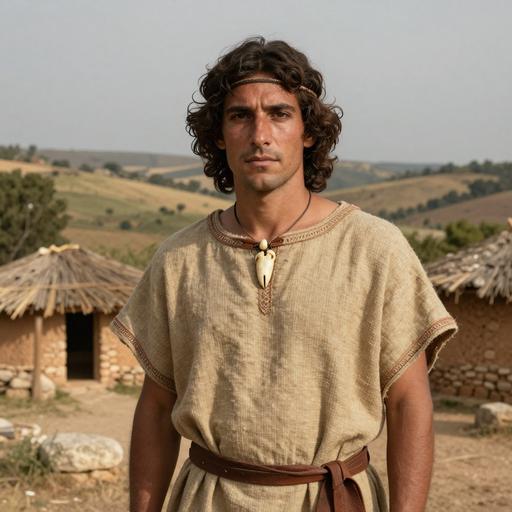
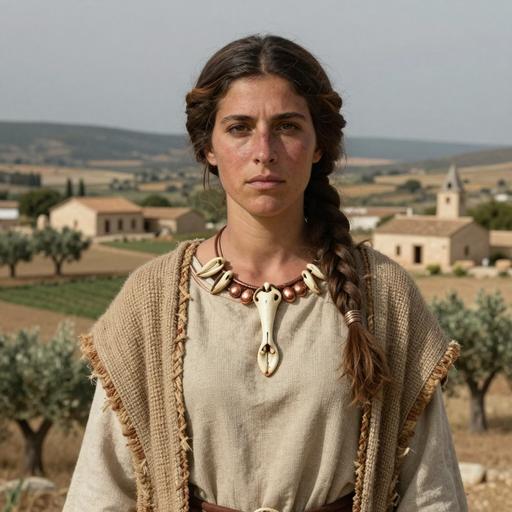
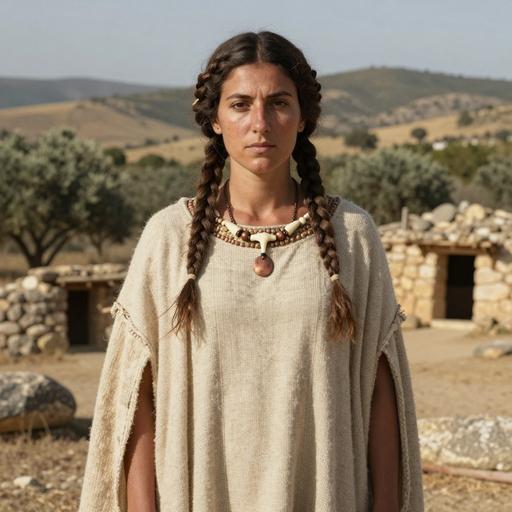
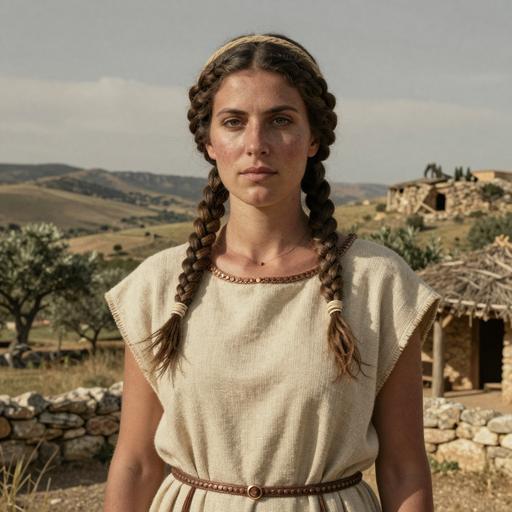
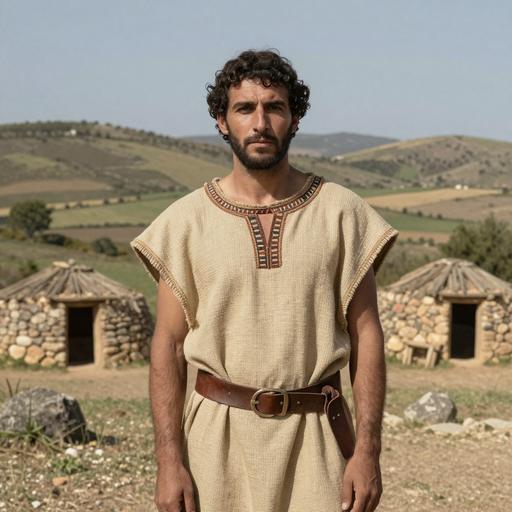
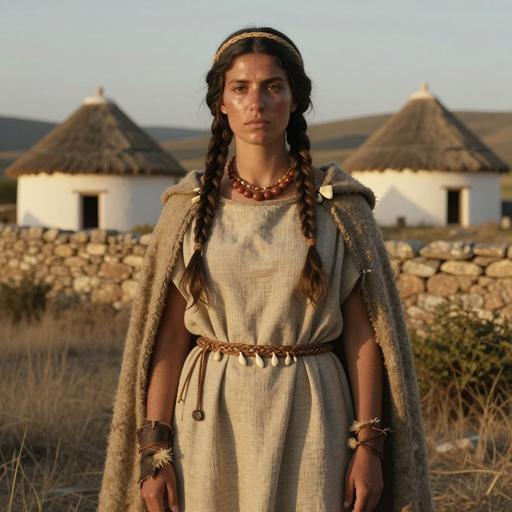
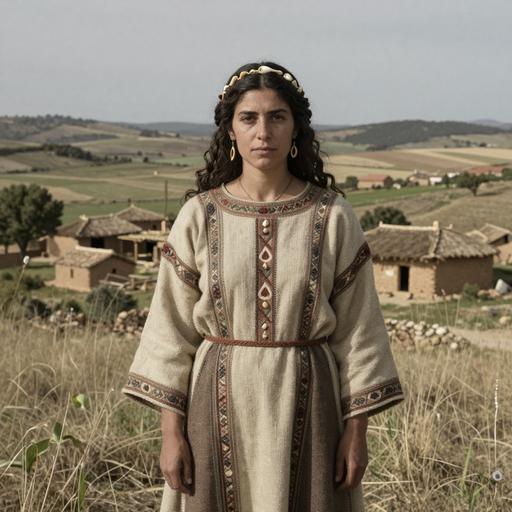
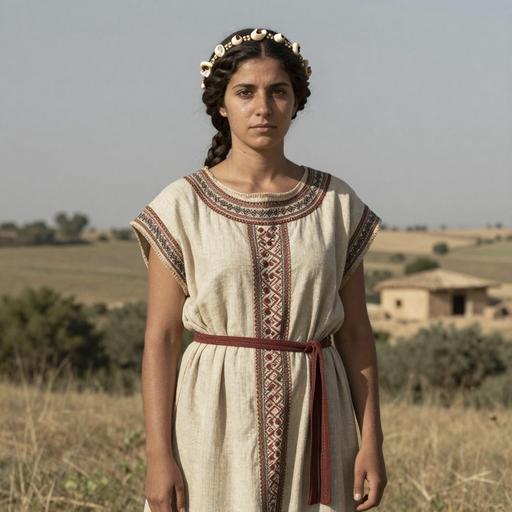
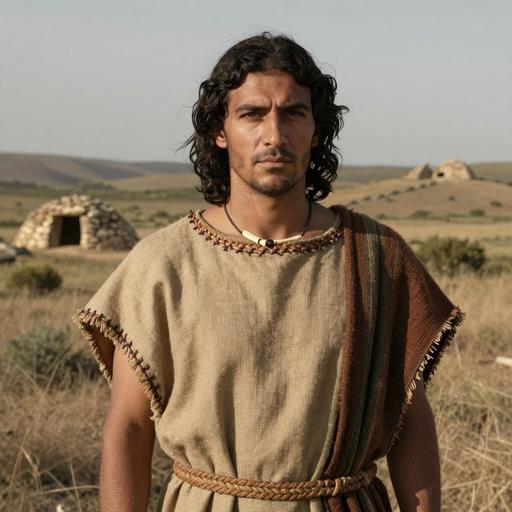
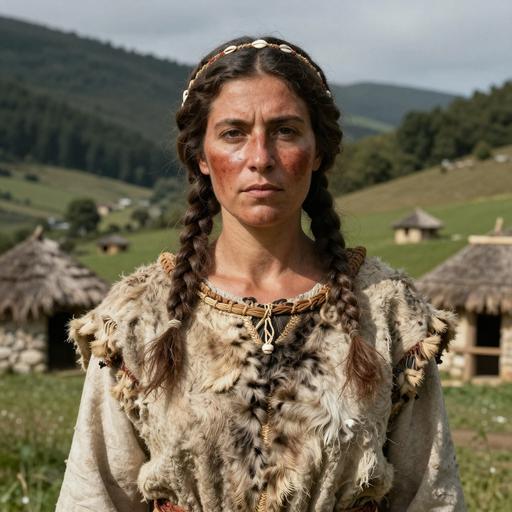
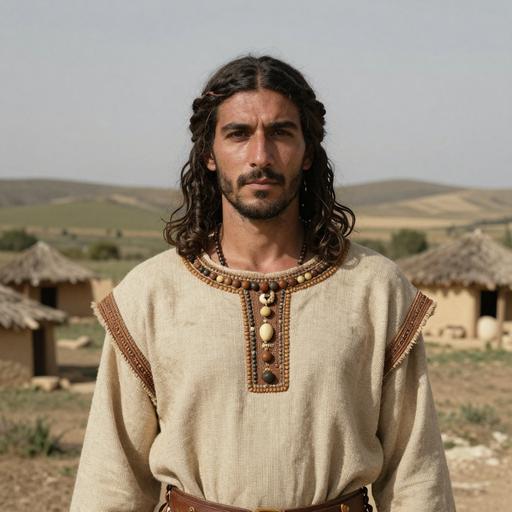
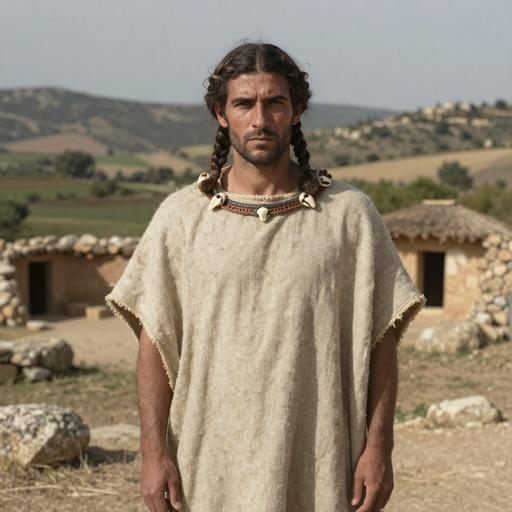
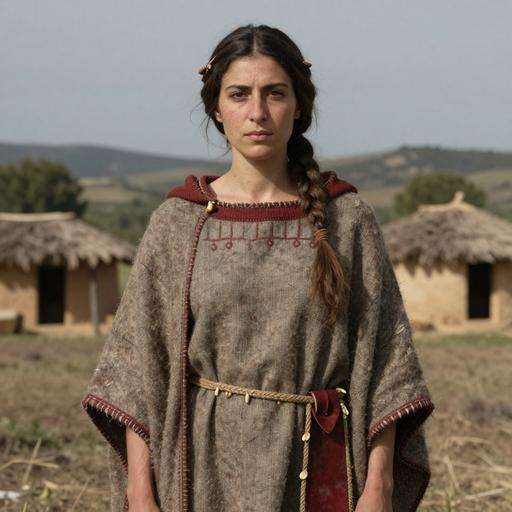
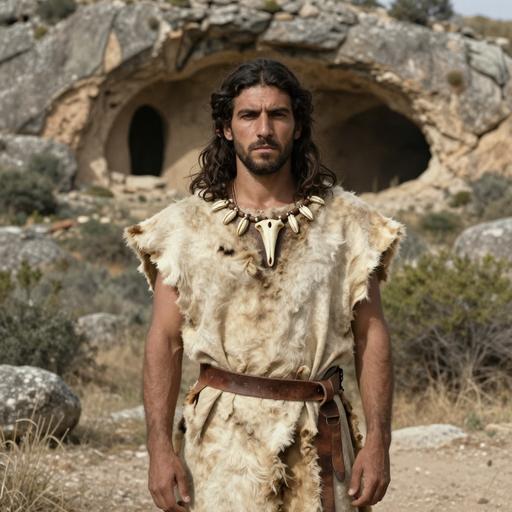
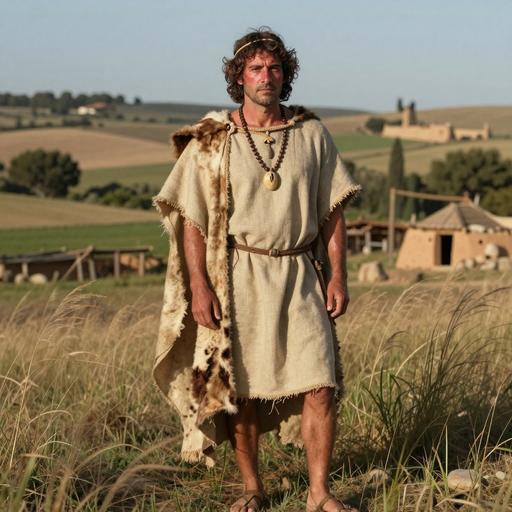
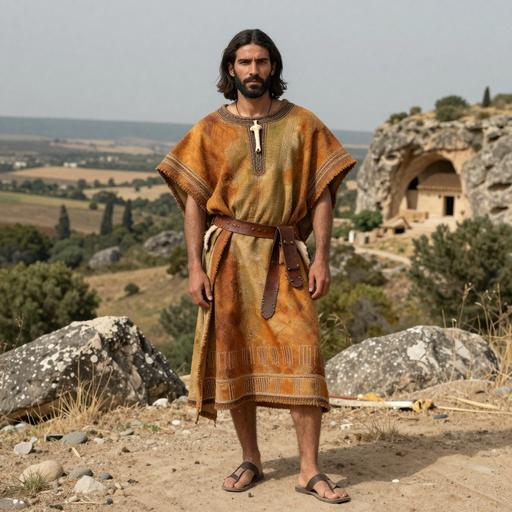
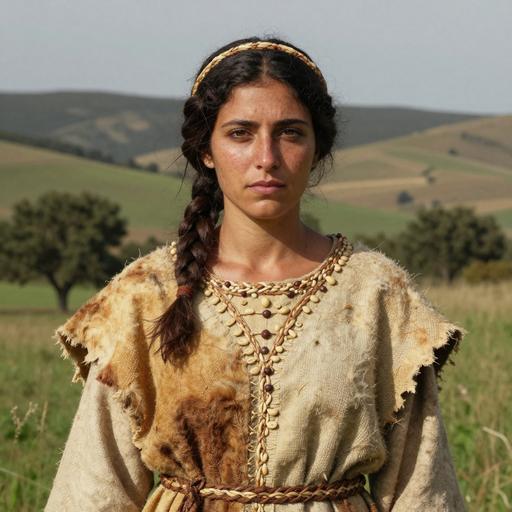
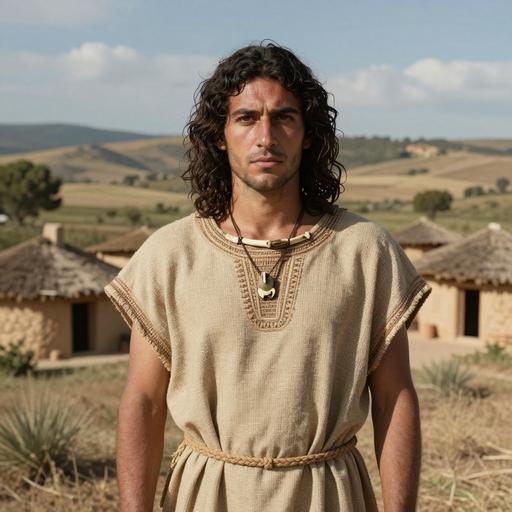
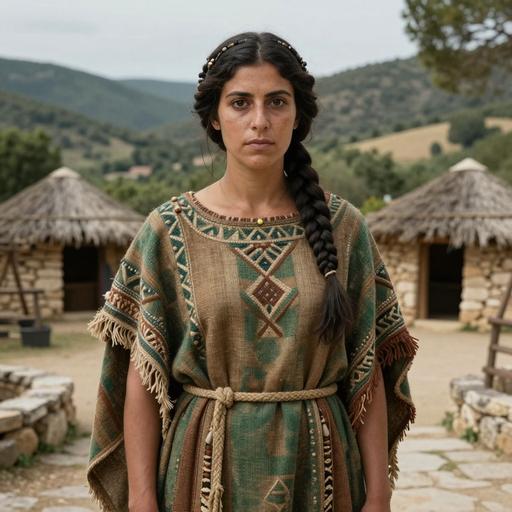
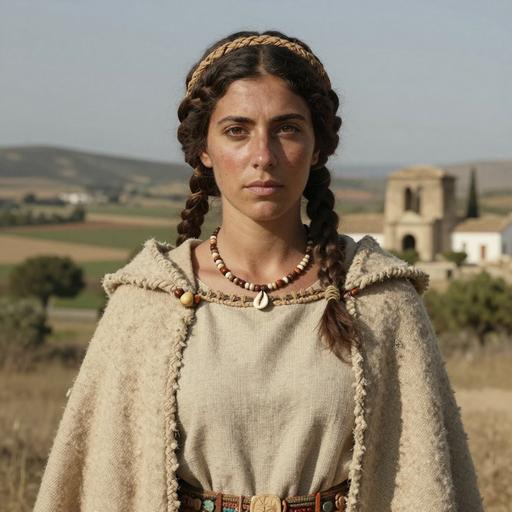
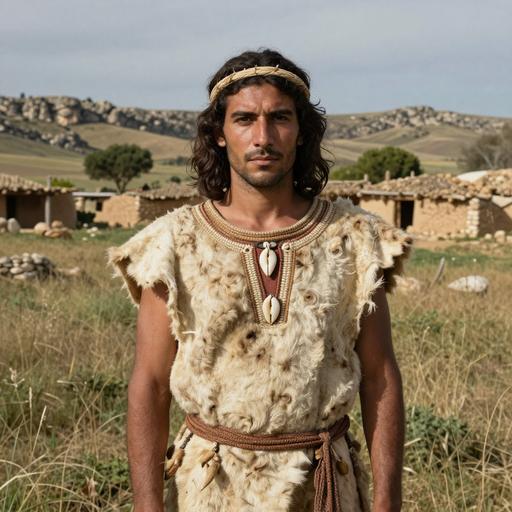
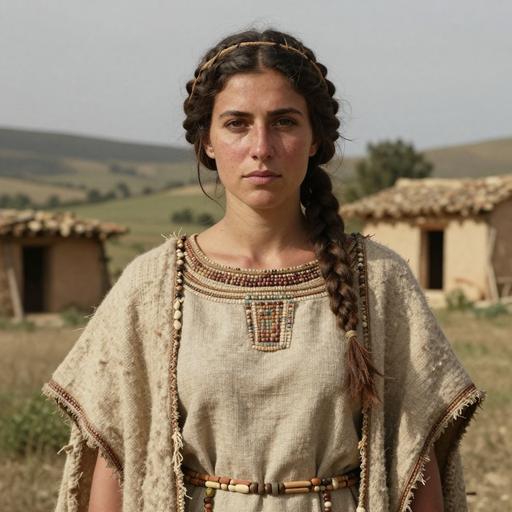
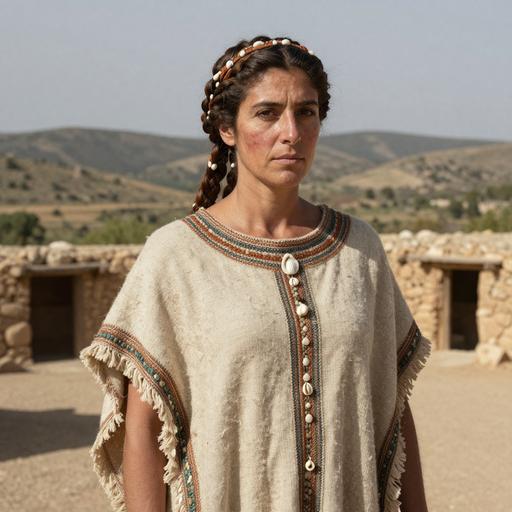
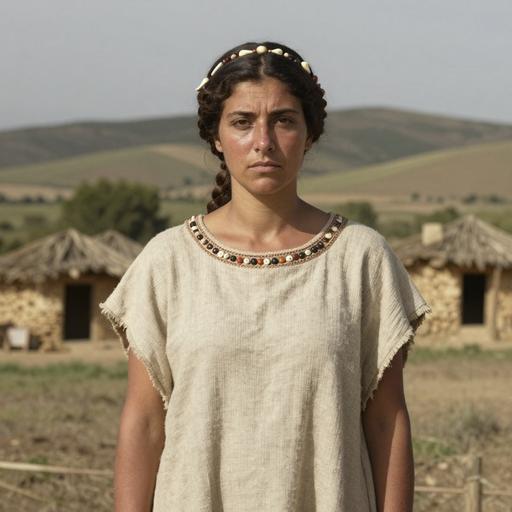
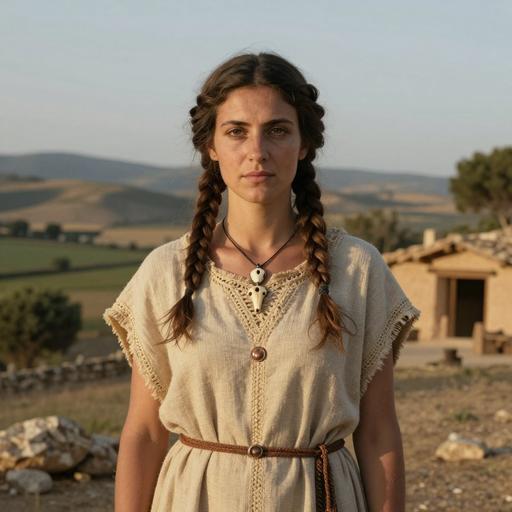
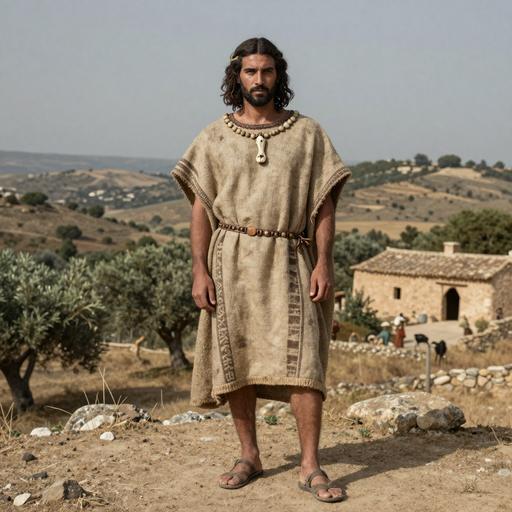
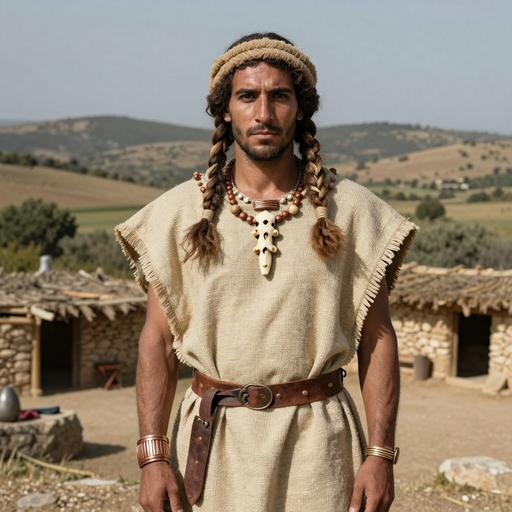
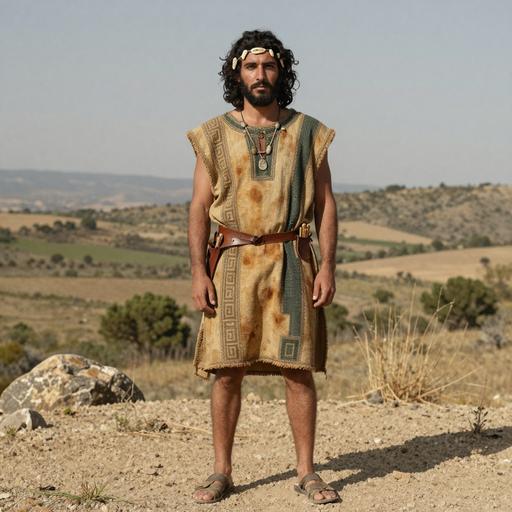
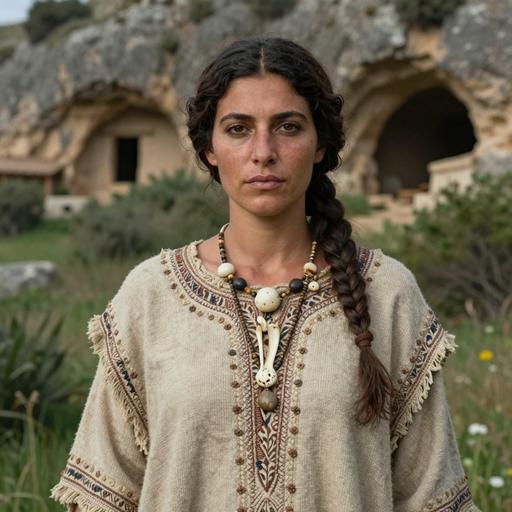
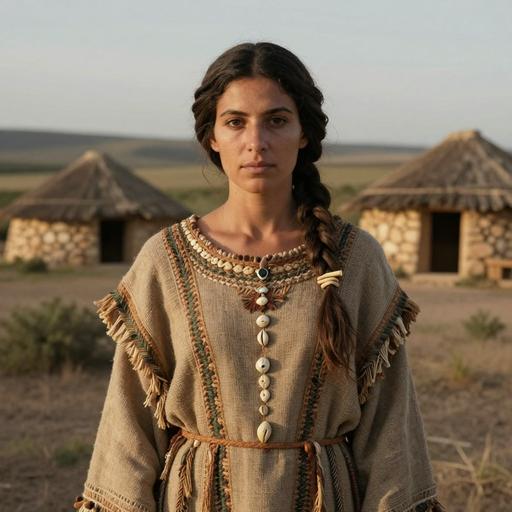
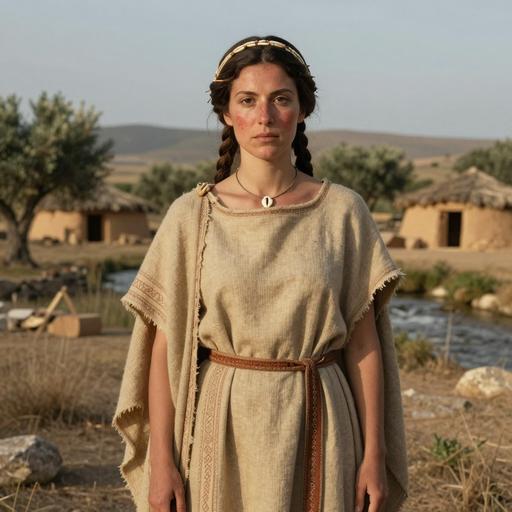
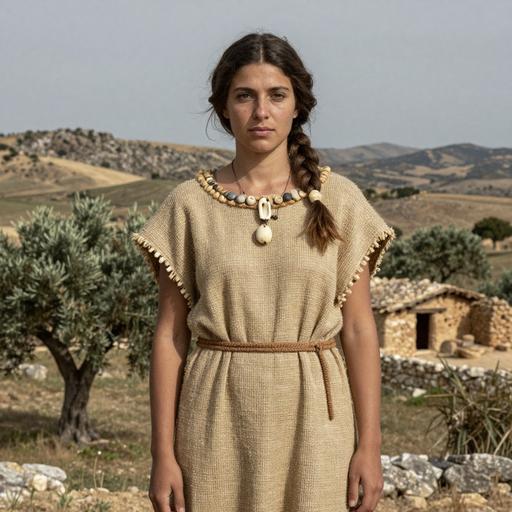
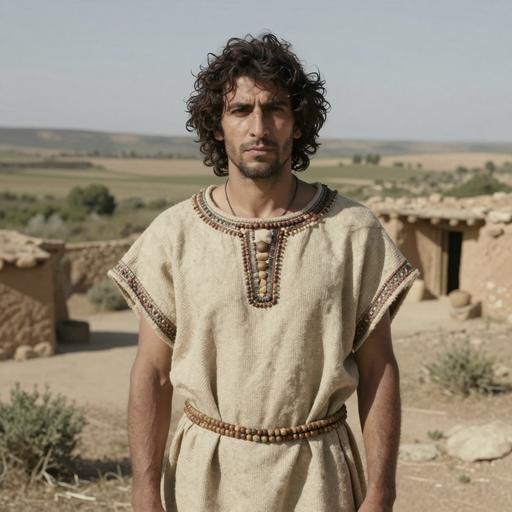
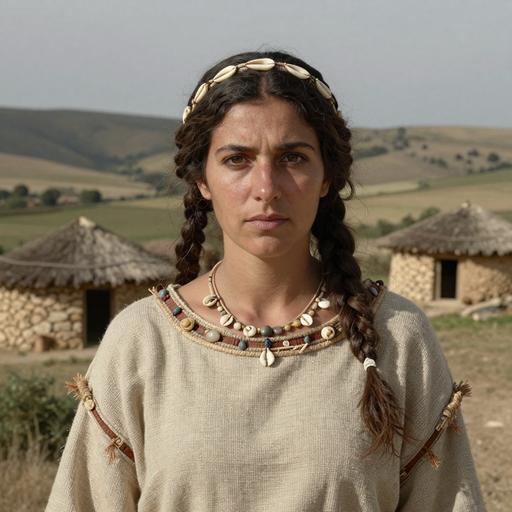
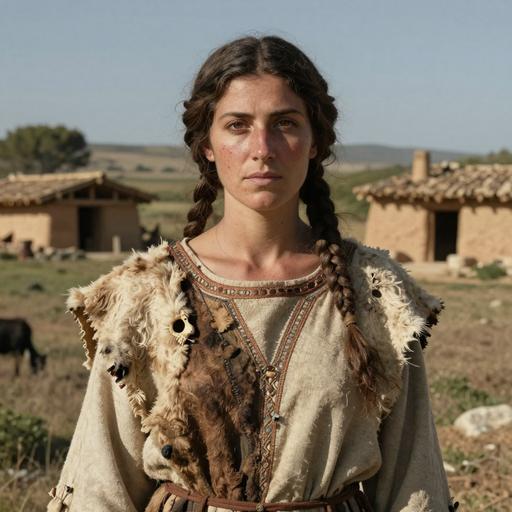
The Iberian Chalcolithic emerges as a landscape of metal glints and deep caves. From the karst chambers of Atapuerca and El Portalón to the flint-strewn hills of Cabeço da Arruda and Galeria da Cisterna, communities between 3800 and 1700 BCE adopted copper technologies, elaborated funerary architecture and intensified long-distance exchange. Archaeological data indicate regional diversity: some areas emphasize collective cave burial (El Portalón, El Mirador), while others show open-air copper-age settlements and ritual deposition (Torres Vedras, Burgos).
Material change unfolded against long-term local trajectories. Pottery, polished stone tools and early metallurgy layered atop Neolithic farming economies, producing hybrid cultural assemblages rather than a single uniform culture. Ancient DNA from 157 individuals sampled across Spain and Portugal shows demographic complexity: genetic continuity with earlier Neolithic farmers is visible, but pulses of new ancestry—detectable in the third millennium BCE—coincide with greater connectivity across Atlantic and continental Europe. Limited evidence suggests these demographic shifts were uneven: some valleys retain strong local signatures while coastal nodes show more incoming influence.
Archaeological inference must remain cautious. The physical traces—burial caves, copper beads, ochre-stained bones—are vivid, but translating them into social change requires combining stratigraphy, radiocarbon horizons and genomic patterns. Where DNA and material culture converge, they illuminate how people moved, married and buried their dead in a changing Iberia.