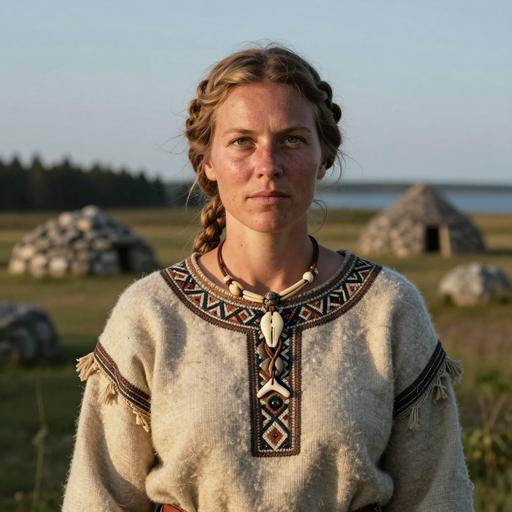
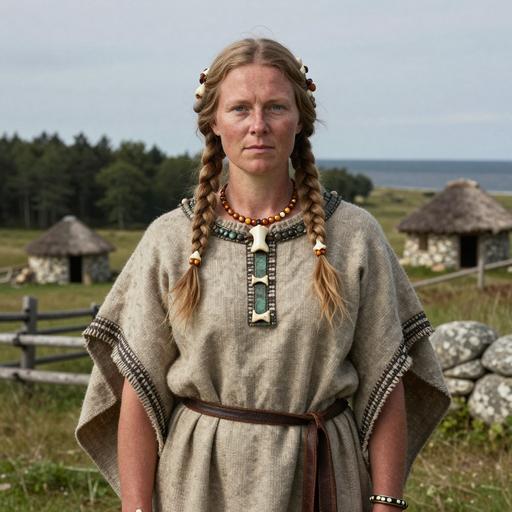
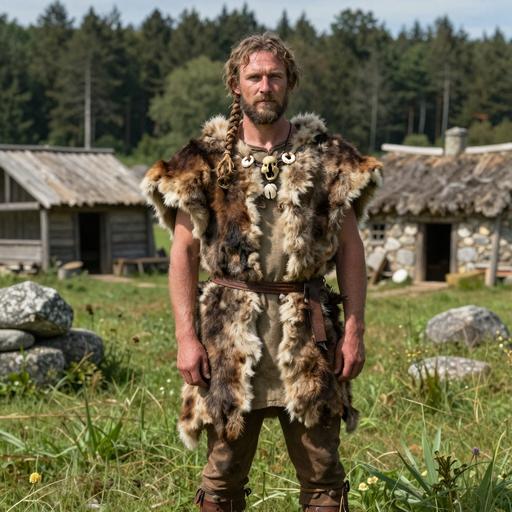
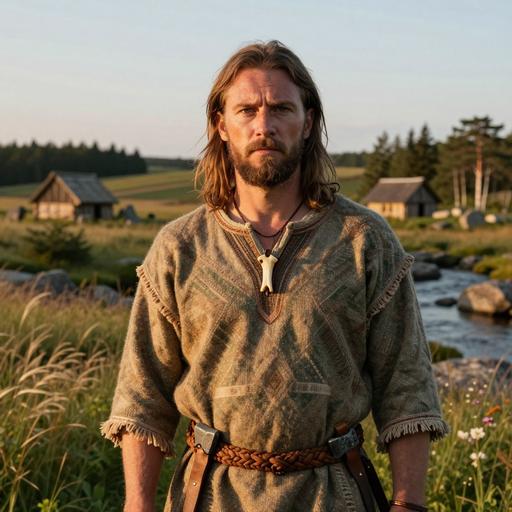
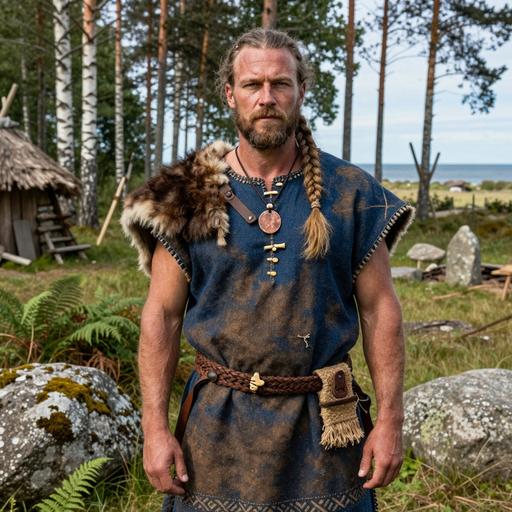
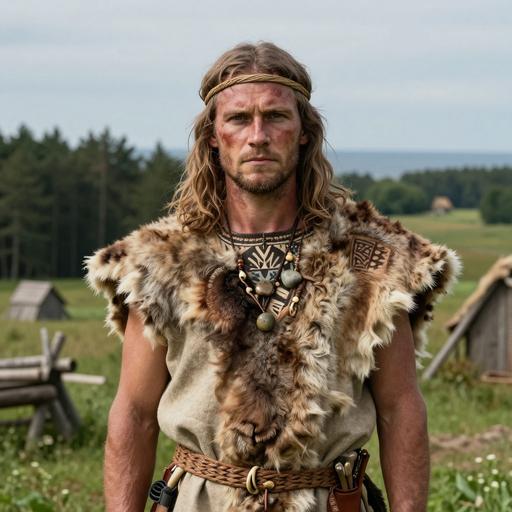
The Nordic Bronze Age in this dataset emerges from a deep coastal tradition long associated with the Pitted Ware cultural horizon (ca. 3200–2300 BCE) and later Bronze Age innovations. Archaeological loci such as Ajvide (Eksta parish, Gotland), Västerbjers and Stora Karlsö on Gotland, and mainland Danish sites like Gjerrild Cist and Trundholm span shoreline settlements, cist burials and ritual deposits. Levanluhta (Isokyro, Finland) represents a distinct northern strand with water-associated deposition and later reuse into the Iron Age.
Material culture—pit-decorated pottery, marine hunting gear, and later bronze tools and iconography—speaks to continuity of maritime lifeways even as metallurgy and long-distance exchange increase. Radiocarbon and stratigraphic data indicate the sampled sequence covers Late Neolithic to historic-period reuse (3100 BCE–800 CE); therefore patterns seen here blend multiple phases. Archaeological data indicates interactions with Scandinavian mainland Bronze Age traditions (Denmark) and both continuity and change in coastal communities. Limited evidence suggests local innovations in ritual deposition and seafaring technology, while broader pan-North Sea exchange brought new metalworking and stylistic motifs into the region.