Menu
Store
Blog
China_AmurRiver_N China (Xinjiang, Shaanxi, Inner Mongolia, Guangxi, Liaoning)

Threads of Early China

Archaeology and DNA reveal millennia of continuity and contact across ancient China

6690 BCE - 248 CE
10 Ancient Samples
Scroll to begin
Chapter I

The Story

Understanding the Threads of Early China culture

A 6,900‑year genetic and archaeological transect across China (6690 BCE–248 CE) shows local Neolithic continuity centered on the Yellow River with episodic western Eurasian input in Xinjiang, reflecting shifting mobility and cultural exchange.

Time Period

6690 BCE — 248 CE

Region

China (Xinjiang, Shaanxi, Inner Mongolia, Guangxi, Liaoning)

Common Y-DNA

O (36), R (26), C (21), Q (19), F (6)

Common mtDNA

D (50), U (25), C4 (18), H (18), B (16)

Chapter II

Timeline

Key moments in the history of this culture

2500 BCE

Late Neolithic regional complexity rises

By the late 3rd millennium BCE, archaeological centers show increasing social complexity and long-distance exchange across northern China and the West Liao River region.

Chapter III

Origins & Emergence

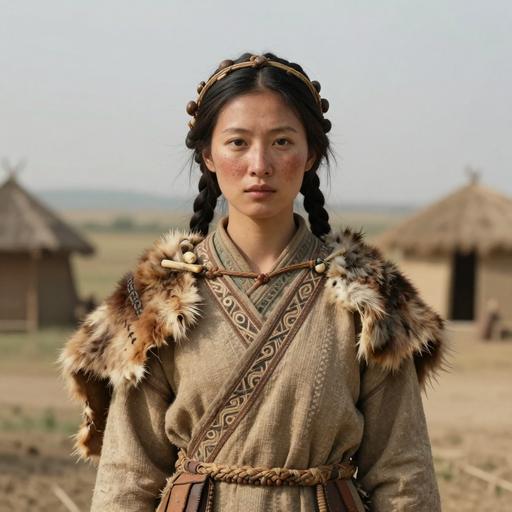
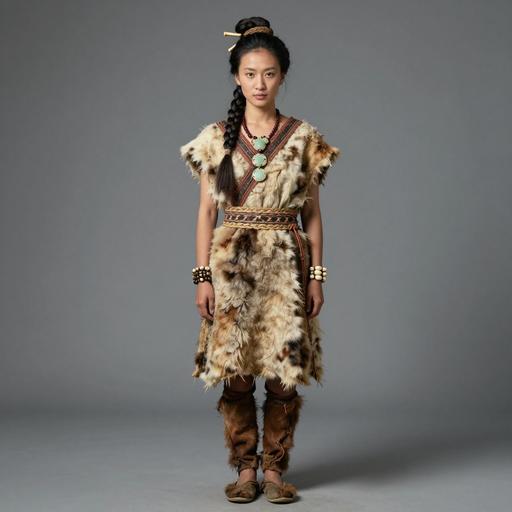
From caves on the Guangxi karst to high valleys of Xinjiang, the ancient Chinese archaeological record unfolds like layered silk. Archaeological data indicates settled farming communities along the Yellow River and its tributaries by the Middle Neolithic, while more marginal regions in the northeast and the Tarim Basin show distinct material cultures and funerary practices. Sites in this dataset such as Wuzhuangguoliang (Shaanxi), Longtoushan (Hexigten, Inner Mongolia), Baojianshan Cave A (Guangxi) and multiple Xinjiang loci (Xiaohe, Jierzankale, Liushui, Jirentaigoukou) span 6690 BCE to the late Han period (248 CE), offering a rare long-term view.

Material change—ceramics, house plans, metallurgy and burial complexity—marks the slow emergence of regional hierarchies during the Late Neolithic and Bronze Age phases (e.g., Shimao-related complexity in northern Shaanxi and the West Liao River cultural horizon). Archaeobotanical remains and village architecture show intensifying agriculture in central China, while Xinjiang and Inner Mongolia record mixed subsistence strategies that include pastoralism and long-distance exchange. Limited evidence suggests some sites functioned as ritual centers, others as seasonal camps.

Taken together, the archaeological picture is of strong local continuity punctuated by episodes of mobility and contact. Genetic sampling across these sites allows us to test whether material links reflect people moving, ideas spreading, or both.
  • Dataset spans 6690 BCE to 248 CE across diverse ecological zones
  • Key sites: Wuzhuangguoliang, Longtoushan, Baojianshan Cave A, Xiaohe, Jierzankale
  • Archaeology shows local continuity with episodic interregional contact
Chapter IV

Daily Life & Society

Life in these ancient communities was shaped by landscape and season. In riverine central China, archaeological assemblages show millet and later rice/soy cultivation, fixed houses, pottery for storage and grinding stones—signs of a sedentary farming economy that supported growing populations. At Wuzhuangguoliang and other Yellow River sites, house foundations and storage pits indicate year‑round villages with emerging social differentiation reflected in grave goods and differential burial architecture.

On the northeastern steppes and in Xinjiang's oases, mobile pastoralism and mixed herding appear alongside agriculture. Cemeteries such as Xiaohe (Tarim Basin) preserve organic textiles, wooden boat coffins and personal ornaments that speak to long-distance exchange networks. Toolkits vary: polished groundstone and millet-processing tools dominate in agrarian villages; composite hunting and herding gear appears in steppe contexts. Craft specialization—pottery styles, copper objects in Bronze Age layers—marks growing craft economies.

Archaeological data indicates ritual practices and regional styles reflect identity and alliances; however, the social picture is mosaic and varied by place and time. Preservation biases (e.g., arid Xinjiang vs humid south) mean some aspects of daily life are better recovered than others.

  • Sedentary millet-based farming in Yellow River zones with evidence of storage and village life
  • Xinjiang and Inner Mongolia show mixed pastoral, agricultural and long-distance trade practices
Chapter V

Genetic Profile

Genetic data from 316 individuals spanning 6690 BCE to 248 CE reveals a nuanced story of continuity and contact. Y-chromosome haplogroup O, the dominant East Asian male lineage in our samples (36 counts), is concentrated in central and eastern sites and fits archaeological evidence for long-term local continuity in Yellow River and southern regions. In contrast, elevated counts of R (26), Q (19) and C (21) are more frequent in Xinjiang and some northern sites, consistent with western Eurasian and northern Eurasian male-line influences—particularly during Bronze and Iron Age horizons when steppe mobility intensified.

Mitochondrial haplogroups also record mixture across maternal lines. East Asian‑linked mtDNA D (50) and B (16) are common and widespread, while northern/central Asian markers such as C4 (18) appear in Inner Mongolian and Xinjiang contexts. Notably, haplogroups typical of western Eurasia (U, 25; H, 18) are present, especially in Xinjiang Bronze Age assemblages like Xiaohe and later Iron Age burials, indicating female-mediated gene flow or complex ancestry mixtures.

Archaeogenetic patterns align with archaeology: central China shows genetic continuity through the Neolithic into historic times, while Xinjiang and the northern frontiers are genetic mosaics reflecting repeated contacts across the Inner Asian corridor. Statistical analyses point to admixture pulses rather than wholesale population replacement. While the sample size (316) is robust for detecting regional trends, fine-scale demographic inferences for specific sites should be treated with caution and refined as more genomes become available.

  • Dominant Y-DNA O indicates long-term East Asian male continuity in central/eastern sites
  • Presence of R, Q, C and mtDNA U/H in Xinjiang reflects western/steppe-related admixture
Chapter VI

Legacy & Modern Connections

The genetic and archaeological threads woven across millennia inform how modern populations in China and neighboring regions formed. Archaeological continuity along the Yellow River corresponds to genetic lineages that remain prevalent in modern East Asians, while Xinjiang’s ancient mosaics foreshadow the genetic and cultural diversity seen today across the Eurasian steppe and Tarim Basin. These ancient datasets illuminate processes—local resilience, migratory episodes, and frontier exchange—that shaped language, material culture and biological ancestry.

Importantly, the presence of western Eurasian lineages in some ancient Xinjiang individuals does not imply a simple replacement; rather, it reflects complex networks of trade, marriage and mobility. Limited preservation and uneven sampling mean our picture is still incomplete, but integrated archaeology-plus-DNA approaches are transforming our understanding of how early Chinese societies formed and connected with distant regions.

  • Yellow River genetic continuity contributes to ancestry of many modern East Asians
  • Xinjiang ancient genomes reveal early east–west interactions predating late historic periods
Chapter VII

Sample Catalog

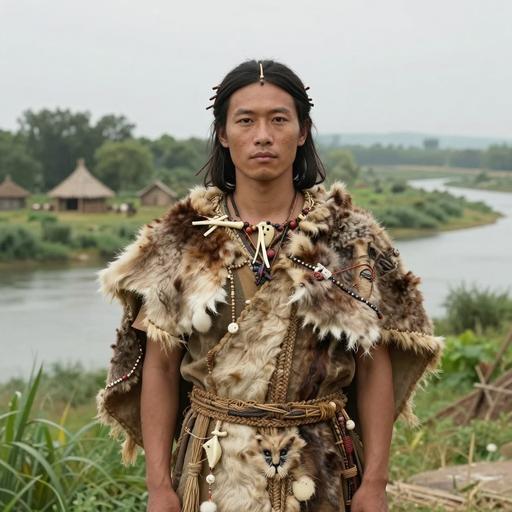
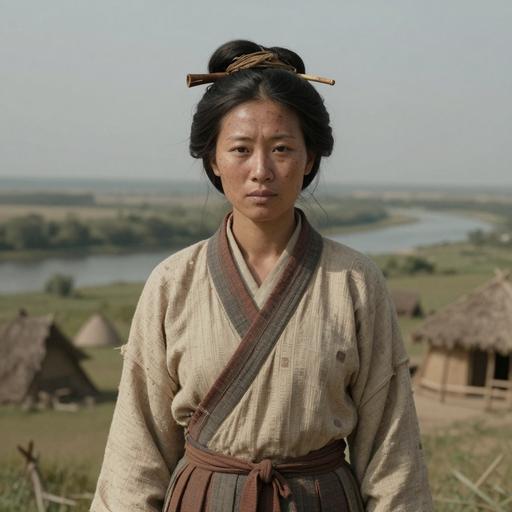
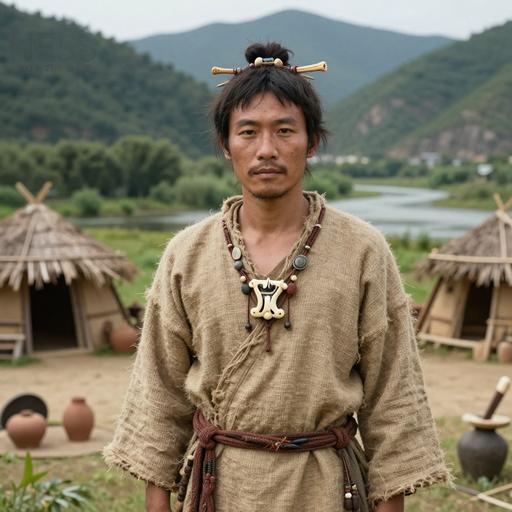
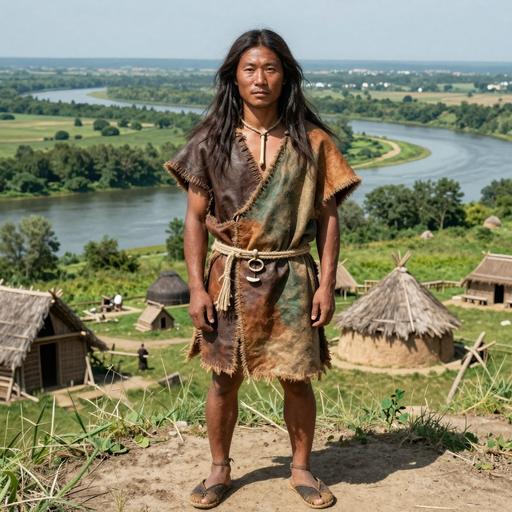
10 ancient DNA samples associated with the Threads of Early China culture

Ancient DNA samples from this era, providing genetic insights into the people who lived during this period.

10 / 10 samples
Portrait Sample Country Era Date Culture Sex Y-DNA mtDNA
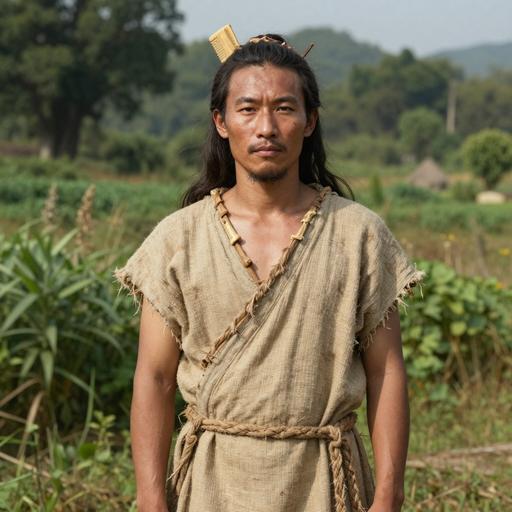
Portrait of ancient individual NE9 from China, dated 4448 BCE
NE9
China China_AmurRiver_N 4448 BCE Ancient Chinese Civilization F - -
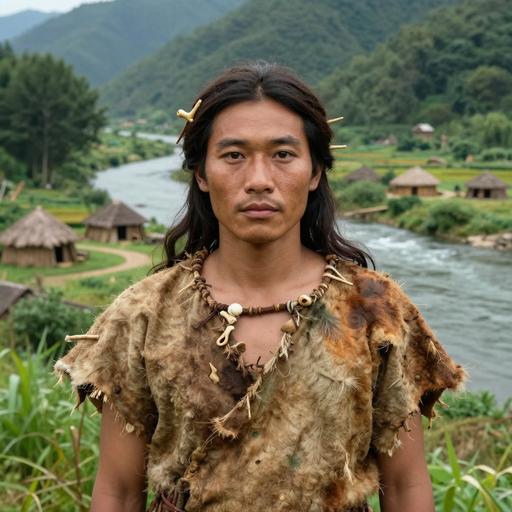
Portrait of ancient individual NE29 from China, dated 4999 BCE
NE29
China China_AmurRiver_N 4999 BCE Ancient Chinese Civilization F - D4c1
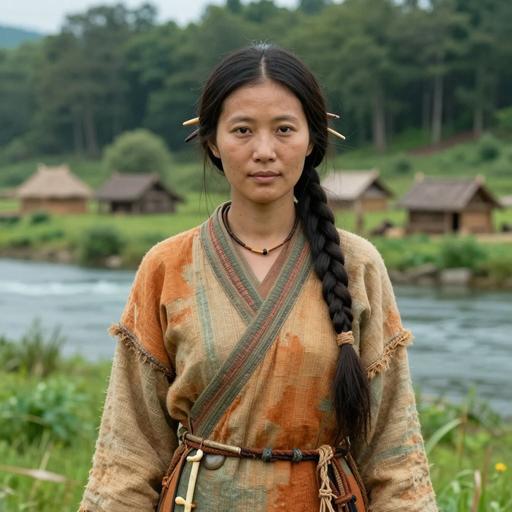
Portrait of ancient individual NE39 from China, dated 6375 BCE
NE39
China China_AmurRiver_N 6375 BCE Ancient Chinese Civilization M C D4m2
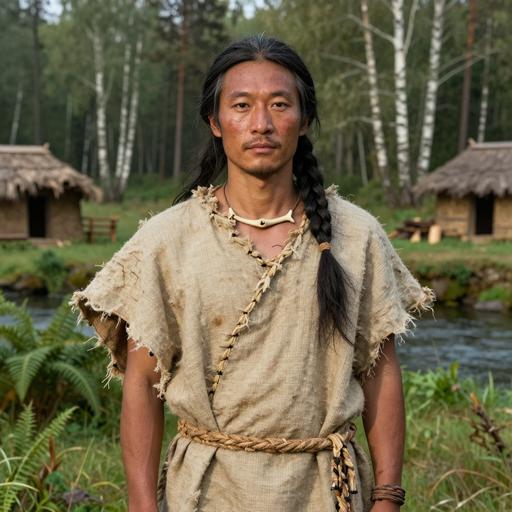
Portrait of ancient individual NE19 from China, dated 5210 BCE
NE19
China China_AmurRiver_N 5210 BCE Ancient Chinese Civilization M C F1b1-a
Portrait of ancient individual NE16 from China, dated 6690 BCE
NE16
China China_AmurRiver_N 6690 BCE Ancient Chinese Civilization F - -
Portrait of ancient individual NE2 from China, dated 4445 BCE
NE2
China China_AmurRiver_N 4445 BCE Ancient Chinese Civilization M C -
Portrait of ancient individual NE22 from China, dated 4990 BCE
NE22
China China_AmurRiver_N 4990 BCE Ancient Chinese Civilization M C -
Portrait of ancient individual NE49 from China, dated 6465 BCE
NE49
China China_AmurRiver_N 6465 BCE Ancient Chinese Civilization F - D4o
Portrait of ancient individual NE58 from China, dated 5471 BCE
NE58
China China_AmurRiver_N 5471 BCE Ancient Chinese Civilization M C-F1906 D4e5
Portrait of ancient individual NE18 from China, dated 5210 BCE
NE18
China China_AmurRiver_N 5210 BCE Ancient Chinese Civilization M - -
AI Powered

AI Assistant

Ask questions about the Threads of Early China culture

AI Assistant by DNAGENICS

Unlock this feature
Ask questions about the Threads of Early China culture. Our AI assistant can explain genetic findings, historical context, archaeological evidence, and modern connections.
Sample AI Analysis

The Threads of Early China culture represents a fascinating chapter in human history...

Genetic analysis reveals connections to earlier populations while showing evidence of unique adaptations and cultural innovations. The ancient DNA samples provide insights into migration patterns, social structures, and the biological relationships between ancient populations.

This is a preview of the AI analysis. Unlock the full AI Assistant to explore detailed insights about:

  • Genetic composition and ancestry
  • Migration patterns and origins
  • Daily life and cultural practices
  • Modern genetic legacy
Use code for 50% off Expires Mar 05