Menu
Store
Blog
France_NouvelleAquitaine_Mesolithic Western Europe (Sweden, France, UK, Portugal, Germany, Luxembourg, Denmark)

Voices of Western European Hunters

Mesolithic hunter-gatherers across Western Europe, revealed by archaeology and ancient DNA

8751 CE - 3710 BCE
3 Ancient Samples
Scroll to begin
Chapter I

The Story

Understanding the Voices of Western European Hunters culture

Western European Hunter-Gatherers (8751–3710 BCE) inhabited coastal caves, river valleys, and lake-shores from Portugal to Sweden. Combined archaeological and genetic evidence (43 samples) traces their lifeways, Y-DNA haplogroup I dominance and mtDNA U prevalence, and their role in Europe’s genetic deep past.

Time Period

8751–3710 BCE

Region

Western Europe (Sweden, France, UK, Portugal, Germany, Luxembourg, Denmark)

Common Y-DNA

I (predominant)

Common mtDNA

U (predominant), B, K1e

Chapter II

Timeline

Key moments in the history of this culture

5000 BCE

Regional persistence and local differentiation

Around 5000 BCE, WHG-related groups show continued presence in lakeshore and coastal sites, even as Neolithic farmers expand in parts of Europe.

Chapter III

Origins & Emergence

Across the long twilight after the Last Glacial Maximum, small bands of foragers reoccupied the rivers, coasts, and lakes of western Europe. Archaeological sites in this dataset span c. 8751–3710 BCE and include watery mortuary deposits like Kanaljorden, Motala (Sweden), limestone caves of Somerset and the Mendip Hills (Aveline’s Hole, Gough’s Cave), and open-air locales such as Berry-au-Bac and Chaudardes in France. Material traces—microlithic stone tools, bone points, fishing gear, and seasonal hearths—paint a picture of mobile groups exploiting rich aquatic and terrestrial resources.

Genetically, these populations are grouped with the Western European Hunter-Gatherer (WHG) cluster, a component recognized in ancient DNA studies across northern and western Europe. Limited evidence suggests regional diversity: Scandinavian Motala groups show local continuity in the Baltic, while sites in the Atlantic façade record interactions with other Mesolithic networks. Archaeological data indicates continuity in subsistence strategies over millennia, but also gradual regional differentiation as environments and social connections shifted.

While 43 well-preserved samples provide substantial insight, geographic gaps remain. Interpretations emphasize broad patterns—mobility, coastal adaptation, and long-term persistence—while acknowledging local variability and the fragmentary nature of the record.
  • Dataset spans 8751–3710 BCE with 43 ancient genomes
  • Key sites: Kanaljorden (Motala), Loschbour, Gough’s Cave, Berry-au-Bac
  • WHG ancestry forms a core genetic component across western Mesolithic Europe
Chapter IV

Daily Life & Society

Life for Western European hunter-gatherers unfolded at the edges of water and forest. Seasonal camps clustered beside rivers and lakes where fish, waterfowl, and migratory mammals concentrated—evident from fish bones, bird remains, and specialized bone tools found at Motala, canal deposits, and coastal caves. Lithic industries emphasize small backed microliths, composite tools, and local stone economies (e.g., Swabian Jura raw materials at Bockstein).

Caves and rock-shelters functioned as both living spaces and ritual settings: Gough’s Cave and Aveline’s Hole preserve complex mortuary behaviors, sometimes including secondary processing of the dead. Artifacts and cut-mark patterns suggest layered practices—feasting, caching, and perhaps symbolic acts. Social groups were likely small and mobile but interconnected by exchange of raw materials and stylistic motifs, creating cultural webs across hundreds of kilometers.

Environmental change—sea-level rise, shifting coastlines, and forest expansion—shaped settlement patterns and resource use. Archaeobotanical and faunal remains show adaptive flexibility, while the archaeological record preserves moments of intense human presence and subtle, long-term reorganization of lifeways.

  • Economy focused on fishing, hunting, and gathering with seasonally mobile camps
  • Caves served as habitation, ritual, and burial locations with complex taphonomy
Chapter V

Genetic Profile

The genetic portrait of Western European Hunter-Gatherers is dominated by the WHG ancestry component long recognized in ancient DNA studies. In this dataset of 43 individuals (8751–3710 BCE) Y-chromosome haplogroup I appears as the dominant paternal lineage (21 counts reported, with one I2), aligning with broader Mesolithic patterns in Europe. Mitochondrial DNA is overwhelmingly haplogroup U (37 individuals), with a minority of B (2) and K1e (1), reflecting maternal continuity typical of Mesolithic populations.

These genomes show close affinity to classic reference individuals such as Loschbour and Scandinavian hunter-gatherers from Motala, indicating both local continuity and regional substructure. Genetic data reveal that WHG-related ancestry persisted in many parts of western Europe until—and sometimes after—the arrival of Anatolian-derived farmers in the Neolithic; admixture events vary regionally. In Scandinavia, Motala-related hunter-gatherers contributed to later northern European genetic pools, while in western and southern sites some hunter-gatherer ancestry was diluted by incoming farming groups.

Although 43 samples provide substantial resolution, regional sampling remains uneven (strong representation from Sweden, England, and France). Where sample counts are lower at particular sites, conclusions about local population dynamics should be considered preliminary. Overall, the combined archaeological and genetic evidence affirms WHG peoples as a foundational layer of modern European ancestry.

  • Dominant paternal lineage: Y-DNA haplogroup I
  • Predominant maternal lineage: mtDNA haplogroup U; dataset includes B and K1e
Chapter VI

Legacy & Modern Connections

The genetic imprint of Western European hunter-gatherers endures in modern European populations as a basal layer mixed with later Neolithic and Bronze Age influxes. WHG ancestry contributes to the deep European genetic landscape, influencing regional diversity in northern and western Europe. Archaeologically, Mesolithic innovations in coastal foraging, microlithic technology, and mortuary practice shaped later traditions.

Modern ancient DNA research ties evocative archaeological sites—Motala, Loschbour, Gough’s Cave—to living genomes, offering a human continuity that links stone tools and lakeshore burials to people alive today. However, the story is complex: successive migrations, cultural shifts, and locality-specific interactions mean that WHG heritage is a thread woven into a larger tapestry rather than a solitary origin. Continued sampling, especially in underrepresented regions, will refine our understanding of how these hunter-gatherer communities contributed to the genetic and cultural map of Europe.

  • WHG ancestry is a foundational component of modern European genomes
  • Their lifeways influenced later coastal and woodland adaptations across Europe
Chapter VII

Sample Catalog

3 ancient DNA samples associated with the Voices of Western European Hunters culture

Ancient DNA samples from this era, providing genetic insights into the people who lived during this period.

3 / 3 samples
Portrait Sample Country Era Date Culture Sex Y-DNA mtDNA
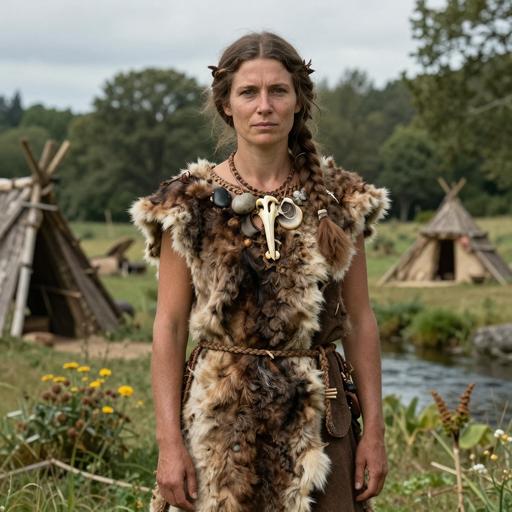
Portrait of ancient individual PER503 from France, dated 7200 BCE
PER503
France France_NouvelleAquitaine_Mesolithic 7200 BCE Western European Hunter-Gatherers F - U5b1-a
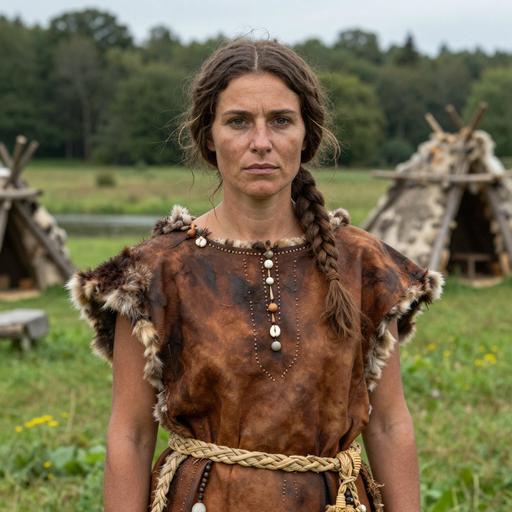
Portrait of ancient individual PER3023 from France, dated 7200 BCE
PER3023
France France_NouvelleAquitaine_Mesolithic 7200 BCE Western European Hunter-Gatherers F - U5b1-a1
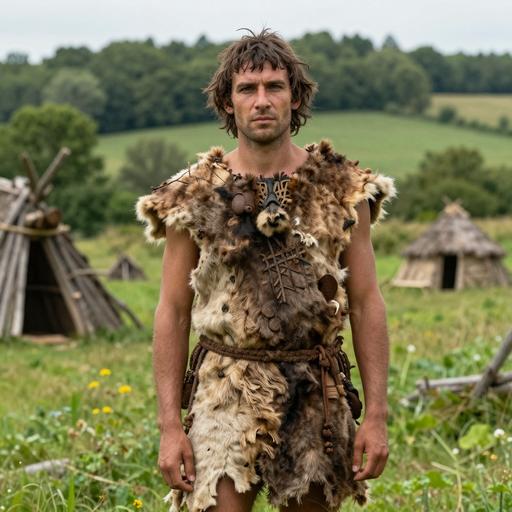
Portrait of ancient individual PER3123 from France, dated 7200 BCE
PER3123
France France_NouvelleAquitaine_Mesolithic 7200 BCE Western European Hunter-Gatherers M I2a1b2 U5b1-a
AI Powered

AI Assistant

Ask questions about the Voices of Western European Hunters culture

AI Assistant by DNAGENICS

Unlock this feature
Ask questions about the Voices of Western European Hunters culture. Our AI assistant can explain genetic findings, historical context, archaeological evidence, and modern connections.
Sample AI Analysis

The Voices of Western European Hunters culture represents a fascinating chapter in human history...

Genetic analysis reveals connections to earlier populations while showing evidence of unique adaptations and cultural innovations. The ancient DNA samples provide insights into migration patterns, social structures, and the biological relationships between ancient populations.

This is a preview of the AI analysis. Unlock the full AI Assistant to explore detailed insights about:

  • Genetic composition and ancestry
  • Migration patterns and origins
  • Daily life and cultural practices
  • Modern genetic legacy
Use code for 50% off Expires Mar 05