Menu
Store
Blog
France_MN France & Western Europe

Western European Neolithic Mosaic

Sites, artifacts and ancient DNA that illuminate farming life across France and its neighbors

5479 BCE - 200 BCE
49 Ancient Samples
Scroll to begin
Chapter I

The Story

Understanding the Western European Neolithic Mosaic culture

A panoramic, DNA-informed portrait of Neolithic communities (5479 BCE–200 BCE) across France, Iberia, Britain and the Low Countries. Draws on 324 ancient genomes and archaeological contexts — Mont-Aimé, Trumpington Meadows, Atapuerca and more — to link material culture with genetic ancestry.

Time Period

5479 BCE – 200 BCE

Region

France & Western Europe

Common Y-DNA

G, I, H, H2, R

Common mtDNA

K, U, J, H (incl. H1)

Chapter II

Timeline

Key moments in the history of this culture

5479 BCE

Earliest dated sample in dataset

An early Neolithic sample near 5479 BCE marks one of the oldest genomes in this Western European series, attesting to early farming presence.

4000 BCE

Regional diversification

By c. 4000 BCE distinct regional pottery styles and burial practices emerge across Grand-Est, Hauts-de-France and Iberia.

2500 BCE

Increased gene flow and exchange

Around 2500 BCE the record shows heightened mobility and genetic inputs in some areas, coinciding with broader Late Neolithic transformations.

Chapter III

Origins & Emergence

Across river valleys and chalk plains, the Western European Neolithic emerges in archaeological layers as a slow, layered transformation rather than a single thunderclap. Radiocarbon-dated contexts in this dataset span from 5479 BCE (early farming horizons) to 200 BCE (late Neolithic and local continuities). Key sites such as Mont-Aimé hypogée I and II (Marne, France), Trumpington Meadows (Cambridgeshire, UK) and Atapuerca El Portalón (Burgos, Spain) record long sequences of burial, monument-building and settlement.

Material evidence — polished axes, pottery styles, and hypogea architecture — suggests regional interaction networks stretching from the Seine basin into the Iberian interior and across the Channel. Archaeological data indicates that early farmers brought domestic plants and animals and new burial practices; limited evidence of continuity with preceding Mesolithic lifeways appears in some coastal and upland locales.

Genomic data in this collection supports an origin story of farmer-descended ancestry derived largely from early Near Eastern/Anatolian-derived lineages that spread into Western Europe during the 6th–4th millennia BCE, mixing over generations with local hunter-gatherer groups. Spatial patterns in material culture and DNA together imply a mosaic of adoption, migration and regional adaptation rather than homogeneous replacement. Ongoing excavation and denser sampling will refine the tempo of these processes.
  • Earliest samples date to 5479 BCE; dataset spans to 200 BCE
  • Key sites: Mont-Aimé (Marne), Trumpington Meadows (UK), El Portalón (Atapuerca)
  • Archaeology + DNA indicate layered farmer expansion and local admixture
Chapter IV

Daily Life & Society

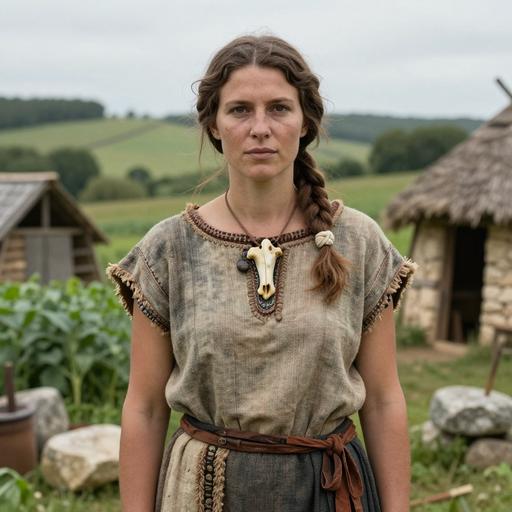
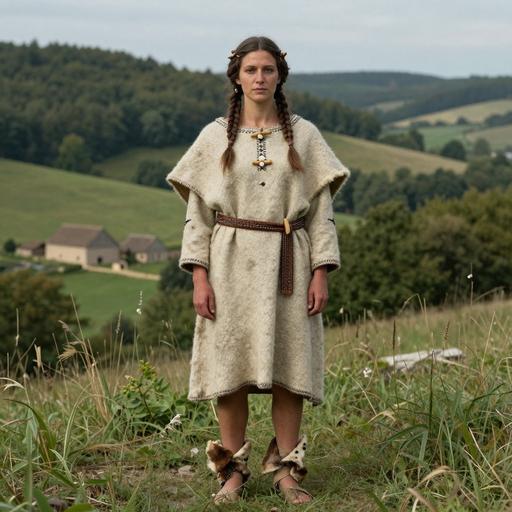
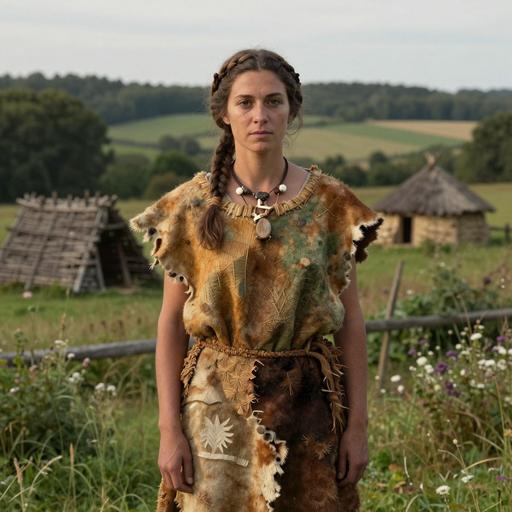
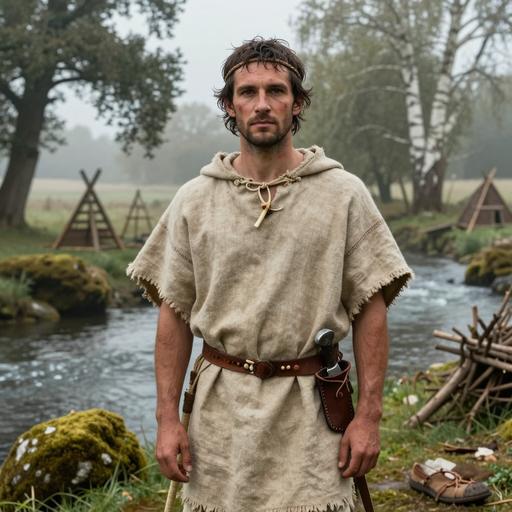
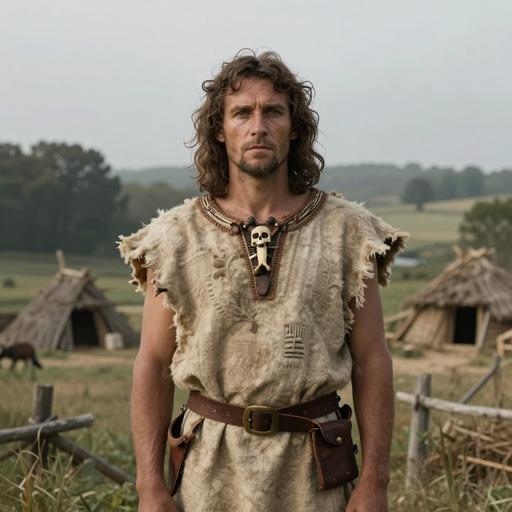
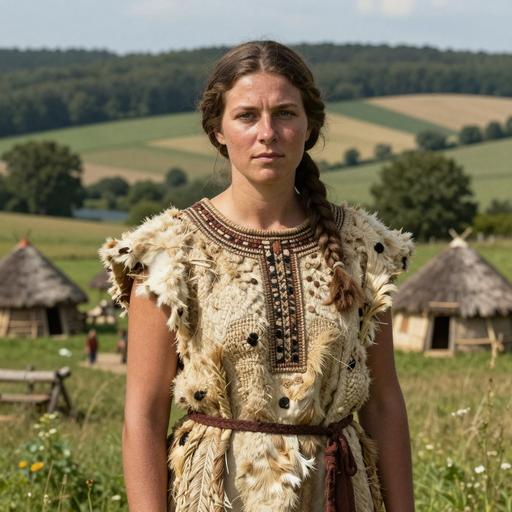
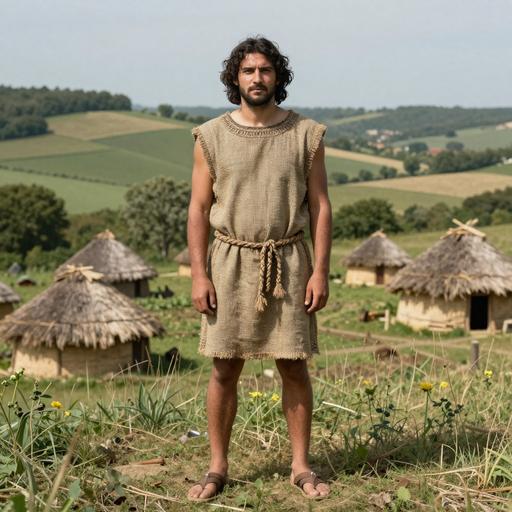
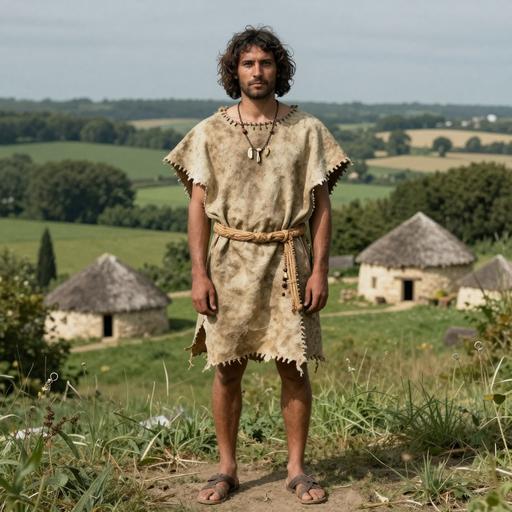
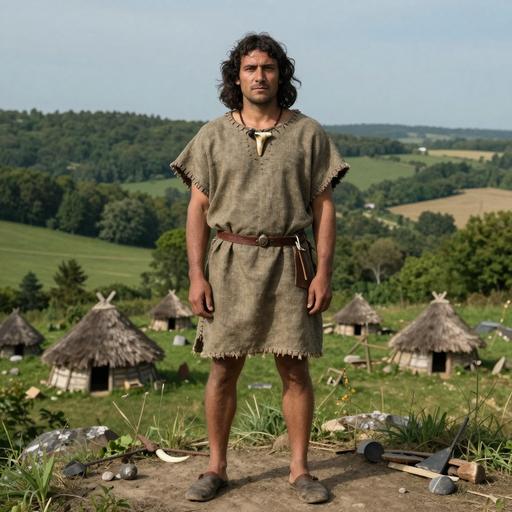
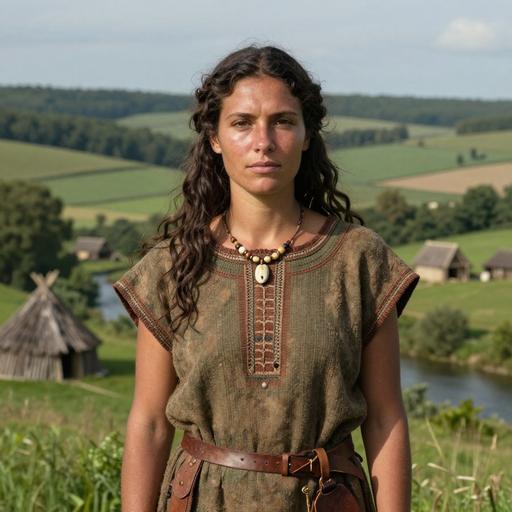
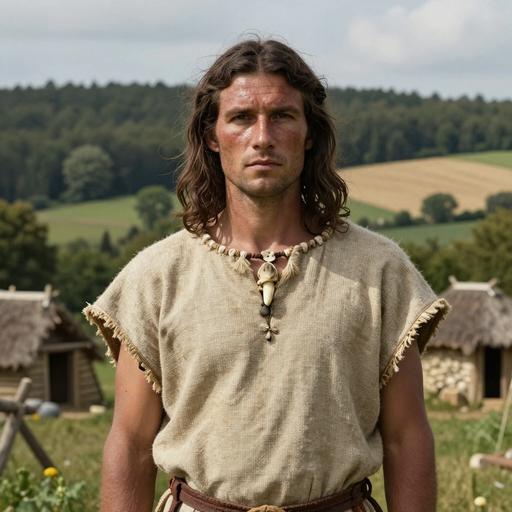
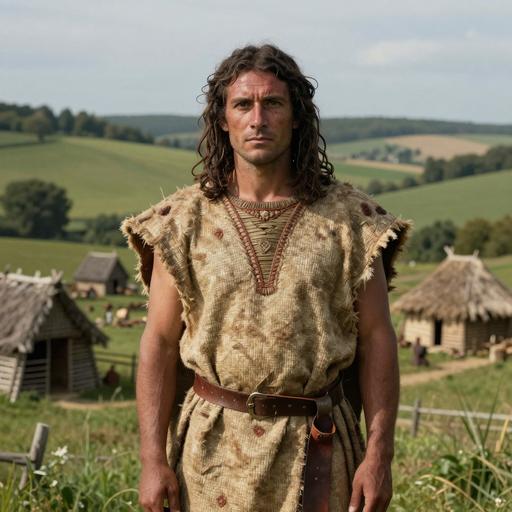
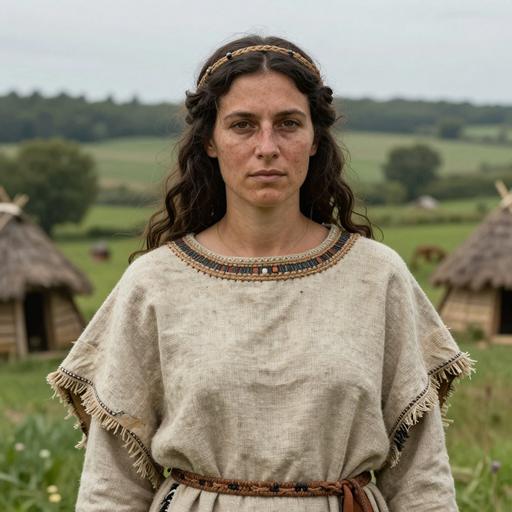
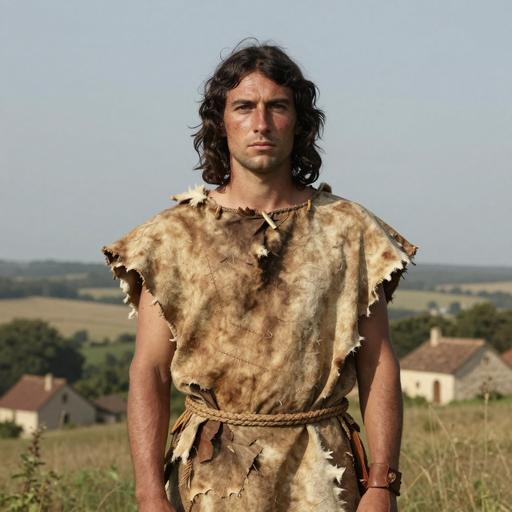
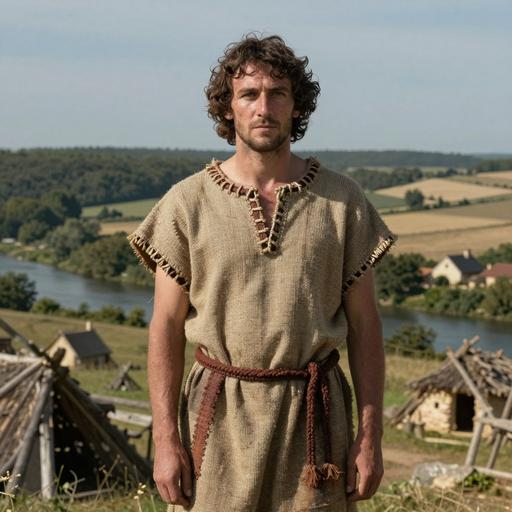
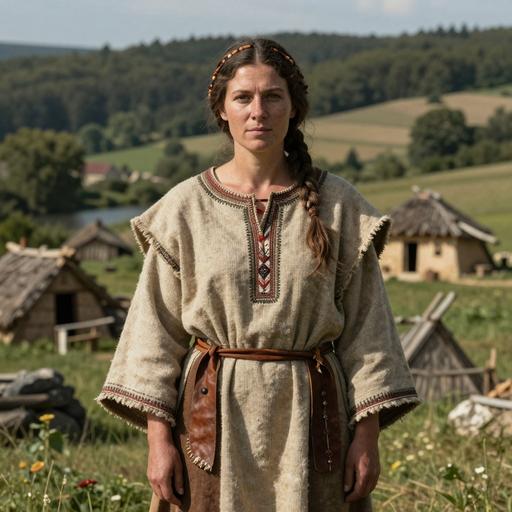
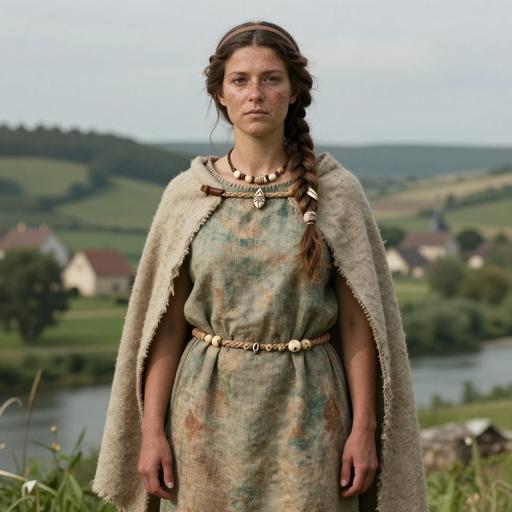
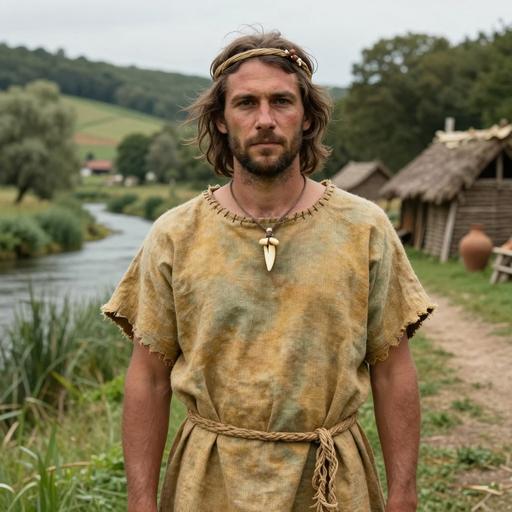
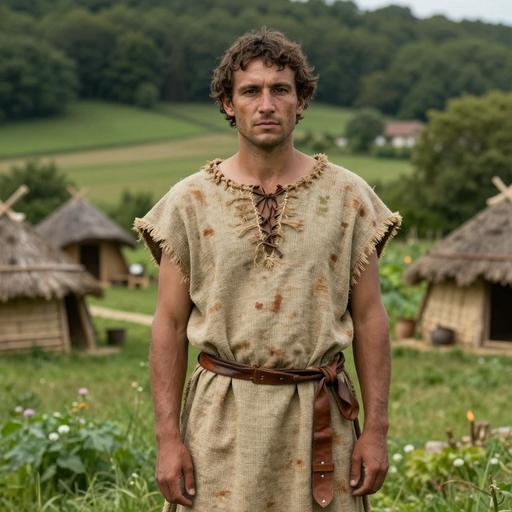
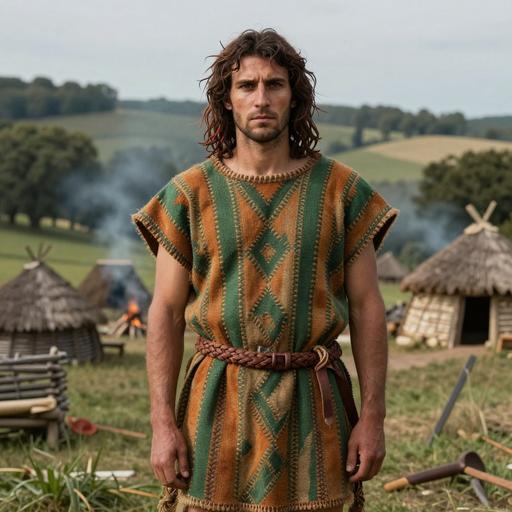
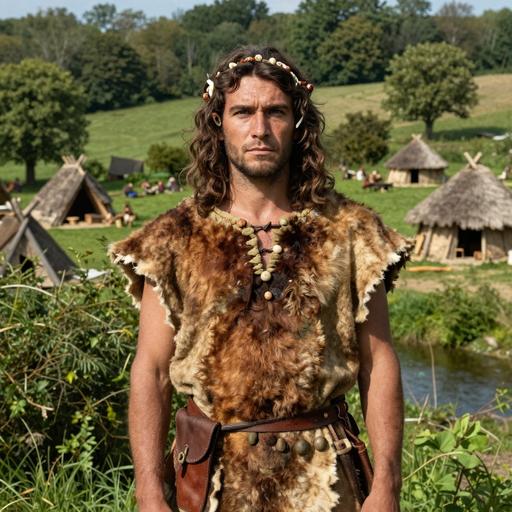
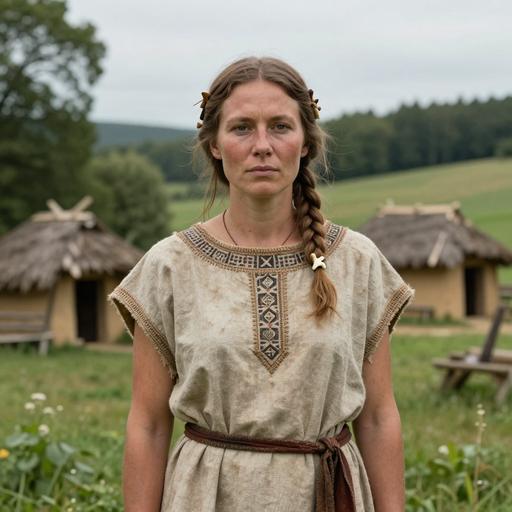
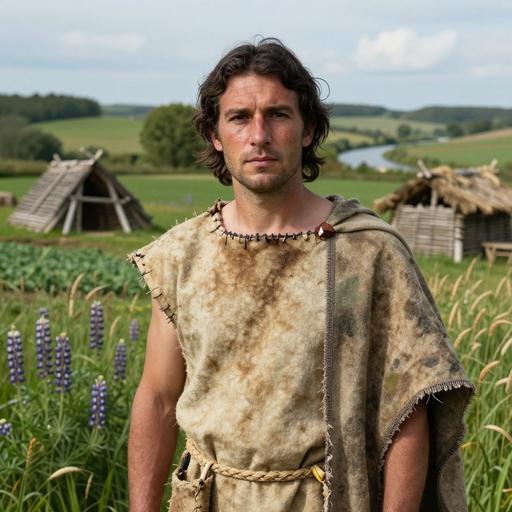
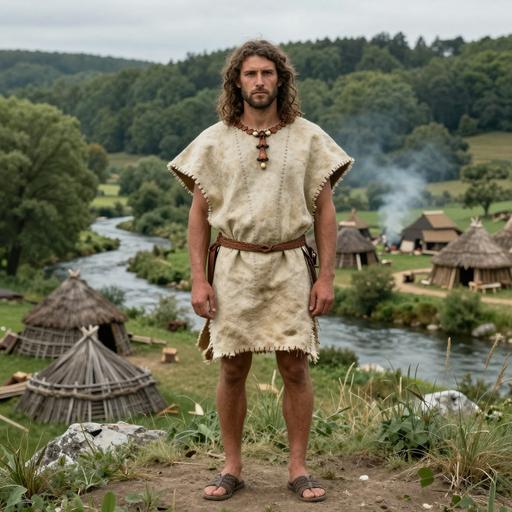
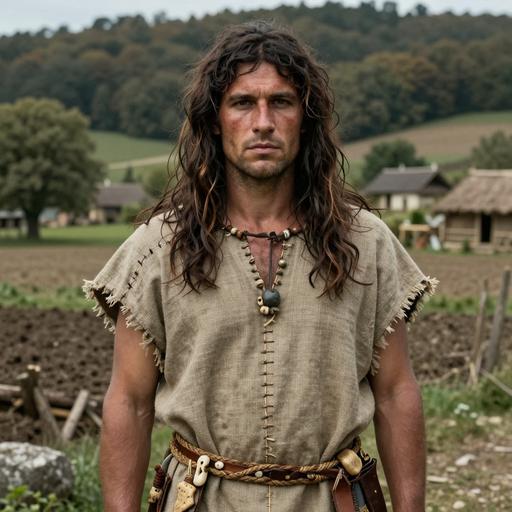
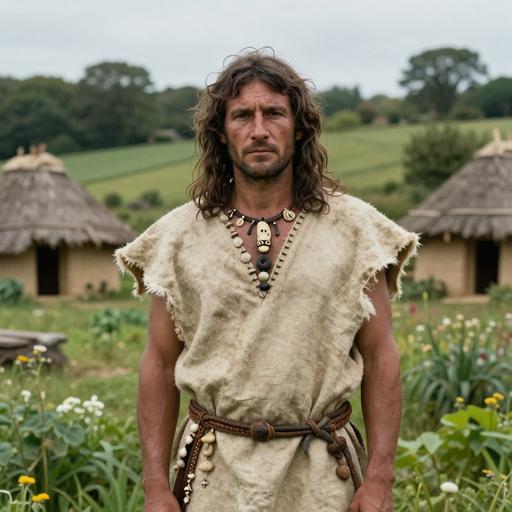
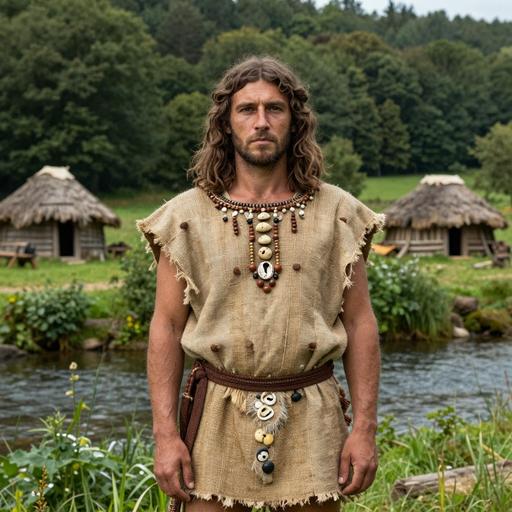
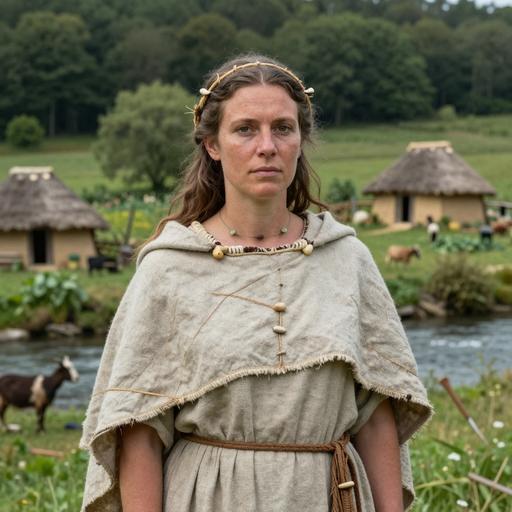
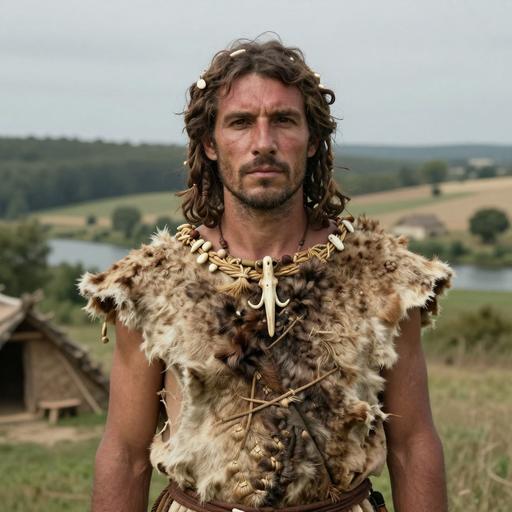
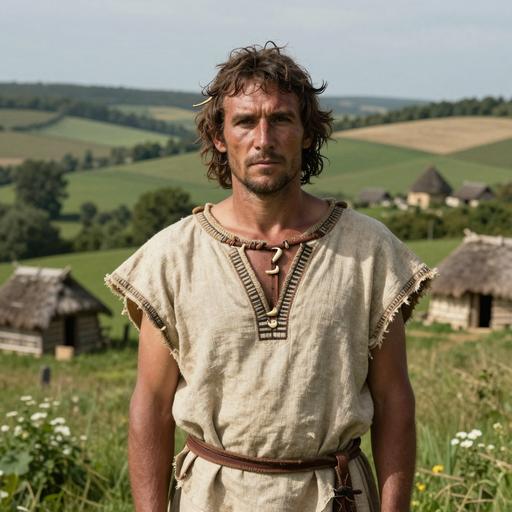
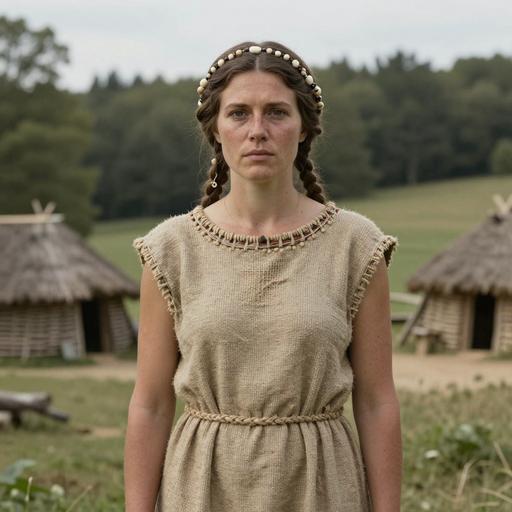
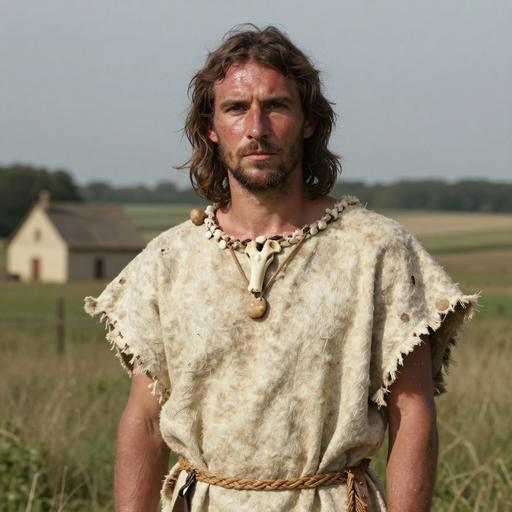
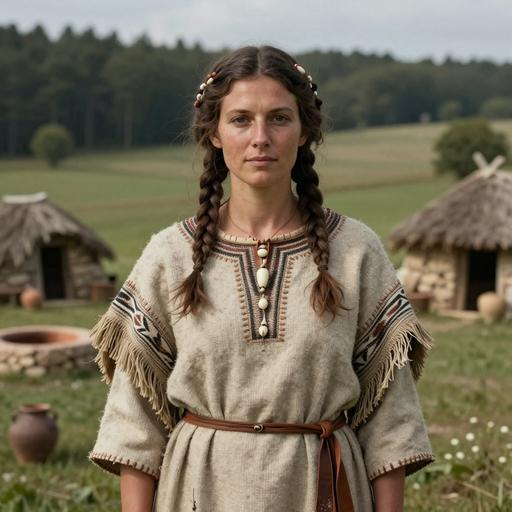
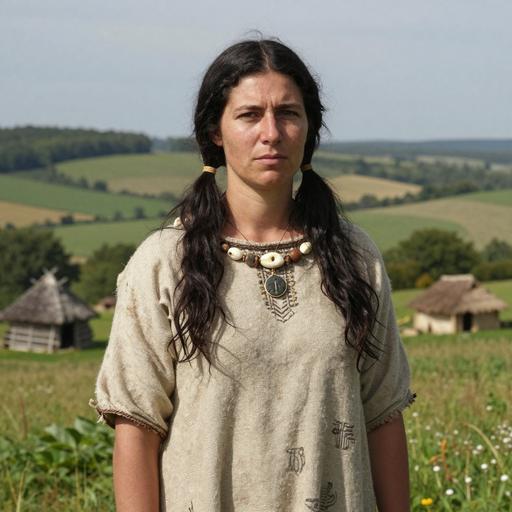
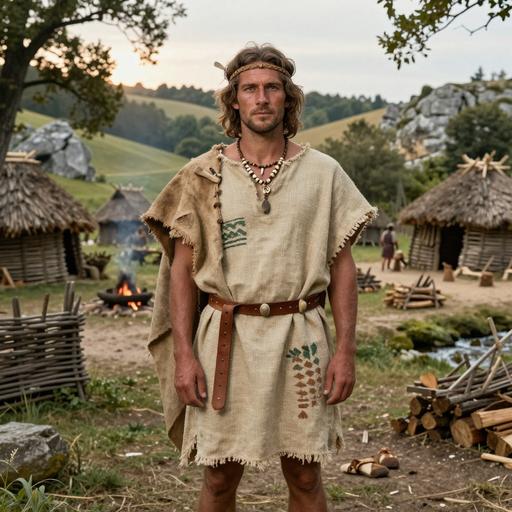
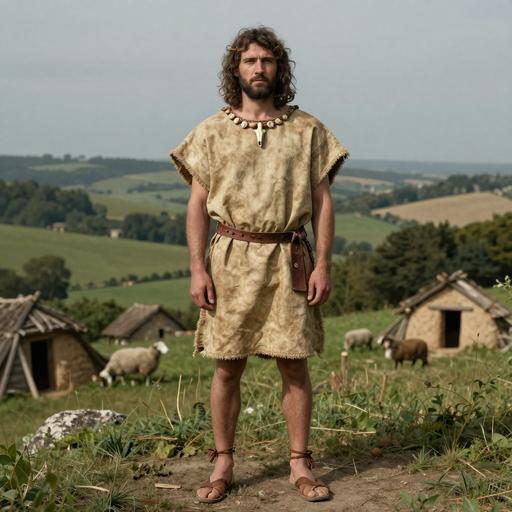
Imagine fog-laced river valleys where communities tend emmer and barley, shape pottery by hand and sink shafts or hypogea for the dead. Settlement evidence from Grand-Est (Buchères, Bergheim) and Hauts-de-France (Beaurieux, Ciry Salsogne) shows long-lived farmsteads, storage pits and crafted ceramics whose decoration marks regional identities. Shell middens and coastal deposits near Normandy and the Channel Islands hint at mixed marine and terrestrial subsistence in some locales.
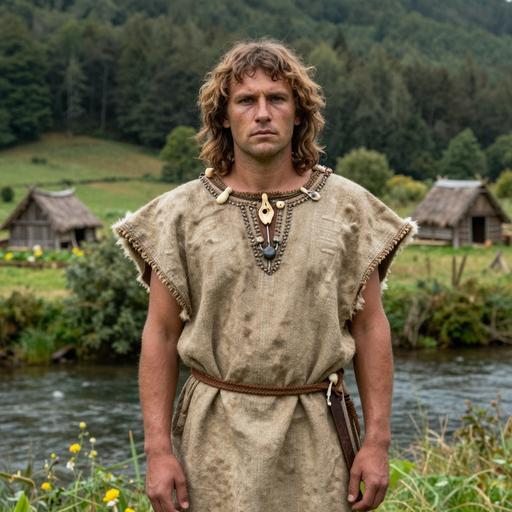
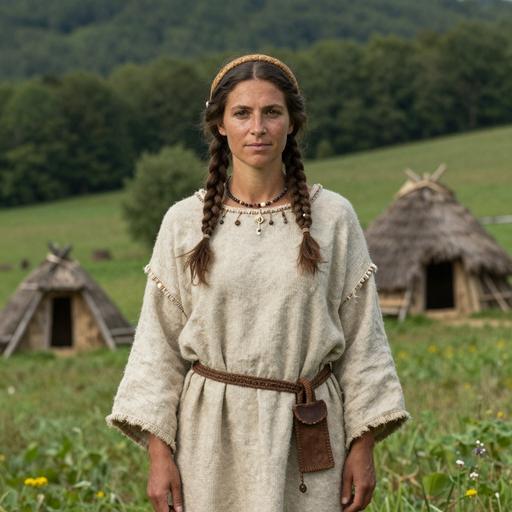
Burial practice was diverse: monumental hypogea at Mont-Aimé contrast with simpler inhumations at Trumpington Meadows and the collective deposits at Cova Bonica (Barcelona). Grave goods — polished stone axes, personal ornaments and pottery — reflect social differentiation and long-distance exchange. Craft specialization is visible in finely made ceramics and polished tool forms; limited evidence for social hierarchy appears in varied burial richness. Seasonal mobility, local exchange and kin networks likely structured daily life, with households integrated into wider regional circuits of knowledge and goods transfer.
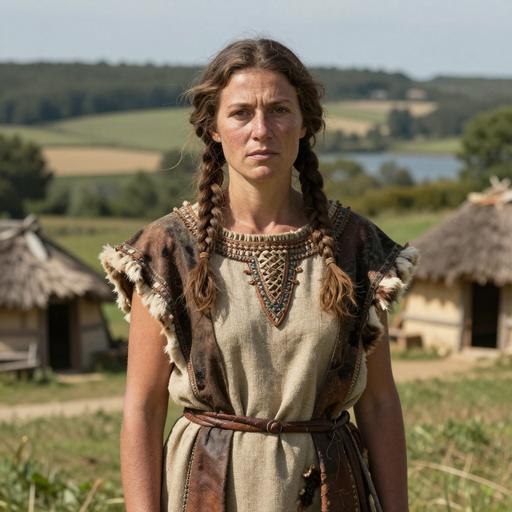
  • Mixed farming (cereals, pulses), herding and local fishing/gathering
  • Varied burial traditions: hypogea, collective caves, single inhumations
Chapter V

Genetic Profile

This assemblage of 324 ancient genomes provides a robust window into population structure across Western Europe during the Neolithic. Y-chromosome haplogroup G is the most frequent (100/324; ~31%), consistent with Neolithic farmer-associated paternal lineages originating from Anatolia and the Near East. Haplogroup I (42/324; ~13%) appears in many contexts and likely reflects local hunter-gatherer paternal ancestry that persisted and admixed with incoming farmers. Smaller counts of H (12), H2 (7) and R (5) are present; these low-frequency lineages hint at diverse paternal inputs, including rare survival of pre-farming lineages and later influxes in some regions.

Mitochondrial diversity is high: haplogroup K (81; ~25%) is frequent and characteristic of early farming maternal lineages, while U (44), J (42), H (37) and H1 (27) underscore mixed maternal ancestries. These mtDNA patterns align with autosomal signals of substantial Anatolian-derived farmer ancestry combined to varying degrees with European hunter-gatherer ancestry. Spatially, western coastal and highland sites sometimes show higher hunter-gatherer ancestry proportions than large river-basin settlements, although local sampling biases remain a caveat.

Because sample coverage is broad (324 individuals across France, Iberia, Britain, Germany and the Low Countries), conclusions about major ancestry components are robust; however, fine-scale demographic events, especially short-lived migrations or sex-biased processes, require denser localized sampling and contextual archaeological correlation. Limited but intriguing evidence suggests regionally variable admixture dynamics and occasional gene flow from steppe-associated groups in later Neolithic contexts.

  • Y-DNA dominated by haplogroup G (~31%); I also substantial (~13%)
  • mtDNA shows high K frequency (~25%) with diverse maternal lineages indicating admixture
Chapter VI

Legacy & Modern Connections

The Neolithic communities represented here left an enduring imprint: the introduction of agriculture reshaped landscapes, social systems and genetic ancestry across Western Europe. Many modern European populations retain components of this Neolithic genetic legacy — especially the maternal K and paternal G signals — though later Bronze Age and historic movements layered additional ancestries.

Archaeologically, monuments and ceramic traditions from Mont-Aimé to La Clape resonate in regional identities, reminding us that cultural transmission and mobility were complex and often local. Genetic continuity is patchy: some regions show deep continuity from Neolithic farmers to later populations, while others record substantial turnover. As ancient DNA sampling grows, especially in underrepresented locales, we can better trace the threads from these early farming communities to present-day genetic landscapes. Limited evidence should caution against simple narratives; the picture is a mosaic of persistence, admixture and change.

  • Neolithic farmer ancestry contributed significantly to modern Western European gene pools
  • Cultural and genetic legacies are regionally variable; ongoing research will refine links
Chapter VII

Sample Catalog

49 ancient DNA samples associated with the Western European Neolithic Mosaic culture

Ancient DNA samples from this era, providing genetic insights into the people who lived during this period.

49 / 49 samples
Portrait Sample Country Era Date Culture Sex Y-DNA mtDNA
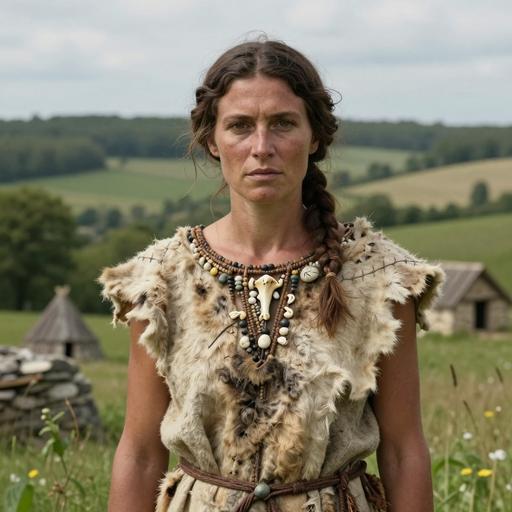
Portrait of ancient individual I4304 from France, dated 4791 BCE
I4304
France France_MN 4791 BCE Western European Neolithic M I-M423 T2c1d-a
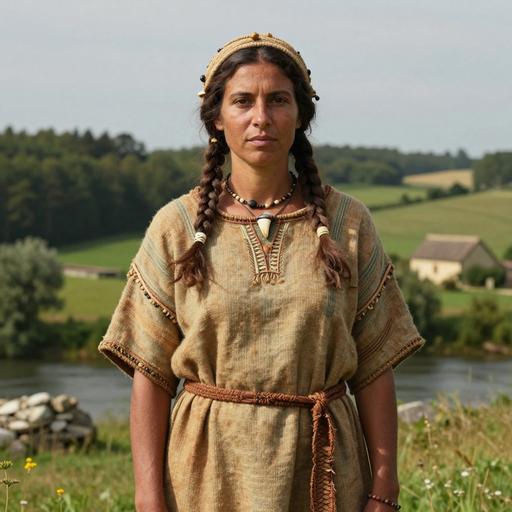
Portrait of ancient individual I4303 from France, dated 4784 BCE
I4303
France France_MN 4784 BCE Western European Neolithic M I-M423 H3
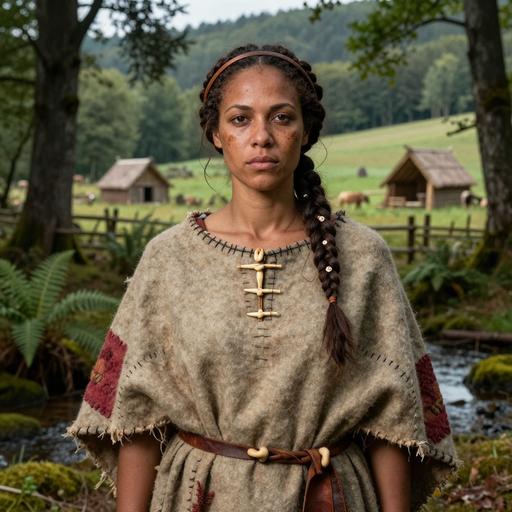
Portrait of ancient individual I4305 from France, dated 4833 BCE
I4305
France France_MN 4833 BCE Western European Neolithic F - T2b3-a
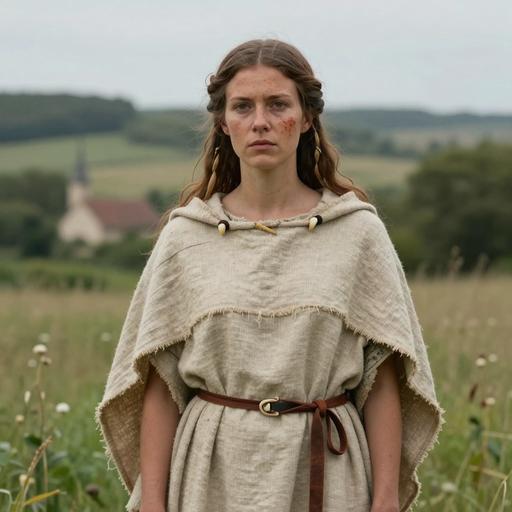
Portrait of ancient individual GRG015 from France, dated 5000 BCE
GRG015
France France_MN 5000 BCE Western European Neolithic F - J1c1b
Portrait of ancient individual GRG019 from France, dated 5000 BCE
GRG019
France France_MN 5000 BCE Western European Neolithic F - V
Portrait of ancient individual FLR007 from France, dated 4446 BCE
FLR007
France France_MN 4446 BCE Western European Neolithic M G2a2a1a U5b1c
Portrait of ancient individual GRG027 from France, dated 4840 BCE
GRG027
France France_MN 4840 BCE Western European Neolithic M G2a2b2a1 H1
Portrait of ancient individual OBN008 from France, dated 4686 BCE
OBN008
France France_MN 4686 BCE Western European Neolithic F - HV-b
Portrait of ancient individual GRG003 from France, dated 5000 BCE
GRG003
France France_MN 5000 BCE Western European Neolithic M G2a2b2a1 K1a-a4
Portrait of ancient individual FLR004 from France, dated 4678 BCE
FLR004
France France_MN 4678 BCE Western European Neolithic M H2 K1b1
AI Powered

AI Assistant

Ask questions about the Western European Neolithic Mosaic culture

AI Assistant by DNAGENICS

Unlock this feature
Ask questions about the Western European Neolithic Mosaic culture. Our AI assistant can explain genetic findings, historical context, archaeological evidence, and modern connections.
Sample AI Analysis

The Western European Neolithic Mosaic culture represents a fascinating chapter in human history...

Genetic analysis reveals connections to earlier populations while showing evidence of unique adaptations and cultural innovations. The ancient DNA samples provide insights into migration patterns, social structures, and the biological relationships between ancient populations.

This is a preview of the AI analysis. Unlock the full AI Assistant to explore detailed insights about:

  • Genetic composition and ancestry
  • Migration patterns and origins
  • Daily life and cultural practices
  • Modern genetic legacy
Use code for 50% off Expires Mar 05