The Story
The journey of mtDNA haplogroup J1C2A2
Origins and Evolution
mtDNA haplogroup J1C2A2 is a subclade of J1C2A, itself a branch of the broader haplogroup J that has deep roots in the Near East. Based on phylogenetic position and coalescent estimates for its parental clade, J1C2A2 most likely formed in the early Holocene (around ~7.5 kya) in the Near East/Caucasus region. Its emergence fits the timeframe of post‑glacial population restructuring and the early phases of the Neolithic transition, when groups expanding agriculture and new technologies carried Near Eastern maternal lineages into the Mediterranean basin, parts of Europe and into North Africa.
Because J1C2A2 is a relatively narrow, downstream branch, its present-day frequency is low and our knowledge is limited by small sample sizes; nevertheless, the clade has been identified in a handful of modern populations and in three ancient DNA samples in curated databases, confirming its presence in archaeological contexts.
Subclades (if applicable)
J1C2A2 is a downstream lineage of J1C2A. At present the internal structure within J1C2A2 is poorly resolved in publicly available datasets: few genomes carry the defining mutations, and additional deep sequencing of whole mitochondrial genomes is needed to clarify any further subclades. Because it is a narrow branch, most published references treat it as a terminal or near‑terminal clade within the J1C2A series.
Geographical Distribution
The distribution of J1C2A2 is consistent with a Near Eastern origin followed by limited dispersal into adjacent regions. Modern occurrences and the limited ancient record place it primarily in:
- The Near East and Caucasus (highest relative frequency for the clade as a whole)
- Southern and Western Europe, particularly in regions shaped by Neolithic and later Mediterranean gene flow
- North Africa, reflecting maritime and coastal connections across the Mediterranean
- Small occurrences in parts of Central Asia, likely reflecting later mobility and historic contact
- Presence at low levels in some Jewish communities (both Ashkenazi and Sephardi), reflecting founder effects and diaspora movements
Overall, frequencies are low to moderate and often patchy; confidence in precise modern distribution is medium because sample coverage for this rare clade is limited.
Historical and Cultural Significance
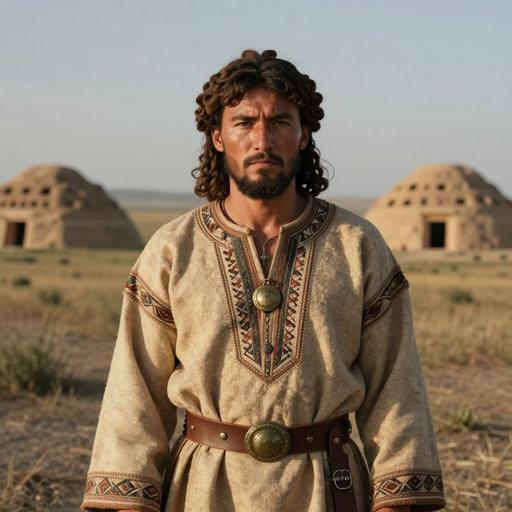
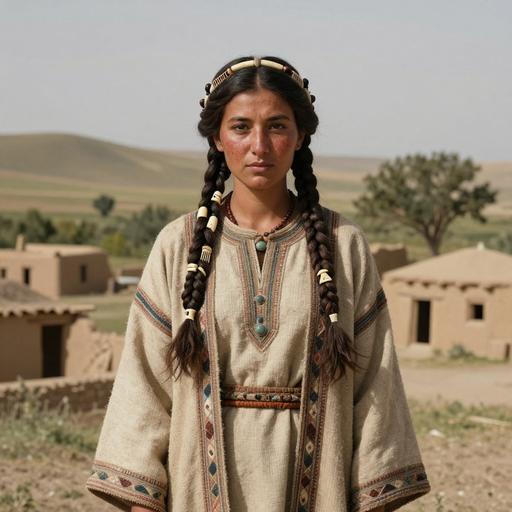
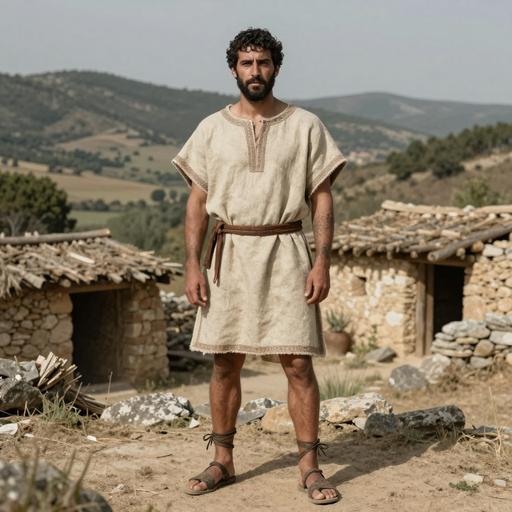
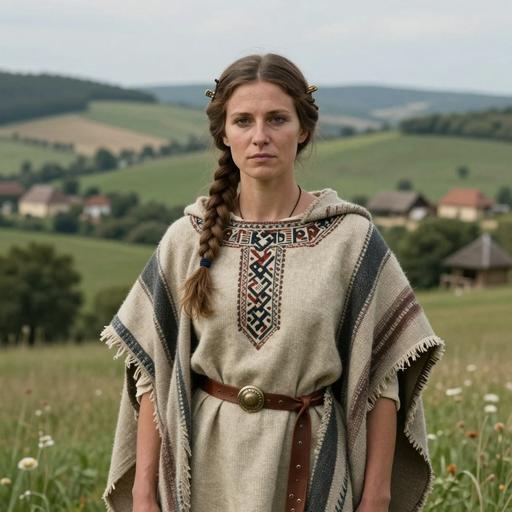
Because J1C2A2 derives from a lineage associated with Near Eastern post‑glacial and Neolithic populations, it is most plausibly tied to the demographic processes that spread farming and associated cultural packages into the Mediterranean and Europe during the early to mid Holocene. It is therefore more likely to reflect the movements of Neolithic farmer lineages and their later descendants than the expansions associated with steppe pastoralist groups (which are characterized by different uniparental markers).
In archaeological-cultural terms, J1C2A2 and its parent lineages can be associated with early Anatolian/Levantine Neolithic expansions (primary association), with secondary presences in later Mediterranean Neolithic contexts such as Cardial/Impressed‑Ware communities, and with sporadic appearances in later archaeological horizons through trade, mobility and population admixture. Its appearance in small numbers within Jewish populations is consistent with the complex demographic history of Near Eastern and Mediterranean maternal lineages during the last two millennia.
Conclusion
J1C2A2 is a low‑frequency, regionally informative maternal lineage whose phylogenetic placement and temporal depth indicate a Near Eastern/Caucasus origin in the early Holocene and subsequent limited dispersal into Europe, North Africa and adjacent regions. Continued sampling, full mitochondrial genome sequencing, and integration of ancient DNA data are needed to resolve fine structure, migration routes, and the clade's demographic history more precisely.
Key Points
- Origins and Evolution
- Subclades (if applicable)
- Geographical Distribution
- Historical and Cultural Significance
- Conclusion