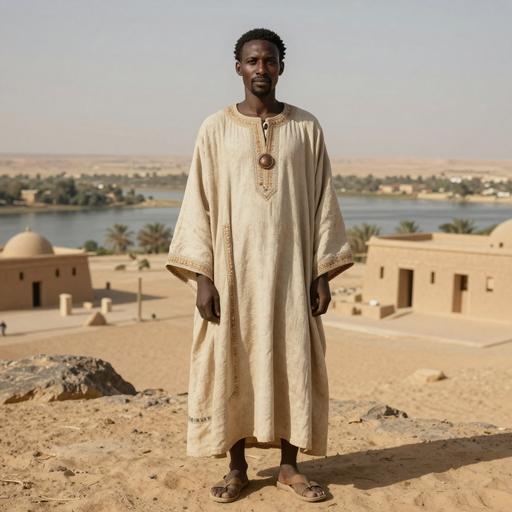
The Story
The journey of mtDNA haplogroup L0A1B
Origins and Evolution
mtDNA haplogroup L0A1B is a downstream branch of L0A1, itself a subclade of the deeply rooted African lineage L0. Based on the phylogenetic position within L0A1 and molecular-clock estimates for nearby nodes, L0A1B most likely arose in eastern Africa during the Late Pleistocene (roughly ~25 kya, with uncertainty on the order of several thousand years). Its emergence reflects continued local diversification of maternal lineages in eastern Africa after the initial differentiation of L0A and L0A1.
Mutational differences that define L0A1B are relatively few compared with older splits in the L0 family, indicating an intermediate-age clade that persisted regionally and was later affected by Holocene demographic processes.
Subclades (if applicable)
L0A1B functions as an intermediate clade between the parent L0A1 node and any downstream private lineages identified in modern and ancient mitogenomes. Where sampling density permits, L0A1B can be subdivided into localized sub-branches defined by additional private mutations; however, those finer splits are often rare and sometimes restricted to single populations or regions. Continued sequencing of complete mtDNA genomes, especially from under-sampled eastern African groups, is required to resolve and name stable downstream subclades within L0A1B.
Geographical Distribution
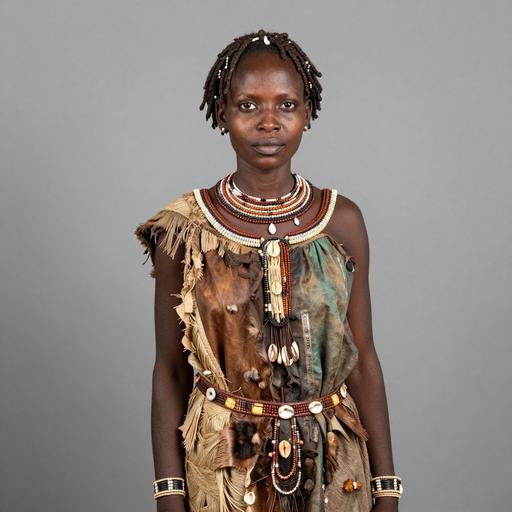
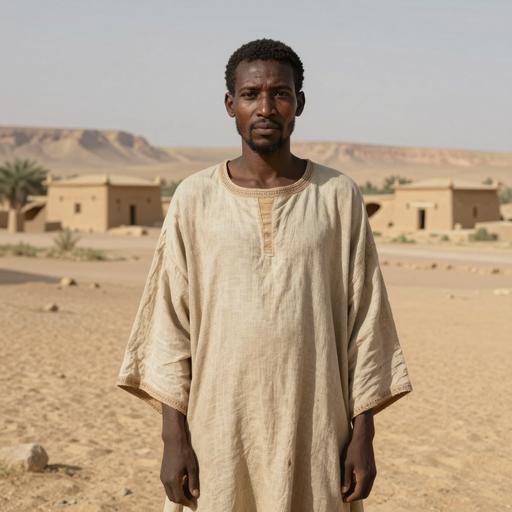
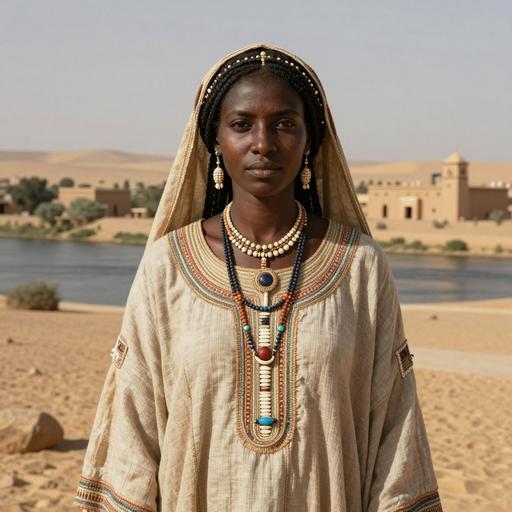
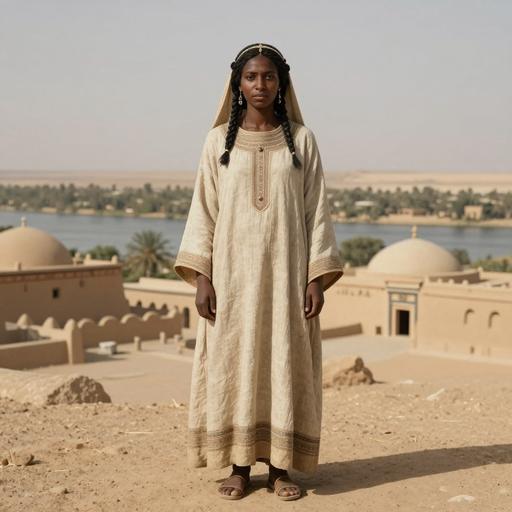
L0A1B shows its highest frequencies and greatest diversity in eastern Africa, particularly in the Horn of Africa and neighboring populations. Moderately lower frequencies occur in central and southern African populations, reflecting historical gene flow (including Bantu expansion and regional admixture). Very low-frequency occurrences appear in southern African Khoe‑San groups and in African-descended populations in the Americas as a result of the transatlantic slave trade. Sporadic, low-frequency detections in North Africa and the Near East are best explained by historical and recent admixture rather than primary origin in those regions.
Historical and Cultural Significance
L0A1B documents an ancient maternal lineage that was present in eastern Africa prior to, and during, major Holocene cultural transitions. Its distribution today reflects both deep continuity in the Horn and redistribution during the Holocene by processes such as:
- Pastoralist expansions across eastern Africa (movement of Cushitic- and Afroasiatic-speaking pastoral communities), which redistributed regional maternal lineages.
- Bantu-related migrations, which carried some eastern African maternal lineages into central and southern Africa through admixture.
- Local continuity among Nilotic and Cushitic-speaking groups in eastern Africa, where L0A1B can be relatively concentrated.
Because mtDNA traces strictly maternal ancestry, L0A1B provides insight into maternal population structure and female-mediated gene flow in eastern Africa over the last tens of thousands of years. It complements autosomal, Y-chromosome, and archaeological evidence for population continuity and mobility in the region.
Conclusion
L0A1B is an informative intermediate branch of the deep African L0 family, highlighting eastern Africa as a center of maternal lineage diversification during the Late Pleistocene. Its present-day distribution is shaped by a mix of ancient local continuity and Holocene redistributive events (pastoral expansions and Bantu-associated gene flow). Further whole-mitogenome sampling across eastern, central, and southern Africa—especially among under-sampled groups—will refine the internal structure, age estimates, and historical dynamics of L0A1B.
Key Points
- Origins and Evolution
- Subclades (if applicable)
- Geographical Distribution
- Historical and Cultural Significance
- Conclusion