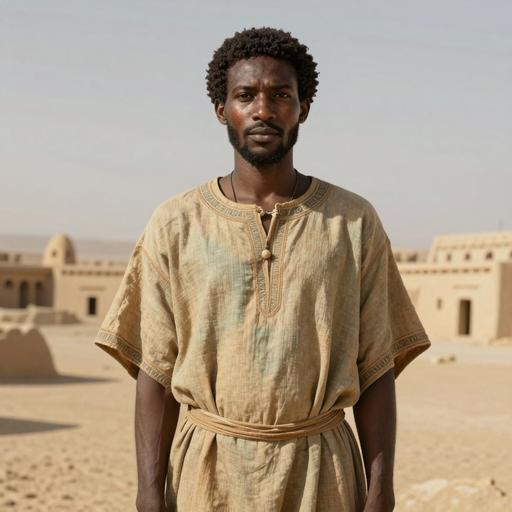
The Story
The journey of mtDNA haplogroup L0D1B2
Origins and Evolution
mtDNA haplogroup L0D1B2 is a downstream clade of L0d1b, itself part of the ancient L0d family that represents some of the deepest maternal lineages in anatomically modern humans. The parent clade L0d1b has been dated to the Late Pleistocene in southern Africa; L0D1B2 likely arose after the main divergence of L0d1b but still represents a Pleistocene or early Holocene lineage (here estimated ~20 kya based on phylogenetic position and available coalescent estimates for related L0d subclades). L0d lineages in general are characterized by long-term persistence within foraging groups of southern Africa and by deep internal structure reflecting long regional continuity.
L0D1B2 is defined by downstream mutations that distinguish it from other L0d1b branches; however, the substructure of L0D1B2 is less well sampled in published datasets than some higher‑frequency African haplogroups, so many finer-scale splits may remain undocumented until larger whole‑mitogenome surveys of southern African populations are conducted.
Subclades
At present, L0D1B2 is treated as a discrete subclade of L0d1b. Published datasets and public sequence repositories indicate limited internal diversity sampled to date, suggesting either a historically low effective population size for this branch or undersampling of geographically isolated groups (notably Khoe‑San communities). Future targeted mitogenome sequencing of diverse Khoe‑San and neighboring groups may reveal additional sublineages (e.g., L0D1B2a/b) and help refine its coalescence time and demographic history.
Geographical Distribution
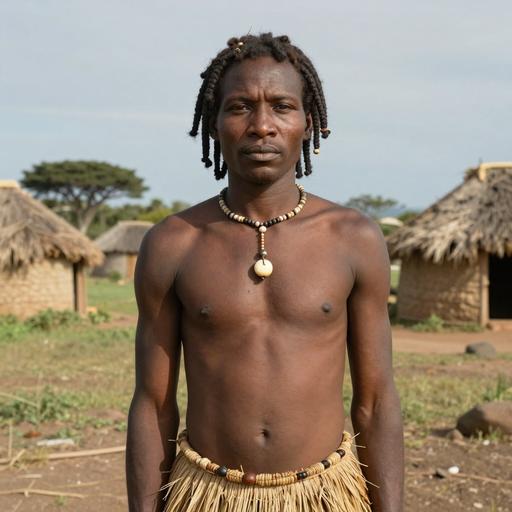
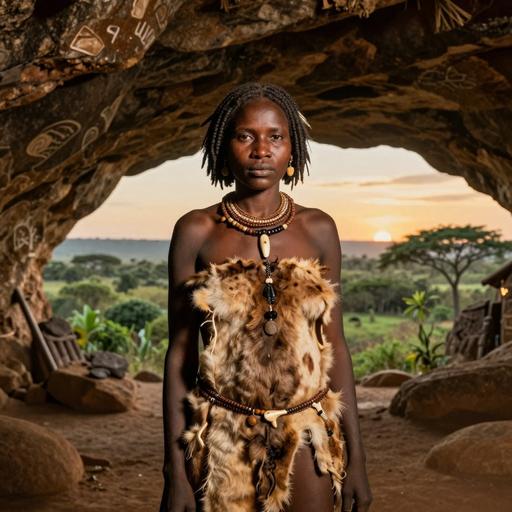
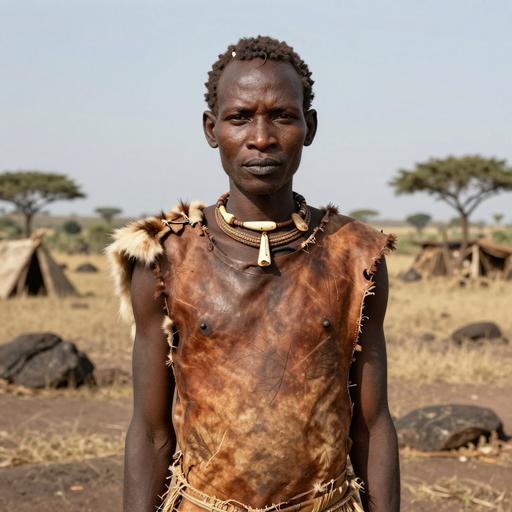
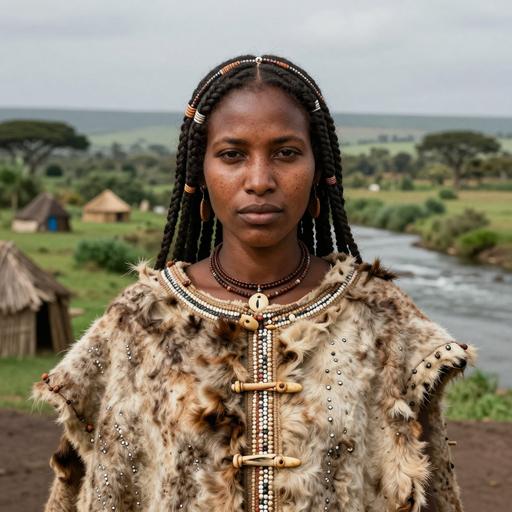
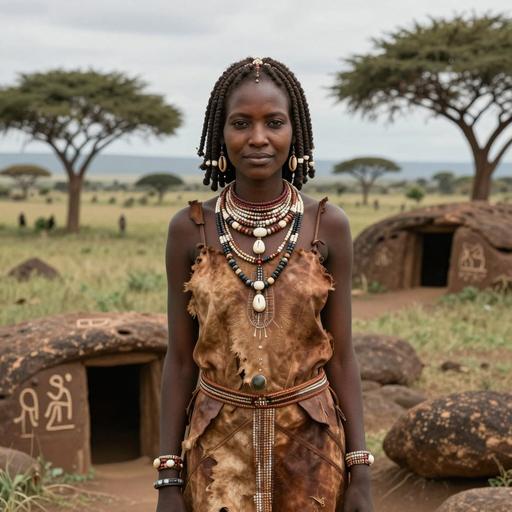
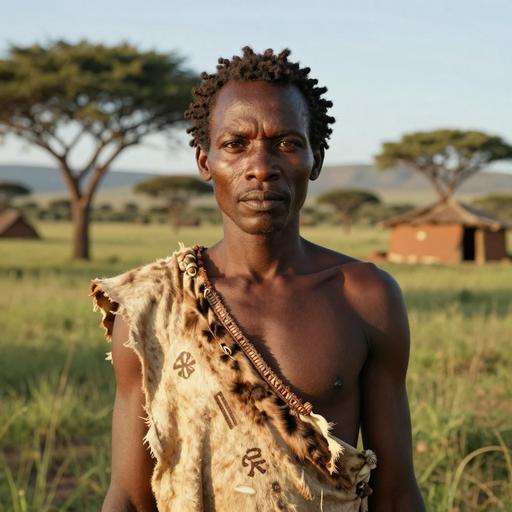
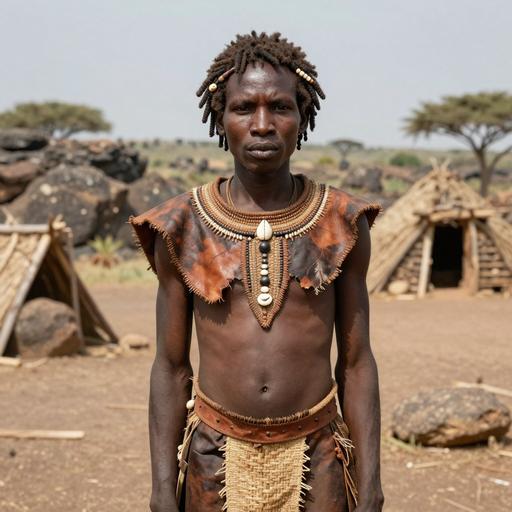
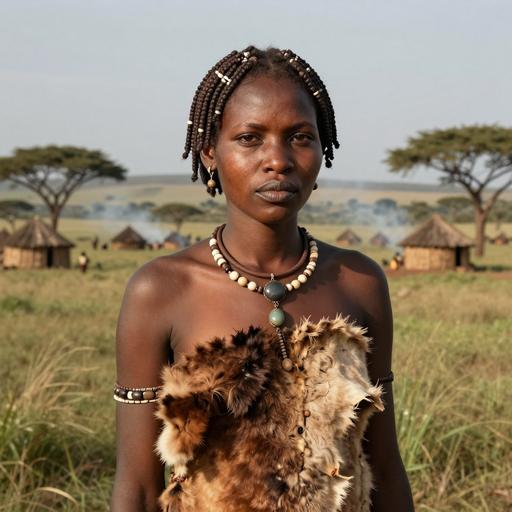
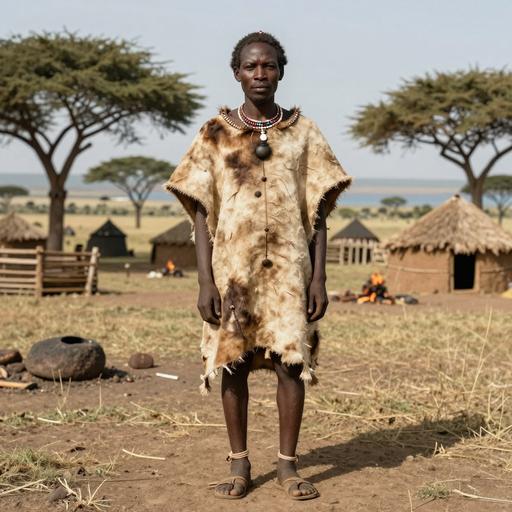
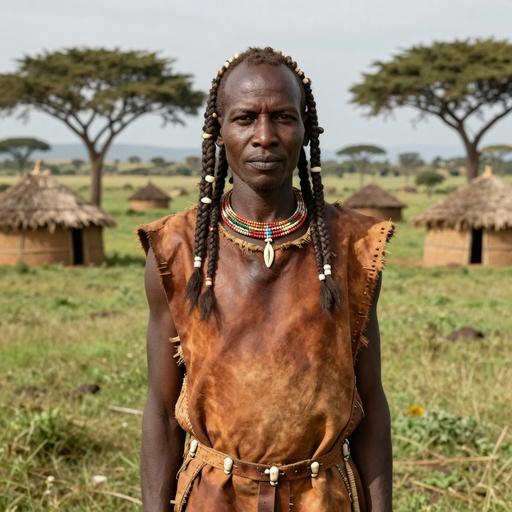
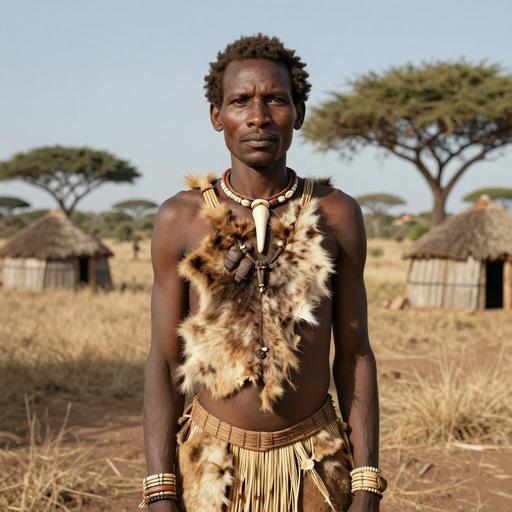
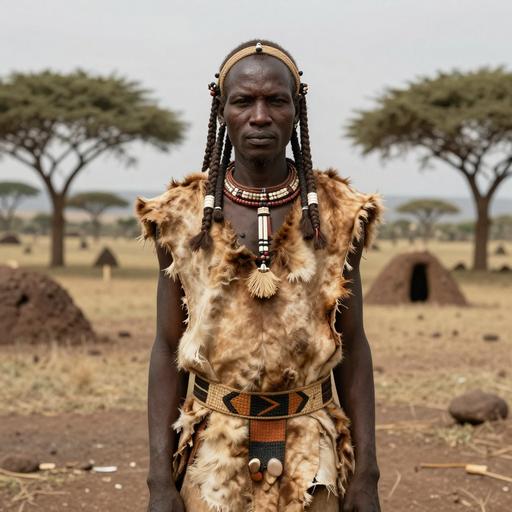
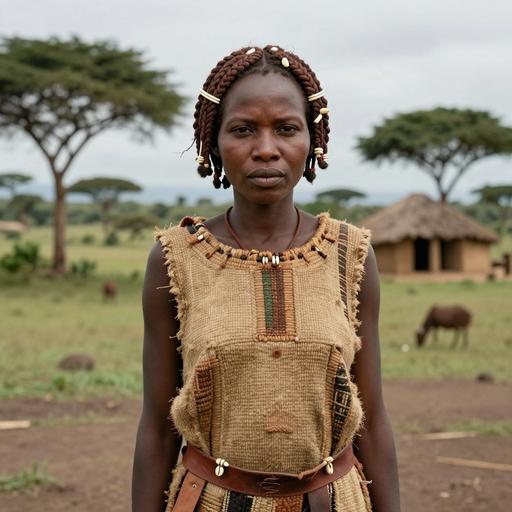
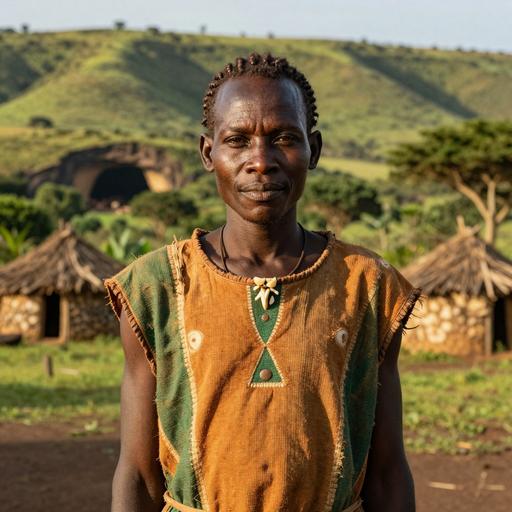
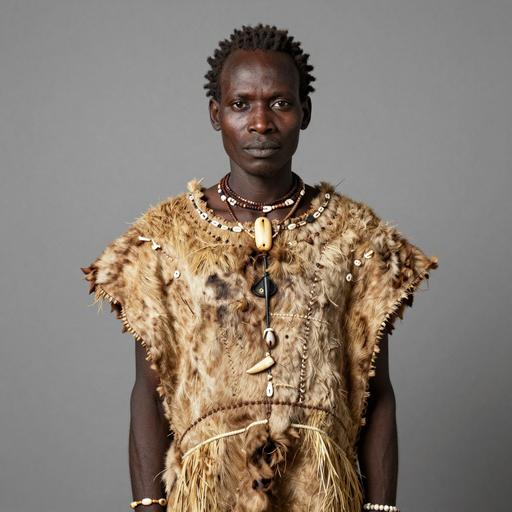
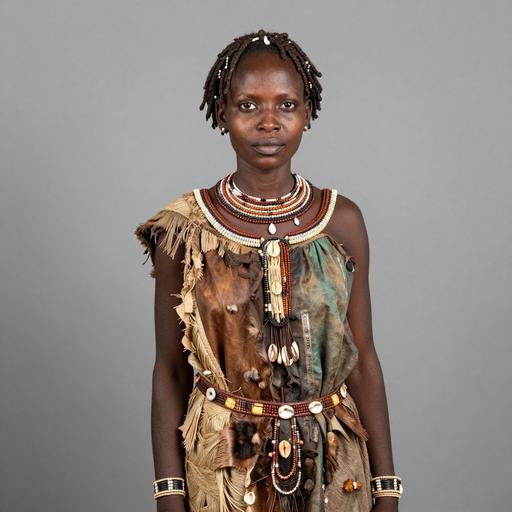
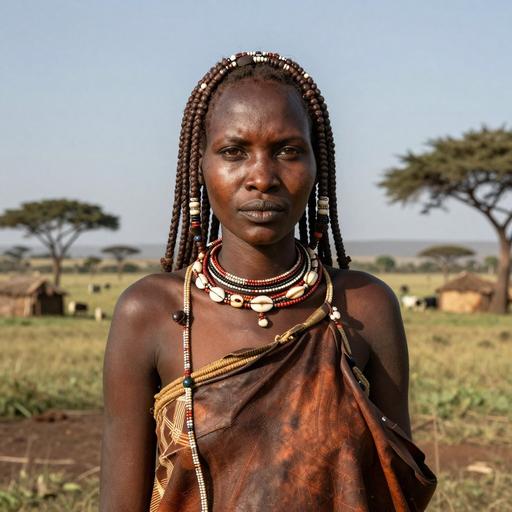
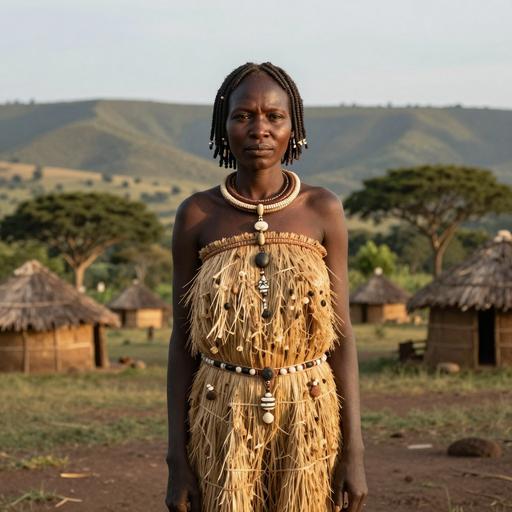
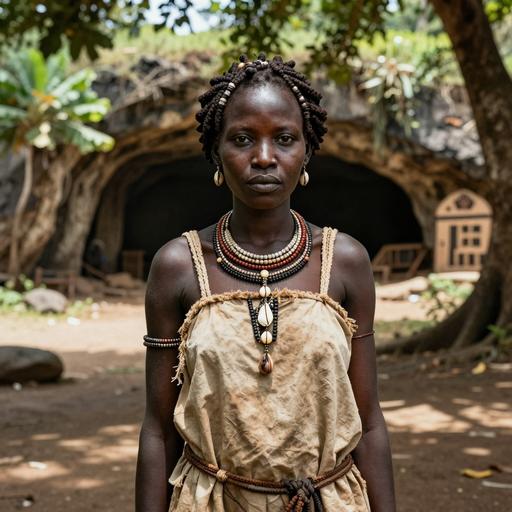
Primary concentration: southern Africa, particularly among Khoe‑San forager and forager‑pastoral populations (for example Ju|'hoan, !Kung, Nama and related groups).
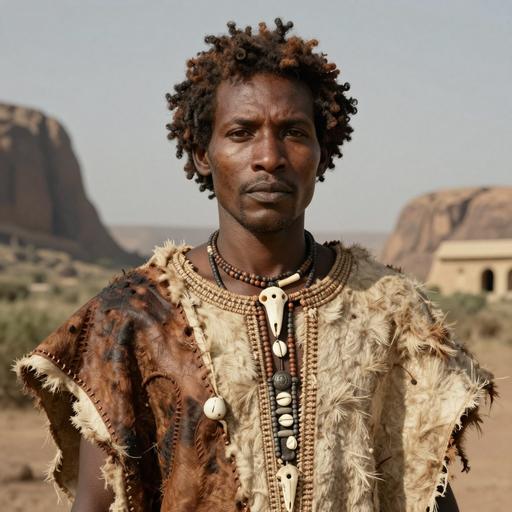
Secondary occurrences: low‑to‑moderate frequency detections in neighboring Bantu‑speaking populations of southern Africa resulting from historic and prehistorical admixture, and isolated low‑frequency occurrences reported in parts of East and Central Africa. Due to the transatlantic slave trade and later migrations, rare instances of L0d1b‑derived lineages appear in African‑descended populations in the Americas, though L0D1B2 specifically is uncommon outside southern Africa.
Overall, the geographic pattern of L0D1B2 is consistent with an origin and long persistence in southern African foraging populations with limited, asymmetric gene flow into neighboring groups during the Holocene.
Historical and Cultural Significance
L0D1B2 contributes to the genetic signature used to identify deep maternal continuity among Khoe‑San groups and to distinguish ancient southern African matrilineal lineages from those associated with later incoming populations (e.g., Bantu‑speaking agriculturalists). The presence of L0D1B2 and related L0d lineages in low frequencies among Bantu and other neighboring groups documents episodes of admixture between resident forager communities and expanding populations during the Holocene, including the Iron Age and Bantu expansions.
Because mtDNA is maternally inherited and does not recombine, L0D1B2 is particularly informative for reconstructing maternal demographic events — such as continuity, isolation, and sex‑specific admixture — in southern Africa over the Late Pleistocene and Holocene.
Conclusion
L0D1B2 is an informative, regionally concentrated maternal lineage that exemplifies the deep genetic heritage of southern African forager populations. While currently sampled at modest frequencies, targeted mitogenome sequencing in underrepresented Khoe‑San and neighboring communities will likely refine the haplogroup's internal structure, age estimates, and finer geographic patterning, further illuminating southern Africa's ancient maternal demographic history.
Key Points
- Origins and Evolution
- Subclades
- Geographical Distribution
- Historical and Cultural Significance
- Conclusion