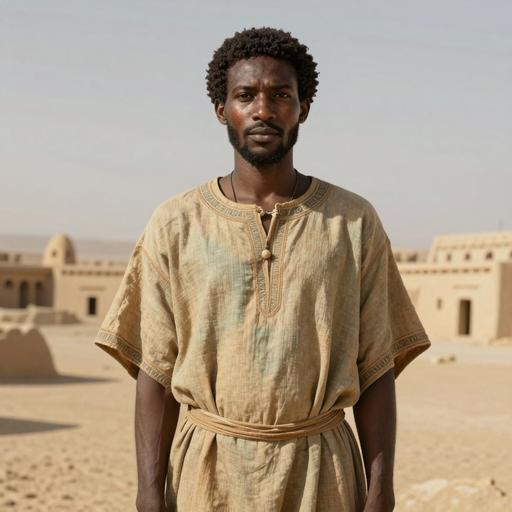
The Story
The journey of mtDNA haplogroup L0D1
Origins and Evolution
mtDNA haplogroup L0d1 is a subclade of the deeply divergent L0d branch, one of the oldest maternal lineages recognized in modern humans. L0d as a whole has an antiquity tied to southern Africa, and L0d1 represents an internal split within that ancient diversity. The coalescence time for L0d1 is substantially younger than the root of L0 but still dates to the Late Pleistocene (tens of thousands of years ago), indicating a long-term residence and local diversification of maternal lineages in southern Africa. High levels of sequence diversity within L0d and its subclades point to deep, in situ evolution rather than recent introduction.
Subclades (if applicable)
L0d1 contains further downstream lineages that have been identified in modern and ancient samples; these subclades often show fine-scale structure corresponding to geographic microregions and to different Khoe‑San groups. Subclade naming and resolution depend on the depth of whole‑mitogenome sampling—studies using full mitochondrial genomes reveal more internal branches (for example, L0d1a, L0d1b in some phylogenies). These subclades can be useful for tracing local demographic events such as population isolation, local expansions, and admixture with incoming groups.
Geographical Distribution
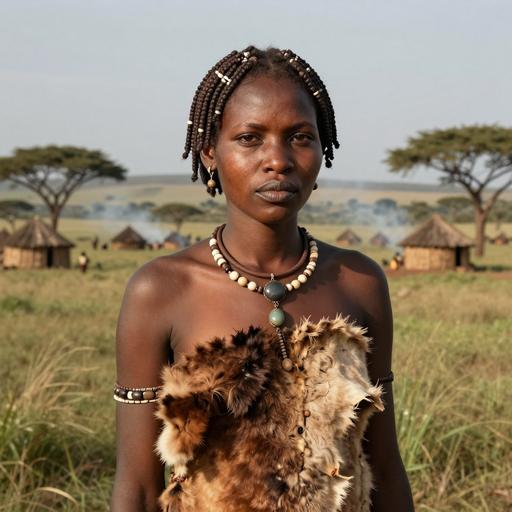
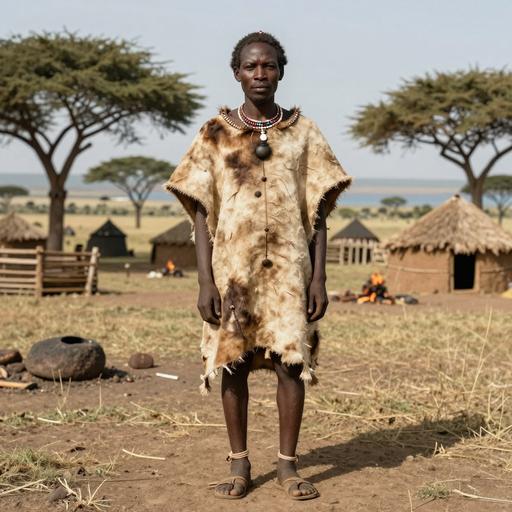
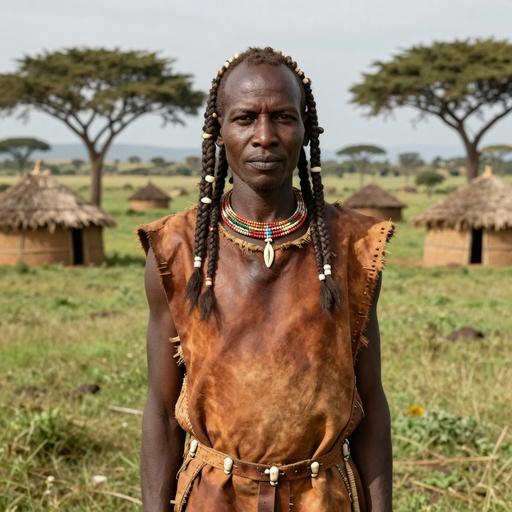
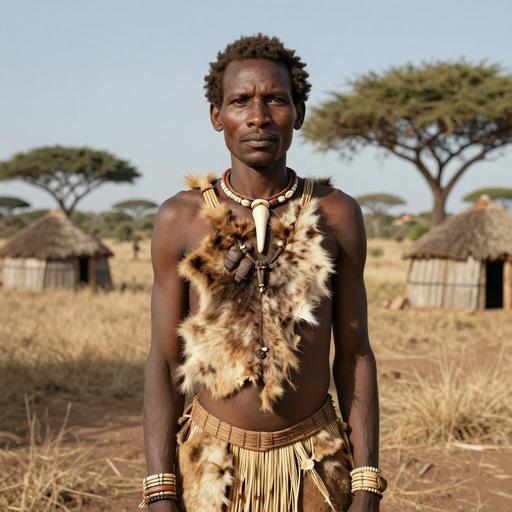
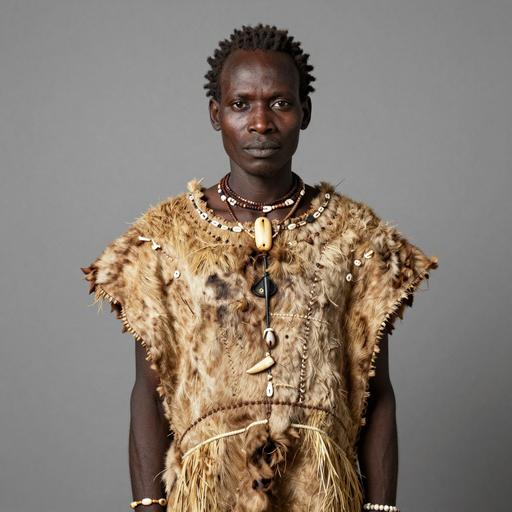
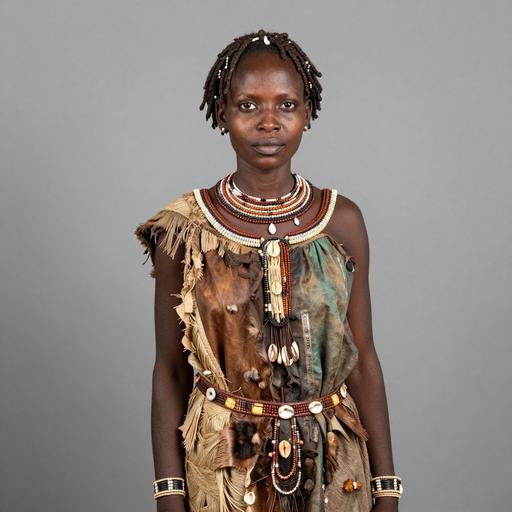
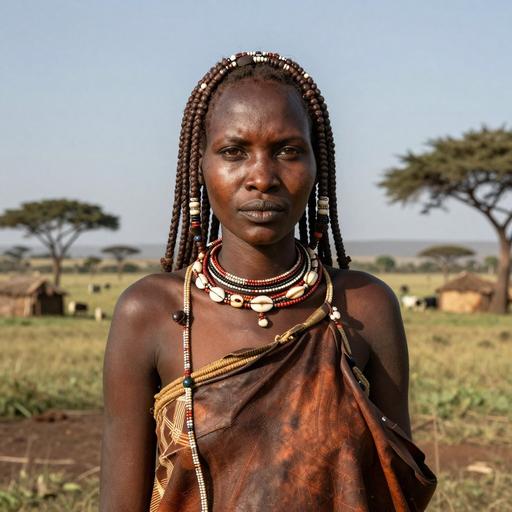
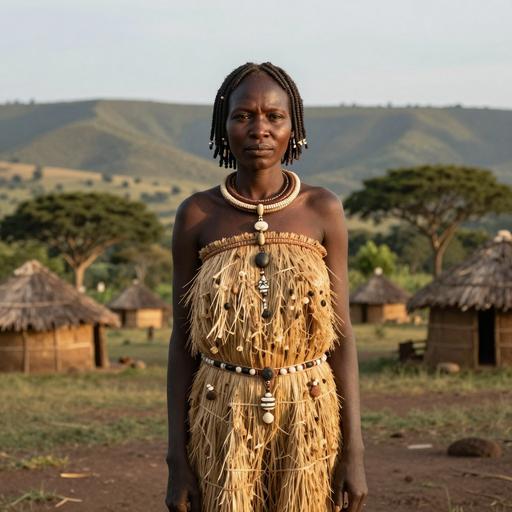
L0d1 is concentrated in southern Africa where it is most frequent among Khoe‑San forager groups (for example, Ju|'hoan, !Kung, Nama). Because of historic and prehistoric contact, L0d1 is also found at lower frequencies in neighboring Bantu‑speaking populations of southern Africa (reflecting maternal gene flow from indigenous groups into agriculturalist communities), and it occurs at low frequencies further afield in parts of East and Central Africa. Rare occurrences in African‑descended populations outside Africa (e.g., the Americas) reflect the transatlantic slave trade and are uncommon. Ancient DNA from Later Stone Age and Holocene contexts in southern Africa has repeatedly recovered L0d lineages, reinforcing the deep regional history of these maternal clades.
Historical and Cultural Significance
Because L0d1 and related L0d subclades are enriched in Khoe‑San populations, they are central to reconstructing Late Pleistocene population structure in southern Africa and understanding the prehistory of indigenous forager groups. The presence of L0d1 in non‑San groups at low frequency documents gene flow associated with contact and admixture, particularly during the Holocene when pastoralism and later Bantu expansions introduced substantial demographic change. L0d1 therefore functions as both a marker of deep ancestry and a tracer of more recent social and demographic processes.
Conclusion
L0d1 is a regionally concentrated, ancient maternal lineage that captures important aspects of southern African human history: long-term continuity among forager populations, local diversification through the Late Pleistocene and Holocene, and measurable introgression into neighboring populations through contact and admixture. Continued sampling of whole mitogenomes and ancient remains will refine internal branching and timing but the status of L0d1 as a key southern African marker is well supported by current population genetics data.
Key Points
- Origins and Evolution
- Subclades (if applicable)
- Geographical Distribution
- Historical and Cultural Significance
- Conclusion