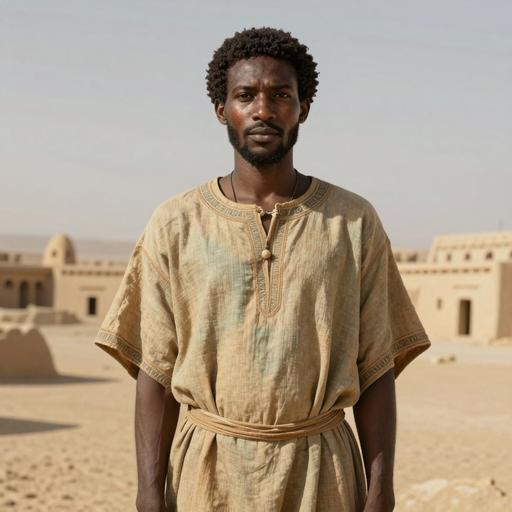
The Story
The journey of mtDNA haplogroup L0D2C1
Origins and Evolution
mtDNA haplogroup L0D2C1 is a subclade of L0D2C, itself nested within the deeper southern African lineage L0d2. The L0d/L0k cluster represents some of the oldest maternal diversity in anatomically modern humans and is strongly associated with the Khoe‑San hunter‑gatherer and pastoralist populations of southern Africa. Based on the phylogenetic position of L0D2C1 and coalescence estimates for related L0d subclades, L0D2C1 most likely arose in southern Africa during the Late Pleistocene (roughly ~35 kya), reflecting long‑term regional continuity of maternal lineages.
Subclades
As a defined terminal subclade (L0D2C1), documented internal diversity is limited compared with older L0 branches; available sequences indicate a geographically restricted phylogeography centered on southern Africa. L0D2C1 sits beneath L0D2C in the mtDNA tree and shares ancestral mutations characteristic of the L0d2 radiation. Because many L0d sublineages show high local structure and limited dispersal, L0D2C1 is best understood as a relatively localized lineage with a small number of derived branches observed in modern and ancient samples.
Geographical Distribution
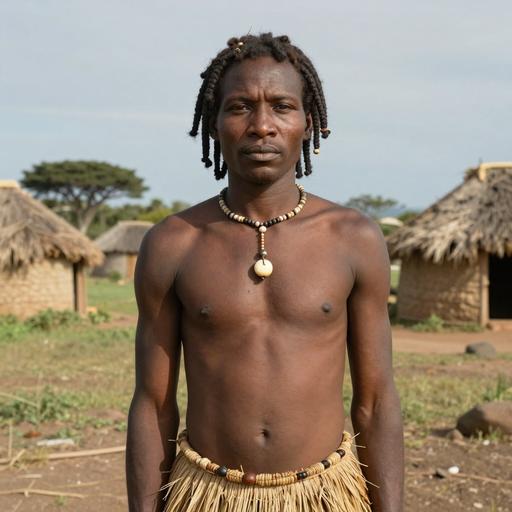
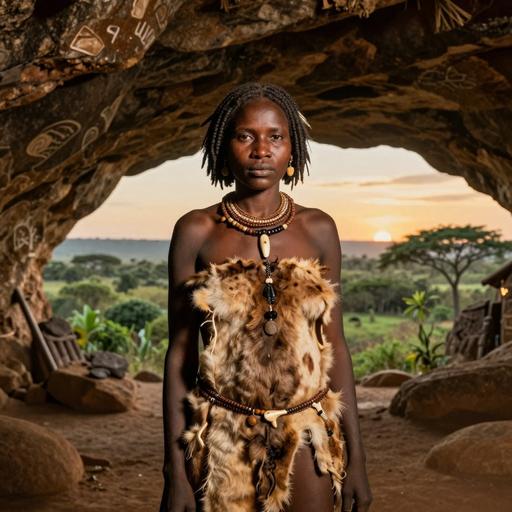
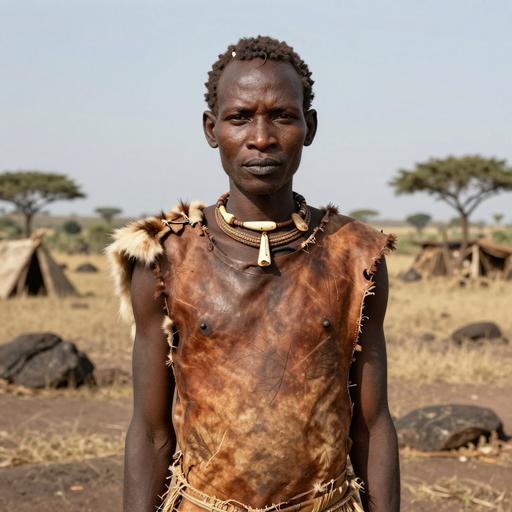
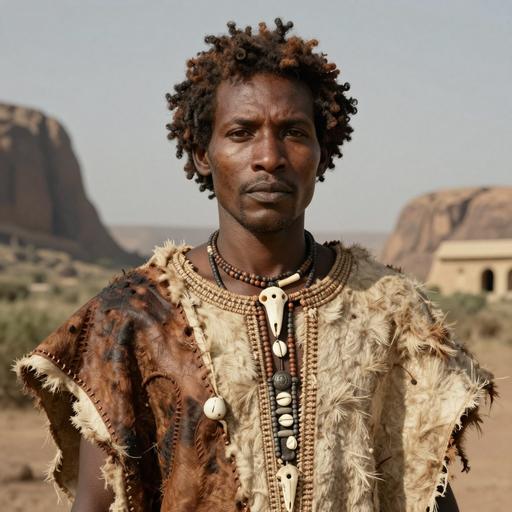
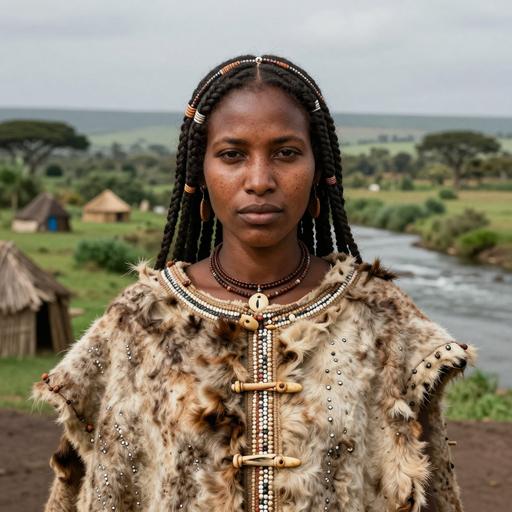
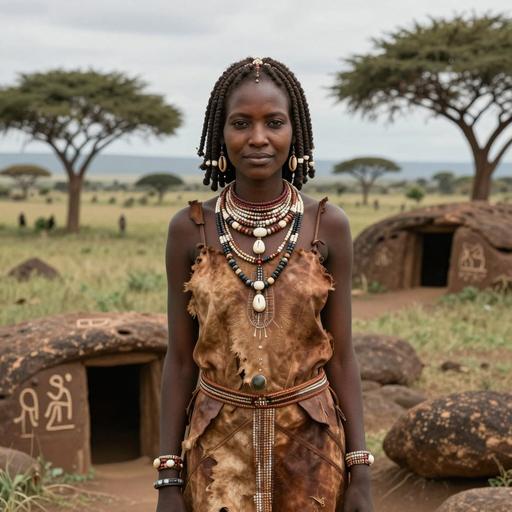
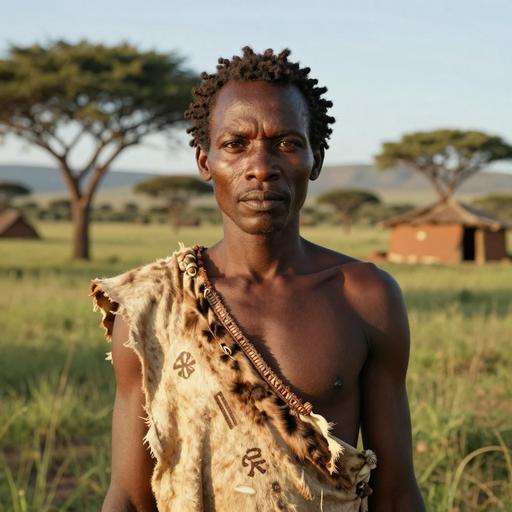
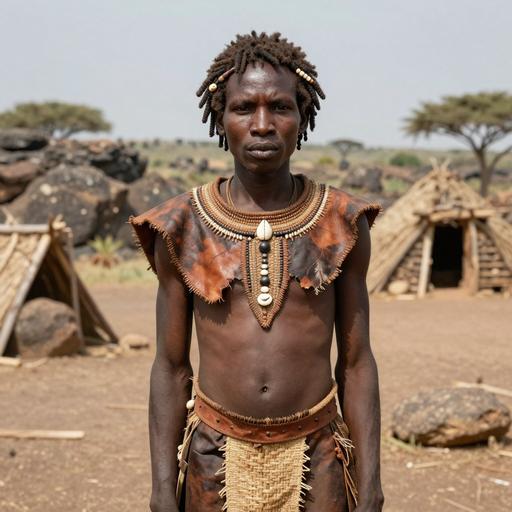
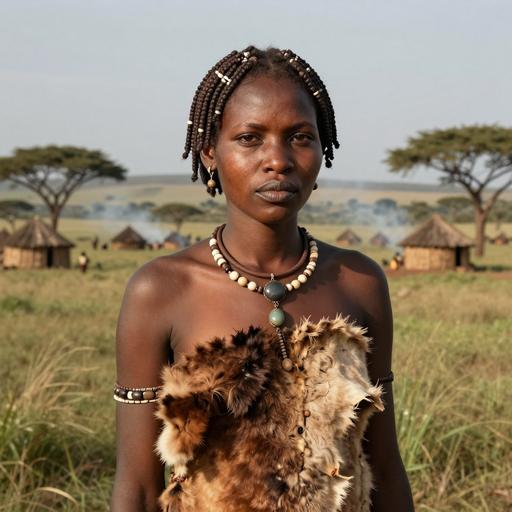
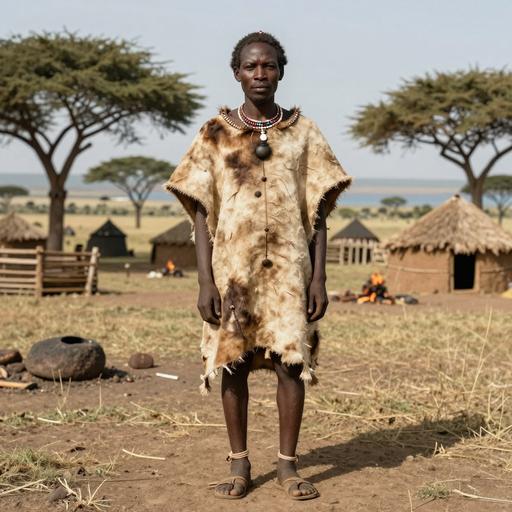
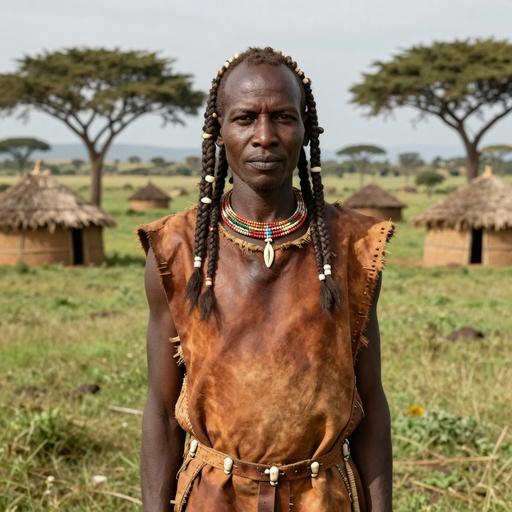
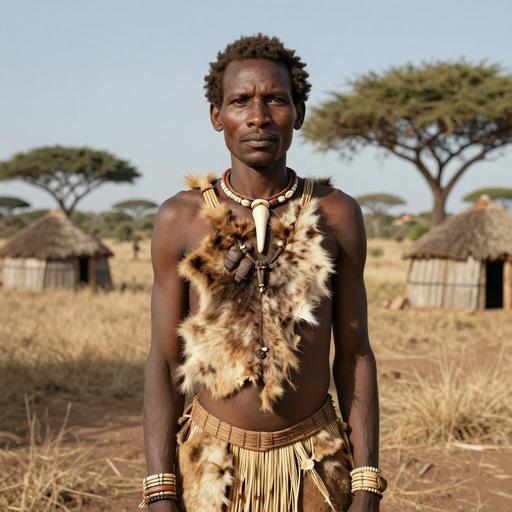
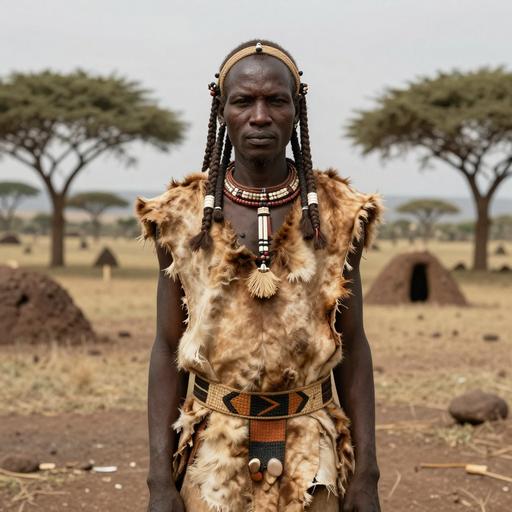
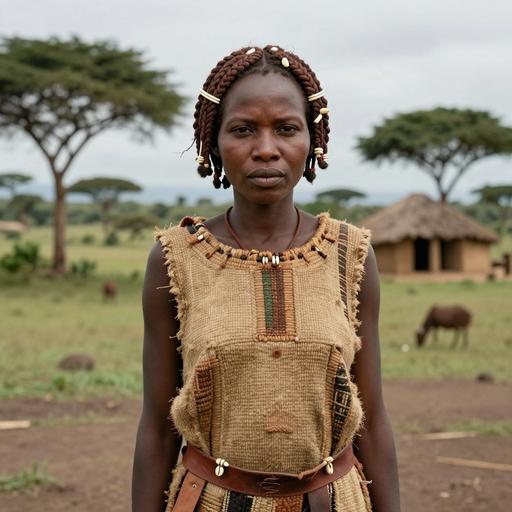
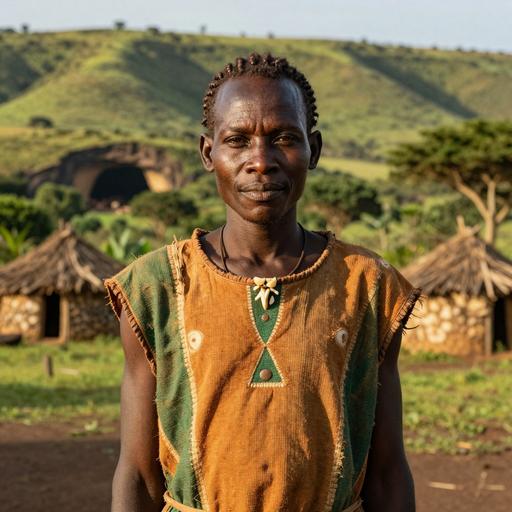
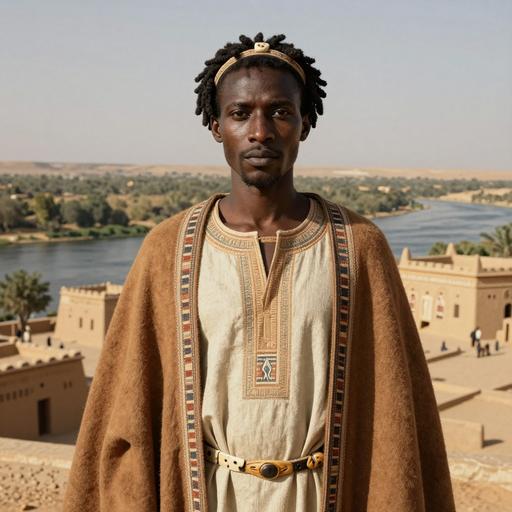
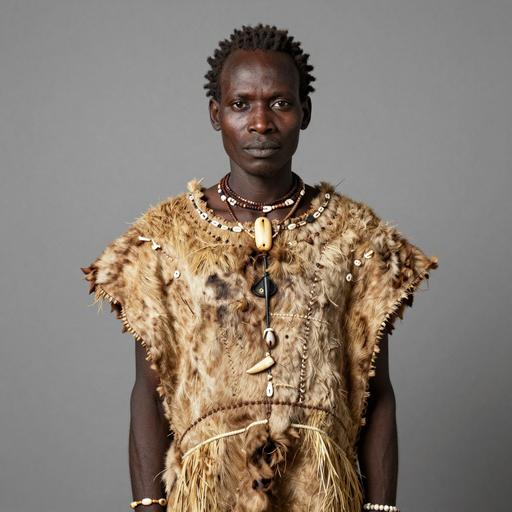
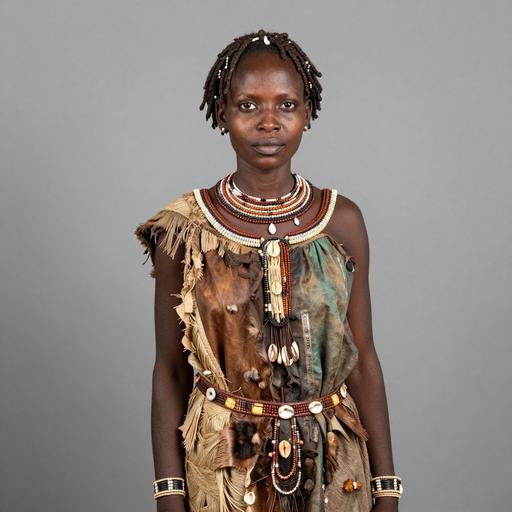
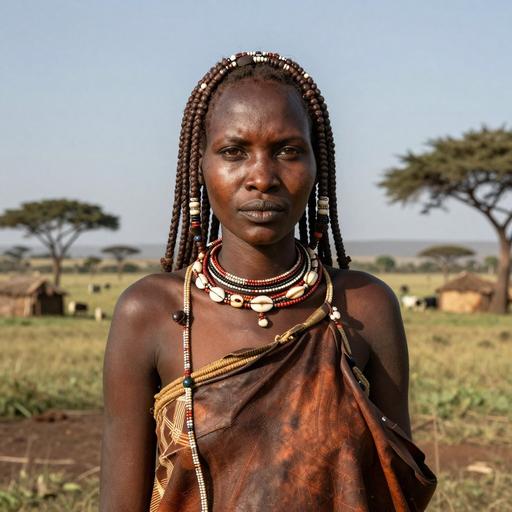
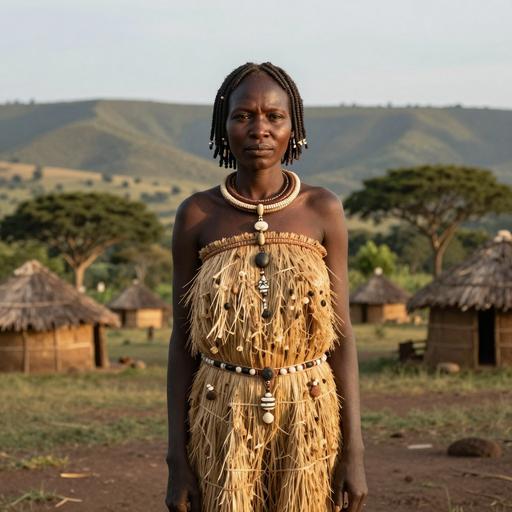
L0D2C1 is concentrated in southern Africa, especially among Khoe‑San groups (for example Ju|'hoan, !Kung, Nama), where it reaches its highest frequencies and diversity. Lower‑frequency occurrences are recorded among neighboring southern African Bantu‑speaking populations due to female‑mediated gene flow during the Holocene, and sporadic low frequencies appear in some East and Central African forager groups and, more rarely, in North Africa and the Near East reflecting historical contacts. The lineage has also been detected rarely in African‑descended populations in the Americas, reflecting the transatlantic slave trade. Two ancient DNA samples in available databases carry L0D2C1 or closely related lineages, supporting its antiquity and local continuity in southern Africa.
Historical and Cultural Significance
The modern distribution of L0D2C1 reflects deep continuity of maternal ancestry in Khoe‑San populations through the Late Pleistocene and Holocene. Its presence at low levels among Bantu speakers illustrates the asymmetric admixture patterns typical of the region (often greater incorporation of local maternal lineages into expanding agriculturalist populations). L0D2C1 therefore informs studies of prehistoric demography in southern Africa, including the persistence of forager populations, interactions with incoming pastoralist and farmer groups, and later historic dispersals that contributed to diaspora lineages outside Africa.
Conclusion
L0D2C1 is a geographically focused, ancient maternal lineage with a clear association to southern African Khoe‑San groups and demonstrable continuity since the Late Pleistocene. While not widespread globally, it provides important evidence for deep maternal structure in Africa and for localized demographic processes (admixture, persistence, and limited dispersal) that shaped southern African genetic diversity. Continued sampling, particularly of ancient DNA from southern Africa, will refine the internal phylogeny and demographic history of L0D2C1.
Key Points
- Origins and Evolution
- Subclades
- Geographical Distribution
- Historical and Cultural Significance
- Conclusion