The Story
The journey of mtDNA haplogroup L0D2
Origins and Evolution
mtDNA haplogroup L0d2 is a subclade of the deeply divergent L0d maternal lineage, a branch with very deep coalescence times in southern Africa. L0d as a whole is among the oldest mtDNA clades found in anatomically modern humans; L0d2 is inferred to have split from other L0d lineages during the Late Pleistocene (order tens of thousands of years ago), with a plausible coalescence time on the order of ~80 kya based on the position of L0d2 within the L0 phylogeny and published molecular-clock estimates for L0d. The long internal branches and locality of diversity point to a prolonged history in southern Africa prior to more recent Holocene demographic events.
L0d2 is defined by a suite of mitochondrial control‑region and coding‑region mutations that place it within the L0d clade; like other deep southern African mtDNA lineages, it preserves a signal of ancient population structure that predates the spread of food-producing economies in the region.
Subclades (if applicable)
L0d2 exhibits internal structure in larger mtDNA surveys and has been subdivided in some studies into named sublineages (reported variably as branches such as L0d2a, L0d2b, etc.). These internal branches often show regional clustering, with particular sublineages concentrated among specific Khoe‑San groups or occurring at low frequency in neighboring populations. Because sampling density and nomenclature vary between studies, reported subclade names and boundaries can differ; nonetheless, published work consistently finds that L0d2 harbors multiple localized lineages reflecting long‑term residence and isolation of southern African forager groups.
Geographical Distribution
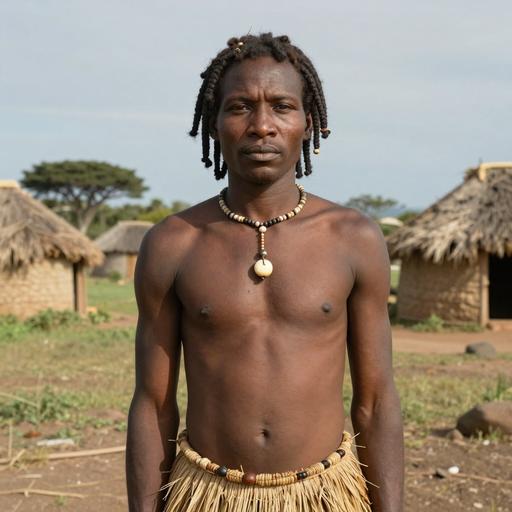
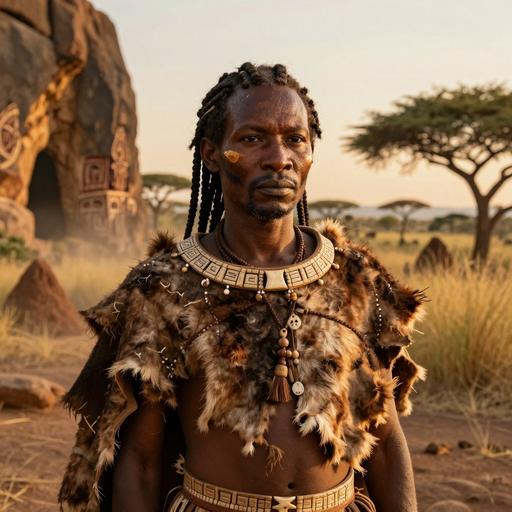
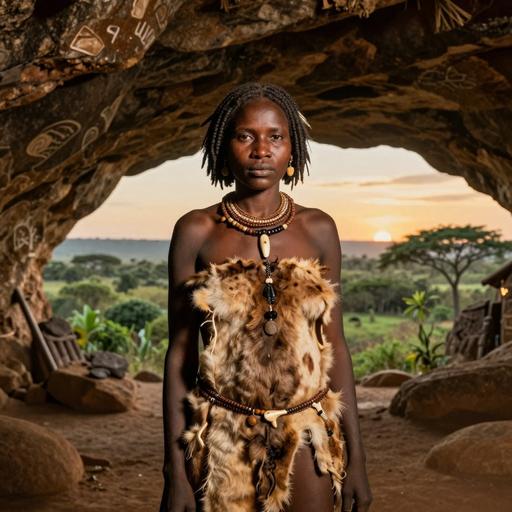
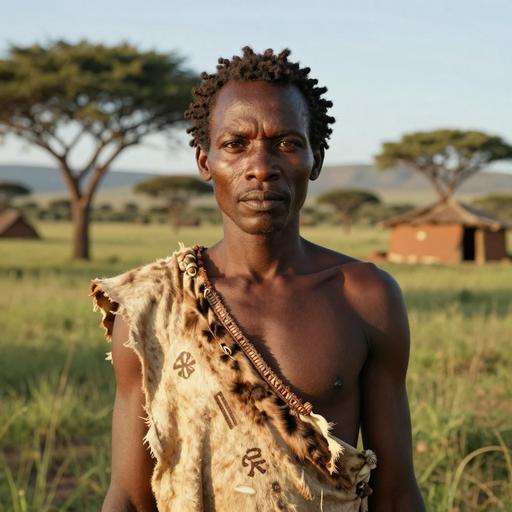
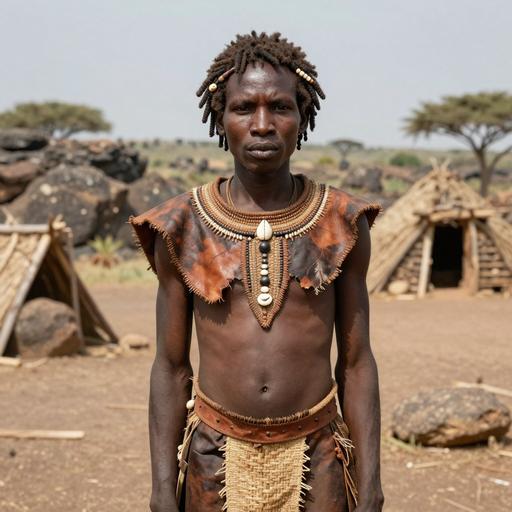
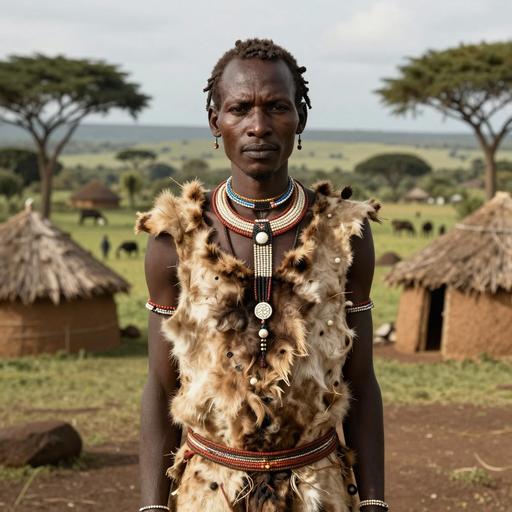
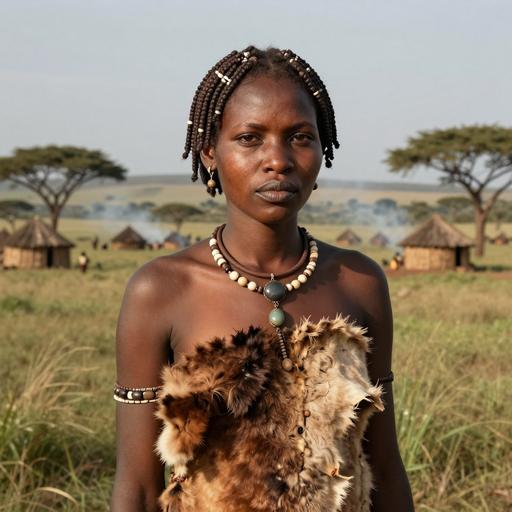
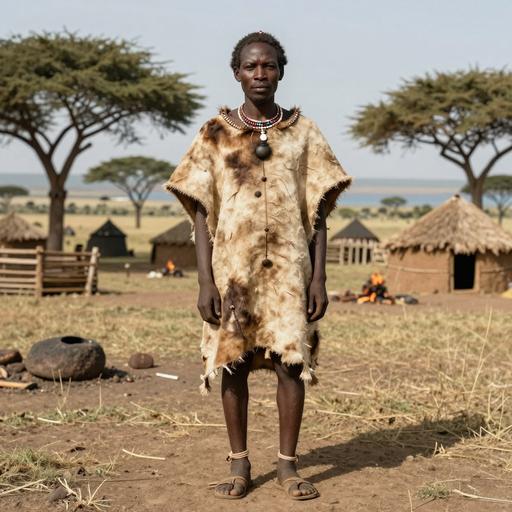
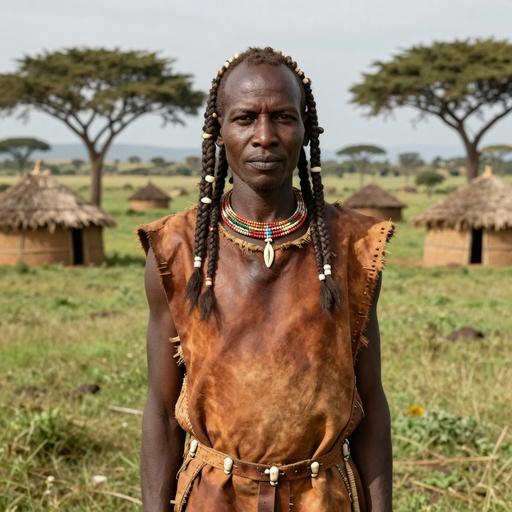
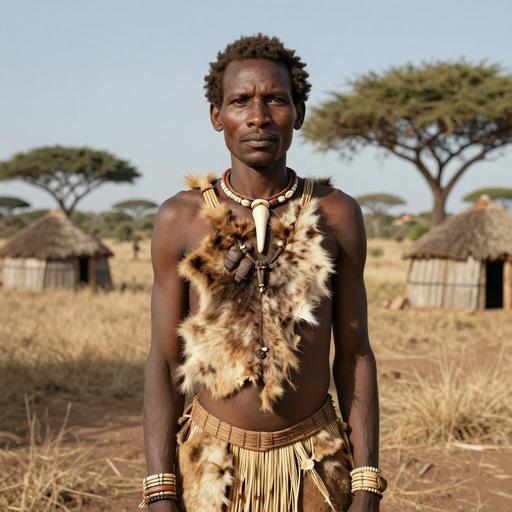
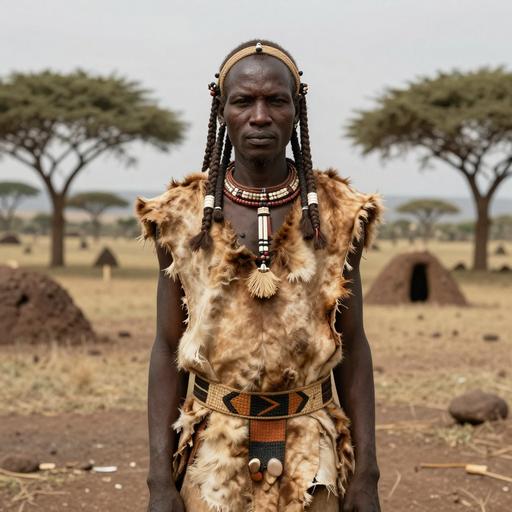
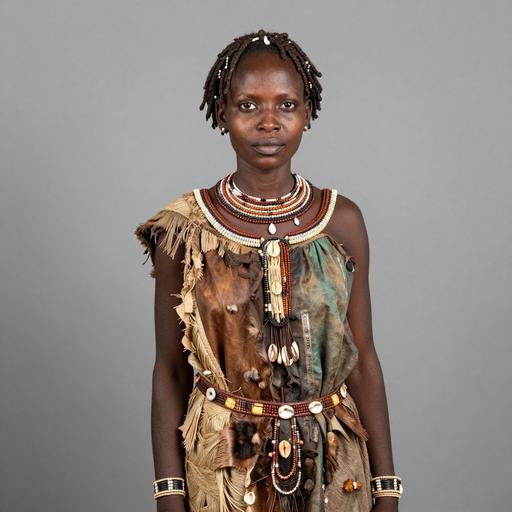
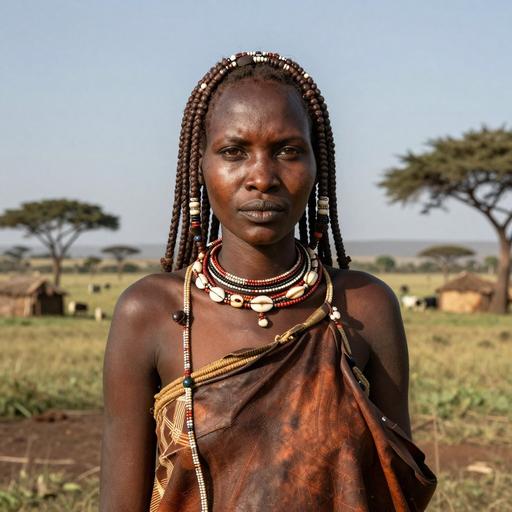
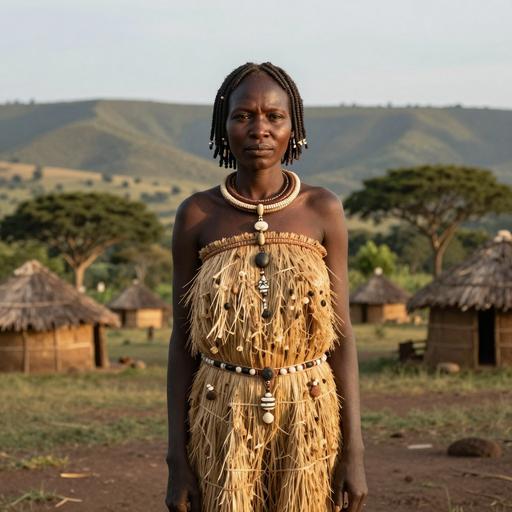
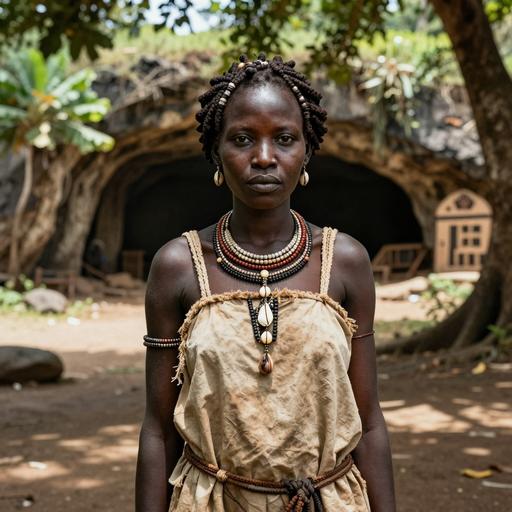
L0d2 is primarily a southern African lineage with the highest diversity and frequency within Khoe‑San forager populations (for example, Ju|'hoan, !Kung, and Nama). It is also observed at low-to-moderate frequencies in some southern African Bantu‑speaking populations as a result of historical and prehistorical admixture. Scattered low‑frequency occurrences are reported in parts of East Africa and Central Africa (likely reflecting ancient contacts or gene flow), and rare occurrences appear in African‑descended populations in the Americas due to the transatlantic slave trade. Occasionally, single low‑frequency occurrences have been reported outside Africa (North Africa, the Near East) consistent with historical movement and admixture.
Ancient DNA evidence for L0d2 is limited but present in archaeological contexts from southern Africa, which reinforces the interpretation that this lineage represents long‑standing maternal continuity among southern African foragers.
Historical and Cultural Significance
Because L0d2 (and L0d more broadly) is concentrated in Khoe‑San populations and shows deep coalescence, it is a key marker for reconstructing Late Pleistocene and early Holocene population structure in southern Africa. L0d2 helps researchers distinguish between long‑term local continuity of forager groups and more recent demographic processes such as the Bantu expansions and later historic admixture. The presence of L0d2 in some Bantu‑speaking communities documents maternal gene flow from indigenous southern African forager groups into expanding agricultural populations.
L0d2 therefore carries cultural information as well as genetic: it is associated with the hunter‑gatherer lifeways and material cultures of the Later Stone Age in southern Africa and provides a maternal lineage tracer for interactions between foragers, pastoralists, and farmers through the Holocene.
Conclusion
L0d2 is a regionally concentrated, deeply divergent maternal lineage that highlights southern Africa as a major reservoir of ancient human mtDNA diversity. Its distribution and internal diversity make it especially informative for studies of Khoe‑San population history, forager‑farmer interactions during the Holocene, and the broader picture of human demographic structure in late Pleistocene and Holocene Africa. Continued dense sampling and ancient DNA recovery in southern Africa will refine the internal phylogeny and paleodemographic history of L0d2.
Key Points
- Origins and Evolution
- Subclades (if applicable)
- Geographical Distribution
- Historical and Cultural Significance
- Conclusion