The Story
The journey of mtDNA haplogroup L0F2
Origins and Evolution
mtDNA haplogroup L0f2 is a subclade of L0f, itself a branch of the deep African macro-haplogroup L0. While the parent L0f has been estimated to arise during the Late Pleistocene (~30 kya), L0f2 appears to have diverged later, plausibly in the early Holocene (around ~10 kya) as populations occupying eastern and southern Africa experienced demographic shifts after the Last Glacial Maximum. As a maternal lineage nested within one of the most basal African mtDNA radiations, L0f2 retains ties to long-established regional maternal diversity but represents a more recent, localized branch.
Subclades (if applicable)
At present, L0f2 is defined as a discrete clade under L0f with limited, sometimes geographically structured internal diversity. Genetic surveys and targeted sequencing have identified low-frequency local sublineages (often reported as L0f2a/L0f2b in some datasets), but the overall diversity within L0f2 is lower than in older L0 subclades. This pattern is consistent with a Holocene origin followed by localized drift and limited expansions rather than wide, deep radiations.
Geographical Distribution
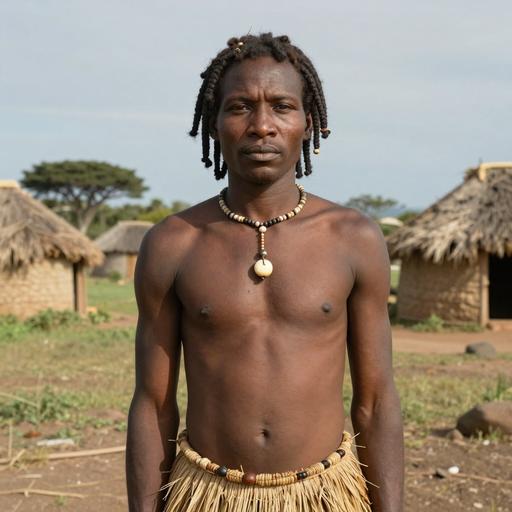
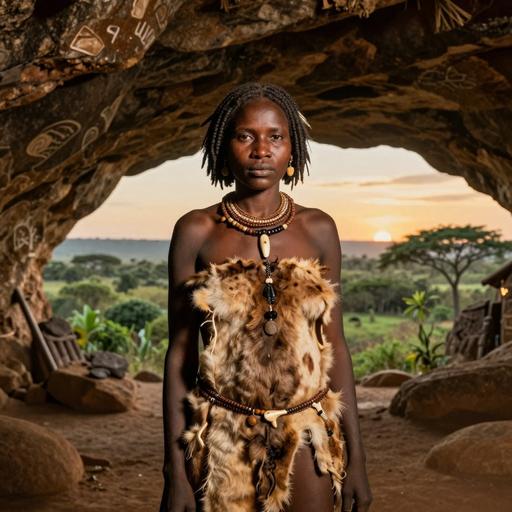
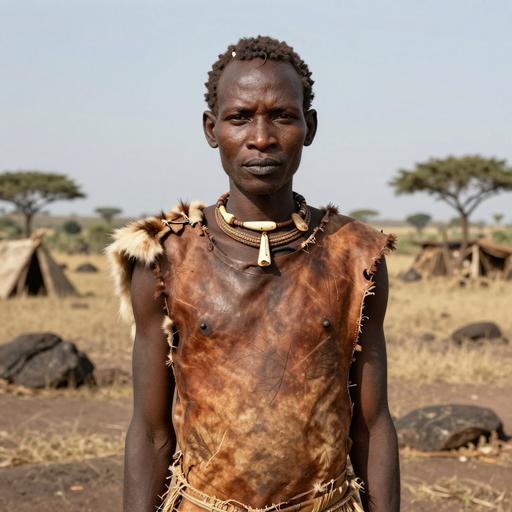
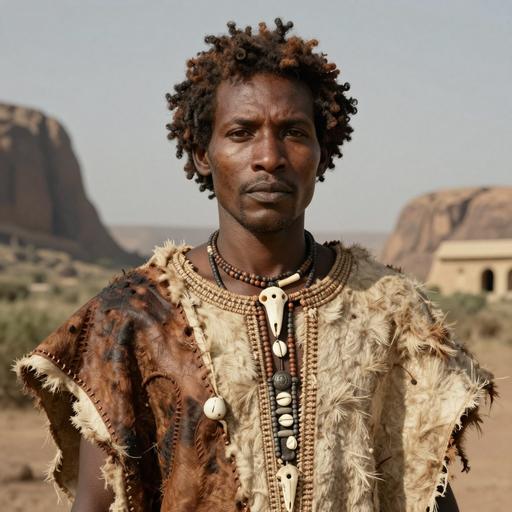
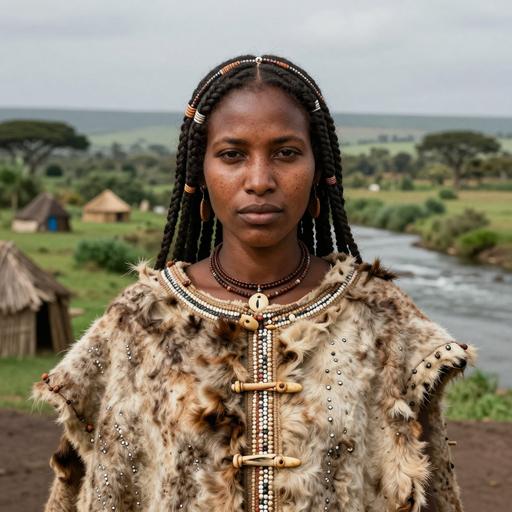
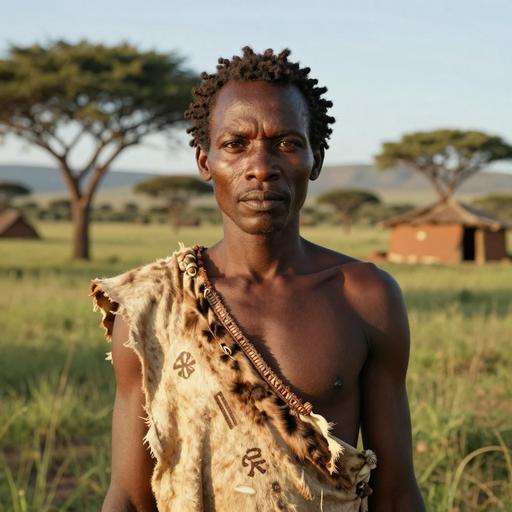
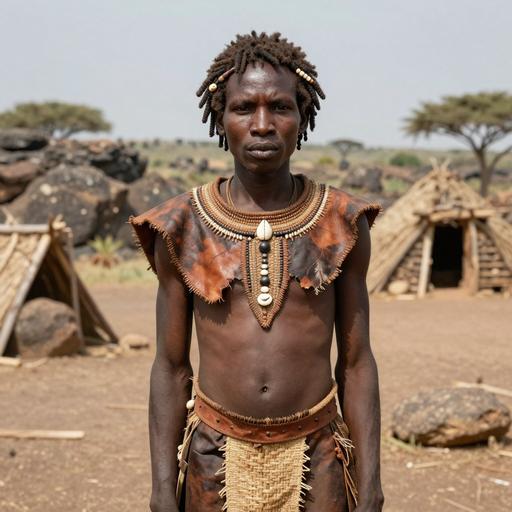
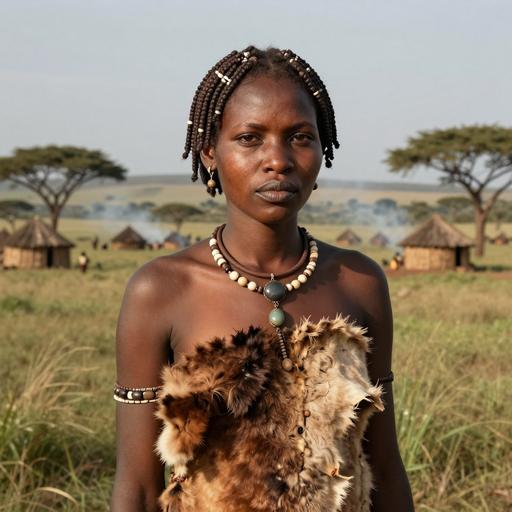
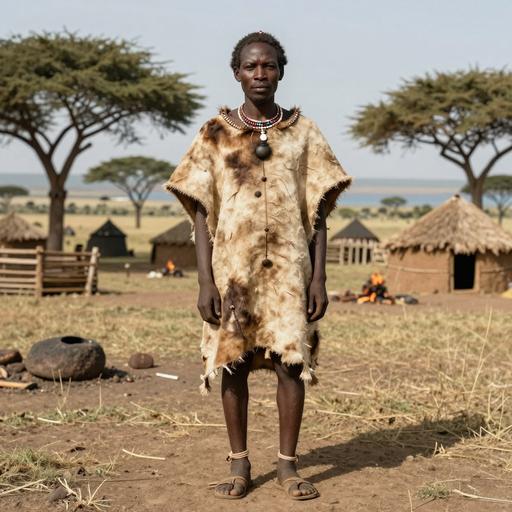
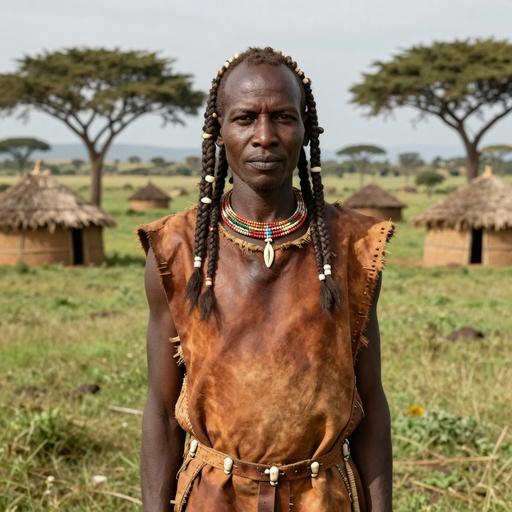
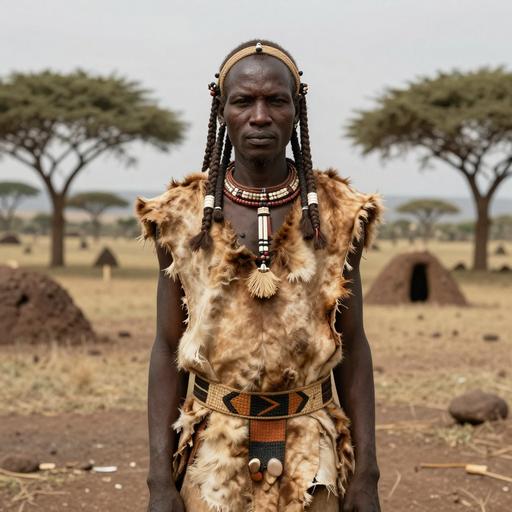
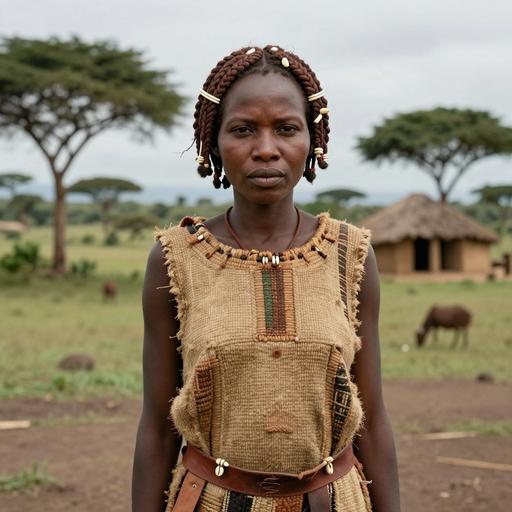
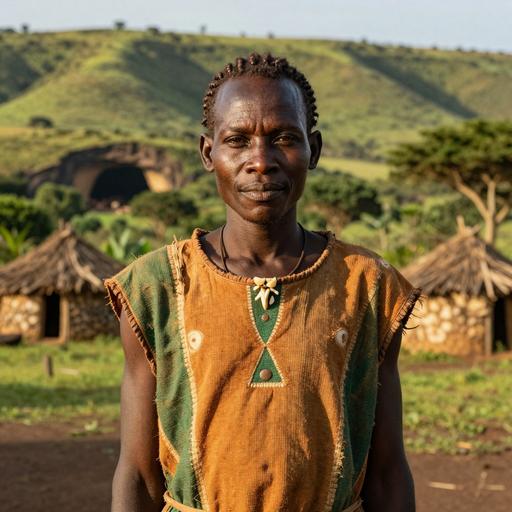
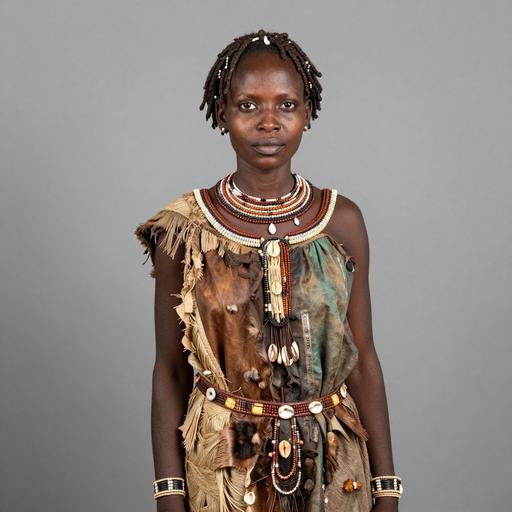
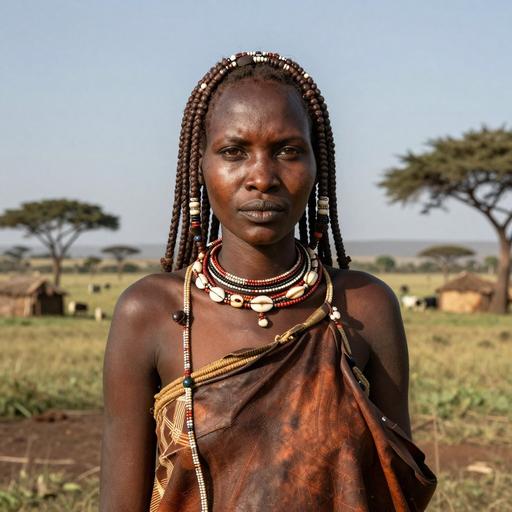
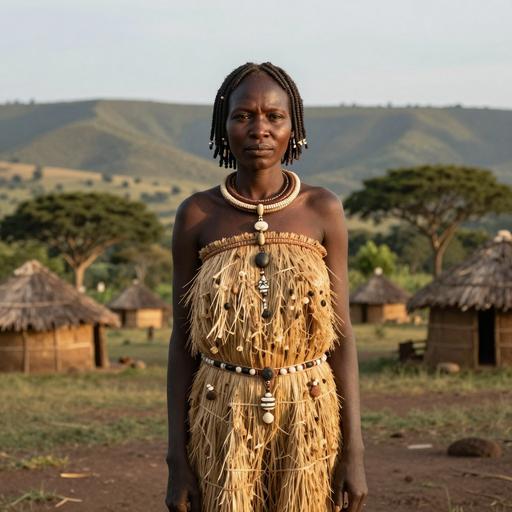
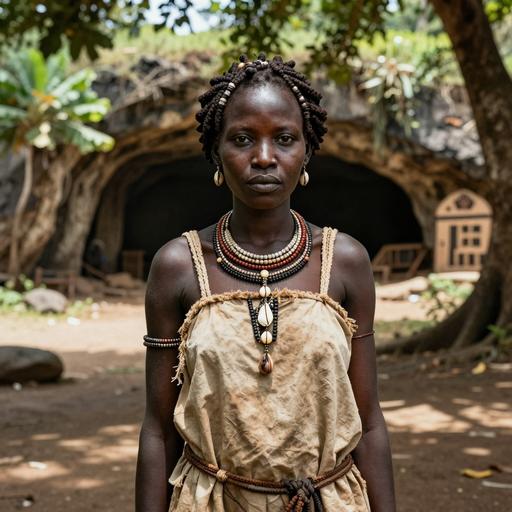
L0f2 is primarily observed in eastern and southern Africa at low-to-moderate frequencies. It is most often detected among groups inhabiting or historically connected to the Rift Valley, the Horn, and adjacent southern African zones. Typical occurrences include some Ethiopian and Kenyan populations, portions of pastoralist and agro-pastoral communities in the Horn and Rift-adjacent areas, low-to-moderate presence in southern African populations (reflecting east–south gene flow), and sporadic detection in Bantu-speaking groups of eastern and southern Africa at low frequency. L0f2 is also found at very low frequency in African-descended populations in the Americas as a legacy of the transatlantic slave trade.
Historical and Cultural Significance
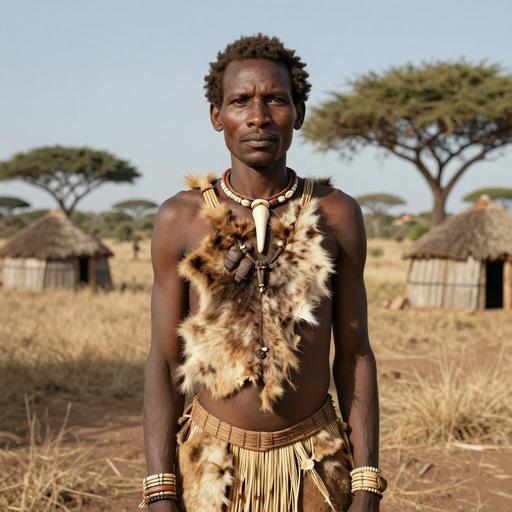
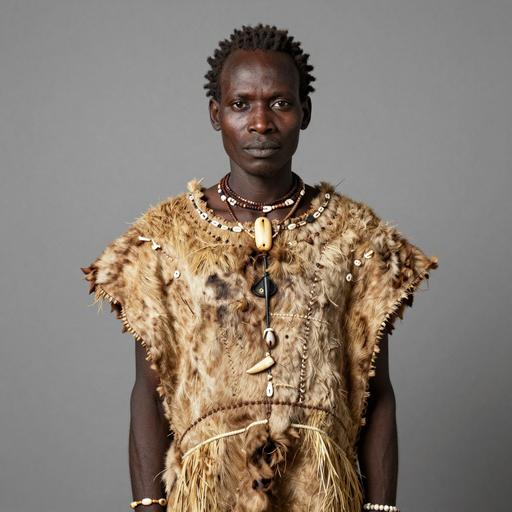
Because L0f2 is nested within a clade associated with long-term African regional continuity, its presence is informative for studies of female-mediated population structure in eastern and southern Africa. It is associated with Later Stone Age hunter-gatherer ancestry in the region, and its post-glacial emergence is compatible with demographic changes tied to the Holocene environmental amelioration, the spread of regional pastoralism, and subsequent intermarriage with expanding Bantu-speaking groups. L0f2's distribution therefore documents both deep local continuity and later episodes of contact, mobility, and admixture.
In historical genetics, L0f2 functions as a marker for localized maternal lineages that can help distinguish eastern/southern African maternal inputs from those typical of central African or Eurasian mixes. Its relatively low frequency in Bantu-speaking populations indicates that it was not a major component of the agricultural expansions but was assimilated through regional interactions.
Conclusion
L0f2 is a Holocene-aged subclade of L0f reflecting localized maternal lineages in eastern and southern Africa. Its pattern—restricted geographic range, modest internal diversity, and presence in both indigenous hunter-gatherer and neighboring pastoralist and agricultural populations—illustrates how ancient regional maternal ancestry persisted through the Holocene while being reshaped by later cultural and demographic processes such as pastoralism and the Bantu expansions. Continued mitogenome sequencing in understudied African populations will refine the phylogenetic structure and regional history of L0f2.
Key Points
- Origins and Evolution
- Subclades (if applicable)
- Geographical Distribution
- Historical and Cultural Significance
- Conclusion