The Story
The journey of mtDNA haplogroup L3F1B1
Origins and Evolution
L3F1B1 is a downstream maternal lineage nested within L3F1B, itself part of the broader African L3 branch that played a central role in post-glacial population dynamics in and out of Africa. Based on the phylogenetic position of L3F1B1 under L3F1B and the age estimates for its parent clade, L3F1B1 most likely emerged during the Early Holocene (roughly ~11 kya). Its origin in the Horn/East African region fits regional demographic processes after the Last Glacial Maximum, including local population expansions, increased mobility along the Red Sea and Indian Ocean coasts, and the development of early food-procuring and pastoralist adaptations.
Genetically, L3F1B1 is defined by a small set of coding- and control-region mutations that distinguish it from sister and parent clades; because it is a relatively localized and lower-frequency subclade, it is less frequently sampled than major African haplogroups such as L0, L2 and basal L3 branches.
Subclades
As an intermediate clade, L3F1B1 sits below L3F1B and can have further downstream diversity in specific populations of East and Central Africa. Published datasets show limited substructure within L3F1B1 compared with more common African haplogroups, but localized sublineages may be present among Horn populations (e.g., Oromo, Amhara, Somali) and among certain Central African groups. Because sampling of deep mitochondrial diversity in some regions remains incomplete, additional minor subclades of L3F1B1 may be discovered with broader sequencing efforts.
Geographical Distribution
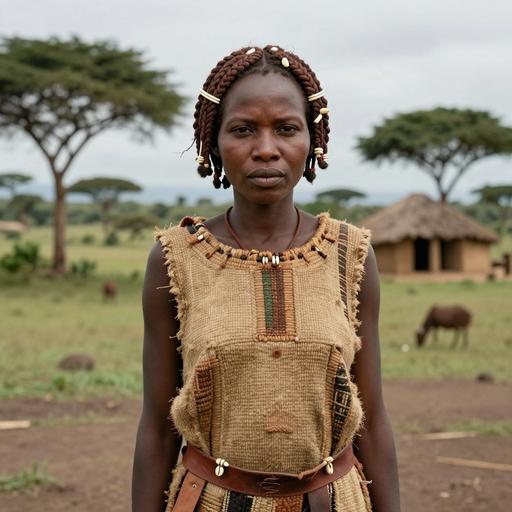
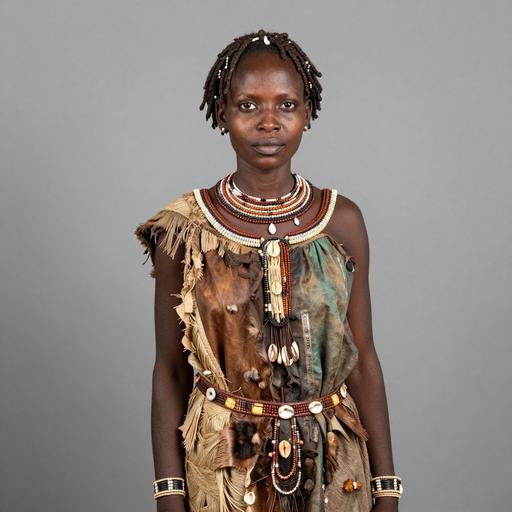
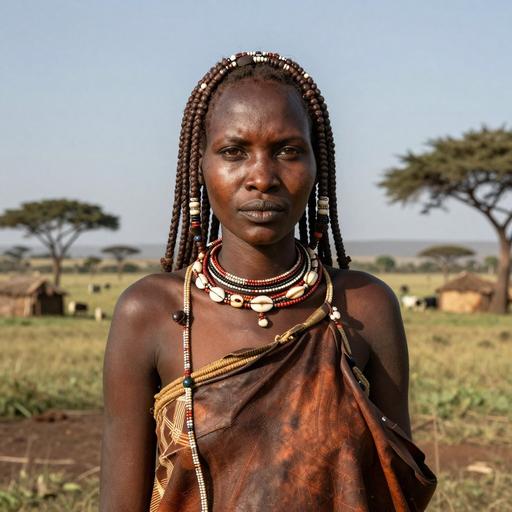
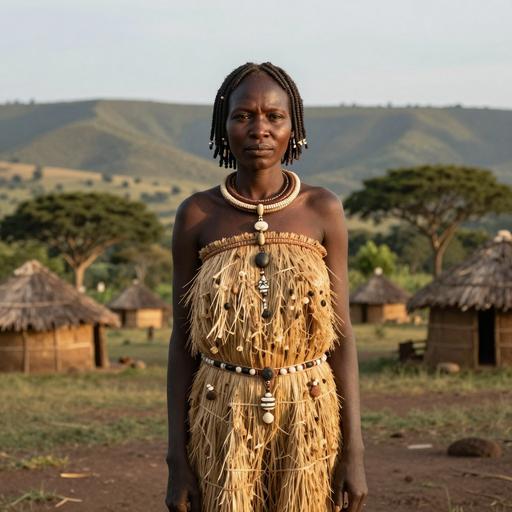
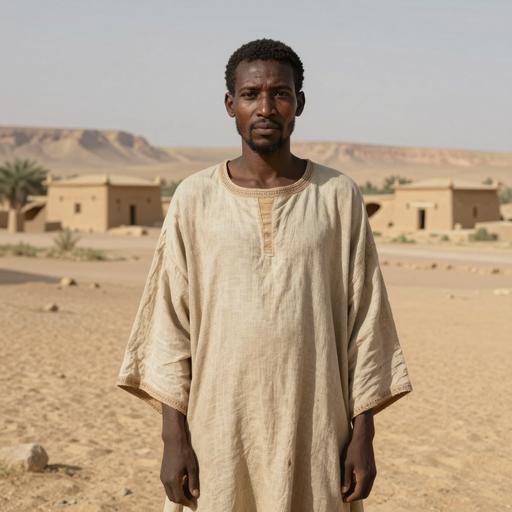
L3F1B1 is concentrated in the Horn of Africa and adjacent eastern African areas where its parent clade is common, and it occurs at moderate to low frequencies across central, western and southern Africa. The pattern is consistent with an origin in East/Horn Africa followed by regional gene flow and episodic long-distance movements (including historic trade and recent diaspora). Reported occurrences include high representation among Horn populations (Oromo, Amhara, Somali), presence along the Swahili coast, modest frequencies among some Central African Pygmy groups, and sporadic occurrences in West and Southern African groups and in African-descended populations in the Americas due to the trans-Atlantic slave trade.
Ancient DNA evidence specifically identifying L3F1B1 remains scarce; most inferences come from modern population sequencing and the phylogenetic relationship to better-sampled L3 subclades. Continued ancient and modern whole-mtDNA sequencing across East Africa will improve resolution of its historical distribution and demographic history.
Historical and Cultural Significance
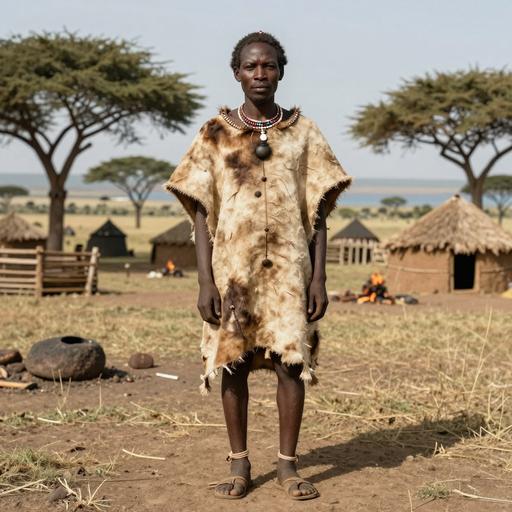
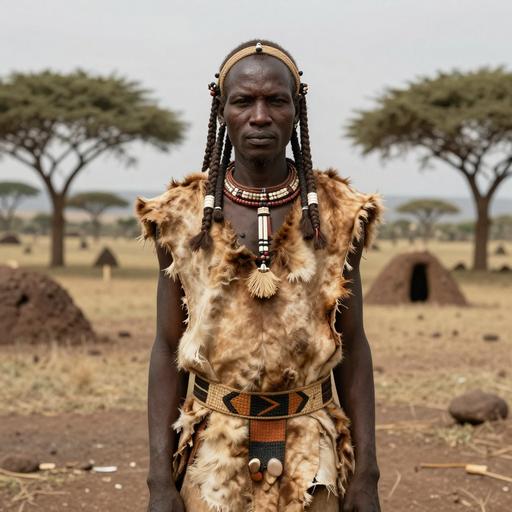
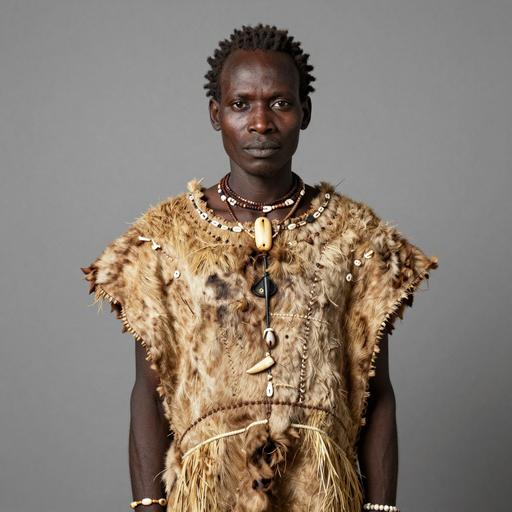
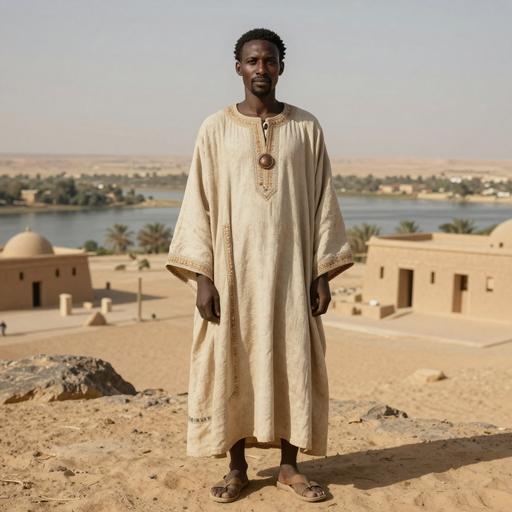
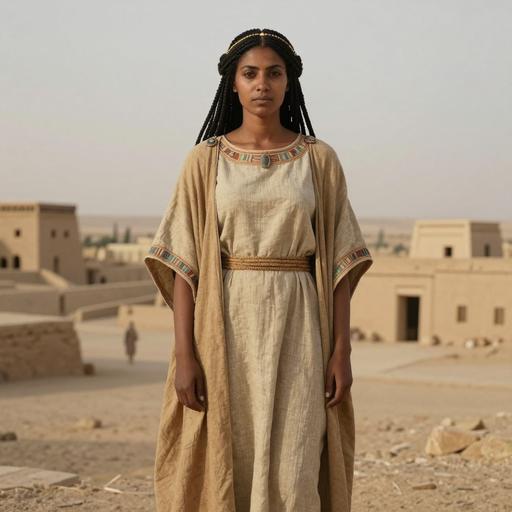
Although mtDNA haplogroups do not map one-to-one onto archaeological cultures, L3F1B1 likely reflects maternal lineages that were present in Early Holocene forager and emerging pastoralist communities in the Horn and adjacent regions. Later demographic events — such as the spread of Cushitic- and Semitic-speaking communities, Iron Age movements, and historical trade across the Red Sea and Indian Ocean — contributed to the present-day patchy distribution. In colonial and post-colonial eras, individuals carrying L3F1B1 entered the African diaspora, producing low-frequency occurrences in the Americas.
Conclusion
L3F1B1 is a regional Early Holocene maternal lineage centered on the Horn/East Africa that contributes to the complex mosaic of African maternal diversity. Its distribution highlights local continuity in eastern Africa combined with episodes of gene flow into central, western and southern Africa and into diasporic populations. Greater sampling and whole-mitogenome sequencing in underrepresented African populations will clarify its internal diversity, precise age, and historical movements.
Key Points
- Origins and Evolution
- Subclades
- Geographical Distribution
- Historical and Cultural Significance
- Conclusion