The Story
The journey of mtDNA haplogroup L3F1B4
Origins and Evolution
mtDNA haplogroup L3F1B4 is a downstream branch of L3F1B, itself a component of the broader L3F lineage within macro-haplogroup L3. L3 originated in Africa and gave rise to many lineages that shaped sub-Saharan maternal diversity. Based on the phylogenetic position of L3F1B4 beneath L3F1B (which is estimated to have emerged in the Early Holocene, ~12 kya), L3F1B4 is most plausibly a Holocene-age clade that diversified in East Africa/Horn of Africa roughly ~6 kya (an estimate consistent with further internal branching after the origin of L3F1B).
The formation of L3F1B4 would have involved the accumulation of one or a few private mutations on an L3F1B background and subsequent local transmission. As with many regional mtDNA subclades, its initial spread was likely mediated by demographic events common to East Africa in the Holocene: local population growth after the Last Glacial Maximum, the spread of new subsistence strategies, and movement of peoples within and out of the Horn.
Subclades (if applicable)
At present L3F1B4 is treated as an intermediate/tip-level subclade within the L3F1B tree. If finer-resolution sequencing (complete mitogenomes) identifies further downstream branches, those would be named as L3F1B4a, L3F1B4b, etc. Presently L3F1B4 appears to be a relatively restricted lineage with low internal diversity in published datasets, which is consistent with a geographically localized expansion or long-term low effective population size for carriers of this lineage.
Geographical Distribution
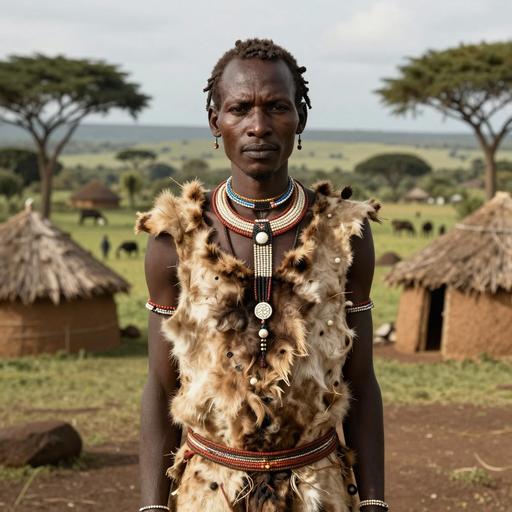
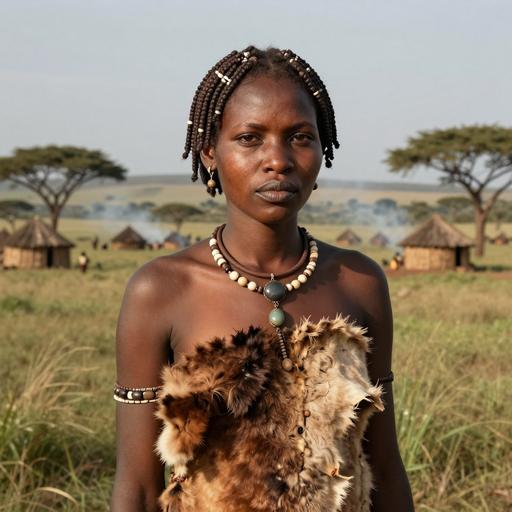
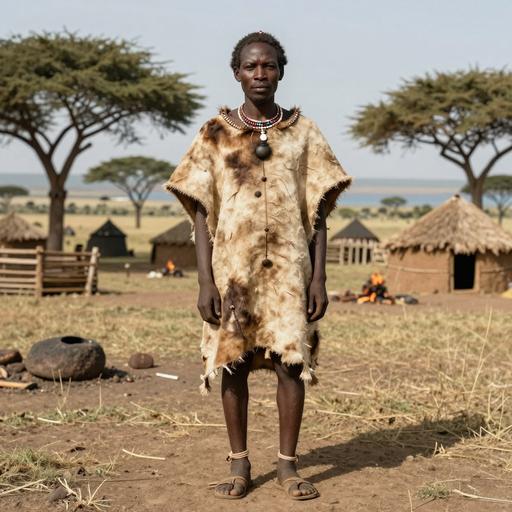
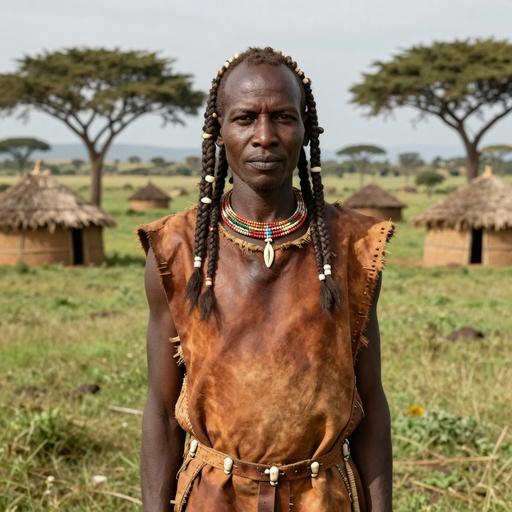
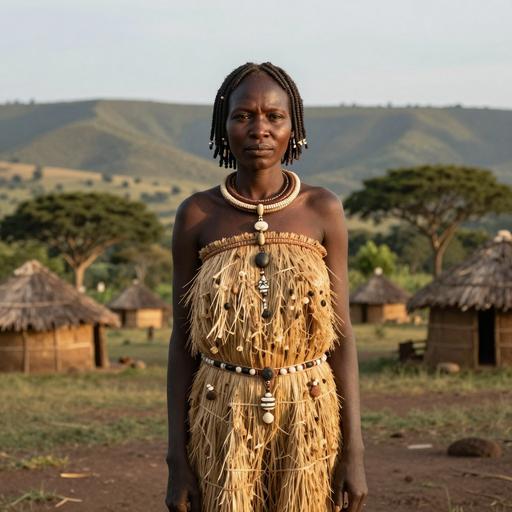
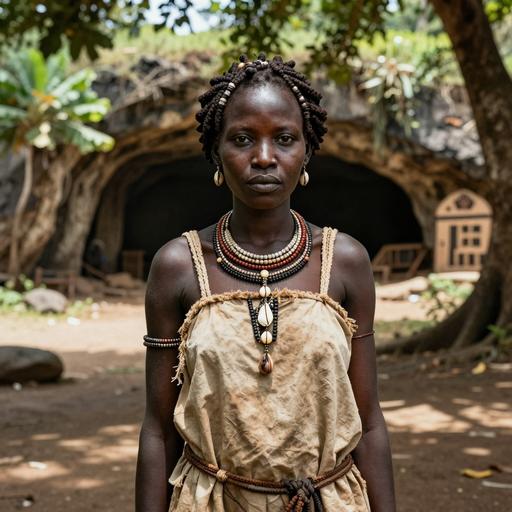
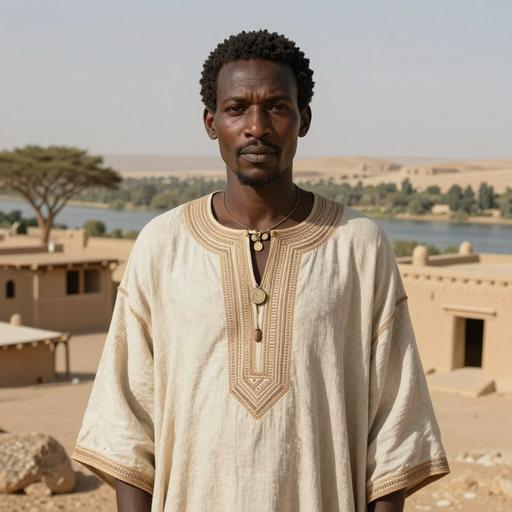
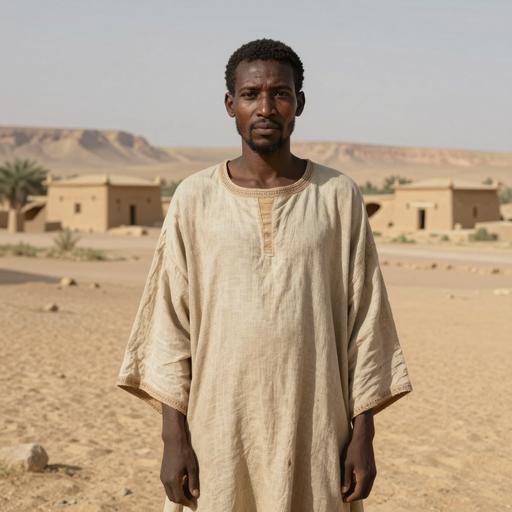
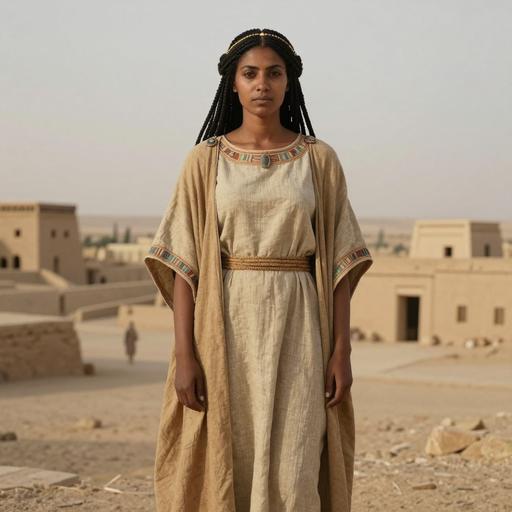
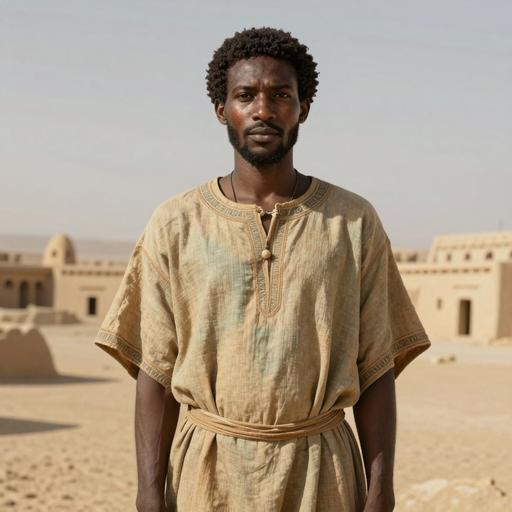
L3F1B4 is concentrated in the Horn of Africa and coastal East Africa, with lower-frequency occurrences in central, western and southern African populations and in African-descended populations outside Africa. Reported presences include Oromo and Amhara groups of Ethiopia, Somali and other Horn populations, coastal Swahili-adjacent communities, certain Central African forager/pygmy groups at low-to-moderate frequencies, and scattered instances among West and Southern African groups and the African diaspora in the Americas. Occasional low-frequency signals in North Africa and the Middle East probably reflect historical gene flow and recent admixture.
This pattern—high representation in the Horn and diminishing frequencies moving west and south—is consistent with an origin in East Africa followed by limited dispersal via both coastal and inland contact networks, including trade, pastoralist movements, and later historic migrations.
Historical and Cultural Significance
Because mtDNA tracks maternal ancestry, L3F1B4 can provide insight into female-mediated demographic processes in eastern Africa. It likely played a role in local population structure during the Holocene transitions in East Africa, including the diversification of subsistence strategies (foraging to food production and pastoralism) and the expansion of Afro-Asiatic-speaking groups in and around the Horn. The lineage's presence in coastal communities also suggests participation—at least at low frequencies—in maritime and trade-linked gene flow along the Swahili coast.
L3F1B4's lower-frequency occurrences in central and western Africa, and in the African diaspora, are best explained by later long-distance movements: interregional interactions within Africa (including Bantu expansions and trade networks) and the transatlantic slave trade, which redistributed diverse maternal lineages worldwide.
Conclusion
L3F1B4 is a Holocene-age, East African-centered maternal lineage that refines the phylogenetic and geographic detail of the L3F1B branch. It is most informative about regional female-line population history in the Horn and adjacent East African areas, and its scattered low-frequency presence elsewhere documents the complex web of prehistoric and historic contacts that have shaped African maternal diversity. Additional complete mitogenome sampling from understudied East African groups would improve resolution of its age, internal structure, and precise dispersal pathways.
Key Points
- Origins and Evolution
- Subclades (if applicable)
- Geographical Distribution
- Historical and Cultural Significance
- Conclusion