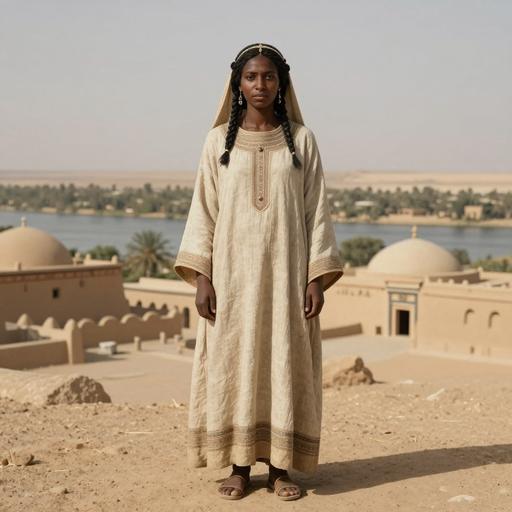
The Story
The journey of mtDNA haplogroup L5A
Origins and Evolution
mtDNA haplogroup L5A is a subclade of haplogroup L5, itself a deep branch of macro-haplogroup L that represents some of the earliest diversification of maternal lineages within Africa. Based on the position of L5A in the phylogenetic tree and comparisons with coalescence estimates for neighboring L-lineages, L5A most plausibly arose in East/Central Africa during the Late Pleistocene (tens of thousands of years ago). Its age and phylogenetic placement indicate it is an old, regionally restricted lineage that has persisted through multiple climatic and cultural transitions in Africa.
Genetic surveys show that L5A carries derived mutations that distinguish it from other L5 subclades, and its diversity pattern—relatively low haplotype diversity in many sampled groups—can reflect long-term population structure, local founder effects, or historical bottlenecks rather than a recent continent-wide expansion.
Subclades
Within the L5 branch, L5A has been subdivided in some phylogenies into finer lineages (commonly labeled in the literature as L5a1, L5a2 or similar, depending on the naming convention used by different databases). These internal branches are typically rare and geographically patchy. Because sampling in many parts of Central and East Africa remains incomplete, the full internal topology of L5A is still being refined by ongoing work in sequencing and ancient DNA.
Geographical Distribution
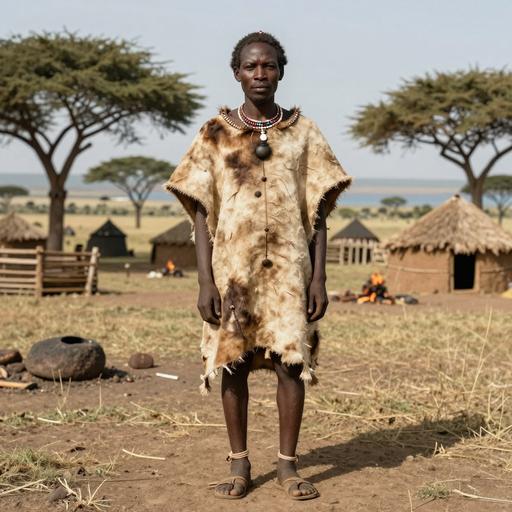
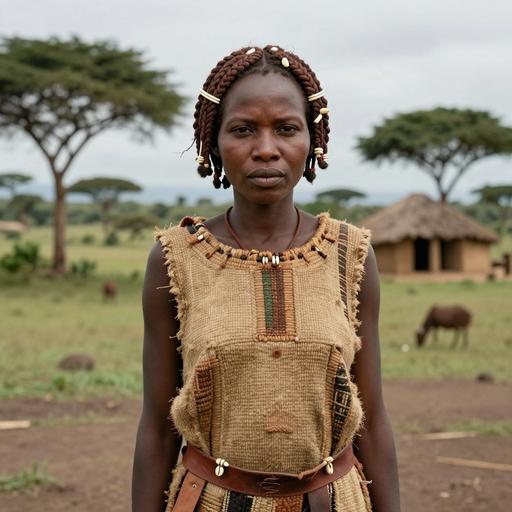
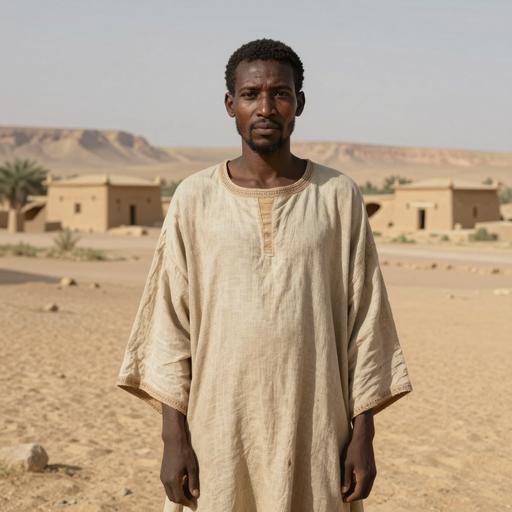
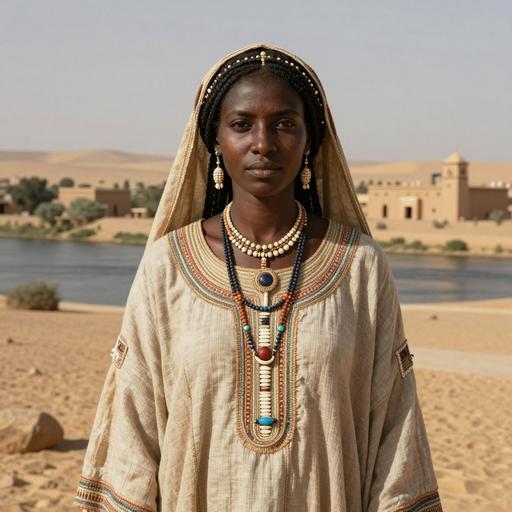
L5A is primarily reported from populations in Central and East Africa. It is observed at low to moderate frequencies among Central African rainforest hunter-gatherer groups (for example Mbuti, Biaka, Baka) and at low frequencies in several East African populations (including occasional reports among the Hadza and small proportions in Oromo and Amhara samples). Trace frequencies of L5 lineages, including L5A-derived types, occur in African-descended populations in the Americas as a result of the transatlantic slave trade. The distribution is localized rather than widespread, reflecting deep regional maternal continuity and restricted maternal gene flow across ecological and cultural boundaries.
Historical and Cultural Significance
Because L5A is concentrated in groups traditionally associated with rainforest hunter-gatherer lifeways and in some East African pastoralist/farmer populations at low frequency, it provides insight into the demographic history of Africa: it helps document ancient population structure that predates many Holocene migrations and cultural shifts. L5A's persistence in rainforest hunter-gatherer groups supports models in which pockets of deep maternal lineages survived in ecologically stable refugia while other regions experienced more turnover. In East Africa, occasional presence of L5A may reflect long-term contacts, small-scale female-mediated gene flow, or assimilation events between forager and neighboring agro-pastoral populations.
Ancient DNA data from Africa are still sparse, but when ancient L-lineages are recovered they can anchor the antiquity of regional maternal continuity; L5A is a plausible candidate lineage to appear in Later Stone Age contexts in Central and East Africa if preservation and sampling permit.
Conclusion
L5A is an informative, though relatively rare, maternal lineage that exemplifies deep African mtDNA diversity and strong regional structure. It highlights the importance of improved sampling and ancient DNA from Central and East Africa to clarify microevolutionary dynamics that shaped modern African population structure. Continued sequencing and broader population coverage will refine the internal topology, age estimates, and the historical processes that produced its present-day patchy distribution.
Key Points
- Origins and Evolution
- Subclades
- Geographical Distribution
- Historical and Cultural Significance
- Conclusion