The Story
The journey of mtDNA haplogroup M49
Origins and Evolution
mtDNA haplogroup M49 is a sublineage derived from the South Asian branch M4 of macro-haplogroup M. Given its phylogenetic position within M4 and the broader geographic pattern of M4 derivatives, M49 most plausibly arose in eastern South Asia or the Himalayan foothills during the Late Pleistocene to early Holocene (roughly ~15 kya, with uncertainty of several thousand years). Like many regional M subclades, M49 represents an autochthonous South Asian maternal lineage that diversified locally after the initial peopling of South and Southeast Asia by lineages derived from macro-haplogroup M.
Subclades (if applicable)
Genetic surveys indicate M49 is composed of a small number of geographically restricted sublineages; published studies and population screens sometimes report minor internal branches (reported as M49a, M49b in some datasets) but these subclades are low-frequency and often limited to particular tribal or hill populations. Because sampling of some highland and tribal groups remains incomplete, the internal topology of M49 is still being refined and additional subclades may be recognized as more full mitochondrial genomes are reported.
Geographical Distribution
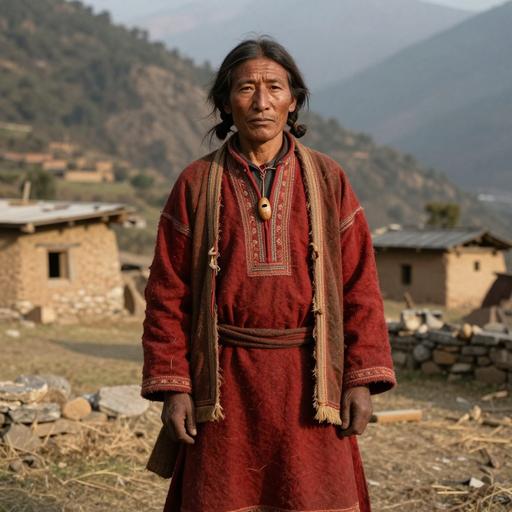
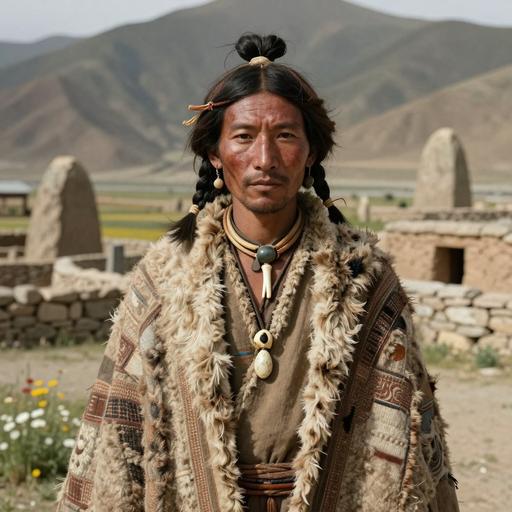
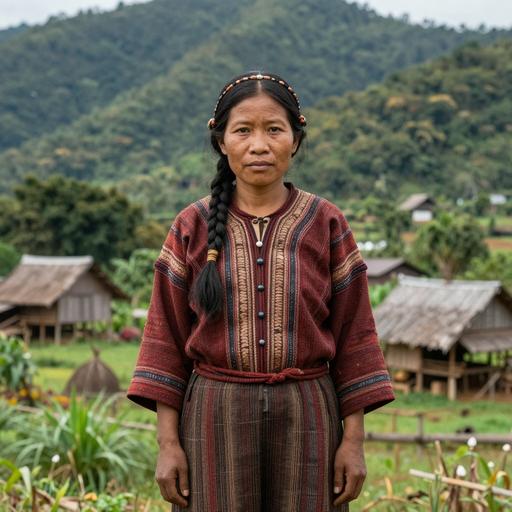
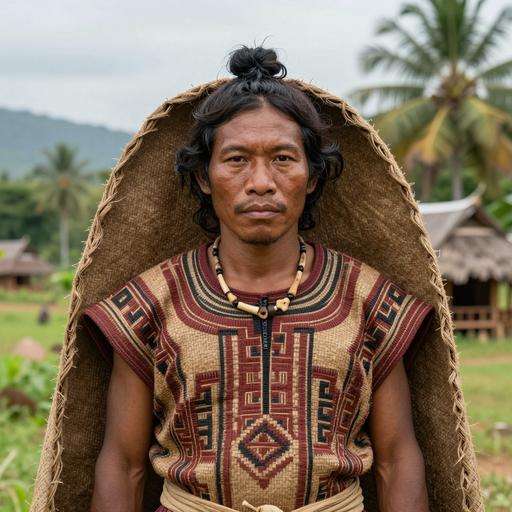
M49 shows a concentrated distribution in eastern and northeastern South Asia with spillover into adjacent Himalayan and Southeast Asian populations at low frequency. It is most commonly observed among tribal and upland groups in Northeast India and among several Tibeto-Burman–speaking and Himalayan-edge populations in Nepal, Bhutan and neighboring Myanmar. Outside these core areas M49 occurs only rarely in lowland caste and general-population samples from India and Bangladesh, and is sporadically reported in some Himalayan highland samples. Ancient DNA identifications of M49 are currently scarce, but Holocene-era contexts from South Asia occasionally recover related M4-derived lineages, consistent with a long-term regional presence.
Historical and Cultural Significance
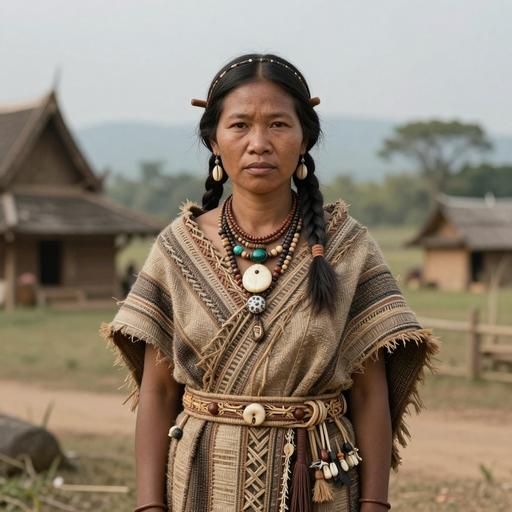
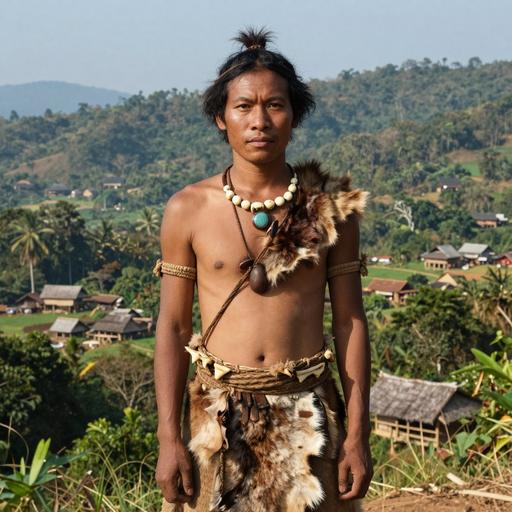
M49's distribution and age suggest it is primarily associated with indigenous upland forager and early agrarian populations of eastern South Asia and the Himalayan foothills. Its concentration among tribal and Tibeto-Burman–speaking groups links it, in population-history terms, to local demographic continuity and to Holocene-era regional movements (for example, north–south contacts across the eastern Himalaya and later Tibeto-Burman expansions). M49 is not tied to any well-documented long-distance Bronze Age Steppe-related expansions; instead, it serves as a useful marker of local maternal ancestry in studies of South Asian population structure, peopling of the eastern Himalaya, and interactions between lowland and upland groups.
Conclusion
mtDNA haplogroup M49 is a low-to-moderate frequency, regionally restricted maternal lineage derived from M4, reflecting long-term local evolution in eastern South Asia and the Himalayan margin. It is most informative for reconstructing microgeographic maternal histories among tribal, Tibeto-Burman and upland populations in the region, and resolving its internal substructure will depend on additional full mitochondrial genome sequencing from undersampled groups.
Key Points
- Origins and Evolution
- Subclades (if applicable)
- Geographical Distribution
- Historical and Cultural Significance
- Conclusion