Menu
mtDNA Haplogroup • Maternal Lineage

N1b2

mtDNA Haplogroup N1b2

~15,000 years ago
Near East / Caucasus
0 subclades
Scroll to explore
Chapter I

The Story

The journey of mtDNA haplogroup N1b2

Origins and Evolution

mtDNA haplogroup N1b2 is a downstream branch of haplogroup N1b, itself a descendant of the major non-African macro-haplogroup N. Based on phylogenetic placement and comparative diversity, N1b2 most likely arose in the Near East or adjacent Caucasus/Anatolian region in the Late Glacial to early Holocene period (roughly around 15 kya, with uncertainty of several thousand years). It represents a relatively small, geographically focused maternal lineage that split from other N1b lineages as populations in the Near East diversified after the Last Glacial Maximum.

Because N1b2 is a minor clade, its internal diversity is limited in published datasets; this pattern is consistent with a regional founder origin followed by localized persistence and episodic dispersal rather than a large continent-wide expansion.

Subclades (if applicable)

N1b2 is treated as a sub-branch within the broader N1b family. Where data are sufficient, N1b shows internal structure (e.g., the well-documented N1b1 branch and rarer offshoots). N1b2 itself may contain local sublineages identifiable with high-resolution complete mitogenomes, but in many population surveys it appears as a single low-frequency cluster distinct from N1b1. Continued sequencing of whole mitogenomes in understudied Near Eastern and Caucasus populations is needed to resolve finer subclade structure within N1b2.

Geographical Distribution

The geographic footprint of N1b2 is concentrated in the Near East and neighboring regions. Reported occurrences are typically low-frequency but geographically consistent, with the highest relative diversity in parts of the Levant, Anatolia and the southern Caucasus. N1b2 is occasionally detected at low levels in southern Europe (particularly the Balkans and Greece), North Africa, and in populations shaped by later historical movements (trade, migration, diasporas). The distribution is compatible with an origin in the Near East followed by spread with Neolithic farmer expansions and later regional migrations.

Historical and Cultural Significance

Although N1b2 is not a high-frequency marker tied to a single archaeological culture, its localization to the Near Eastern–Anatolian–Caucasus corridor makes it relevant to studies of Neolithic demography and post-glacial re-peopling of the region. The haplogroup's pattern—regional concentration with low but widespread occurrences—matches expectations for maternal lineages that persisted in source areas for farming and then dispersed in modest proportions with early agriculturalists. In historical times, small-scale movements (e.g., trade networks, population relocations, and diasporas) likely transported N1b2 lineages farther afield, producing the low-frequency traces seen in neighboring regions and later medieval or modern populations.

Conclusion

mtDNA N1b2 is a localized, low-frequency maternal lineage that helps illuminate maternal diversity in the Near East, Anatolia and the Caucasus. It most likely arose after the Last Glacial Maximum and was carried forward by regional populations, contributing modestly to the mitochondrial pools of adjacent parts of Europe and North Africa during Neolithic and later periods. N1b2 is best interpreted as a regional marker useful for reconstructing local maternal histories rather than as a signal of a broad, continent-spanning migration.

Key Points

  • Origins and Evolution
  • Subclades (if applicable)
  • Geographical Distribution
  • Historical and Cultural Significance
  • Conclusion

Chapter II

Tree & Relationships

Phylogenetic context and subclades

Evolution Path

This haplogroup's evolutionary journey from its earliest ancestor to the present.

Steps Haplogroup Age Estimate Archaeology Era Time Passed Immediate Descendants Tested Modern Descendants Ancient Connections
1 N1b2 Current ~15,000 years ago 🏹 Mesolithic 15,000 years 0 2 0
2 N ~60,000 years ago 🦴 Paleolithic 60,000 years 15 15,452 13
3 L3 ~70,000 years ago 🦴 Paleolithic 70,000 years 11 17,621 6
4 L ~160,000 years ago 🦴 Paleolithic 160,000 years 7 18,987 5

Subclades (0)

Terminal branch - no known subclades

Chapter III

Where in the World

Geographic distribution and modern presence


Place of Origin

Near East / Caucasus

Modern Distribution

The populations where mtDNA haplogroup N1b2 is found include:

  1. Near Eastern populations (Levant, Israel/Palestine, Lebanon, Syria)
  2. Anatolian/Turkic and Kurdish populations in modern Turkey
  3. South Caucasus groups (Armenians, Georgians, Azerbaijanis)
  4. Southern European populations (Greece, the Balkans) at low frequency
  5. North African populations (low frequency, often attributed to historical/ancient Near Eastern gene flow)
  6. Diaspora and historical trade-linked populations in the Mediterranean (sporadic occurrences)
CHAPTER IV

When in Time

Your haplogroup in the context of human history

~20k years ago

Last Glacial Maximum

Peak of the last ice age, populations isolated

~15k years ago

Haplogroup N1b2

Your mtDNA haplogroup emerged in Near East / Caucasus

Near East / Caucasus
~10k years ago

Neolithic Revolution

Agriculture begins, settled communities form

~5k years ago

Bronze Age

Metalworking, writing, and early civilizations

~3k years ago

Iron Age

Iron tools, expanded trade networks

~2k years ago

Classical Antiquity

Greek and Roman civilizations flourish

Present

Present Day

Modern era

Your Haplogroup
Historical Era
Chapter IV-B

Linked Cultures

Ancient cultures associated with mtDNA haplogroup N1b2

Cultural Heritage

These ancient cultures have been linked to haplogroup N1b2 based on matching ancient DNA samples from archaeological excavations. The presence of this haplogroup in these cultures provides insights into the migrations and population movements of populations carrying this haplogroup.

Bulgarian Chalcolithic Buran-Kaya Canaanite Corded Ware Early Bronze Anatolia Early Roman Lebanese Ghassulian Lingolsheim Culture Natufian Peștera cu Oase
Culture assignments are based on archaeological context of ancient DNA samples and may represent regional associations during specific time periods.
Chapter V

Sample Catalog

Top 50 ancient DNA samples directly related to haplogroup N1b2 or parent clades

50 / 50 samples
Portrait Sample Country Era Date Culture mtDNA Match
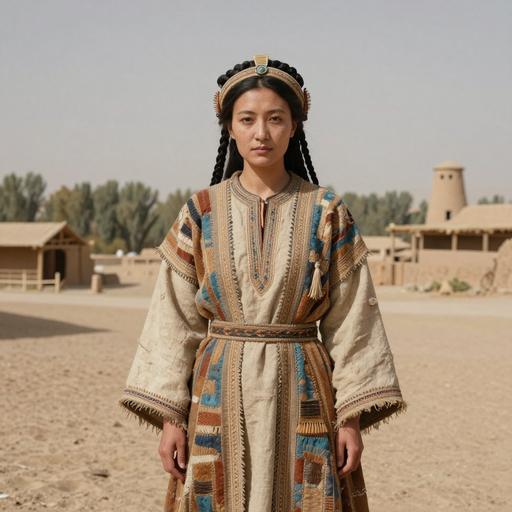
Portrait of ancient individual C391 from China, dated 1 CE - 400 CE
C391
China Historical Period Hetian, Xinjiang, China 1 CE - 400 CE Hetian Culture N Direct
Portrait of ancient individual ZLNR-1 from China, dated 81 CE - 236 CE
ZLNR-1
China Iron Age China 81 CE - 236 CE Chinese Iron Age N9a9 Direct
Portrait of ancient individual ZLNR-1 from China, dated 81 CE - 236 CE
ZLNR-1
China Iron Age China 81 CE - 236 CE N9a9 Direct
Portrait of ancient individual I16584 from Turkey, dated 100 BCE - 200 CE
I16584
Turkey Roman Period 2 Turkey 100 BCE - 200 CE Middle Roman Anatolia N1a1b1 Direct
Portrait of ancient individual PCA0480 from Poland, dated 100 CE - 300 CE
PCA0480
Poland Wielbark Culture 100 CE - 300 CE Wielbark N1b1b Direct
Portrait of ancient individual DA39 from Mongolia, dated 150 BCE - 125 CE
DA39
Mongolia Xiongnu Period Mongolia 150 BCE - 125 CE Xiongnu Culture N9a2'4'5'11 Direct
Portrait of ancient individual DA39 from Mongolia, dated 150 BCE - 125 CE
DA39
Mongolia The Xiongnu Empire 150 BCE - 125 CE N9a2'4'5'11 Direct
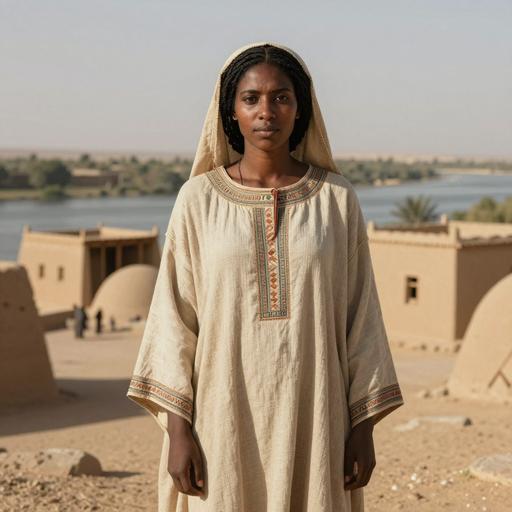
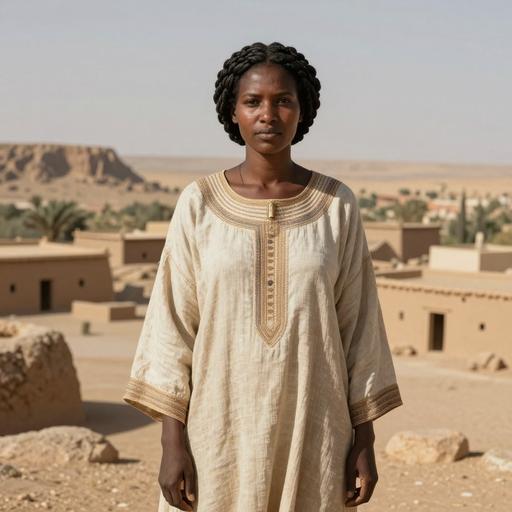
Portrait of ancient individual SFI-11 from Lebanon, dated 151 BCE - 62 CE
SFI-11
Lebanon Early Roman Lebanon 151 BCE - 62 CE Early Roman Lebanese N1b1 Direct
Portrait of ancient individual SFI-11 from Lebanon, dated 151 BCE - 62 CE
SFI-11
Lebanon Roman Levant 151 BCE - 62 CE N1b1 Direct
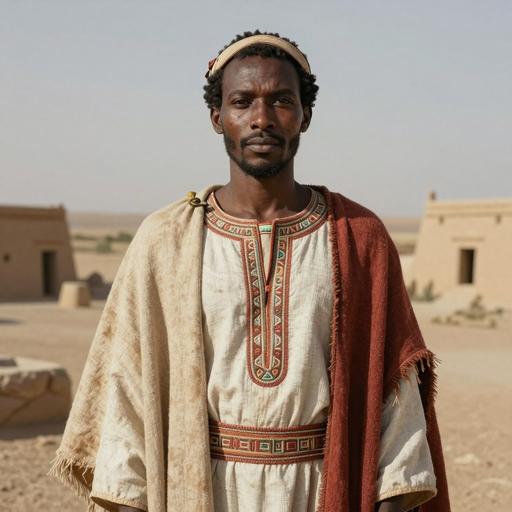
Portrait of ancient individual IMA008 from Russia, dated 200 BCE - 100 CE
IMA008
Russia Xiongnu Period Buryatia, Russia 200 BCE - 100 CE Xiongnu Buryat N9a Direct
Chapter VI

Carrier Distribution Map

Geographic distribution of 100 ancient DNA samples carrying haplogroup N1b2

Time Period Filter
All Time Periods
Showing all samples
Each marker represents an ancient individual
Chapter VII

Temporal Distribution

Distribution of carriers across archaeological periods

Chapter VIII

Geographic Distribution

Distribution of carriers by country of origin

Chapter IX

Country × Era Distribution

Cross-tabulation of carrier countries and archaeological periods

Data

Data & Provenance

Source information and data quality

Last Updated 2026-02-09
Data Source

We use the latest phylotree for MTDNA haplogroup classification and data.