The Story
The journey of mtDNA haplogroup P5
Origins and Evolution
mtDNA haplogroup P5 is a descendant lineage of macro-haplogroup P, which itself derives from haplogroup R. Haplogroup P arose during the initial Upper Paleolithic settlement of Sahul and neighboring island regions. P5 most likely formed after the initial colonization of Sahul by anatomically modern humans and represents a deep in-situ diversification of maternal lineages within Near Oceania and adjacent Wallacean islands. Coalescence-age estimates for P5 are younger than the root of P but still place it well into the Late Pleistocene, indicating long-standing continuity in local populations.
Subclades
P5 can harbor internally differentiated sublineages (reported in population studies as regional subclades such as P5a or equivalent labels in phylogenies), which tend to show geographic structuring at the island or regional level. These subclades reflect localized diversification driven by small population sizes, long-term residence, and limited gene flow between island groups and highland versus coastal communities. In many published phylogenies P5 sits alongside other P subclades (e.g., P1–P4, P6+) as part of the broader diversification of haplogroup P across Sahul and Island Southeast Asia.
Geographical Distribution
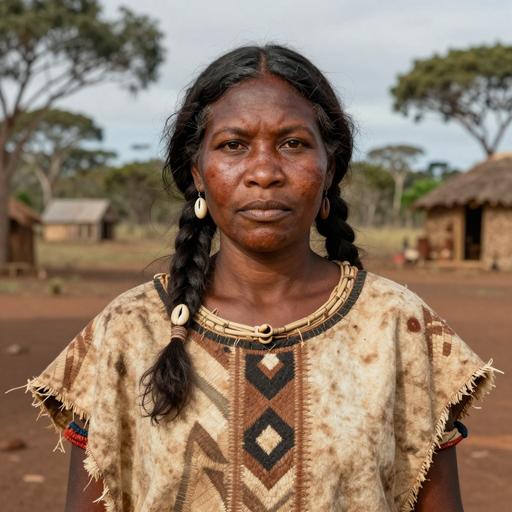
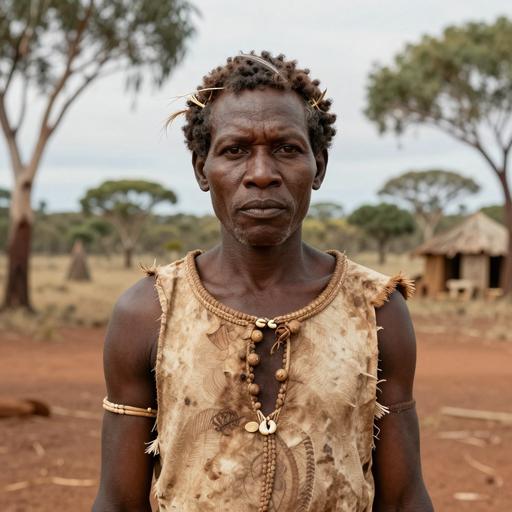
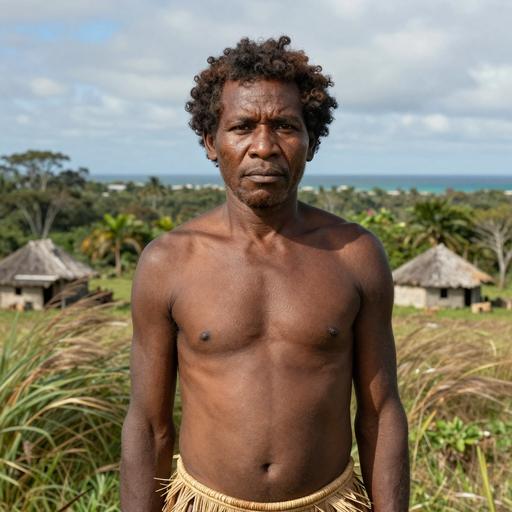
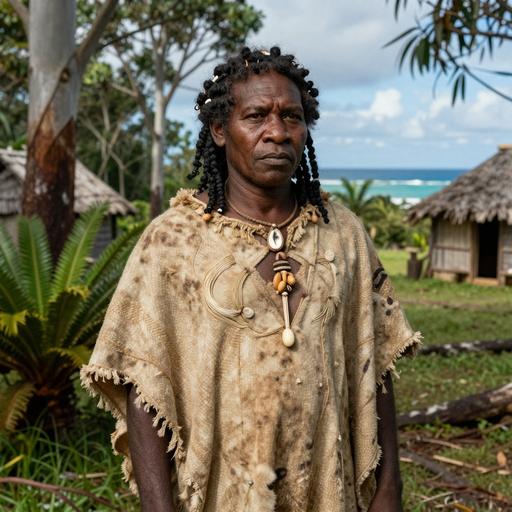
P5 is predominantly observed among Indigenous Australian and nearby Oceanian groups. High frequencies and private lineages are reported in some Aboriginal Australian communities and in certain Melanesian and Papuan groups. P5 (and its sublineages) is also found at lower frequencies in Wallacea and parts of eastern Indonesia and may appear sporadically in island Southeast Asian populations due to prehistoric and historic admixture and maritime movements. Occurrences in Remote Oceania (e.g., among some Polynesian-associated samples) are generally rare and typically reflect secondary admixture rather than primary settlement by P5-bearing maternal lines.
Historical and Cultural Significance
The deep antiquity and regional continuity of P5 make it a useful marker for tracing maternal ancestry associated with the first settlers of Sahul and their descendants. Because P5 lineages are structured geographically and persist in both coastal and inland groups, they provide evidence for both early coastal dispersal routes and long-term inland population continuity. While not a primary marker of later archaeological complexes like Lapita, P5 lineages can appear at low frequency in contexts affected by Lapita-era movements, reflecting admixture with older Sahul-derived populations. Overall, P5 contributes to our understanding of prehistoric maritime capabilities, island colonization, and the demographic history of Indigenous Australians and neighboring Oceanian peoples.
Conclusion
mtDNA haplogroup P5 is a regionally important maternal lineage rooted in the ancient peopling of Sahul and adjacent islands. Its presence and internal diversity among Aboriginal Australian, Papuan, Melanesian, and Wallacean populations testify to deep-time continuity, localized evolution, and the role of coastal and island networks in shaping maternal genetic diversity in Near Oceania.
Key Points
- Origins and Evolution
- Subclades
- Geographical Distribution
- Historical and Cultural Significance
- Conclusion